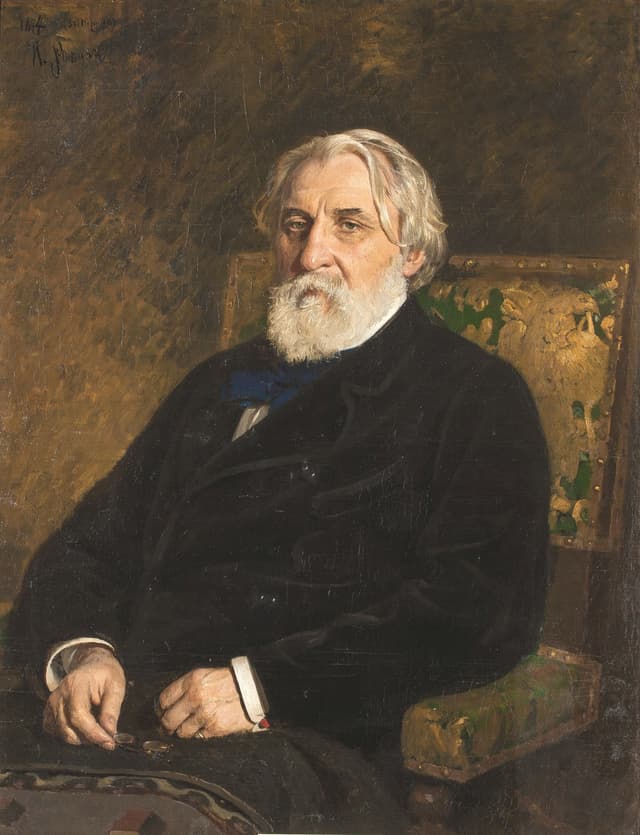
Ivan Sergeevich Turgenev
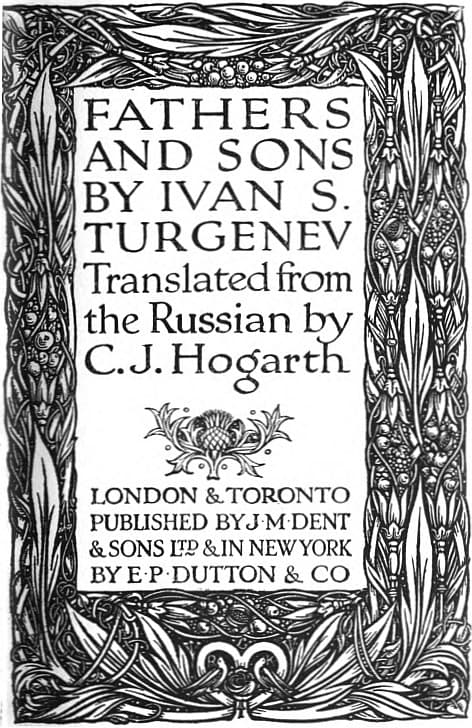
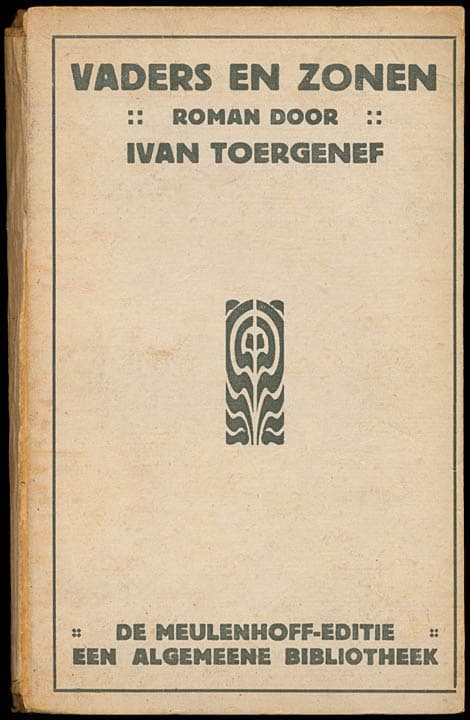
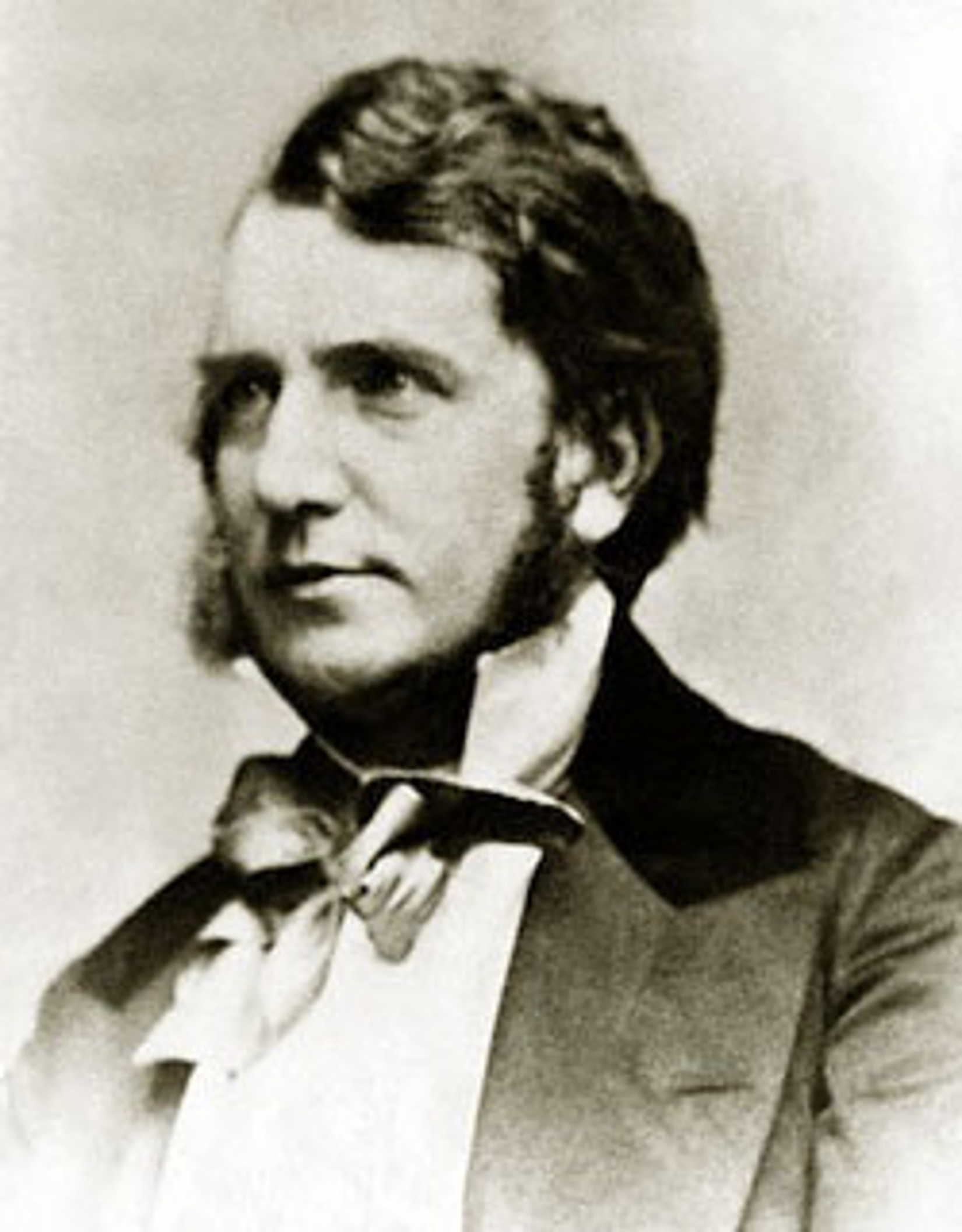
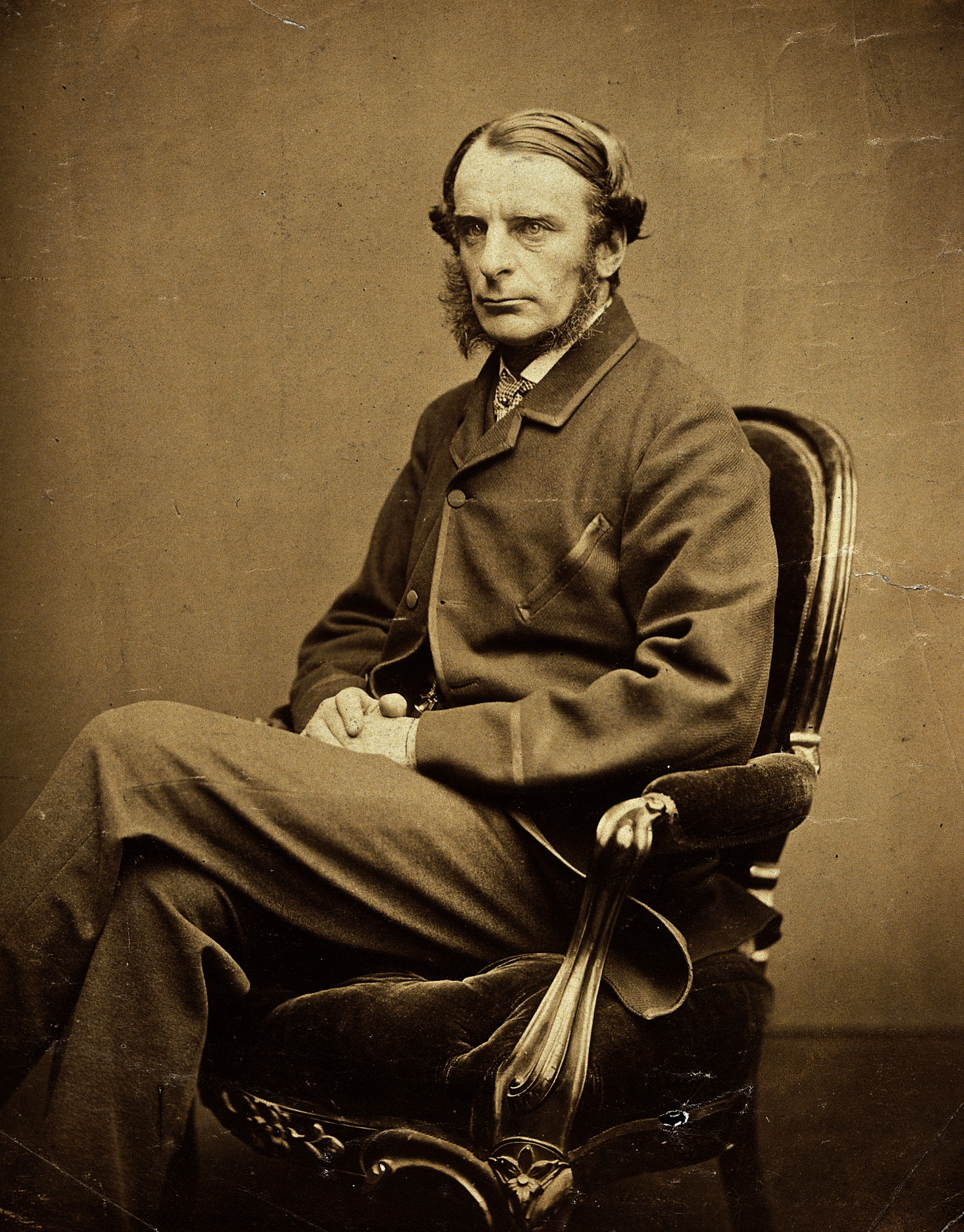
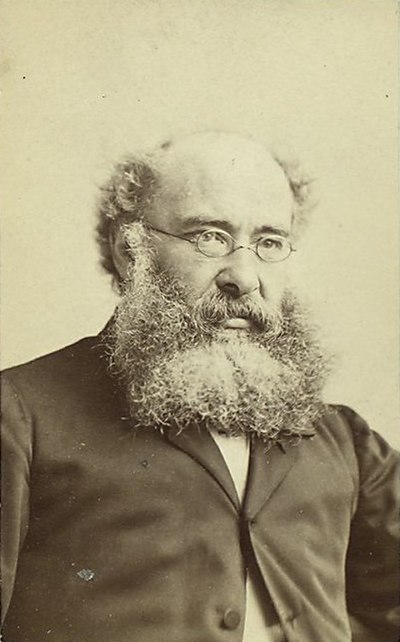
Ivan Sergeyevich Turgenev was a prominent Russian novelist, short story writer, and playwright, whose works played a crucial role in introducing Russian literature to Western audiences. Born into a wealthy landowning family, Turgenev's early life was marked by a blend of privilege and the constraints of serfdom, which deeply influenced his literary themes. His first major work, 'A Sportsman's Sketches' (1852), was groundbreaking in its realistic portrayal of Russian rural life and the struggles of the peasantry, establishing him as a key figure in the Russian realism movement. Turgenev's most celebrated novel, 'Fathers and Sons' (1862), explored the generational conflict between the nihilistic youth and their traditionalist parents, encapsulating the social and political tensions of 19th-century Russia. His nuanced characterizations and lyrical prose earned him acclaim both in Russia and abroad, influencing writers such as Anton Chekhov and Leo Tolstoy. Turgenev's legacy endures as a foundational figure in Russian literature, whose works continue to be studied for their profound insights into human nature and society.
Famous Quotes
View all 8 quotes“Whereas I think: I’m lying here in a haystack... The tiny space I occupy is so infinitesimal in comparison with the rest of space, which I don’t occupy and which has no relation to me. And the period of time in which I’m fated to live is so insignificant beside the eternity in which I haven’t existed and won’t exist... And yet in this atom, this mathematical point, blood is circulating, a brain is working, desiring something... What chaos! What a farce!””
“As we all know, time sometimes flies like a bird, and sometimescrawls like a worm, but people may be unusually happy when they do noteven notice whether time has passed quickly or slowly””
“the deep, pure blue stirs on one’s lips a smile, innocent as itself; like the clouds over the sky, and, as it were, with them, happy memories pass in slow procession over the soul””
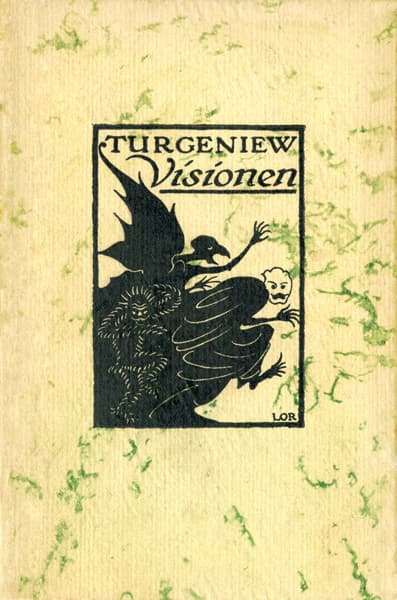
Books from the author







Link to this page
Add a free, dofollow link to Lex on your blog, forum, syllabus, or reading list.

<a href="https://lex-books.com/author/ivan-sergeevich-turgenev"><img src="https://lex-books.com/badges/read-on-lex.svg" alt="Ivan Sergeevich Turgenev on Lex" width="160" height="40"></a>[](https://lex-books.com/author/ivan-sergeevich-turgenev)[url=https://lex-books.com/author/ivan-sergeevich-turgenev][img]https://lex-books.com/badges/read-on-lex.svg[/img][/url]Ivan Sergeevich Turgenev on Lex: https://lex-books.com/author/ivan-sergeevich-turgenev