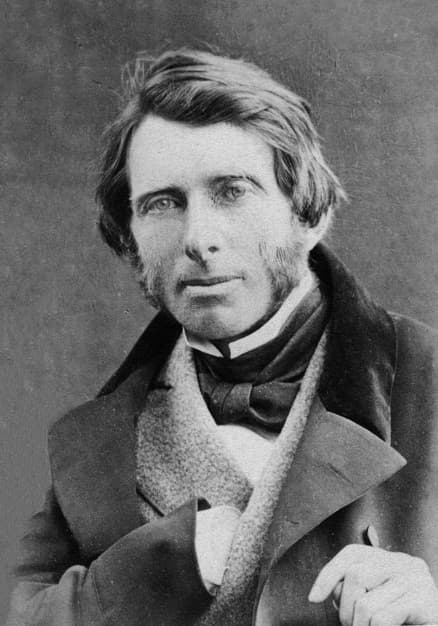
John Ruskin
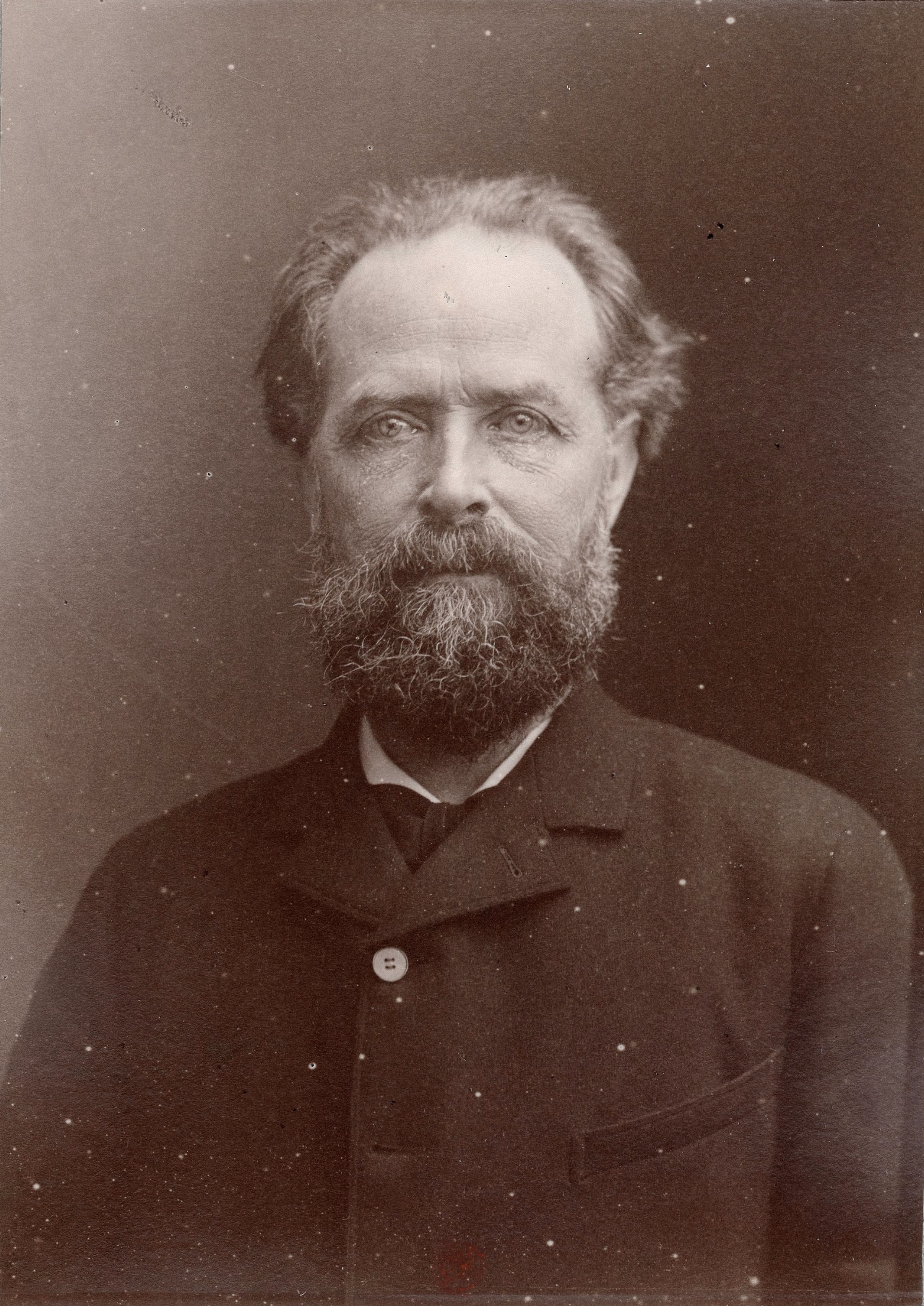
John Ruskin was an influential English polymath whose diverse contributions spanned writing, art criticism, and philanthropy during the Victorian era. He engaged with a wide array of subjects, including art, architecture, political economy, and natural sciences, producing essays, poetry, lectures, and even fairy tales. His early works, characterized by elaborate prose, evolved into clearer, more accessible language as he sought to effectively communicate the intricate connections between nature, art, and society. Notable works such as 'Modern Painters' and 'The Stones of Venice' showcased his deep appreciation for beauty and craftsmanship, while also critiquing the industrialization of society and its impact on art and the environment. Ruskin's ideas were groundbreaking for their time, as he anticipated modern concerns regarding environmentalism, sustainability, and ethical consumerism. His influence extended well into the 20th century, shaping movements in art and architecture, including the Arts and Crafts Movement. Although his reputation waned in the years following his death, a resurgence of interest in his work since the 1960s has solidified his legacy as a pivotal figure in the discourse on art and society, making him a key precursor to contemporary discussions on the relationship between culture and the environment.
Famous Quotes
View all 20 quotes“To banish imperfection is to destroy expression, to check exertion, to paralyze vitality.””
“It is better to lose your pride with someone you love rather than to lose that someone you love with your useless pride.””
“Sunshine is delicious, rain is refreshing, wind braces us up, snow is exhilarating; there is really no such thing as bad weather, only different kinds of good weather. ””
Books from the author



Link to this page
Add a free, dofollow link to Lex on your blog, forum, syllabus, or reading list.

<a href="https://lex-books.com/author/john-ruskin"><img src="https://lex-books.com/badges/read-on-lex.svg" alt="John Ruskin on Lex" width="160" height="40"></a>[](https://lex-books.com/author/john-ruskin)[url=https://lex-books.com/author/john-ruskin][img]https://lex-books.com/badges/read-on-lex.svg[/img][/url]John Ruskin on Lex: https://lex-books.com/author/john-ruskin