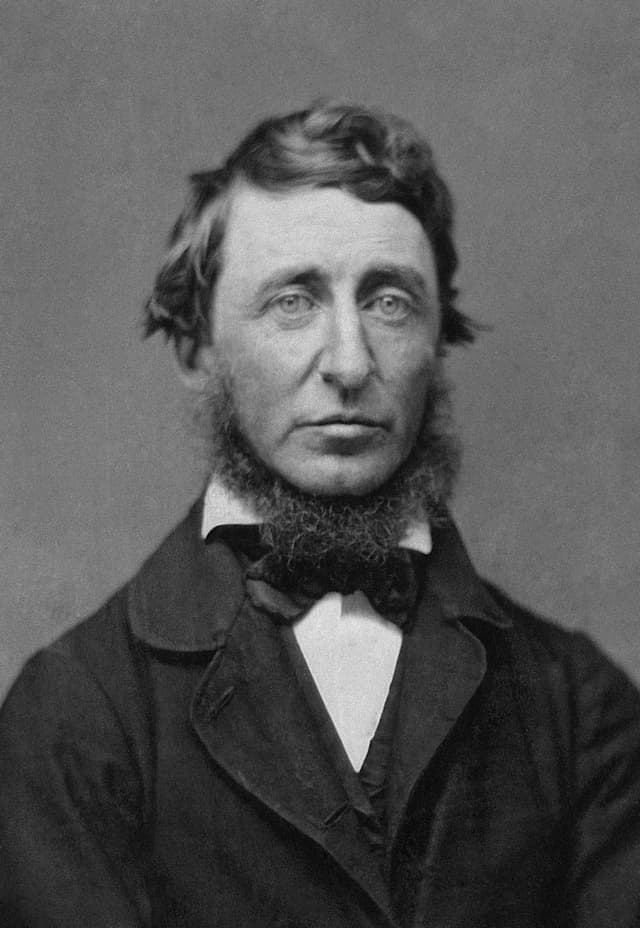
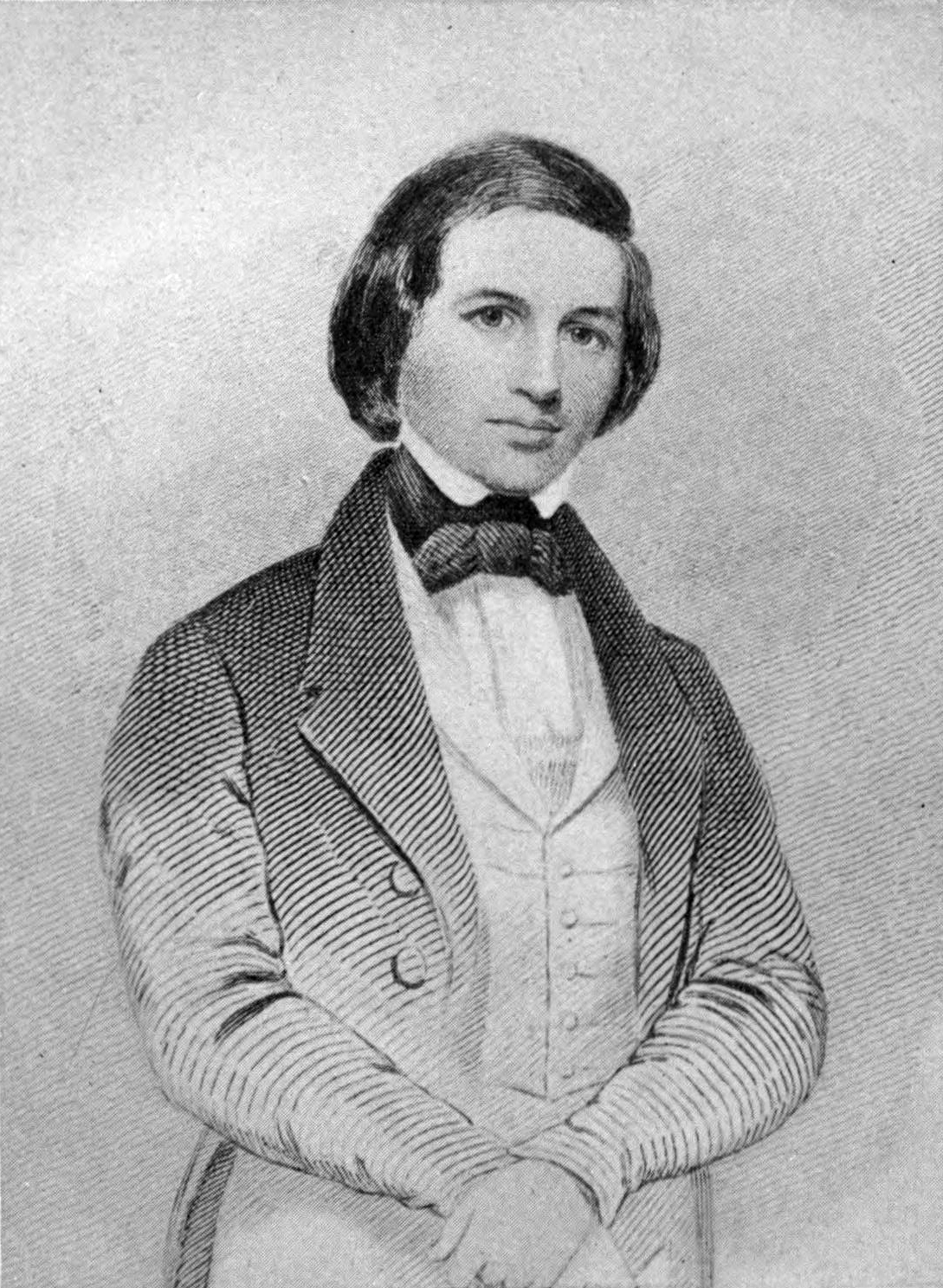
Henry David Thoreau
Henry David Thoreau was an influential American naturalist, essayist, poet, and philosopher, renowned for his profound reflections on nature and society. His most celebrated work, *Walden*, chronicles his experiment in simple living amidst the natural world, emphasizing self-sufficiency and a deep connection to the environment. In addition to *Walden*, Thoreau's essay *Civil Disobedience* advocates for individual resistance to government injustice, a concept that has inspired generations of activists and thinkers. His writings encompass over 20 volumes, showcasing a unique blend of keen observation, philosophical inquiry, and poetic expression. Thoreau's literary contributions extend beyond mere observation; he anticipated key concepts in ecology and environmental history, laying groundwork for modern environmentalism. His keen insights into the human condition, survival, and the critique of societal norms reflect a transcendentalist ethos that challenged the status quo. A committed abolitionist, Thoreau used his platform to speak against slavery and support civil rights, influencing figures such as Leo Tolstoy, Mahatma Gandhi, and Martin Luther King Jr. His legacy endures through his advocacy for nature, individualism, and social justice, making him a pivotal figure in American literature and philosophy.
Famous Quotes
View all 20 quotes“I learned this, at least, by my experiment: that if one advances confidently in the direction of his dreams, and endeavors to live the life which he has imagined, he will meet with a success unexpected in common hours.””
“I went to the woods because I wished to live deliberately, to front only the essential facts of life, and see if I could not learn what it had to teach, and not, when I came to die, discover that I had not lived. I did not wish to live what was not life, living is so dear; nor did I wish to practice resignation, unless it was quite necessary. I wanted to live deep and suck out all the marrow of life, to live so sturdily and Spartan-like as to put to rout all that was not life, to cut a broad swath and shave close, to drive life into a corner, and reduce it to its lowest terms, and, if it proved to be mean, why then to get the whole and genuine meanness of it, and publish its meanness to the world; or if it were sublime, to know it by experience, and be able to give a true account of it in my next excursion.””
“Rather than love, than money, than fame, give me truth.””
Books from the author
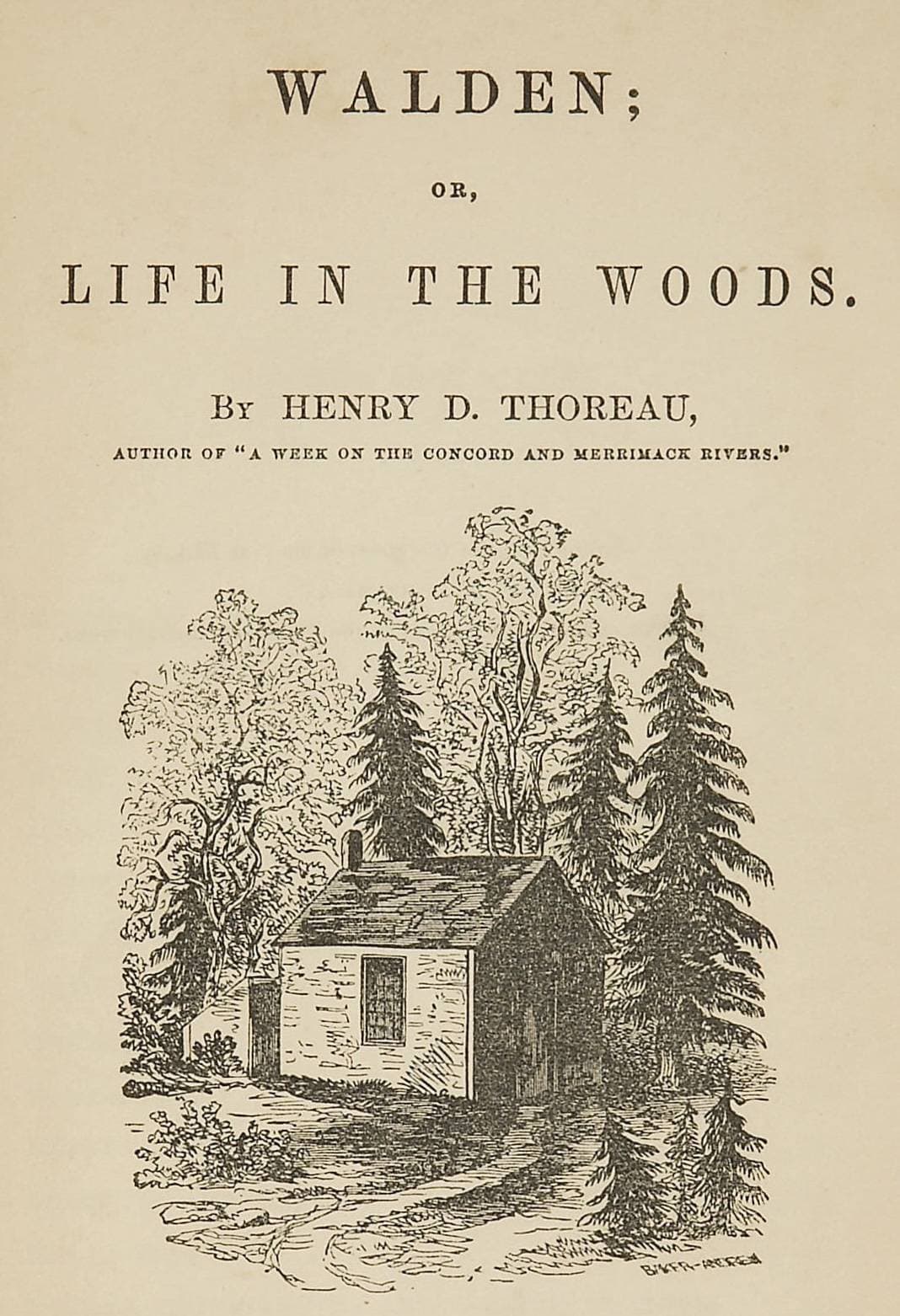



Link to this page
Add a free, dofollow link to Lex on your blog, forum, syllabus, or reading list.

<a href="https://lex-books.com/author/henry-david-thoreau"><img src="https://lex-books.com/badges/read-on-lex.svg" alt="Henry David Thoreau on Lex" width="160" height="40"></a>[](https://lex-books.com/author/henry-david-thoreau)[url=https://lex-books.com/author/henry-david-thoreau][img]https://lex-books.com/badges/read-on-lex.svg[/img][/url]Henry David Thoreau on Lex: https://lex-books.com/author/henry-david-thoreau