The Storm-Cloud of the Nineteenth Century: Two Lectures Delivered at the London Institution, February 4th and 11th, 1884
The Storm-Cloud of the Nineteenth Century: Two Lectures Delivered at the London Institution, February 4th and 11th, 1884
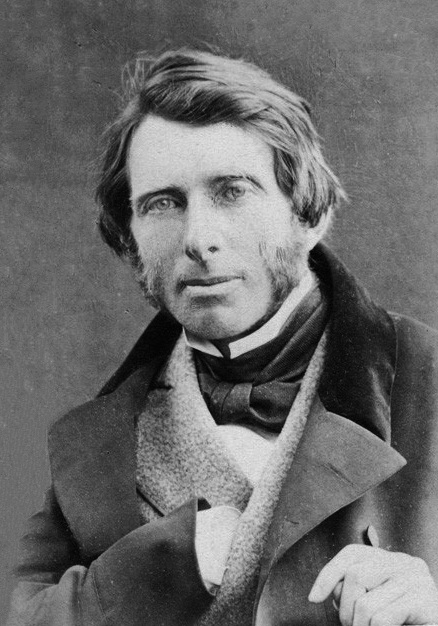
In February 1884, John Ruskin stood before an audience at the London Institution and delivered a diagnosis of modernity unlike any other: the sky itself was changing. The great Victorian art critic and social thinker had noticed something troubling in the atmosphere above England, a new kind of cloud, dense and perpetual, which he christened the "plague-cloud." Unlike the dramatic storms and vivid skies of his youth, these gray formations hung unbroken for days, poisoning the light and, Ruskin believed, the human spirit. In two lectures that blend meticulous meteorological observation with sweeping philosophical lament, he traces this atmospheric shift to the spread of industrial smoke, the felling of forests, and the moral corruption of a civilization that had turned its back on nature. This is Ruskin at his most unguarded: not the champion of Gothic architecture or the defender of J.M.W. Turner, but a grieving prophet convinced that the very air had become hostile to joy. The work reads now like a strange, prescient document, an Victorian intellectual's private terror about what we would later call climate change, rendered with all his characteristic eloquence and some of his characteristic madness. For readers willing to meet Ruskin on his own terms, it offers a window into a mind grappling with the first stirrings of environmental anxiety.
Editions
Link to this book
Add a free, dofollow link to Lex on your blog, forum, syllabus, or reading list.

<a href="https://lex-books.com/book/the-storm-cloud-of-the-nineteenth-century-two-lectures-delivered-at-the-london-i-8a1df8d2-8a2c-4aef-9896-b0fad965f7fc"><img src="https://lex-books.com/badges/read-on-lex.svg" alt="Read The Storm-Cloud of the Nineteenth Century: Two Lectures Delivered at the London Institution, February 4th and 11th, 1884 by John Ruskin free on Lex" width="160" height="40"></a>[](https://lex-books.com/book/the-storm-cloud-of-the-nineteenth-century-two-lectures-delivered-at-the-london-i-8a1df8d2-8a2c-4aef-9896-b0fad965f7fc)[url=https://lex-books.com/book/the-storm-cloud-of-the-nineteenth-century-two-lectures-delivered-at-the-london-i-8a1df8d2-8a2c-4aef-9896-b0fad965f7fc][img]https://lex-books.com/badges/read-on-lex.svg[/img][/url]Read The Storm-Cloud of the Nineteenth Century: Two Lectures Delivered at the London Institution, February 4th and 11th, 1884 by John Ruskin free on Lex: https://lex-books.com/book/the-storm-cloud-of-the-nineteenth-century-two-lectures-delivered-at-the-london-i-8a1df8d2-8a2c-4aef-9896-b0fad965f7fcCite this book
Reading this edition for a paper or guide? Copy a citation.
Ruskin, John. The Storm-Cloud of the Nineteenth Century: Two Lectures Delivered at the London Institution, February 4th and 11th, 1884. Lex, lex-books.com/book/the-storm-cloud-of-the-nineteenth-century-two-lectures-delivered-at-the-london-i-8a1df8d2-8a2c-4aef-9896-b0fad965f7fc.Ruskin, J. (n.d.). The Storm-Cloud of the Nineteenth Century: Two Lectures Delivered at the London Institution, February 4th and 11th, 1884. Lex. https://lex-books.com/book/the-storm-cloud-of-the-nineteenth-century-two-lectures-delivered-at-the-london-i-8a1df8d2-8a2c-4aef-9896-b0fad965f7fcRuskin, John. The Storm-Cloud of the Nineteenth Century: Two Lectures Delivered at the London Institution, February 4th and 11th, 1884. Lex. https://lex-books.com/book/the-storm-cloud-of-the-nineteenth-century-two-lectures-delivered-at-the-london-i-8a1df8d2-8a2c-4aef-9896-b0fad965f7fc.