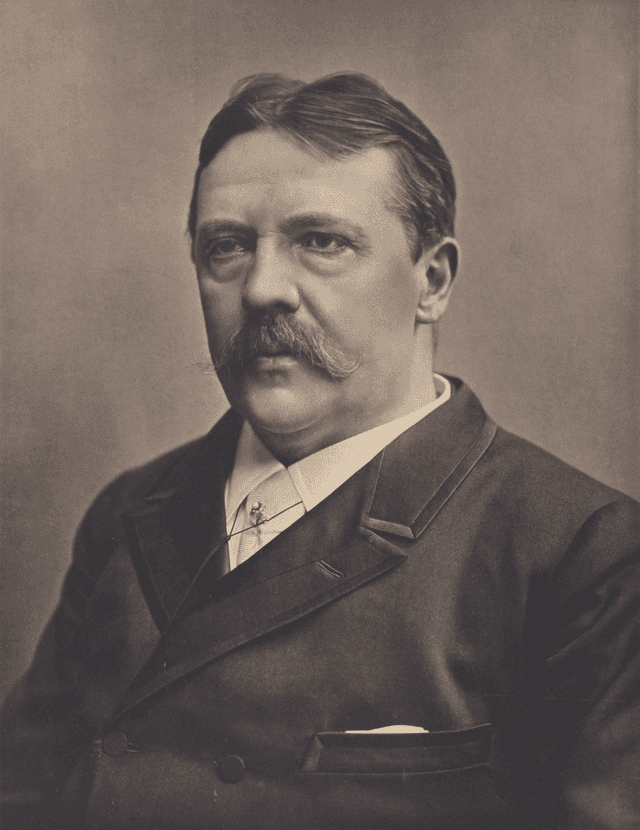
Viktor Rydberg
Viktor Rydberg was a prominent Swedish writer and a member of the Swedish Academy, recognized for his significant contributions to literature during the 19th century. Often referred to as 'Sweden's last Romantic,' Rydberg's work embodied classical idealism and reflected the complexities of human experience. His literary career flourished in the mid-1800s, and by 1859, he was celebrated as one of Sweden's foremost novelists. Rydberg's notable works include the historical novel 'Fribytaren på Östersjön' (The Pirate of the Baltic Sea) and the philosophical treatise 'Den siste Athenaren' (The Last Athenian), which explored themes of individuality and the human condition. Rydberg's influence extended beyond literature; he played a crucial role in shaping Swedish cultural identity and intellectual thought. His writings often grappled with the tensions between Romantic ideals and emerging modernity, making him a pivotal figure in the transition from Romanticism to modern literature in Sweden. Rydberg's legacy endures, as he is remembered not only for his literary achievements but also for his contributions to Swedish cultural discourse, marking him as a significant figure in the nation's literary history.
Famous Quotes
View all 2 quotes“för regenternas synd pliktar folken, liksom folkens synder skapar regenterna.”
“Ur nattomhöljda tider emot ett mål, fördolt för dig, o mänsklighet, du skrider i sekler fram din ökenstig! Din dag är blott en strimma, som lyser blek och matt - se, framom henne dimma och bakom henne natt! Och släkten, där du tågar, i öknen segna ned, och bävande du frågar: allsmäktige vart bär min led?”
Books from the author









Link to this page
Add a free, dofollow link to Lex on your blog, forum, syllabus, or reading list.

<a href="https://lex-books.com/author/viktor-rydberg"><img src="https://lex-books.com/badges/read-on-lex.svg" alt="Viktor Rydberg on Lex" width="160" height="40"></a>[](https://lex-books.com/author/viktor-rydberg)[url=https://lex-books.com/author/viktor-rydberg][img]https://lex-books.com/badges/read-on-lex.svg[/img][/url]Viktor Rydberg on Lex: https://lex-books.com/author/viktor-rydberg