
Matthew Arnold
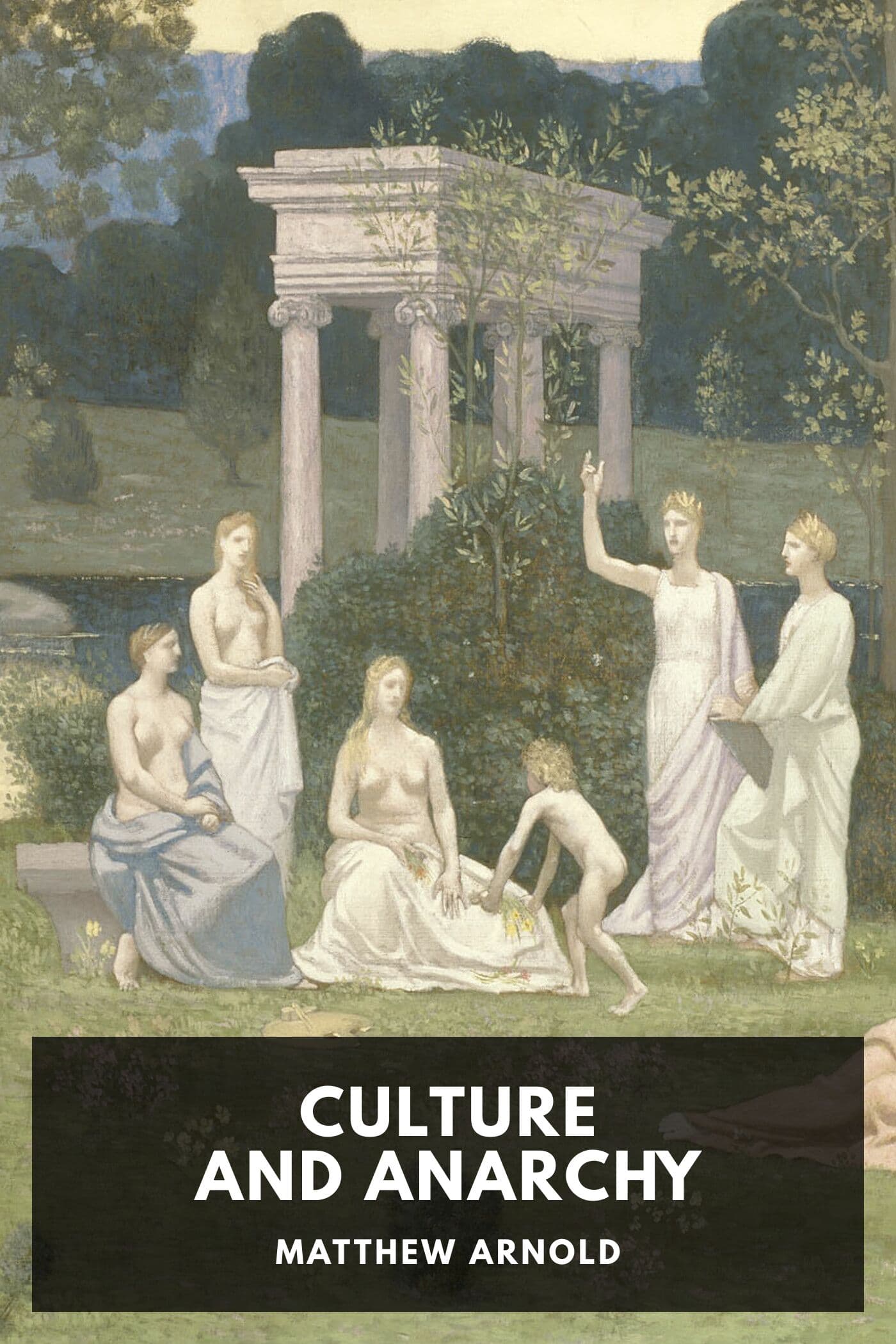
Matthew Arnold was an influential English poet and cultural critic, known for his insightful commentary on society and education. Born into an intellectual family, with his father serving as the headmaster of Rugby School, Arnold's literary career was marked by a commitment to addressing contemporary social issues. His poetry, including notable works such as 'Dover Beach' and 'The Scholar-Gipsy,' reflects a deep engagement with themes of faith, doubt, and the search for meaning in a rapidly changing world. Arnold's writing style is characterized by its lyrical quality and philosophical depth, earning him a place among the prominent poets of the Victorian era. In addition to his literary contributions, Arnold served as an inspector of schools for thirty-five years, advocating for state-regulated secondary education. His essays and critiques, particularly in works like 'Culture and Anarchy,' explored the role of culture in society and the importance of education in fostering moral and intellectual development. Arnold's legacy endures through his impact on both literature and educational reform, as he sought to elevate the standards of public discourse and promote a more enlightened society.
Famous Quotes
View all 3 quotes“Ah, love, let us be true To one another! for the world, which seems To lie before us like a land of dreams, So various, so beautiful, so new, Hath really neither joy, nor love, nor light, Nor certitude, nor peace, nor help for pain; And we are here as on a darkling plain Swept with confused alarms of struggle and flight, Where ignorant armies clash by night.”
“Life is not a having and a getting, but a being and a becoming.”
“Come to me in my dreams, and then By day I shall be well again! For so the night will more than pay The hopeless longings of the day.”
Books from the author





Link to this page
Add a free, dofollow link to Lex on your blog, forum, syllabus, or reading list.

<a href="https://lex-books.com/author/matthew-arnold"><img src="https://lex-books.com/badges/read-on-lex.svg" alt="Matthew Arnold on Lex" width="160" height="40"></a>[](https://lex-books.com/author/matthew-arnold)[url=https://lex-books.com/author/matthew-arnold][img]https://lex-books.com/badges/read-on-lex.svg[/img][/url]Matthew Arnold on Lex: https://lex-books.com/author/matthew-arnold