Giotto and His Works in Padua: An Explanatory Notice of the Series of Woodcuts Executed for the Arundel Society After the Frescoes in the Arena Chapel
Giotto and His Works in Padua: An Explanatory Notice of the Series of Woodcuts Executed for the Arundel Society After the Frescoes in the Arena Chapel
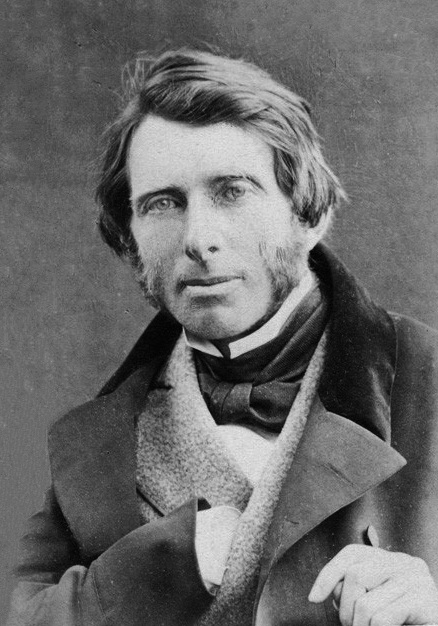
John Ruskin, the Victorian sage and uncompromising advocate for truth in art, turns his ferocity of vision toward the frescoes of Giotto di Bondone in this passionate appraisal of the Arena Chapel in Padua. Written to accompany a series of woodcuts executed for the Arundel Society, this work is not biography but invocation: Ruskin seeks to make the reader see what he sees in Giotto's revolutionary paintings, completed around 1305 for the wealthy banker Enrico Scrovegno. Here was a painter who broke from Byzantine abstraction to render human grief, tenderness, and divine presence with startling emotional authenticity. Ruskin situates these works within their spiritual purpose, explaining how the chapel's patron intended the frescoes as a meditation on salvation, sin, and redemption. Yet the critic is equally interested in what Giotto invented: a new language of representation where physical form conveys interior state, where the architecture of a painted room breathes with real space. This is Ruskin at his most electric, arguing that to truly see Giotto is to understand the birth of modern art itself.
Editions
Link to this book
Add a free, dofollow link to Lex on your blog, forum, syllabus, or reading list.

<a href="https://lex-books.com/book/giotto-and-his-works-in-padua-an-explanatory-notice-of-the-series-of-woodcuts-ex-4140ac06-69aa-49b1-86a8-dcded6245958"><img src="https://lex-books.com/badges/read-on-lex.svg" alt="Read Giotto and His Works in Padua: An Explanatory Notice of the Series of Woodcuts Executed for the Arundel Society After the Frescoes in the Arena Chapel by John Ruskin free on Lex" width="160" height="40"></a>[](https://lex-books.com/book/giotto-and-his-works-in-padua-an-explanatory-notice-of-the-series-of-woodcuts-ex-4140ac06-69aa-49b1-86a8-dcded6245958)[url=https://lex-books.com/book/giotto-and-his-works-in-padua-an-explanatory-notice-of-the-series-of-woodcuts-ex-4140ac06-69aa-49b1-86a8-dcded6245958][img]https://lex-books.com/badges/read-on-lex.svg[/img][/url]Read Giotto and His Works in Padua: An Explanatory Notice of the Series of Woodcuts Executed for the Arundel Society After the Frescoes in the Arena Chapel by John Ruskin free on Lex: https://lex-books.com/book/giotto-and-his-works-in-padua-an-explanatory-notice-of-the-series-of-woodcuts-ex-4140ac06-69aa-49b1-86a8-dcded6245958Cite this book
Reading this edition for a paper or guide? Copy a citation.
Ruskin, John. Giotto and His Works in Padua: An Explanatory Notice of the Series of Woodcuts Executed for the Arundel Society After the Frescoes in the Arena Chapel. Lex, lex-books.com/book/giotto-and-his-works-in-padua-an-explanatory-notice-of-the-series-of-woodcuts-ex-4140ac06-69aa-49b1-86a8-dcded6245958.Ruskin, J. (n.d.). Giotto and His Works in Padua: An Explanatory Notice of the Series of Woodcuts Executed for the Arundel Society After the Frescoes in the Arena Chapel. Lex. https://lex-books.com/book/giotto-and-his-works-in-padua-an-explanatory-notice-of-the-series-of-woodcuts-ex-4140ac06-69aa-49b1-86a8-dcded6245958Ruskin, John. Giotto and His Works in Padua: An Explanatory Notice of the Series of Woodcuts Executed for the Arundel Society After the Frescoes in the Arena Chapel. Lex. https://lex-books.com/book/giotto-and-his-works-in-padua-an-explanatory-notice-of-the-series-of-woodcuts-ex-4140ac06-69aa-49b1-86a8-dcded6245958.