The King of the Golden River; Or, The Black Brothers: A Legend of Stiria.
1851
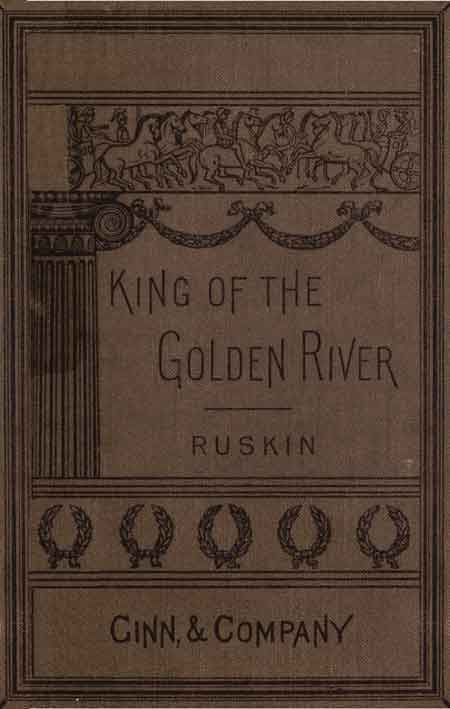
The King of the Golden River; Or, The Black Brothers: A Legend of Stiria.
1851
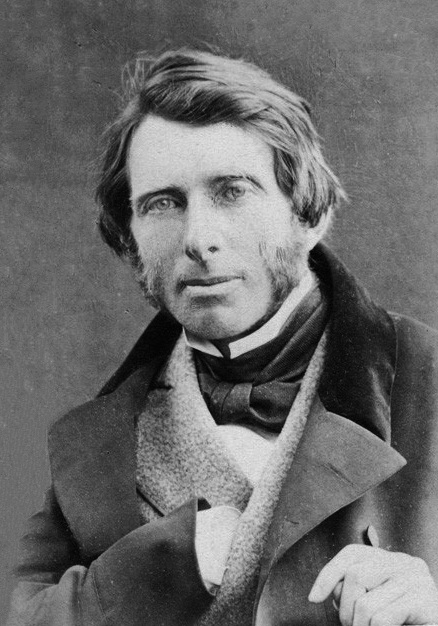
John Ruskin, the formidable Victorian critic of art and society, wrote exactly one fairy tale, and it proves he understood storytelling as deeply as he understood architecture. The King of the Golden River is a stark, beautiful fable about what happens to two brothers who chase wealth through cruelty, and what falls instead to the one left behind. The Treasure Valley flows with water that turns to gold for the pure in heart, and Ruskin constructs his moral with the precision of a fairy tale and the richness of his celebrated prose. When the eldest brothers refuse shelter to a mysterious stranger, they lose everything and embark on doomed quests to reclaim it, each failure hardening them further until they become statues on the mountain. Only Gluck, the kindest brother, succeeds where they failed, not through cunning or strength but through the simple willingness to give without expecting return. The tale has its dark edges, the mountain is unforgiving, and Ruskin does not soften his moral: kindness is not weakness, and greed is not clever. This is a story for readers who want their fairy tales with teeth.
Editions
X-Ray
“There is no wealth but life.””
— John Ruskin
“And thus the... valley became a garden again, and the inheritance, which had been lost by cruelty, was regained by love.””
— John Ruskin
“...the water which has been refused to the cry of the weary and dying, is unholy, though it had been blessed by every saint in heaven; and the water which is found in the vessel of mercy is holy...””
— John Ruskin
Link to this book
Add a free, dofollow link to Lex on your blog, forum, syllabus, or reading list.

<a href="https://lex-books.com/book/the-king-of-the-golden-river-or-the-black-brothers-a-legend-of-stiria-1ec18778-6dcc-4c31-8ef8-3b3749a5492f"><img src="https://lex-books.com/badges/read-on-lex.svg" alt="Read The King of the Golden River; Or, The Black Brothers: A Legend of Stiria. by John Ruskin free on Lex" width="160" height="40"></a>[](https://lex-books.com/book/the-king-of-the-golden-river-or-the-black-brothers-a-legend-of-stiria-1ec18778-6dcc-4c31-8ef8-3b3749a5492f)[url=https://lex-books.com/book/the-king-of-the-golden-river-or-the-black-brothers-a-legend-of-stiria-1ec18778-6dcc-4c31-8ef8-3b3749a5492f][img]https://lex-books.com/badges/read-on-lex.svg[/img][/url]Read The King of the Golden River; Or, The Black Brothers: A Legend of Stiria. by John Ruskin free on Lex: https://lex-books.com/book/the-king-of-the-golden-river-or-the-black-brothers-a-legend-of-stiria-1ec18778-6dcc-4c31-8ef8-3b3749a5492fCite this book
Reading this edition for a paper or guide? Copy a citation.
Ruskin, John. The King of the Golden River; Or, The Black Brothers: A Legend of Stiria.. Lex, lex-books.com/book/the-king-of-the-golden-river-or-the-black-brothers-a-legend-of-stiria-1ec18778-6dcc-4c31-8ef8-3b3749a5492f.Ruskin, J. (1851). The King of the Golden River; Or, The Black Brothers: A Legend of Stiria.. Lex. https://lex-books.com/book/the-king-of-the-golden-river-or-the-black-brothers-a-legend-of-stiria-1ec18778-6dcc-4c31-8ef8-3b3749a5492fRuskin, John. The King of the Golden River; Or, The Black Brothers: A Legend of Stiria.. Lex. https://lex-books.com/book/the-king-of-the-golden-river-or-the-black-brothers-a-legend-of-stiria-1ec18778-6dcc-4c31-8ef8-3b3749a5492f.