
Eugène-Emmanuel Viollet-le-Duc
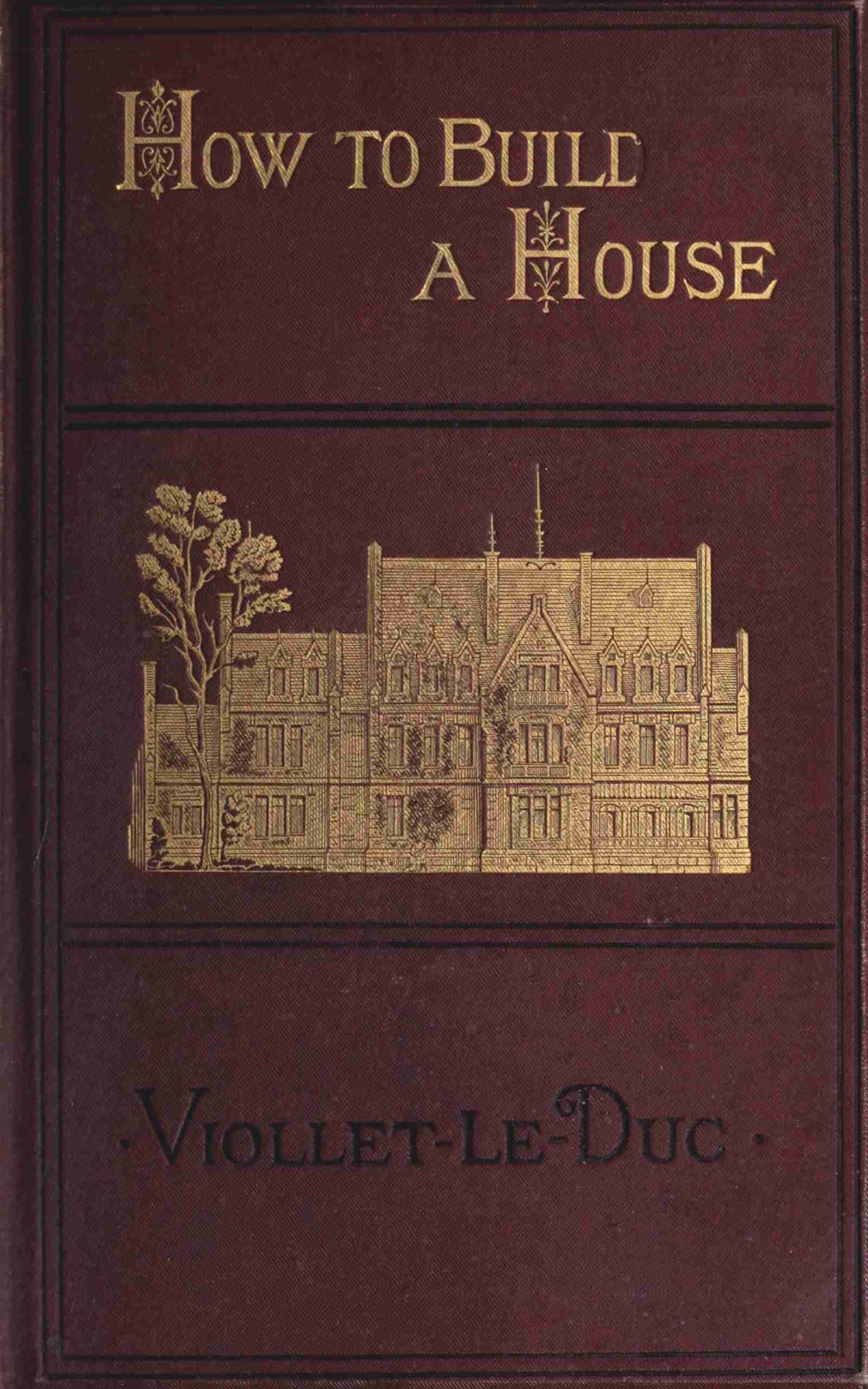
Eugène-Emmanuel Viollet-le-Duc was a French architect and theorist renowned for his pioneering work in the field of restoration and his influential writings on architecture. Born in 1814, he became a prominent figure during the 19th century, advocating for the preservation and restoration of medieval structures, notably the Notre-Dame Cathedral in Paris. His approach emphasized a blend of historical accuracy and creative interpretation, which was both innovative and controversial at the time. Viollet-le-Duc's philosophy was rooted in the belief that restoration should not merely replicate the past but should also reflect the spirit of the original work, a notion that sparked debates among contemporaries and later architects. His major works include "Dictionnaire raisonné de l'architecture française du XIe au XVIe siècle," which served as a comprehensive guide to French architecture, and "Entretiens sur l'architecture," where he articulated his ideas on the principles of design and restoration. Viollet-le-Duc's legacy extends beyond his architectural projects; he significantly influenced the Gothic Revival movement and inspired subsequent generations of architects, including those who embraced modernism. His writings and theories continue to resonate in contemporary discussions about architectural preservation and the role of historical context in design.
Books from the author


Link to this page
Add a free, dofollow link to Lex on your blog, forum, syllabus, or reading list.

<a href="https://lex-books.com/author/eugène-emmanuel-viollet-le-duc"><img src="https://lex-books.com/badges/read-on-lex.svg" alt="Eugène-Emmanuel Viollet-le-Duc on Lex" width="160" height="40"></a>[](https://lex-books.com/author/eugène-emmanuel-viollet-le-duc)[url=https://lex-books.com/author/eugène-emmanuel-viollet-le-duc][img]https://lex-books.com/badges/read-on-lex.svg[/img][/url]Eugène-Emmanuel Viollet-le-Duc on Lex: https://lex-books.com/author/eugène-emmanuel-viollet-le-duc