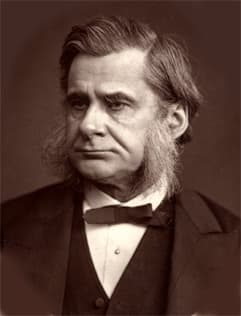
Thomas Henry Huxley
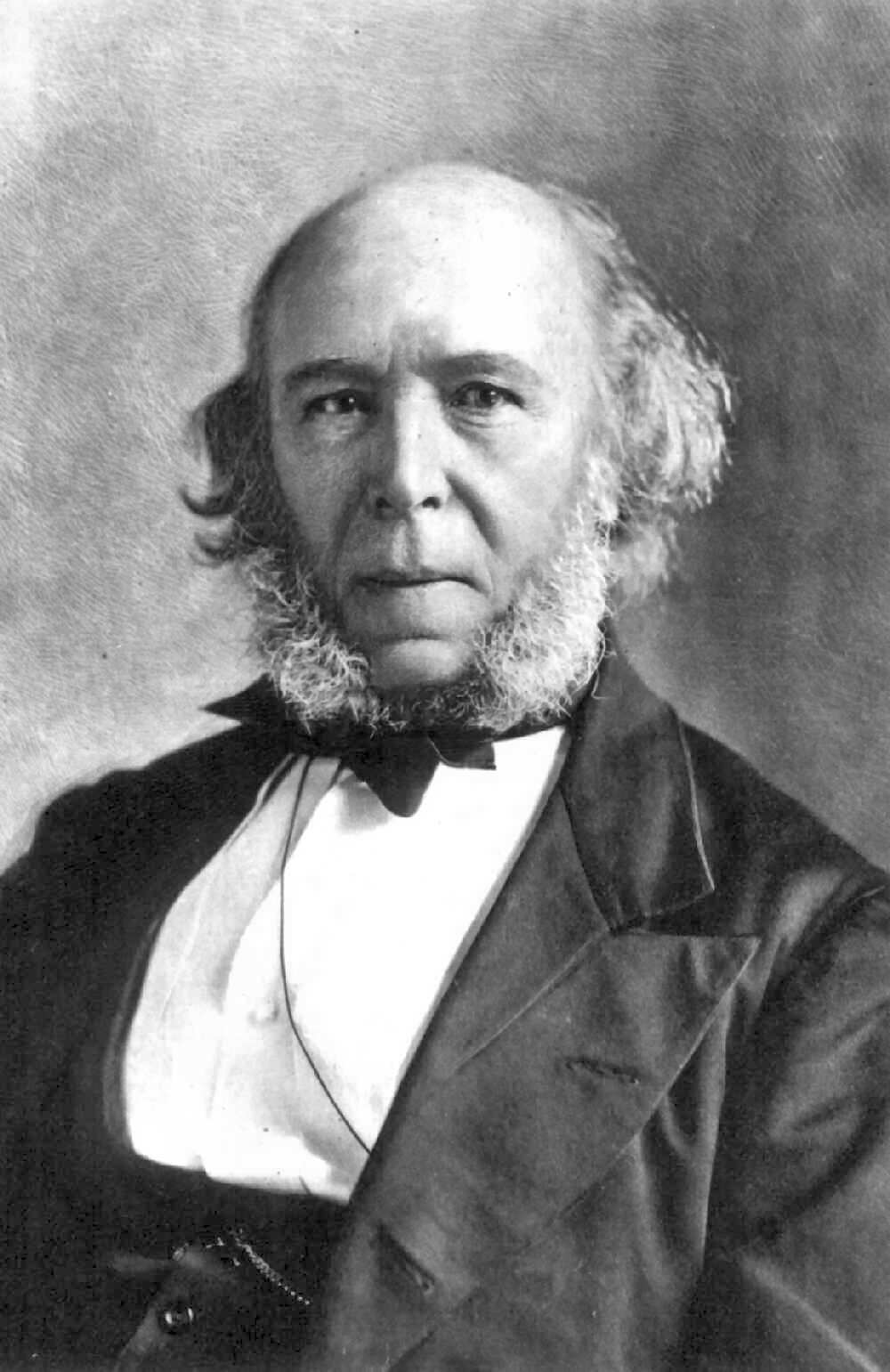
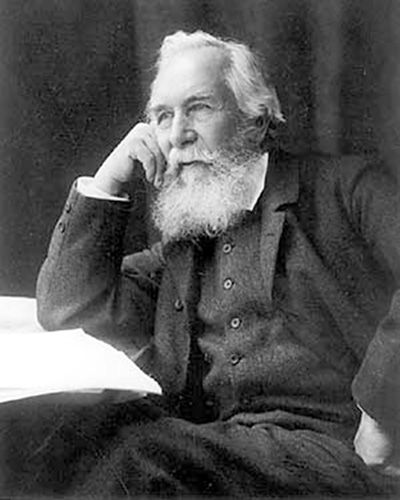
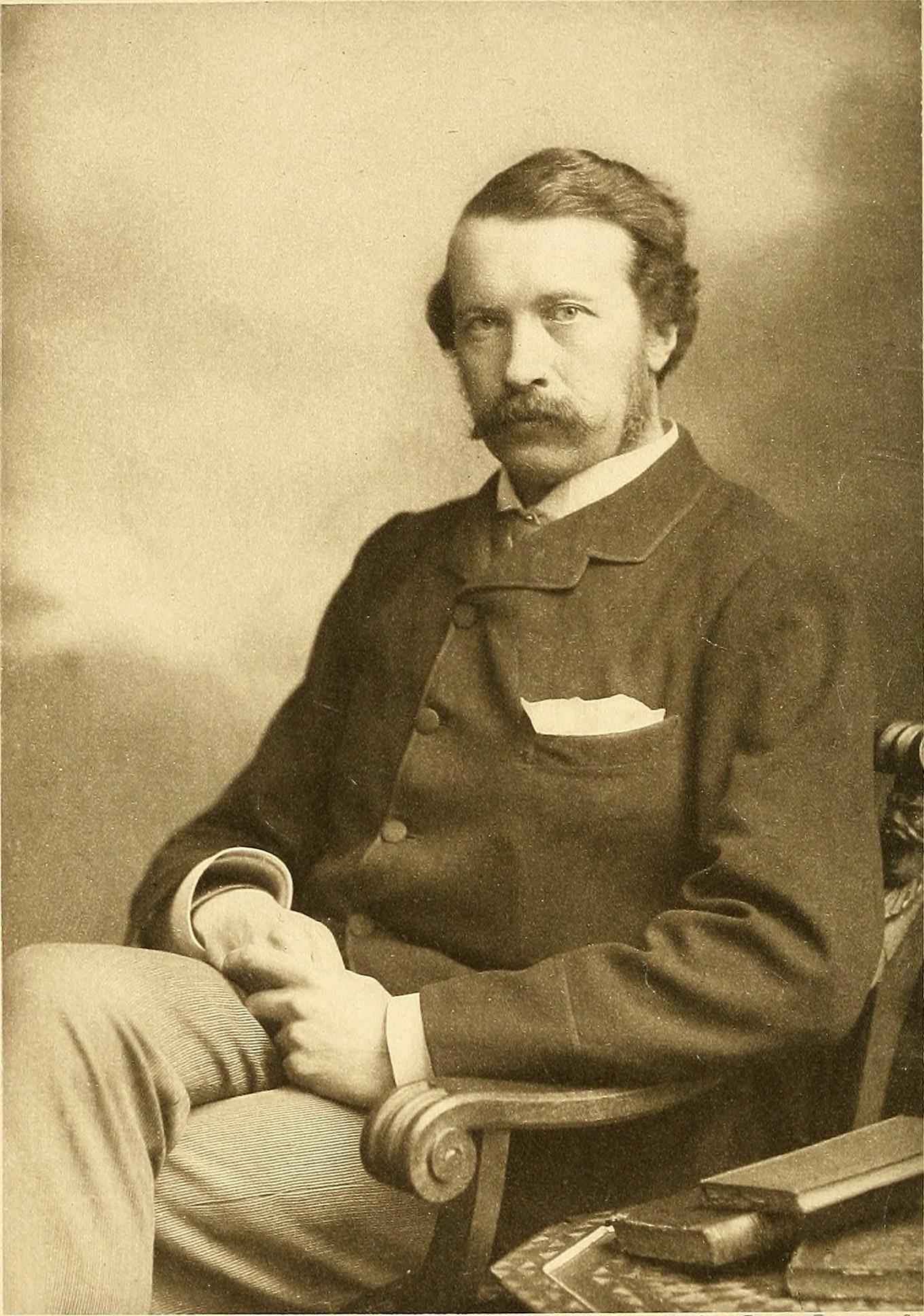
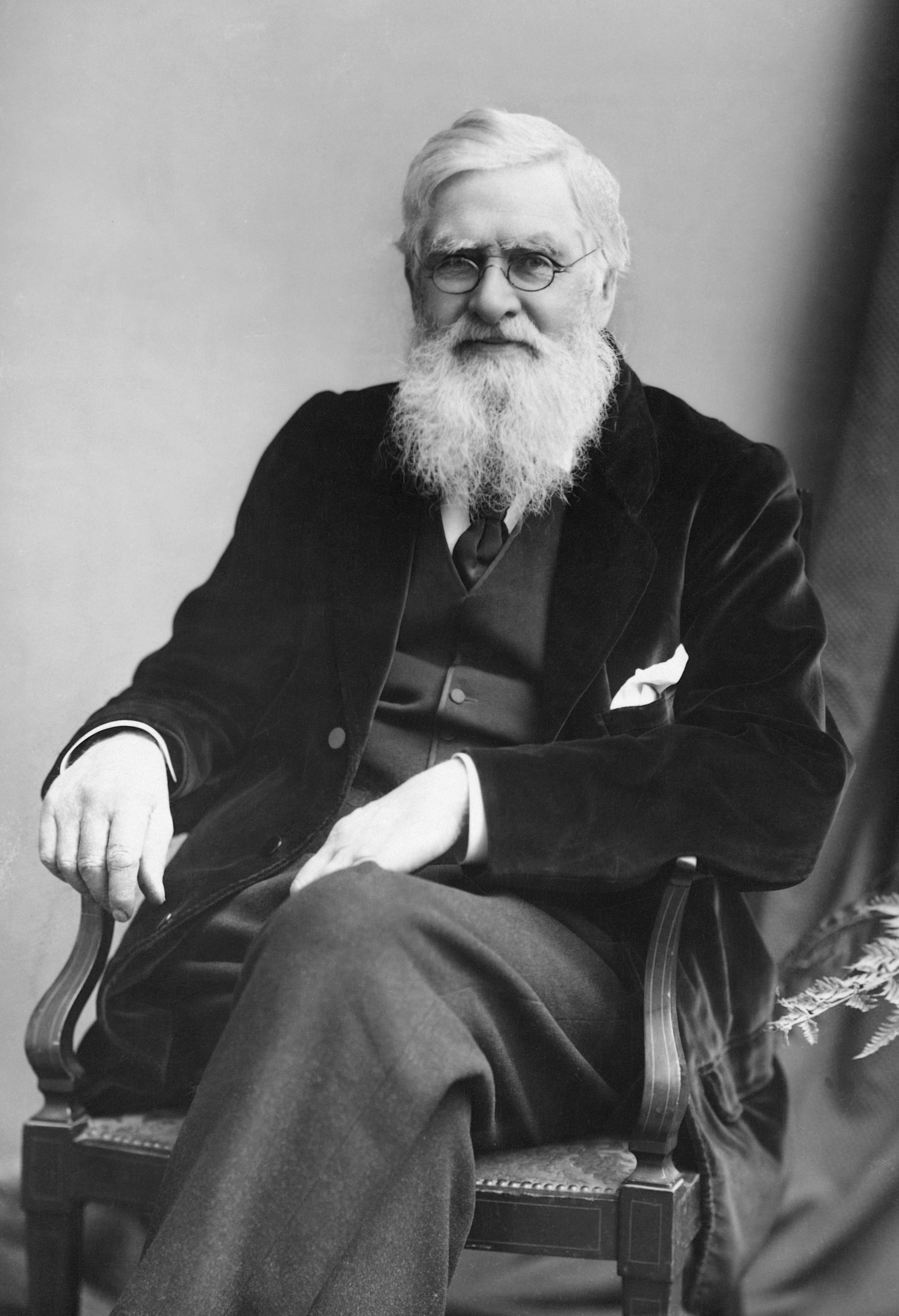
Thomas Henry Huxley was an influential English biologist and anthropologist, renowned for his expertise in comparative anatomy and his vigorous defense of Charles Darwin's theory of evolution. Often referred to as 'Darwin's Bulldog,' Huxley played a pivotal role in the public acceptance of evolutionary theory, most notably during the famous 1860 debate at Oxford against Samuel Wilberforce. This confrontation not only marked a significant moment in the evolution discourse but also solidified Huxley's reputation as a leading advocate for scientific thought in an era dominated by religious tradition. Although initially hesitant about certain aspects of Darwin's ideas, such as gradualism and natural selection, Huxley's unwavering support for Darwin's work was instrumental in advancing the scientific community's acceptance of evolution. In addition to his advocacy for evolution, Huxley made substantial contributions to the field of education, championing the importance of scientific literacy in Britain. He coined the term 'agnosticism' in 1869, which he later elaborated on to articulate the limits of human knowledge and the nature of belief. Huxley's legacy extends beyond his scientific contributions; he is remembered as a key figure in the struggle between science and religion, and his work laid the groundwork for modern biology and the public understanding of science. His writings and teachings continue to influence both scientific inquiry and philosophical discourse today.
Famous Quotes
View all 18 quotes“Sit down before fact as a little child, be prepared to give up every preconceived notion, follow humbly wherever and to whatever abysses nature leads, or you shall learn nothing. I have only begun to learn content and peace of mind since I have resolved at all risks to do this.””
“I am too much of a skeptic to deny the possibility of anything.””
“The man of science has learned to believe in justification, not by faith, but by verification.””
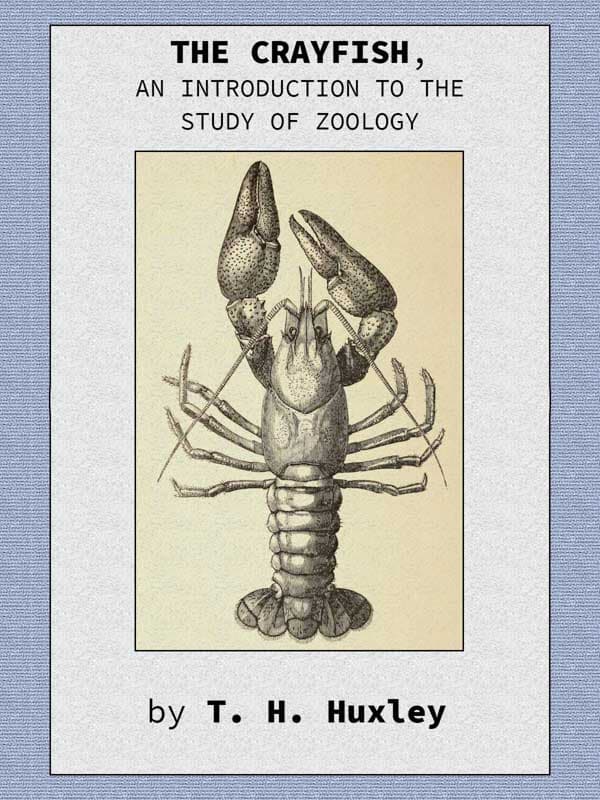
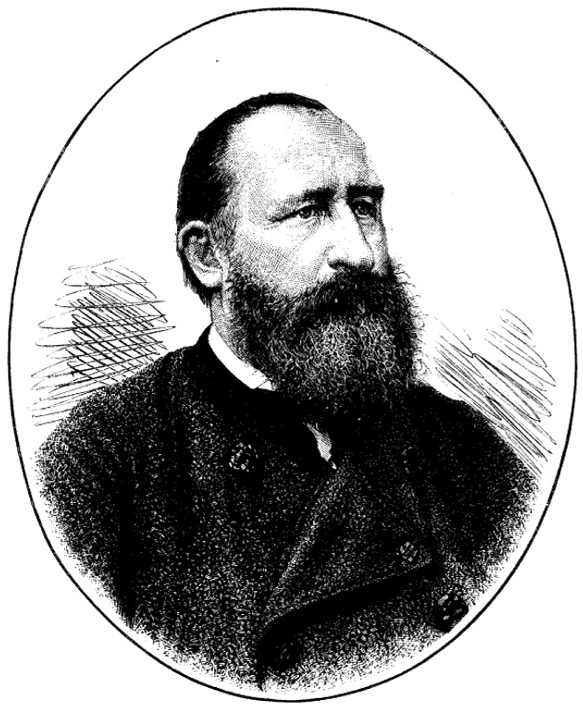
Books from the author



Link to this page
Add a free, dofollow link to Lex on your blog, forum, syllabus, or reading list.

<a href="https://lex-books.com/author/thomas-henry-huxley"><img src="https://lex-books.com/badges/read-on-lex.svg" alt="Thomas Henry Huxley on Lex" width="160" height="40"></a>[](https://lex-books.com/author/thomas-henry-huxley)[url=https://lex-books.com/author/thomas-henry-huxley][img]https://lex-books.com/badges/read-on-lex.svg[/img][/url]Thomas Henry Huxley on Lex: https://lex-books.com/author/thomas-henry-huxley