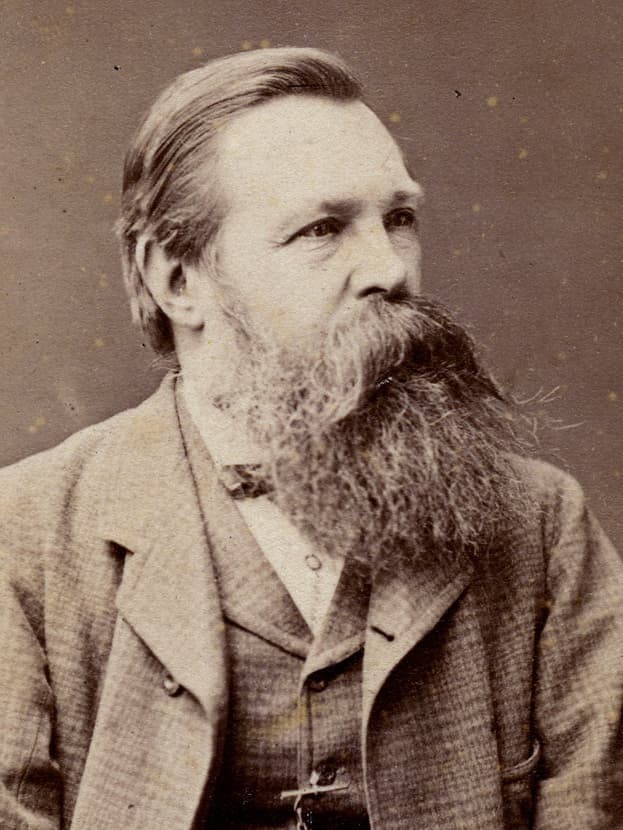
Friedrich Engels
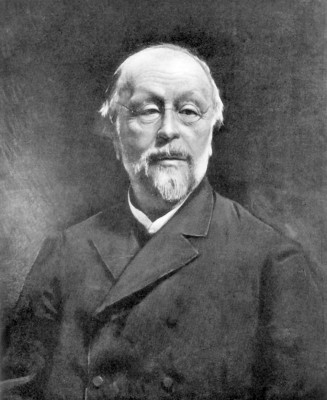
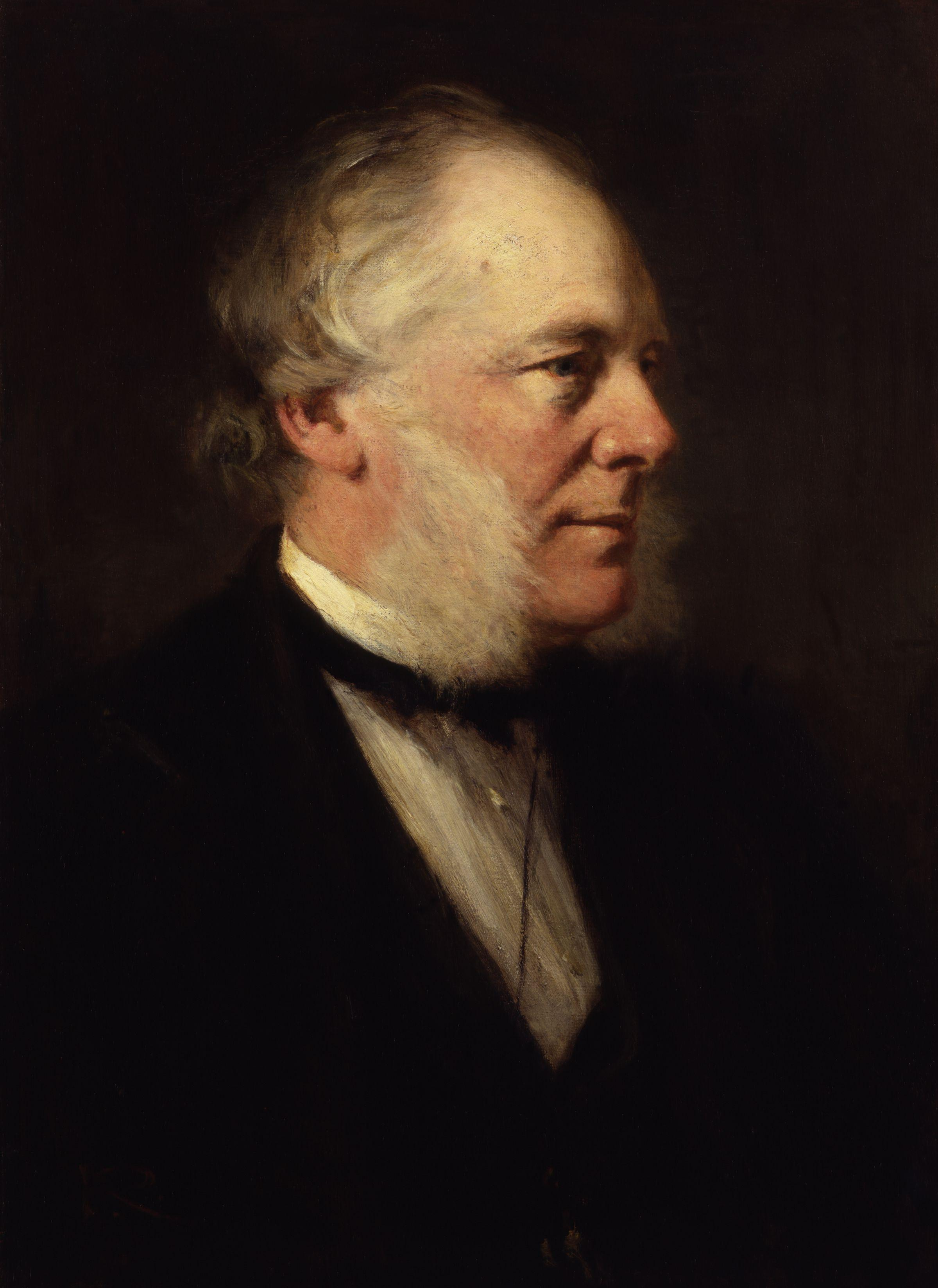
Friedrich Engels was a German philosopher, political theorist, and revolutionary socialist, best known for his collaboration with Karl Marx in the development of Marxist theory. Born into a wealthy textile manufacturing family in Barmen, Prussia, Engels became acutely aware of the harsh realities of industrial life while living in Manchester, England. His observations culminated in his seminal work, The Condition of the Working Class in England (1845), which critiqued the capitalist system and highlighted the plight of workers. This experience laid the groundwork for his lifelong commitment to socialism and social justice. Engels met Marx in 1844, and their partnership proved to be one of the most significant in political thought. Together, they authored influential texts such as The Communist Manifesto (1848) and The German Ideology (written 1846), which articulated the principles of communism and critiqued contemporary philosophical thought. Engels also played a crucial role in supporting Marx financially, allowing him to focus on his writing. After Marx's death, Engels continued to promote their ideas, editing and publishing the later volumes of Das Kapital. His own works, including Anti-Dühring (1878) and Socialism: Utopian and Scientific (1880), further established his legacy as a foundational figure in Marxism, influencing generations of political thought and action.
Famous Quotes
View all 3 quotes“An ounce of action is worth a ton of theory.”
“If there were no Frenchwomen, life wouldn't be worth living.”
“The emancipation of woman will only be possible when woman can take part in production on a large, social scale, and domestic work no longer claims anything but an insignificant amount of her time.”
Books from the author




Link to this page
Add a free, dofollow link to Lex on your blog, forum, syllabus, or reading list.

<a href="https://lex-books.com/author/friedrich-engels"><img src="https://lex-books.com/badges/read-on-lex.svg" alt="Friedrich Engels on Lex" width="160" height="40"></a>[](https://lex-books.com/author/friedrich-engels)[url=https://lex-books.com/author/friedrich-engels][img]https://lex-books.com/badges/read-on-lex.svg[/img][/url]Friedrich Engels on Lex: https://lex-books.com/author/friedrich-engels