Psychologie Des Temps Nouveaux
1920
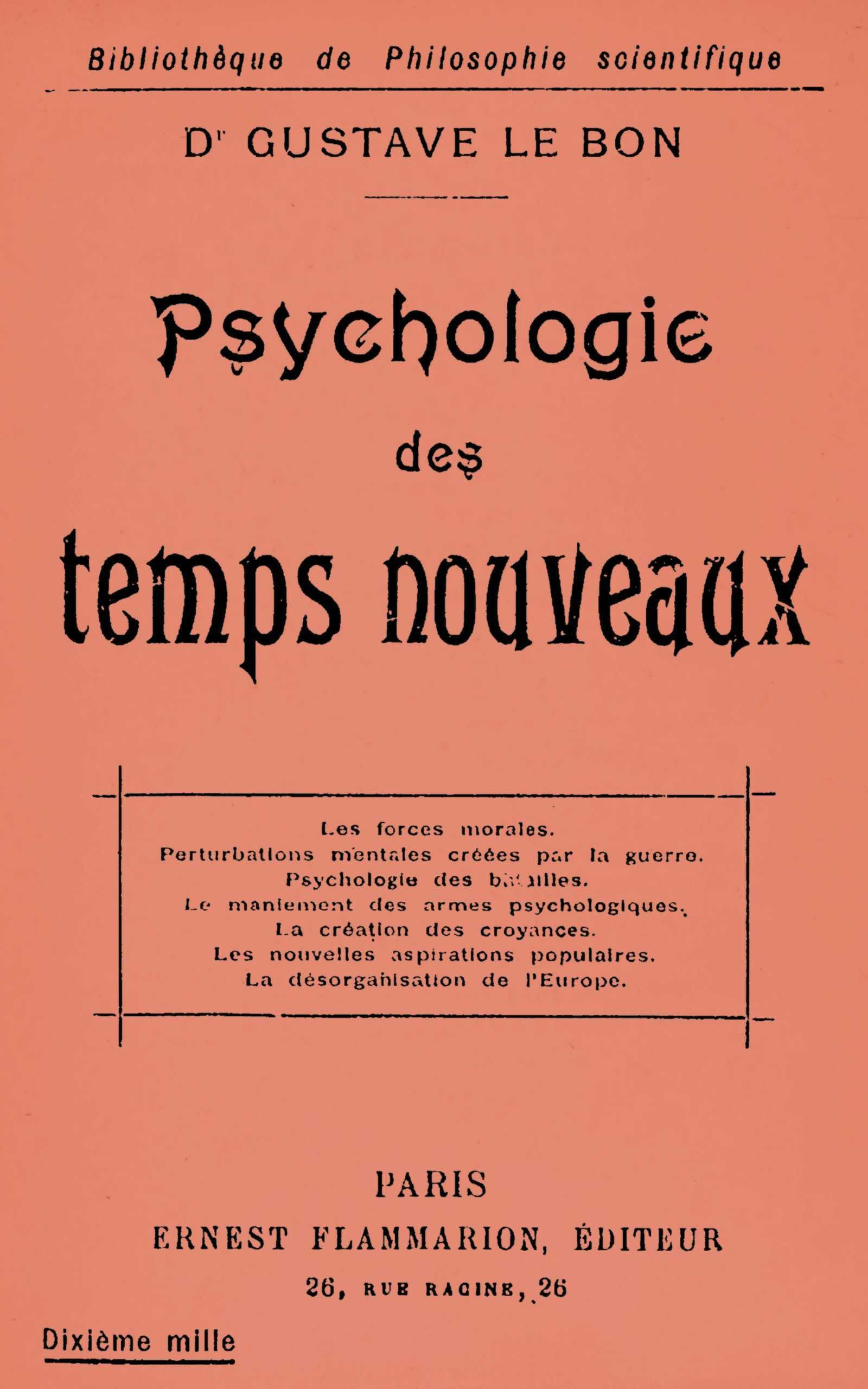
Psychologie Des Temps Nouveaux
1920
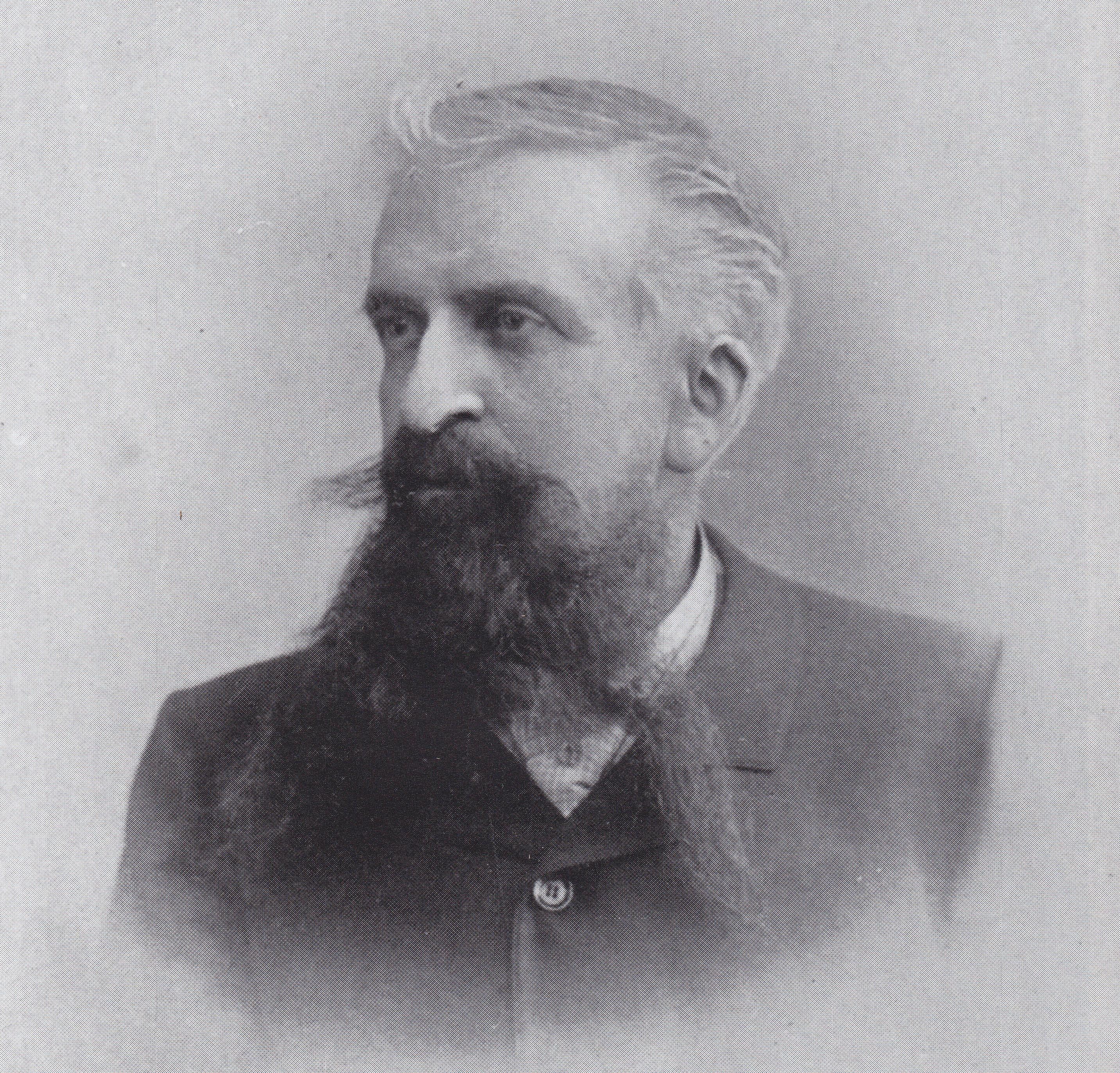
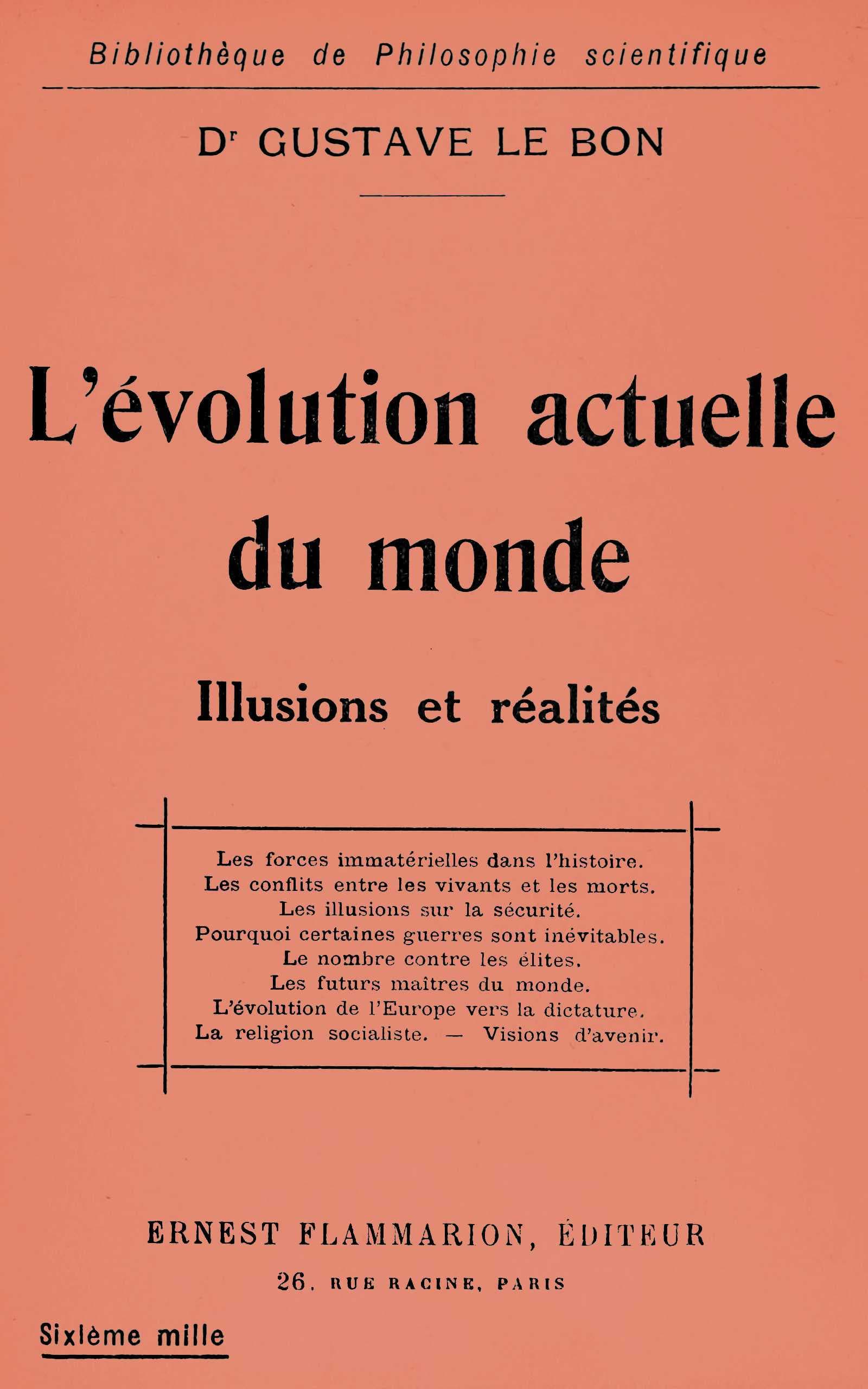
Written in the blood-soaked aftermath of the Great War, this is Gustave Le Bon's reckoning with a civilization that walked willingly into catastrophe. The father of crowd psychology, whose earlier work on collective behavior had already reshaped how we understand mass movements, returns here to examine what the war revealed about the psychological foundations of nations. Le Bon argues that the conflict proved the bankruptcy of prewar rationalism, that smug faith in progress that told European masses wars were impossible. Instead, he writes, the war acted as a brutal laboratory, exposing how deeply irrational forces govern political life, how sentiment and character trump reason in determining national destinies. His analysis ranges from the psychology of warfare itself to the moral transformation that follows when civilizations break their own taboos. Written with the cool precision of a man who watched everything he believed about modernity collapse, this book stands as an essential document for understanding not just the interwar crisis, but the permanent tension between our rational self-image and our tribal instincts.
Editions
Link to this book
Add a free, dofollow link to Lex on your blog, forum, syllabus, or reading list.

<a href="https://lex-books.com/book/psychologie-des-temps-nouveaux-4ad6da98-429e-4e0e-87f2-faca0df5f21e"><img src="https://lex-books.com/badges/read-on-lex.svg" alt="Read Psychologie Des Temps Nouveaux by Gustave Le Bon free on Lex" width="160" height="40"></a>[](https://lex-books.com/book/psychologie-des-temps-nouveaux-4ad6da98-429e-4e0e-87f2-faca0df5f21e)[url=https://lex-books.com/book/psychologie-des-temps-nouveaux-4ad6da98-429e-4e0e-87f2-faca0df5f21e][img]https://lex-books.com/badges/read-on-lex.svg[/img][/url]Read Psychologie Des Temps Nouveaux by Gustave Le Bon free on Lex: https://lex-books.com/book/psychologie-des-temps-nouveaux-4ad6da98-429e-4e0e-87f2-faca0df5f21eCite this book
Reading this edition for a paper or guide? Copy a citation.
Bon, Gustave Le. Psychologie Des Temps Nouveaux. Lex, lex-books.com/book/psychologie-des-temps-nouveaux-4ad6da98-429e-4e0e-87f2-faca0df5f21e.Bon, G. L. (1920). Psychologie Des Temps Nouveaux. Lex. https://lex-books.com/book/psychologie-des-temps-nouveaux-4ad6da98-429e-4e0e-87f2-faca0df5f21eBon, Gustave Le. Psychologie Des Temps Nouveaux. Lex. https://lex-books.com/book/psychologie-des-temps-nouveaux-4ad6da98-429e-4e0e-87f2-faca0df5f21e.