Lois Psychologiques De L'évolution Des Peuples
1894
Lois Psychologiques De L'évolution Des Peuples
1894
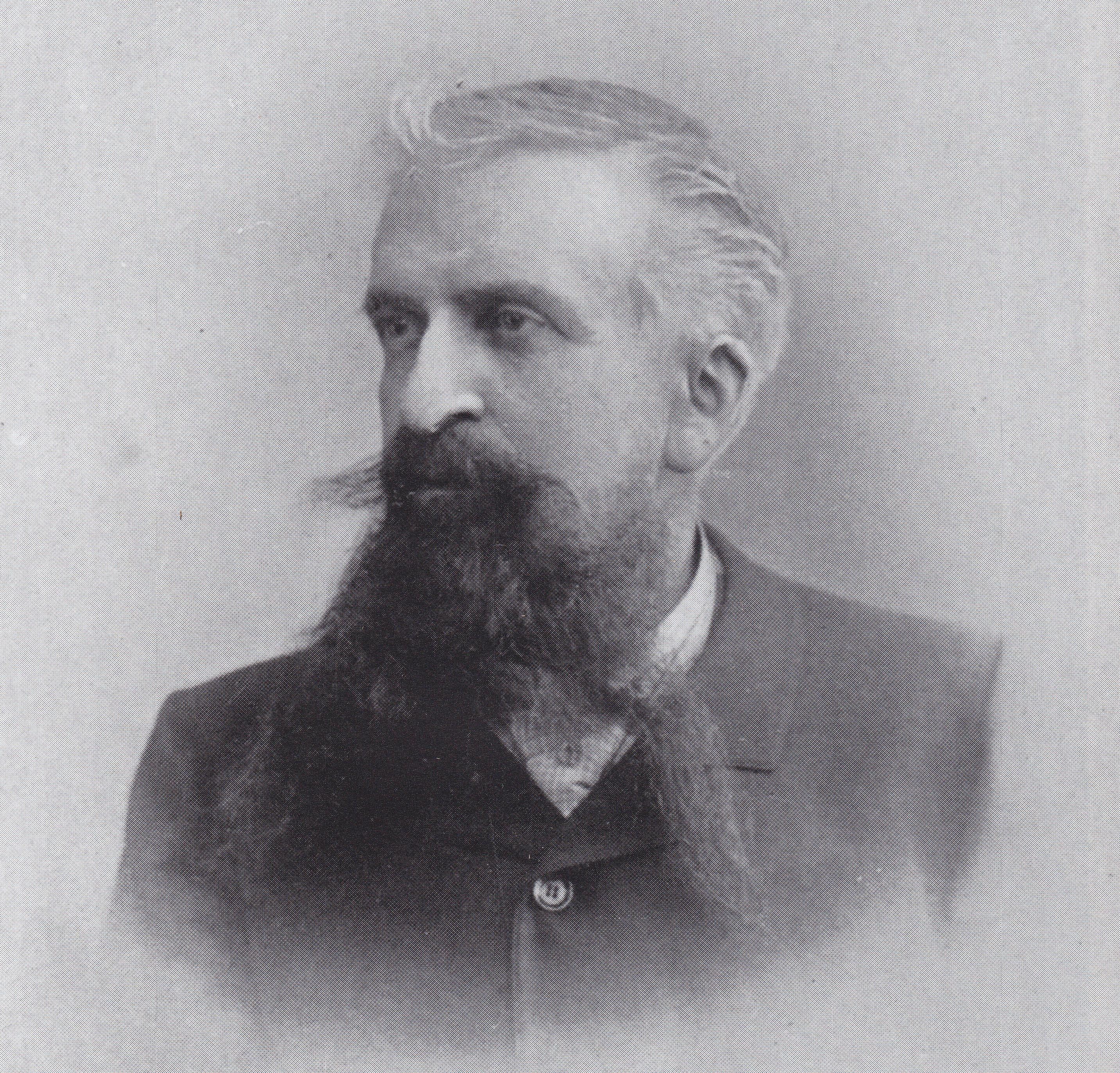
Gustave Le Bon was already developing the ideas that would make him famous when he published this treatise in 1894, the year before his landmark work on crowd psychology. Here, he turns his attention from transient crowds to enduring peoples, arguing that civilizations rise and fall according to measurable psychological laws buried in the racial character of their inhabitants. Le Bon contends that a nation's institutions, arts, and intellectual life are not the products of deliberate design but rather expressions of an underlying collective soul fixed by heredity. Education and political structures, he argues, are superficial remedies that cannot transform the fundamental psychological type of a people. Drawing on historical examples and contemporary anthropology of the era, Le Bon constructs an argument that places race at the center of historical causation. The text represents a significant moment in the emergence of social psychology as a discipline, though its conclusions have been thoroughly discredited by modern genetics and anthropology. For readers interested in the intellectual history of the late 19th century, it offers a disturbing window into how brilliant minds rationalized hierarchy before the century's catastrophic consequences became clear.
Editions
X-Ray
“قوة الأمم بأخلاقها لا بذكائها ، و الذكاء يساعد على البحث في أسرار الطبيعة و الانتفاع بقواها ، و الأخلاق تعلّم السير و مكافحة ضروب الاعتداء بنجاح””
— Gustave Le Bon
Link to this book
Add a free, dofollow link to Lex on your blog, forum, syllabus, or reading list.

<a href="https://lex-books.com/book/lois-psychologiques-de-l-volution-des-peuples-0e44a80e-a3d0-4dfd-ba6c-c09bb2ac7f28"><img src="https://lex-books.com/badges/read-on-lex.svg" alt="Read Lois Psychologiques De L'évolution Des Peuples by Gustave Le Bon free on Lex" width="160" height="40"></a>[](https://lex-books.com/book/lois-psychologiques-de-l-volution-des-peuples-0e44a80e-a3d0-4dfd-ba6c-c09bb2ac7f28)[url=https://lex-books.com/book/lois-psychologiques-de-l-volution-des-peuples-0e44a80e-a3d0-4dfd-ba6c-c09bb2ac7f28][img]https://lex-books.com/badges/read-on-lex.svg[/img][/url]Read Lois Psychologiques De L'évolution Des Peuples by Gustave Le Bon free on Lex: https://lex-books.com/book/lois-psychologiques-de-l-volution-des-peuples-0e44a80e-a3d0-4dfd-ba6c-c09bb2ac7f28Cite this book
Reading this edition for a paper or guide? Copy a citation.
Bon, Gustave Le. Lois Psychologiques De L'évolution Des Peuples. Lex, lex-books.com/book/lois-psychologiques-de-l-volution-des-peuples-0e44a80e-a3d0-4dfd-ba6c-c09bb2ac7f28.Bon, G. L. (1894). Lois Psychologiques De L'évolution Des Peuples. Lex. https://lex-books.com/book/lois-psychologiques-de-l-volution-des-peuples-0e44a80e-a3d0-4dfd-ba6c-c09bb2ac7f28Bon, Gustave Le. Lois Psychologiques De L'évolution Des Peuples. Lex. https://lex-books.com/book/lois-psychologiques-de-l-volution-des-peuples-0e44a80e-a3d0-4dfd-ba6c-c09bb2ac7f28.