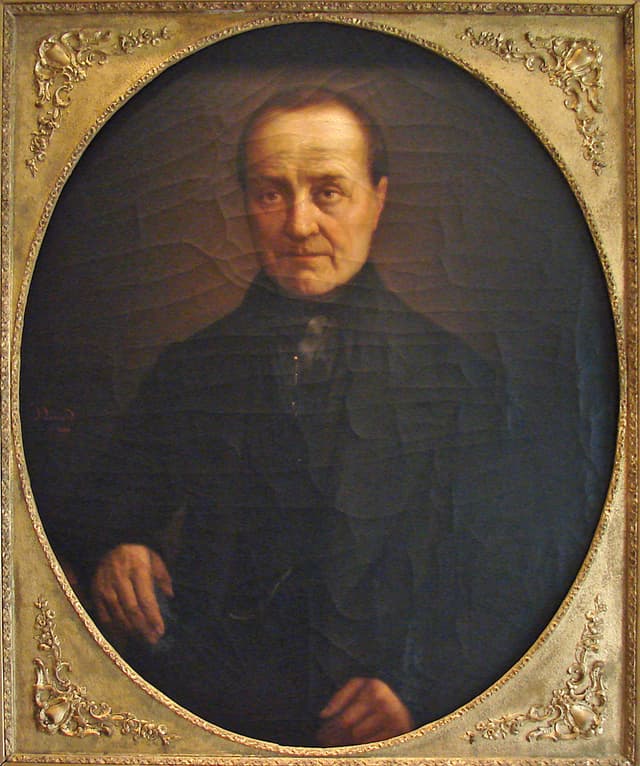
Auguste Comte
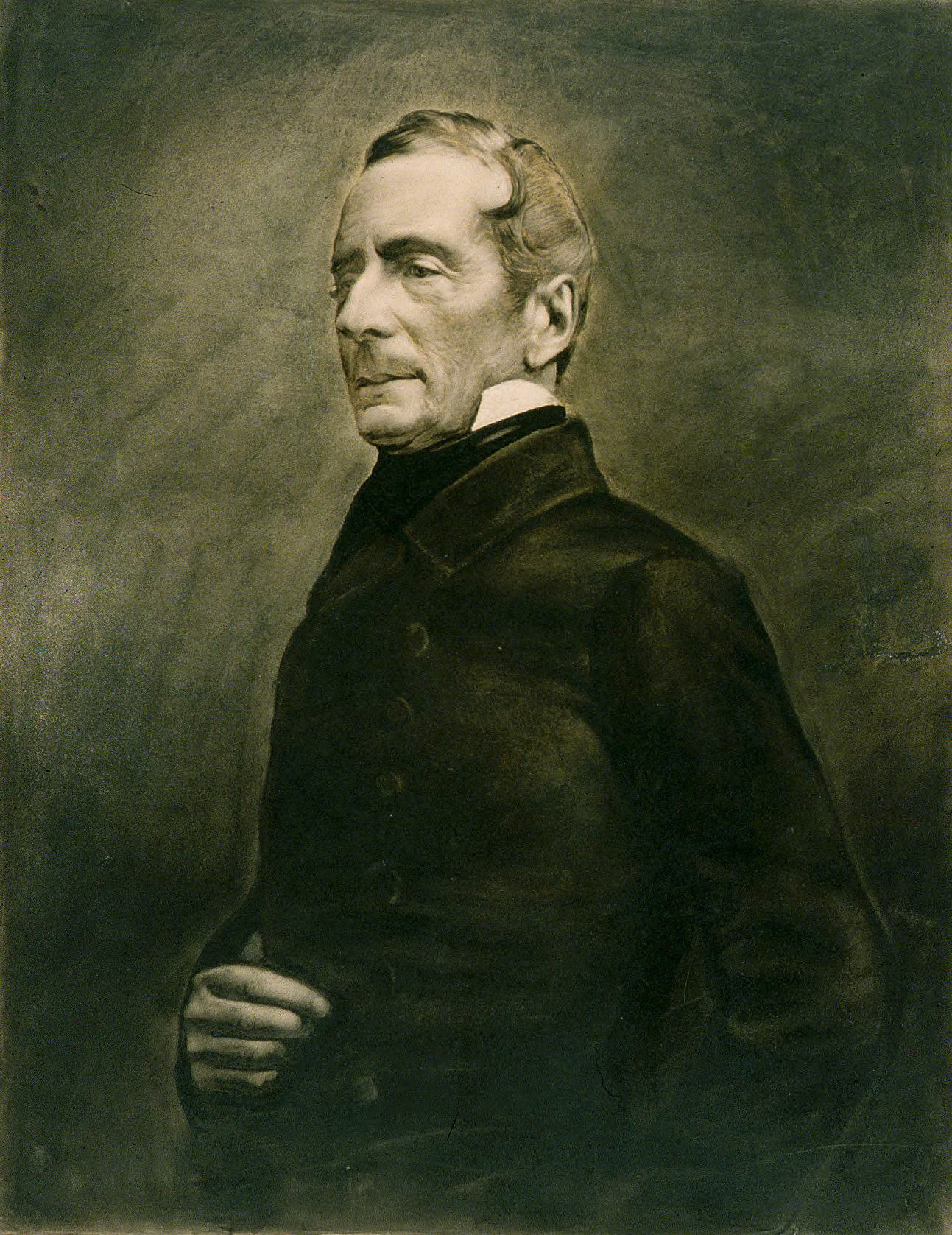
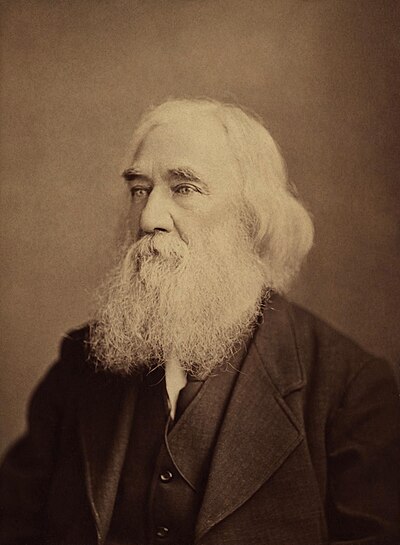
Auguste Comte was a French philosopher and mathematician who is best known for founding the doctrine of positivism and for being a pivotal figure in the development of sociology. Born in a time of social upheaval following the French Revolution, Comte sought to address the chaos of his era by proposing a new social doctrine grounded in scientific principles. He coined the term 'sociology' and viewed it as the pinnacle of scientific achievement, emphasizing the importance of empirical observation and rational analysis in understanding society. His works laid the groundwork for future social theorists and significantly influenced the field of social sciences. Comte's ideas extended beyond sociology; he introduced the concept of altruism and envisioned a 'Religion of Humanity' that aimed to provide a moral framework without reliance on traditional theistic beliefs. His influence reached notable thinkers such as John Stuart Mill and George Eliot, and his theories set the stage for later developments in social research, particularly through the work of Émile Durkheim. Comte's legacy endures in the realms of philosophy and social science, where his emphasis on scientific methodology and social evolution continues to resonate with contemporary thought.
Famous Quotes
View all 10 quotes“The sacred formula of positivism: love as a principle, the order as a foundation, and progress as a goal.””
“Religion is an illusion of childhood, outgrown under proper education.””
“From the study of the development of human intelligence, in all directions, and through all times, the discovery arises of a great fundamental law, to which it is necessarily subject, and which has a solid foundation of proof, both in the facts of our organization and in our historical experience. . In other words, the human mind, by its nature, employs in its progress three methods of philosophizing, the character of which is essentially different, and even radically opposed: namely, the theological method, the metaphysical, and the positive. Hence arise three philosophies, or general systems of conceptions on the aggregate of phenomena, each of which excludes the others. The first is the necessary point of departure of the human understanding, and the third is its fixed and definitive state. The second is merely a state of transition.””
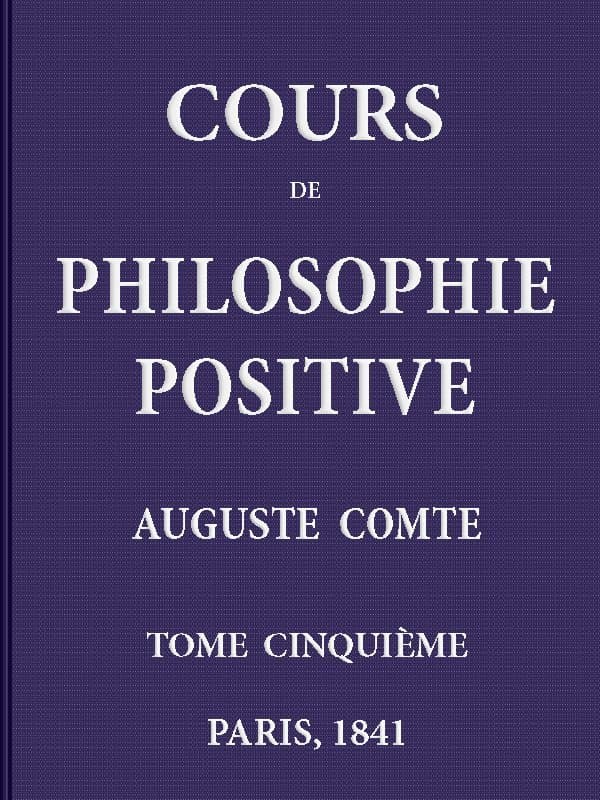
Books from the author





Link to this page
Add a free, dofollow link to Lex on your blog, forum, syllabus, or reading list.

<a href="https://lex-books.com/author/auguste-comte"><img src="https://lex-books.com/badges/read-on-lex.svg" alt="Auguste Comte on Lex" width="160" height="40"></a>[](https://lex-books.com/author/auguste-comte)[url=https://lex-books.com/author/auguste-comte][img]https://lex-books.com/badges/read-on-lex.svg[/img][/url]Auguste Comte on Lex: https://lex-books.com/author/auguste-comte