The Crowd
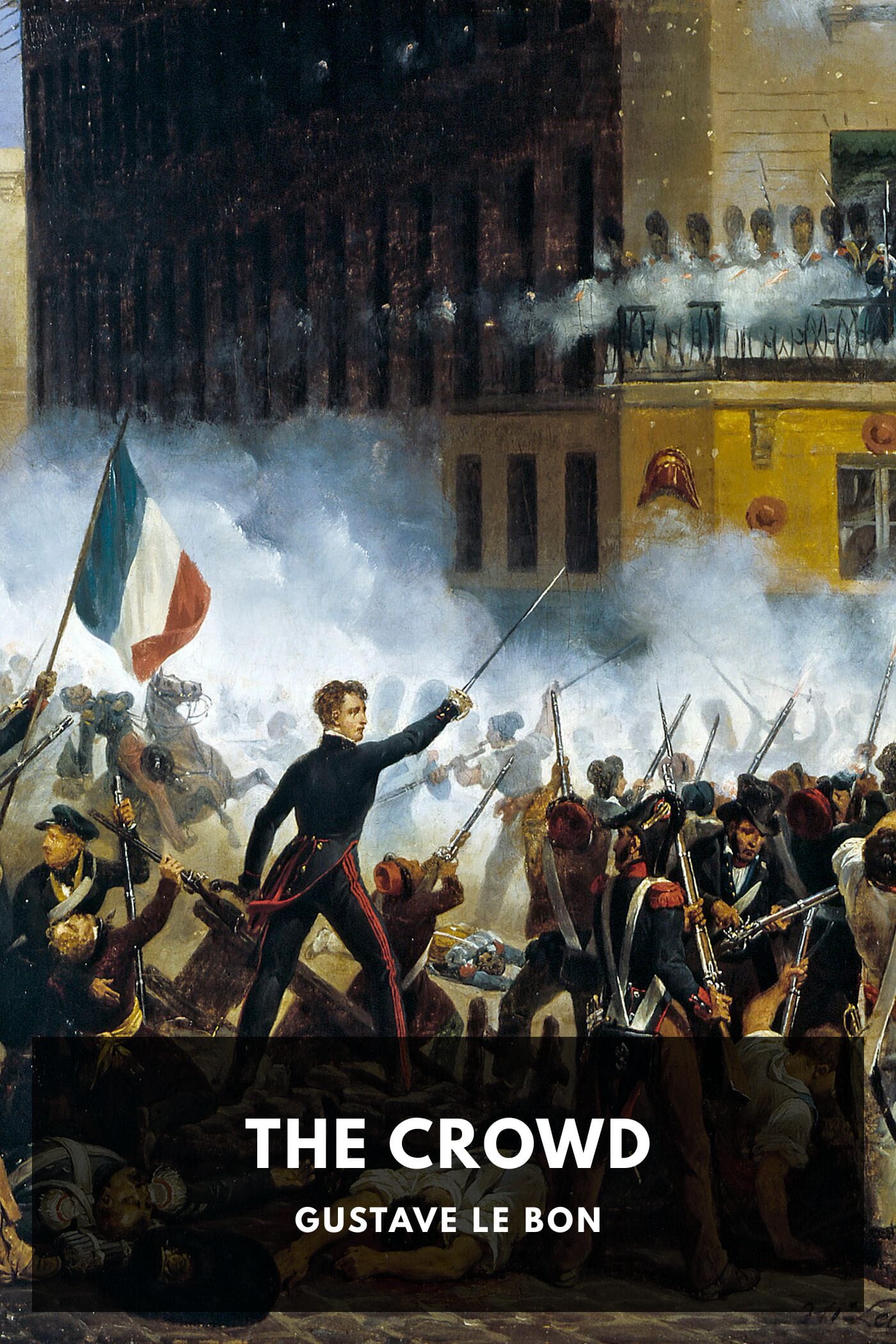
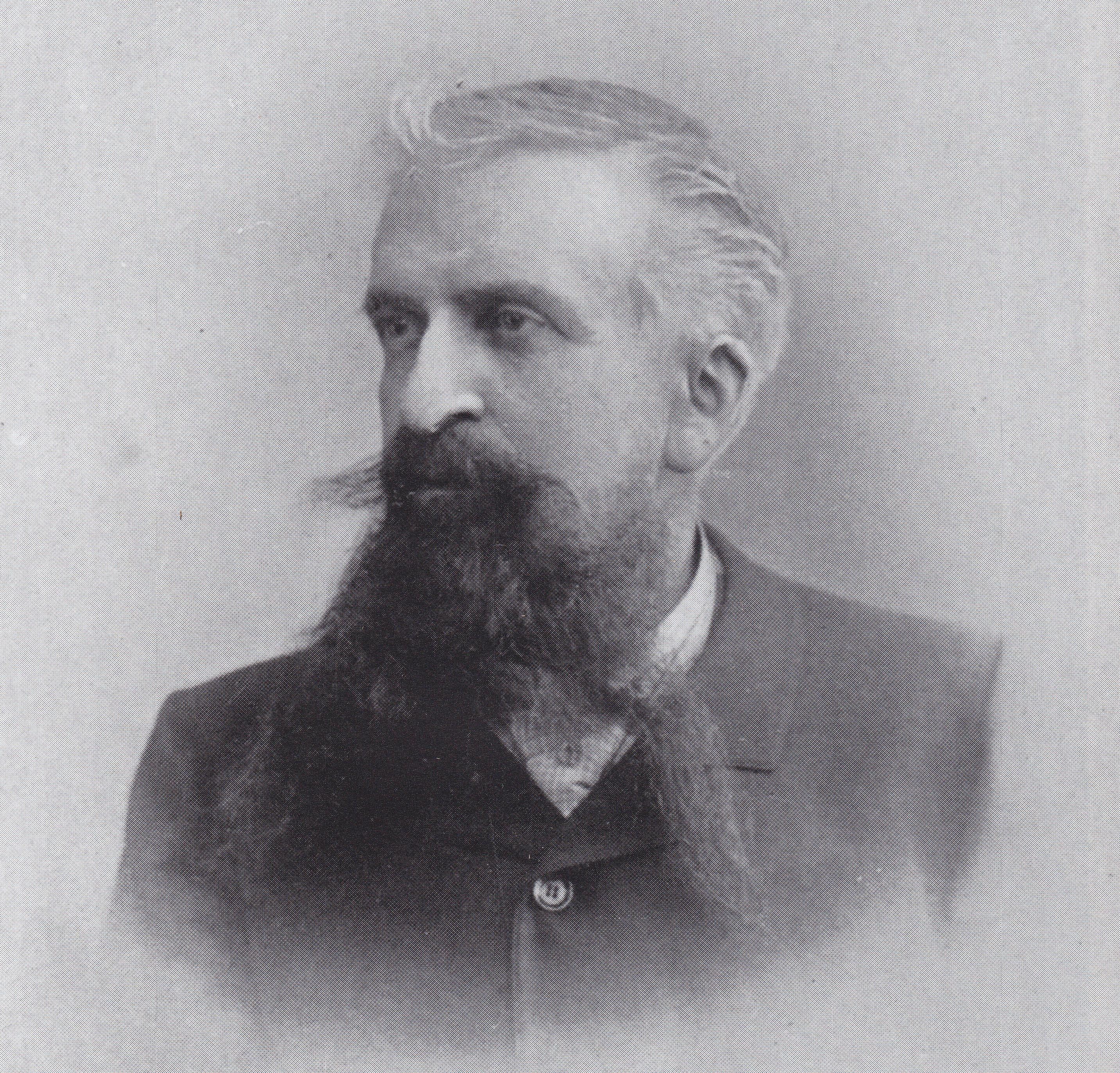
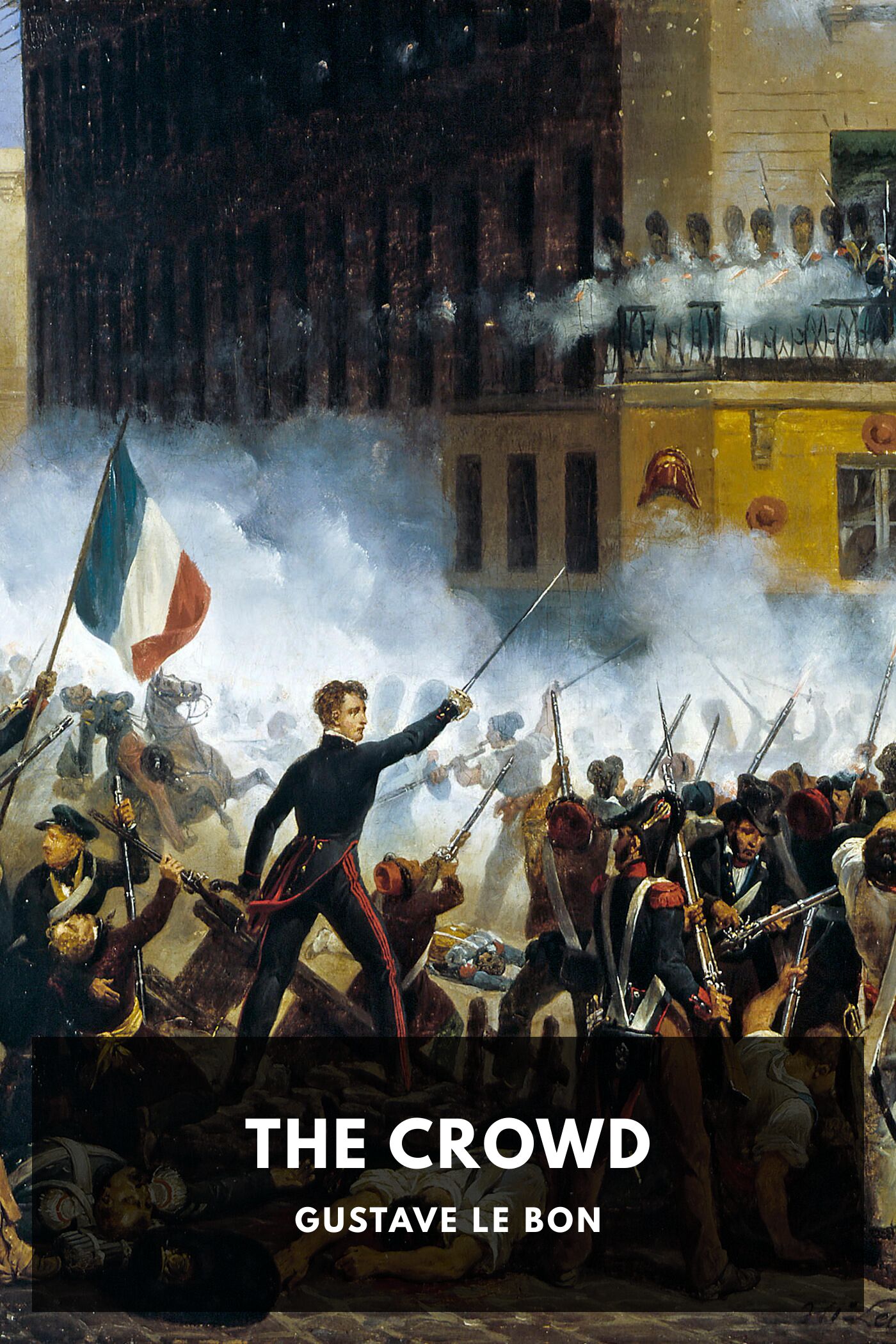
Gustave Le Bon's seminal 1895 work, *The Crowd*, dissects the emergent phenomenon of collective behavior in an age of democratic upheaval and industrialization. Witnessing the Paris Commune firsthand, Le Bon posits that modern society is increasingly governed not by kings or elites, but by the irrational, easily swayed masses. He argues that individuals within a crowd shed their personal responsibility, becoming susceptible to primal instincts, hyper-emotionality, and the hypnotic influence of charismatic, often unintelligent, leaders. This psychological transformation, Le Bon contends, renders crowds inherently conservative in thought, prone to violence, and ultimately destructive to the fabric of civilization. More than a century later, Le Bon's cynical yet eerily prescient analysis remains disturbingly relevant. While some of his conclusions are dated, his core insights into the mechanics of groupthink, the power of suggestion, and the allure of strongmen continue to resonate in our hyper-connected, often polarized world. *The Crowd* isn't just a historical curiosity; it's a foundational text that profoundly influenced figures from Freud to Hitler, offering a stark, unflinching mirror to the darker impulses of collective humanity and providing critical context for understanding the populist movements and demagoguery that persist today.
Editions


Link to this book
Add a free, dofollow link to Lex on your blog, forum, syllabus, or reading list.

<a href="https://lex-books.com/book/the-crowd-f7bce403-5e57-47c3-832d-022cb76043ac"><img src="https://lex-books.com/badges/read-on-lex.svg" alt="Read The Crowd by Gustave Le Bon free on Lex" width="160" height="40"></a>[](https://lex-books.com/book/the-crowd-f7bce403-5e57-47c3-832d-022cb76043ac)[url=https://lex-books.com/book/the-crowd-f7bce403-5e57-47c3-832d-022cb76043ac][img]https://lex-books.com/badges/read-on-lex.svg[/img][/url]Read The Crowd by Gustave Le Bon free on Lex: https://lex-books.com/book/the-crowd-f7bce403-5e57-47c3-832d-022cb76043acCite this book
Reading this edition for a paper or guide? Copy a citation.
Bon, Gustave Le. The Crowd. Lex, lex-books.com/book/the-crowd-f7bce403-5e57-47c3-832d-022cb76043ac.Bon, G. L. (n.d.). The Crowd. Lex. https://lex-books.com/book/the-crowd-f7bce403-5e57-47c3-832d-022cb76043acBon, Gustave Le. The Crowd. Lex. https://lex-books.com/book/the-crowd-f7bce403-5e57-47c3-832d-022cb76043ac.