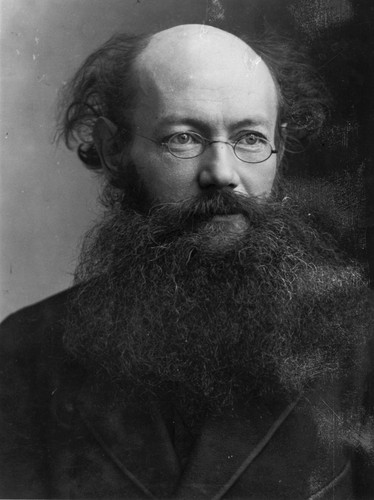
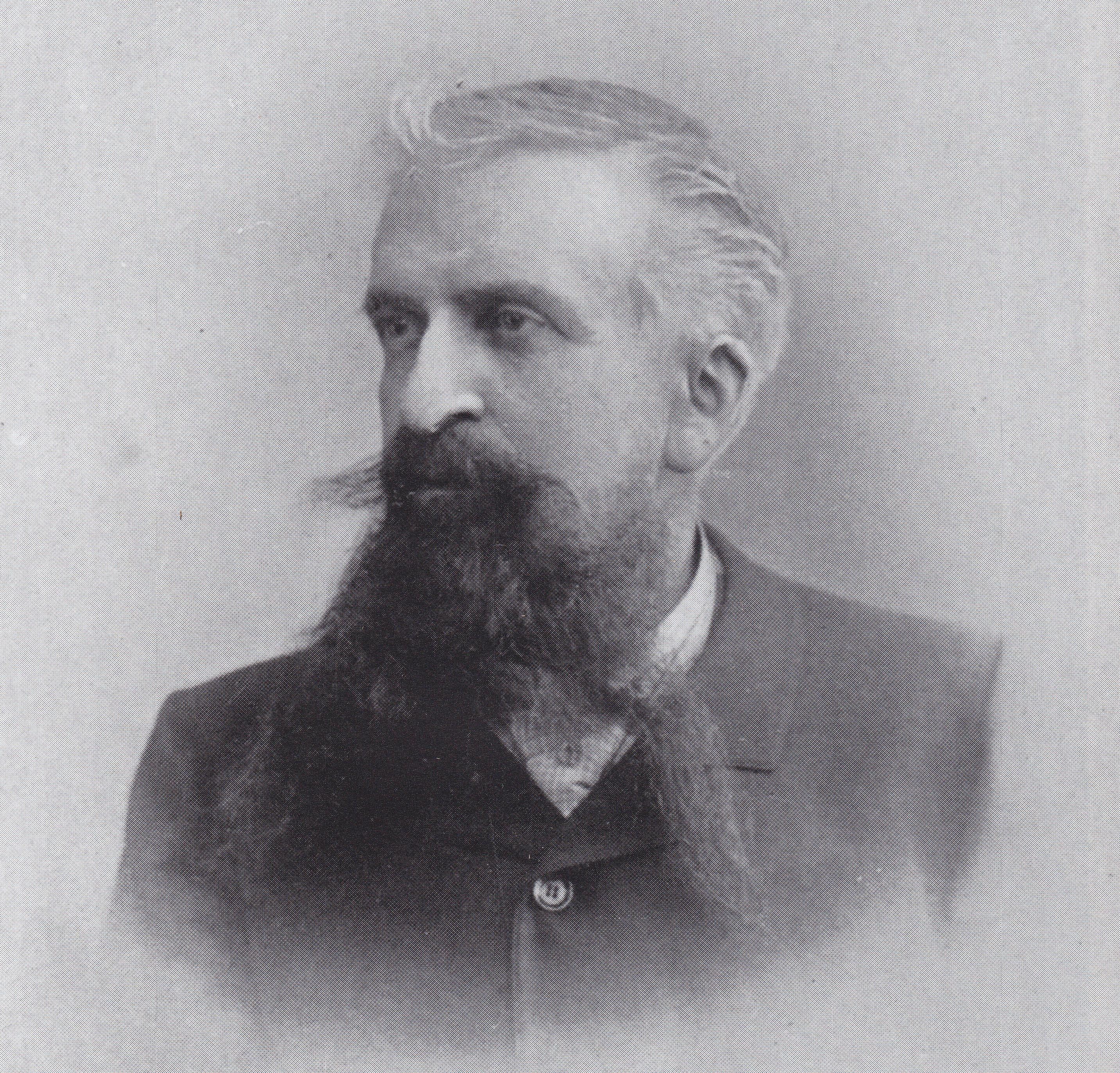
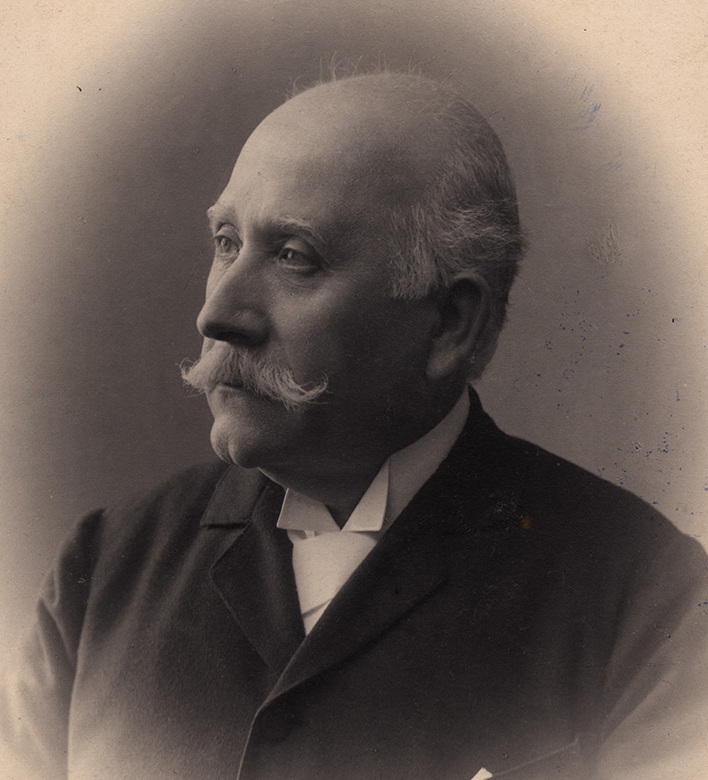
Petr Alekseevich, kniaz Kropotkin
Petr Alekseevich Kropotkin was a Russian prince, geographer, and prominent anarchist theorist who became one of the most influential figures in the development of anarchist philosophy. Born into a noble family, Kropotkin's early life was marked by privilege, yet he rejected the aristocratic lifestyle to pursue a life dedicated to social justice and revolutionary thought. His travels across Siberia and his studies of natural sciences informed his belief in mutual aid as a fundamental principle of human society, which he articulated in his seminal work, 'Mutual Aid: A Factor of Evolution.' This work challenged the prevailing notions of social Darwinism and emphasized cooperation over competition in both nature and human societies. Kropotkin's writings extended beyond theoretical anarchism; he was also a prolific journalist and activist, advocating for the rights of workers and the oppressed. His other notable works include 'The Conquest of Bread' and 'Fields, Factories and Workshops,' where he outlined his vision for a decentralized, self-managed society. Kropotkin's ideas significantly influenced various social movements and leftist thought throughout the 20th century. His legacy endures in contemporary discussions of anarchism, ecology, and social organization, marking him as a pivotal figure in the history of political philosophy and activism.
Famous Quotes
View all 1 quotes“In our civilized societies we are rich. Why then are the many poor? Why this painful drudgery for the masses? Why, even to the best paid workman, this uncertainty for the morrow, in the midst of all the wealth inherited from the past, and in spite of the powerful means of production, which could ensure comfort to all, in return for a few hours of daily toil?””
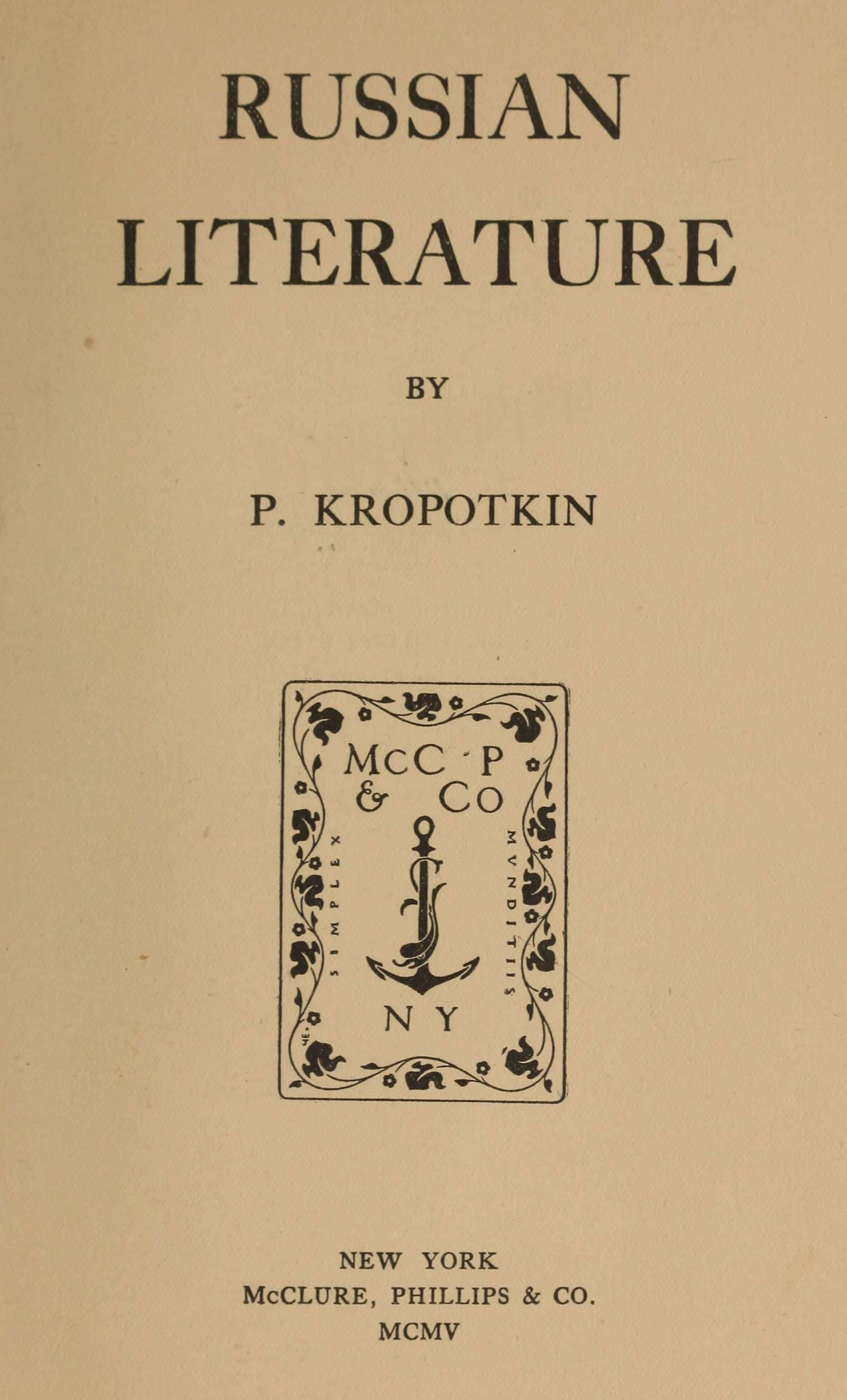
Books from the author


Link to this page
Add a free, dofollow link to Lex on your blog, forum, syllabus, or reading list.

<a href="https://lex-books.com/author/petr-alekseevich-kniaz-kropotkin"><img src="https://lex-books.com/badges/read-on-lex.svg" alt="Petr Alekseevich, kniaz Kropotkin on Lex" width="160" height="40"></a>[](https://lex-books.com/author/petr-alekseevich-kniaz-kropotkin)[url=https://lex-books.com/author/petr-alekseevich-kniaz-kropotkin][img]https://lex-books.com/badges/read-on-lex.svg[/img][/url]Petr Alekseevich, kniaz Kropotkin on Lex: https://lex-books.com/author/petr-alekseevich-kniaz-kropotkin