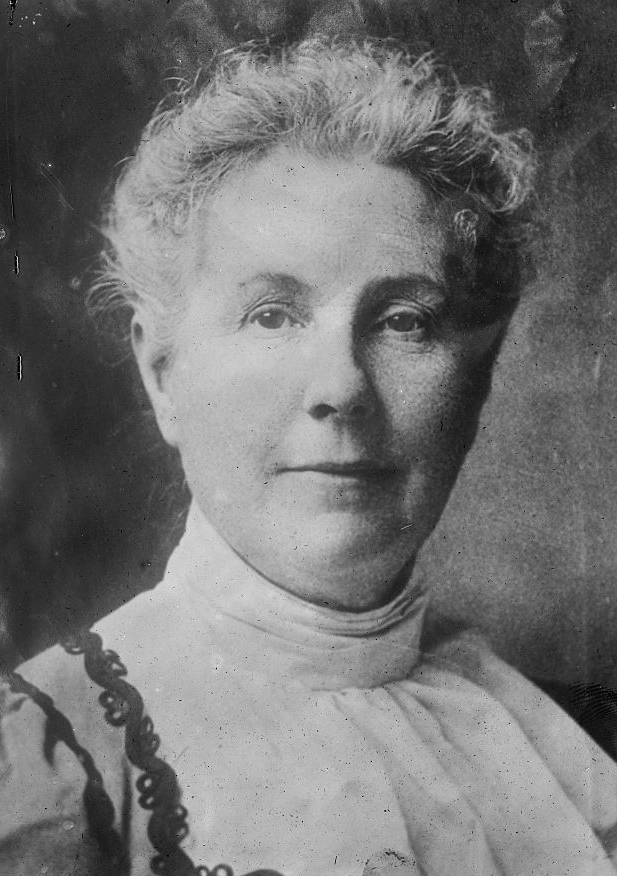
Helen Campbell
Famous Quotes
View all 2 quotes“Think of the hero's journey as perceived by Joseph Campbell. The mythical hero, usually an unlikely male, undertakes a physical journey to an unknown land. One the way, he is faced with a series of challenges that he can meet only through his superior physical strength and cunning. If he succeeds in getting through all the barriers, he wins the prize, which he can then take home for the benefit of his people. Although this model has some application to the experience of women, it is not adequate to describe what a woman must do in order to live beyond the stultifying expectations of the culture in which she's raised. If she has small children, she can't take a trip or move to a new place, and very rarely is she called upon to beat down her opponent with force. Instead, her journey is an inner one where the demons are her demons of the self. Her task as the heroine is to return from her inner journey and share her knowledge, wisdom, and energy with the people around her.””
“Campbell also calls upon critical race Theory, especially its tenet that racism is such a normal, ordinary, and natural part of Western life that no one sees or questions it.18 She adapts this to disability studies to argue that ableism is also such an ordinary form of prejudice that we do not question why we believe it is better to be able-bodied than to have an impairment. She even criticizes disabled people for having “internalized ableism””
Books from the author

Link to this page
Add a free, dofollow link to Lex on your blog, forum, syllabus, or reading list.

<a href="https://lex-books.com/author/helen-campbell"><img src="https://lex-books.com/badges/read-on-lex.svg" alt="Helen Campbell on Lex" width="160" height="40"></a>[](https://lex-books.com/author/helen-campbell)[url=https://lex-books.com/author/helen-campbell][img]https://lex-books.com/badges/read-on-lex.svg[/img][/url]Helen Campbell on Lex: https://lex-books.com/author/helen-campbell