
William Hazlitt
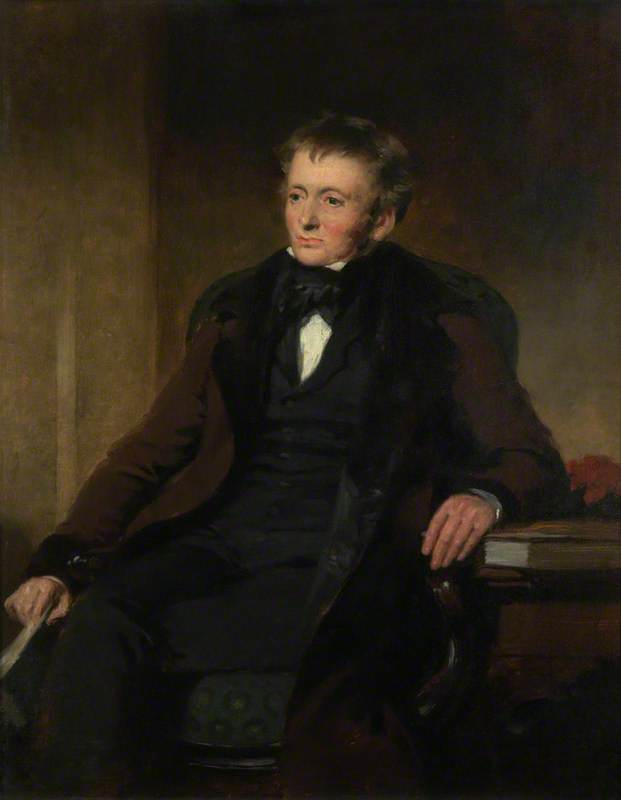
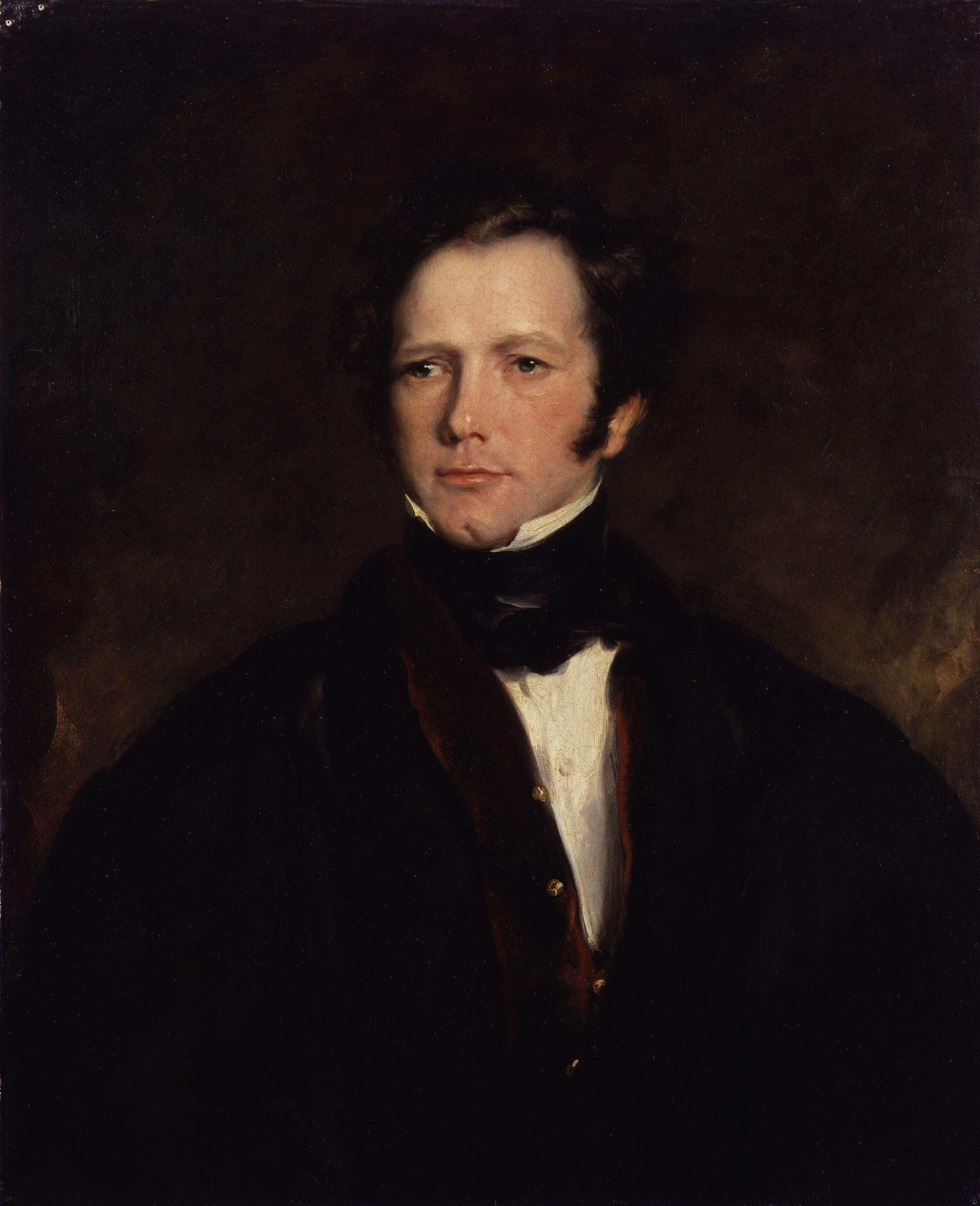
William Hazlitt was an influential English essayist, critic, and philosopher, renowned for his incisive commentary on literature and art. His essays, characterized by their passionate style and keen insights, established him as a leading figure in the realm of literary criticism, placing him alongside luminaries such as Samuel Johnson and George Orwell. Hazlitt's notable works include 'On the Pleasure of Hating,' where he explored the complexities of human emotions, and 'Table Talk,' a collection of essays reflecting on various aspects of life and culture. His ability to blend personal reflection with broader social commentary set a precedent for future essayists. In addition to his literary contributions, Hazlitt was recognized as the finest art critic of his time, providing profound analyses that influenced the appreciation of visual arts. His friendships with prominent figures like Charles and Mary Lamb, Samuel Taylor Coleridge, and John Keats enriched his perspectives and further solidified his place in the 19th-century literary landscape. Although his works are less frequently read today, Hazlitt's legacy endures through his pioneering approach to criticism and his exploration of the human condition, marking him as a significant figure in the evolution of English literature.
Famous Quotes
View all 3 quotes“The art of conversation is the art of hearing as well as of being heard.”
“The only vice that cannot be forgiven is hypocrisy. The repentance of a hypocrite is itself hypocrisy.”
“He will never have true friends who is afraid of making enemies.”
Books from the author
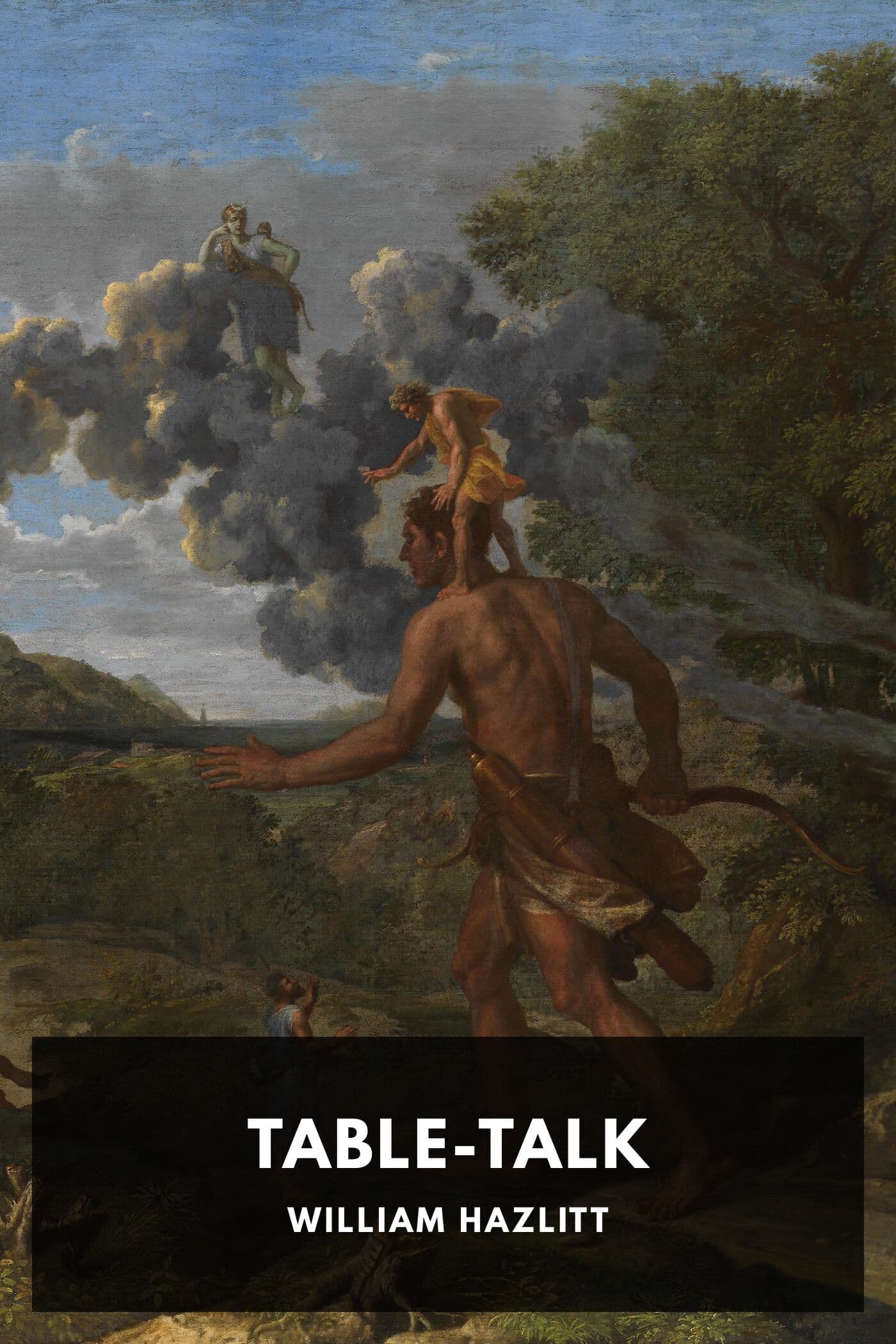
















Link to this page
Add a free, dofollow link to Lex on your blog, forum, syllabus, or reading list.

<a href="https://lex-books.com/author/william-hazlitt"><img src="https://lex-books.com/badges/read-on-lex.svg" alt="William Hazlitt on Lex" width="160" height="40"></a>[](https://lex-books.com/author/william-hazlitt)[url=https://lex-books.com/author/william-hazlitt][img]https://lex-books.com/badges/read-on-lex.svg[/img][/url]William Hazlitt on Lex: https://lex-books.com/author/william-hazlitt