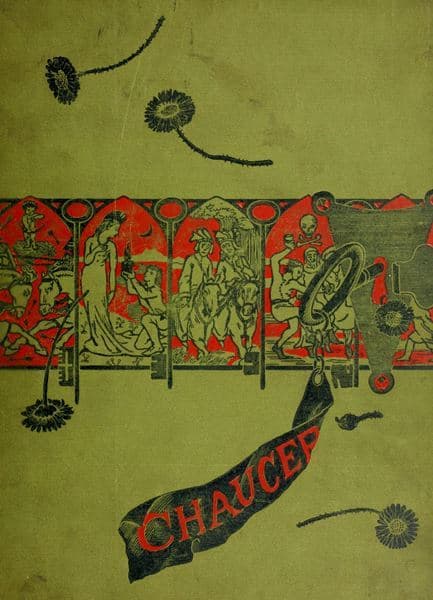
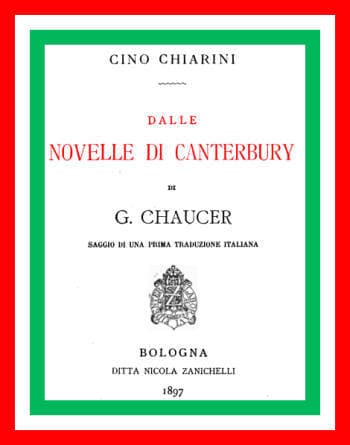
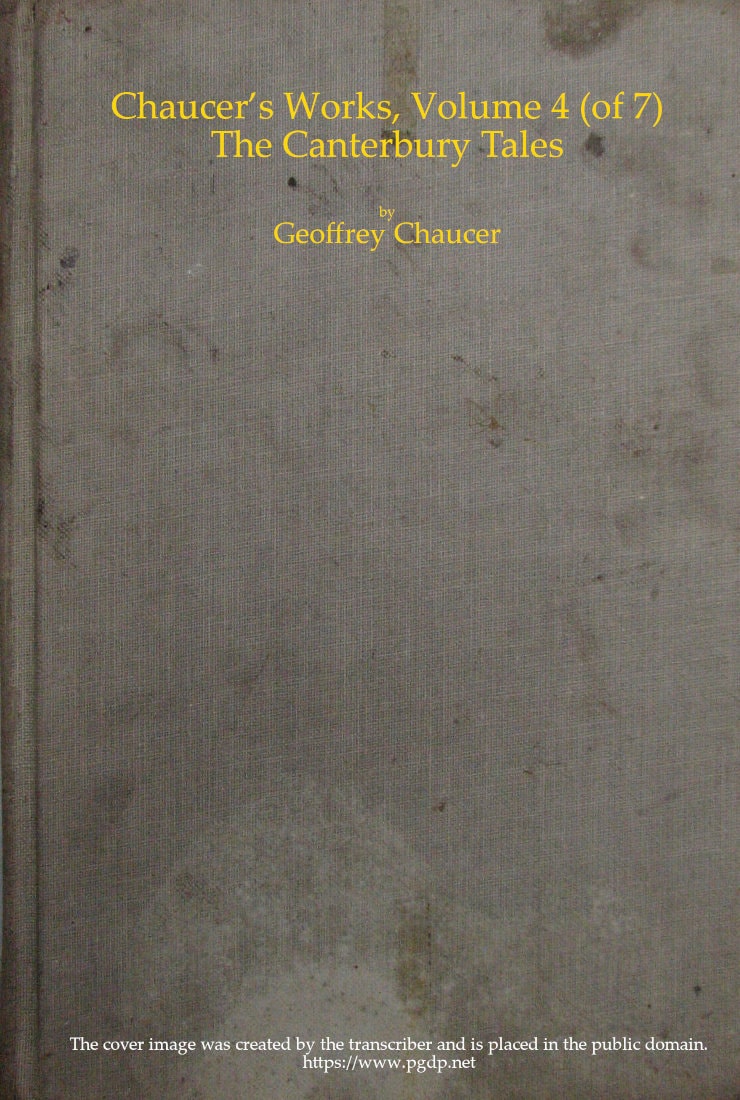
Chaucer's Works, Volume 4 — the Canterbury Tales
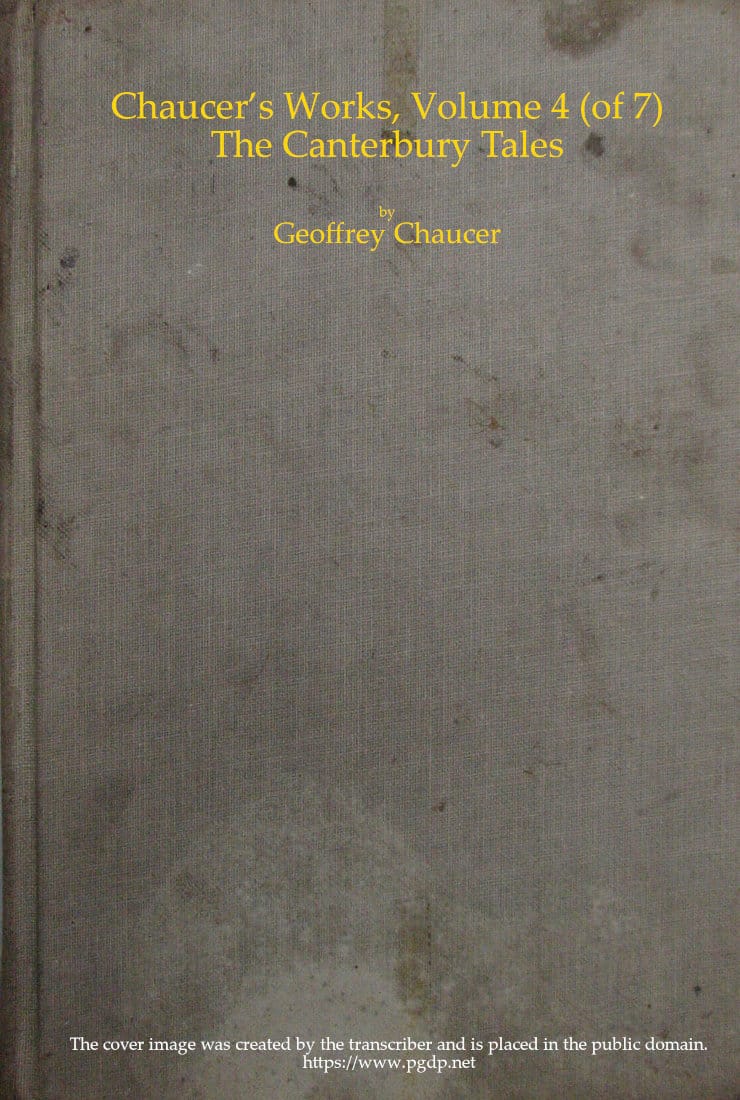
Chaucer's Works, Volume 4 — the Canterbury Tales
In 14th-century England, a group of pilgrims gathers at a Southwark inn, bound for Canterbury. To pass the time, each traveler agrees to tell two tales going and two returning. What unfolds is a dazzling exhibition of medieval life: a noble Knight recounts a tragic romance of conquest and chivalry, while the bawdy Miller responds with a scathing tale of cuckoldry and farce. The Wife of Bath commands attention with her defiant account of female desire and marital power, the Prioress offers a touching story of religious devotion, and the Pardoner preaches against greed while embodying the very sin he condemns. Chaucer wrote in English when Latin was the literary standard across Europe, and his decision to capture the living speech of his era rather than the elevated tongues of scholars was itself a revolutionary act. The result is a work of staggering vitality, where sacred pilgrimage becomes an excuse for some of the dirtiest jokes in English literature, and where every social stratum from knight to plowman gets their moment on the stage. It remains essential reading because it invented the English novel in all its messy, contradictory, irresistibly human glory.
Editions
X-Ray
“people can die of mere imagination””
— Geoffrey Chaucer
“If gold rusts, what then can iron do?””
— Geoffrey Chaucer
“No empty handed man can lure a bird””
— Geoffrey Chaucer
“Then you compared a woman's love to Hell, To barren land where water will not dwell, And you compared it to a quenchless fire, The more it burns the more is its desire To burn up everything that burnt can be. You say that just as worms destroy a tree A wife destroys her husband and contrives, As husbands know, the ruin of their lives. ””
— Geoffrey Chaucer
“Purity in body and heart May please some--as for me, I make no boast. For, as you know, no master of a household Has all of his utensils made of gold; Some are wood, and yet they are of use.””
— Geoffrey Chaucer
“Love will not be constrain'd by mastery.When mast'ry comes, the god of love anonBeateth his wings, and, farewell, he is gone.Love is a thing as any spirit free.””
— Geoffrey Chaucer
“Youth may outrun the old, but not outwit.””
— Geoffrey Chaucer
“And gladly wolde he lerne, and gladly teche.””
— Geoffrey Chaucer
“Whan that Aprill with his shoures sooteThe droghte of March hath perced to the roote,And bathed every veyne in switch licourOf which vertu engendred is the flour;Whan Zephirus eek with his sweete breethInspired hath in every holt and heethThe tendre croppes, and the yonge sonneHath in the Ram his half cours yronne,And smale foweles maken melodye,That slepen al the nyght with open ye(So Priketh hem Nature in hir corages),Thanne longen folk to goon on pilgrimages,And palmeres for to seken straunge strondes,To ferne halwes, kowthe in sondry londes;And specially from every shires endeOf Engelond to Caunterbury they wende,The hooly blisful martir for to seke,That hem hath holpen whan that they were seeke””
— Geoffrey Chaucer
Link to this book
Add a free, dofollow link to Lex on your blog, forum, syllabus, or reading list.

<a href="https://lex-books.com/book/chaucer-s-works-volume-4-the-canterbury-tales-fdf851aa-1211-4713-b8d7-5cf1bdef96e0"><img src="https://lex-books.com/badges/read-on-lex.svg" alt="Read Chaucer's Works, Volume 4 — the Canterbury Tales by Geoffrey Chaucer free on Lex" width="160" height="40"></a>[](https://lex-books.com/book/chaucer-s-works-volume-4-the-canterbury-tales-fdf851aa-1211-4713-b8d7-5cf1bdef96e0)[url=https://lex-books.com/book/chaucer-s-works-volume-4-the-canterbury-tales-fdf851aa-1211-4713-b8d7-5cf1bdef96e0][img]https://lex-books.com/badges/read-on-lex.svg[/img][/url]Read Chaucer's Works, Volume 4 — the Canterbury Tales by Geoffrey Chaucer free on Lex: https://lex-books.com/book/chaucer-s-works-volume-4-the-canterbury-tales-fdf851aa-1211-4713-b8d7-5cf1bdef96e0Cite this book
Reading this edition for a paper or guide? Copy a citation.
Chaucer, Geoffrey. Chaucer's Works, Volume 4 — the Canterbury Tales. Lex, lex-books.com/book/chaucer-s-works-volume-4-the-canterbury-tales-fdf851aa-1211-4713-b8d7-5cf1bdef96e0.Chaucer, G. (n.d.). Chaucer's Works, Volume 4 — the Canterbury Tales. Lex. https://lex-books.com/book/chaucer-s-works-volume-4-the-canterbury-tales-fdf851aa-1211-4713-b8d7-5cf1bdef96e0Chaucer, Geoffrey. Chaucer's Works, Volume 4 — the Canterbury Tales. Lex. https://lex-books.com/book/chaucer-s-works-volume-4-the-canterbury-tales-fdf851aa-1211-4713-b8d7-5cf1bdef96e0.