
Ellis Wynne
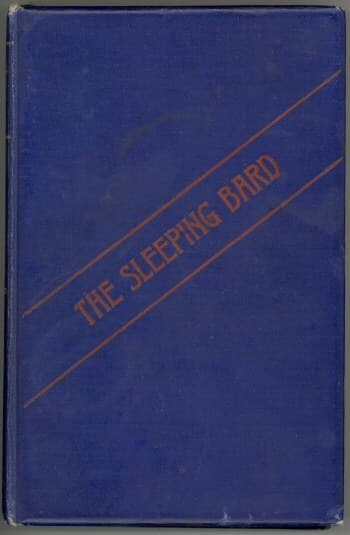
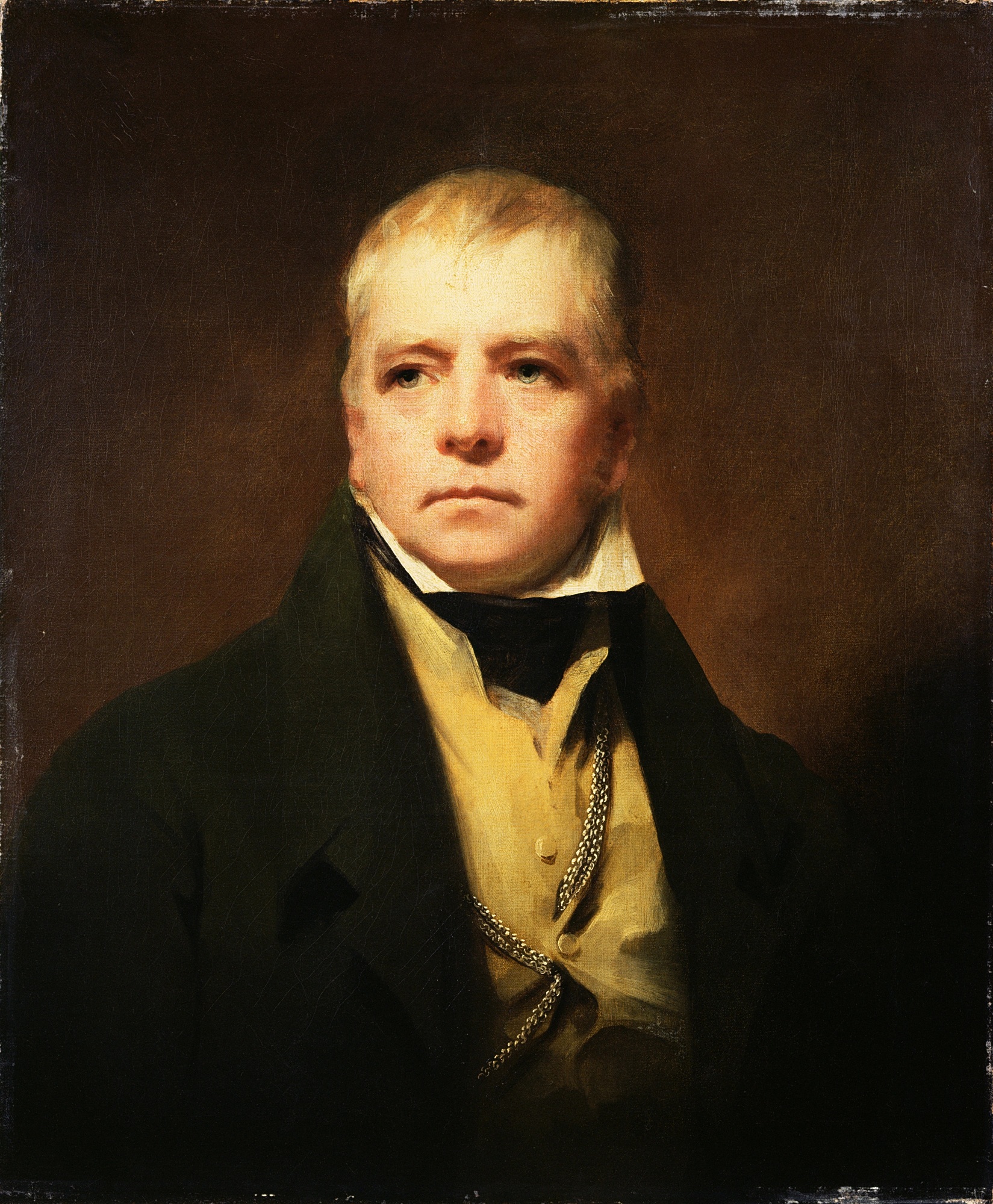
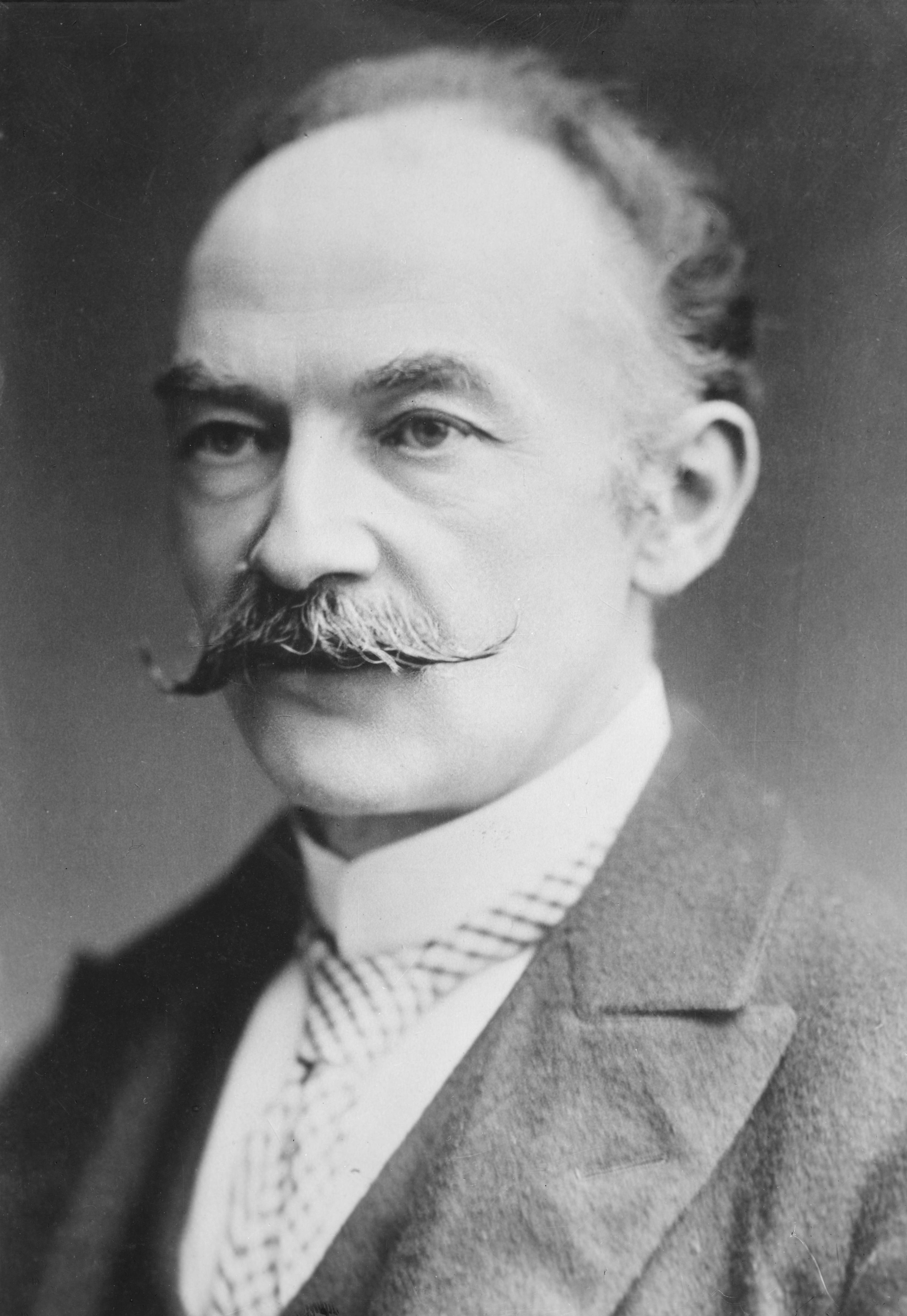
Ellis Wynne was a Welsh clergyman and a significant figure in Welsh literature, best known for his seminal work, 'Gweledigaetheu y Bardd Cwsc' (Visions of the Sleeping Bard). Written in the early 18th century, this allegorical text blends elements of mysticism and morality, presenting a series of visions that reflect Wynne's deep religious convictions and his critique of contemporary society. The work is celebrated for its imaginative narrative and its role in establishing a distinct Welsh literary tradition, influencing subsequent generations of writers and thinkers in Wales. Wynne's contributions extend beyond his literary achievements; he played a vital role in the cultural and religious life of Wales during a time of significant change. His writings not only showcased the richness of the Welsh language but also addressed moral and spiritual themes that resonated with his contemporaries. Today, Wynne is recognized as a pioneering figure in Welsh literature, whose work laid the groundwork for future literary exploration in the Welsh language and continues to be studied for its artistic and cultural significance.
Famous Quotes
View all 1 quotes“ABANDON ALL HOPE YE WHO ENTER HERE is scrawled in blood red lettering on the side of the Chemical Bank near the corner of Eleventh and First and is in print large enough to be seen from the backseat of the cab as it lurches forward in the traffic leaving Wall Street and just as Timothy Price notices the words a bus pulls up, the advertisement for Les Miserables on its side blocking his view, but Price who is with Piece and Piece and twenty-six doesn't seem to care because he tells the driver he will give him five dollars to turn up the radio, "Be My Baby" on WYNN, and the driver, black, not American, does so.””
Books from the author








Link to this page
Add a free, dofollow link to Lex on your blog, forum, syllabus, or reading list.

<a href="https://lex-books.com/author/ellis-wynne"><img src="https://lex-books.com/badges/read-on-lex.svg" alt="Ellis Wynne on Lex" width="160" height="40"></a>[](https://lex-books.com/author/ellis-wynne)[url=https://lex-books.com/author/ellis-wynne][img]https://lex-books.com/badges/read-on-lex.svg[/img][/url]Ellis Wynne on Lex: https://lex-books.com/author/ellis-wynne