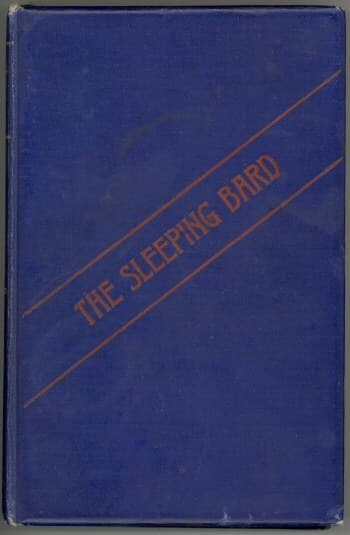
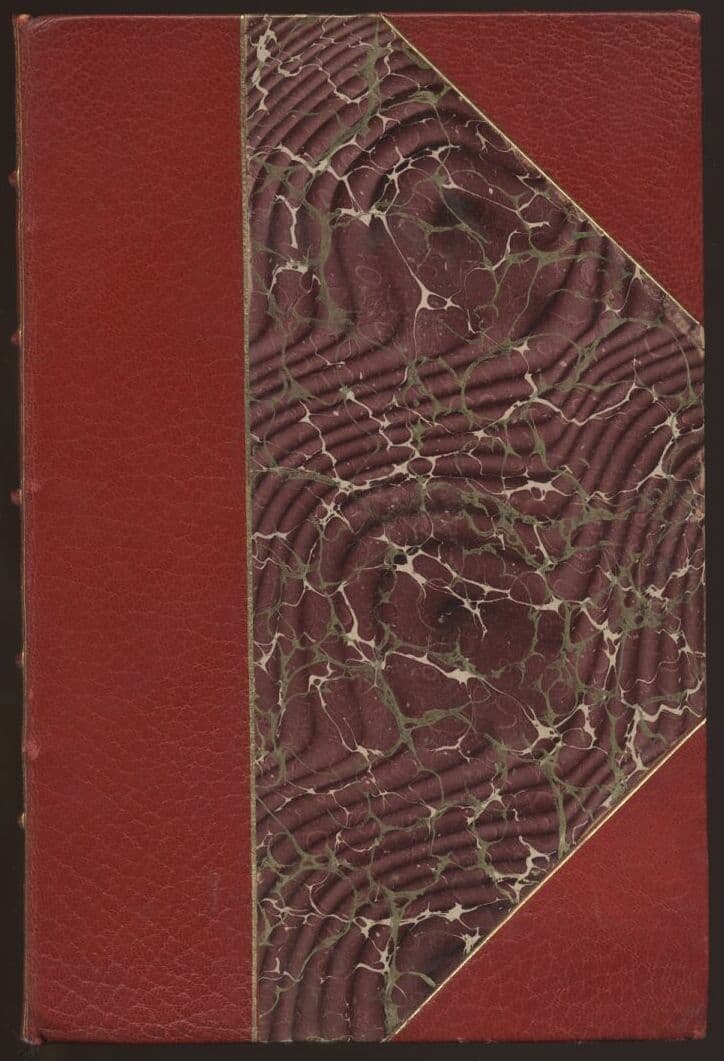
The Sleeping Bard; Or, Visions of the World, Death, and Hell
1940
The Sleeping Bard; Or, Visions of the World, Death, and Hell
1940
Translated by George Borrow
One of the great lost visions of English literature, Ellis Wynne's 1701 masterpiece finally gets the description it deserves. The Bard climbs a Welsh mountain, basks in the world's fleeting beauty, then falls into a dream that will strip that beauty bare. Fairies and angels carry him through the gates of the City of Perdition, where streets bear the names of society's great sins: Pride, Pleasure, Lucre. He watches the damned wander in their respective torments, each street a mirror held up to human folly. Then comes death itself, and the final reckoning. This is no gentle moral fable. Wynne writes with the raw intensity of a man who believed he had seen the abyss, layering Welsh Baroque wit against genuine existential terror. The verse swings between savage satire and passages of genuine awe. If you loved The Pilgrim's Progress or Paradise Lost but wished they were stranger, darker, more haunted by mortality, this is your lost classic.
Editions
Link to this book
Add a free, dofollow link to Lex on your blog, forum, syllabus, or reading list.

<a href="https://lex-books.com/book/the-sleeping-bard-or-visions-of-the-world-death-and-hell-15637072-42fd-4d7e-b937-177926ee8a89"><img src="https://lex-books.com/badges/read-on-lex.svg" alt="Read The Sleeping Bard; Or, Visions of the World, Death, and Hell by Ellis Wynne free on Lex" width="160" height="40"></a>[](https://lex-books.com/book/the-sleeping-bard-or-visions-of-the-world-death-and-hell-15637072-42fd-4d7e-b937-177926ee8a89)[url=https://lex-books.com/book/the-sleeping-bard-or-visions-of-the-world-death-and-hell-15637072-42fd-4d7e-b937-177926ee8a89][img]https://lex-books.com/badges/read-on-lex.svg[/img][/url]Read The Sleeping Bard; Or, Visions of the World, Death, and Hell by Ellis Wynne free on Lex: https://lex-books.com/book/the-sleeping-bard-or-visions-of-the-world-death-and-hell-15637072-42fd-4d7e-b937-177926ee8a89Cite this book
Reading this edition for a paper or guide? Copy a citation.
Wynne, Ellis. The Sleeping Bard; Or, Visions of the World, Death, and Hell. Lex, lex-books.com/book/the-sleeping-bard-or-visions-of-the-world-death-and-hell-15637072-42fd-4d7e-b937-177926ee8a89.Wynne, E. (1940). The Sleeping Bard; Or, Visions of the World, Death, and Hell. Lex. https://lex-books.com/book/the-sleeping-bard-or-visions-of-the-world-death-and-hell-15637072-42fd-4d7e-b937-177926ee8a89Wynne, Ellis. The Sleeping Bard; Or, Visions of the World, Death, and Hell. Lex. https://lex-books.com/book/the-sleeping-bard-or-visions-of-the-world-death-and-hell-15637072-42fd-4d7e-b937-177926ee8a89.