The Visions of the Sleeping Bard
1703
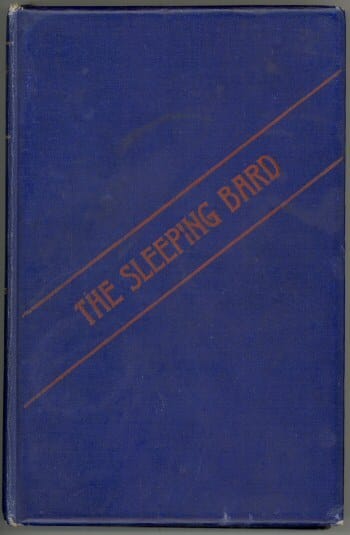
The Visions of the Sleeping Bard
1703
Translated by Robert Gwyneddon Davies
A Welsh allegorical masterpiece from 1703, The Visions of the Sleeping Bard immerses readers in a dream-vision journey through worlds of shadow and light. The Bard climbs a mountain, falls into a deep sleep, and awakens in the terrifying City of Destruction, ruled by the malevolent Prince Belial and his enchanting daughters who personify pride, pleasure, and wealth. Against this court of vice stands the shimmering City of Emmanuel, a beacon of redemption calling the wanderer toward salvation. Ellis Wynne, a Welsh clergyman, crafted this work during a period when Wales was navigating profound cultural and spiritual transitions, embedding the nation's anxieties about moral decay within richly symbolic verse. The allegory functions as both spiritual warning and social critique, revealing hypocrisy, greed, and human frailty while offering the hope of transformation. Though rooted in its era's religious conventions, the text pulses with something timeless: the universal human longing to find meaning amid destruction, to choose light over shadow. For readers of allegorical literature, students of Welsh culture, and anyone drawn to visionary writing that predates modern fiction, this work offers a remarkable window into early 18th-century thought and the enduring power of symbolic storytelling.
Editions
Link to this book
Add a free, dofollow link to Lex on your blog, forum, syllabus, or reading list.

<a href="https://lex-books.com/book/the-visions-of-the-sleeping-bard-27ad64cd-40fb-42e8-915e-64f704eb34bb"><img src="https://lex-books.com/badges/read-on-lex.svg" alt="Read The Visions of the Sleeping Bard by Ellis Wynne free on Lex" width="160" height="40"></a>[](https://lex-books.com/book/the-visions-of-the-sleeping-bard-27ad64cd-40fb-42e8-915e-64f704eb34bb)[url=https://lex-books.com/book/the-visions-of-the-sleeping-bard-27ad64cd-40fb-42e8-915e-64f704eb34bb][img]https://lex-books.com/badges/read-on-lex.svg[/img][/url]Read The Visions of the Sleeping Bard by Ellis Wynne free on Lex: https://lex-books.com/book/the-visions-of-the-sleeping-bard-27ad64cd-40fb-42e8-915e-64f704eb34bbCite this book
Reading this edition for a paper or guide? Copy a citation.
Wynne, Ellis. The Visions of the Sleeping Bard. Lex, lex-books.com/book/the-visions-of-the-sleeping-bard-27ad64cd-40fb-42e8-915e-64f704eb34bb.Wynne, E. (1703). The Visions of the Sleeping Bard. Lex. https://lex-books.com/book/the-visions-of-the-sleeping-bard-27ad64cd-40fb-42e8-915e-64f704eb34bbWynne, Ellis. The Visions of the Sleeping Bard. Lex. https://lex-books.com/book/the-visions-of-the-sleeping-bard-27ad64cd-40fb-42e8-915e-64f704eb34bb.