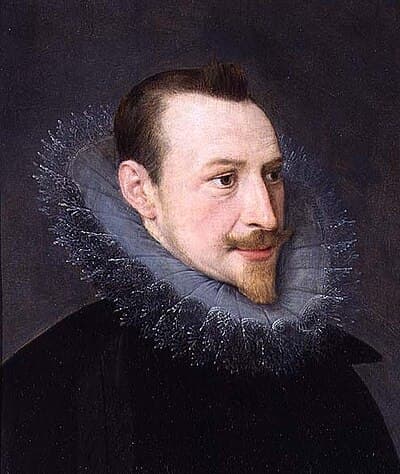
Edmund Spenser
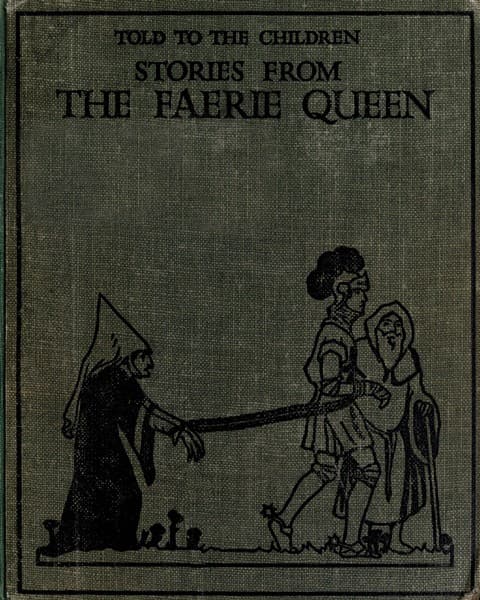
Edmund Spenser was an influential English poet renowned for his masterful contributions to early Modern English literature. His most celebrated work, The Faerie Queene, is an epic poem that intertwines allegory and fantasy to honor the Tudor dynasty and the reign of Elizabeth I. Spenser's innovative use of the English language and his unique poetic forms, particularly the Spenserian stanza, marked a significant evolution in English verse, setting the stage for future poets. Spenser's literary significance extends beyond his technical prowess; he was a key figure in the development of English poetry, blending classical influences with the emerging vernacular. His works often explored themes of virtue, chivalry, and the complexities of human experience, establishing a rich tapestry that resonated with the cultural and political landscape of his time. Spenser's legacy endures as he is celebrated not only for his contributions to the English literary canon but also for his role in shaping the poetic traditions that followed.
Famous Quotes
View all 17 quotes“For whatsoever from one place doth fall, Is with the tide unto an other brought: For there is nothing lost, that may be found, if sought.””
“What though the sea with waves continuall Doe eate the earth, it is no more at all ; Ne is the earth the lesse, or loseth ought : For whatsoever from one place doth fall Is with the tyde unto another brought : For there is nothing lost, that may be found if sought.””
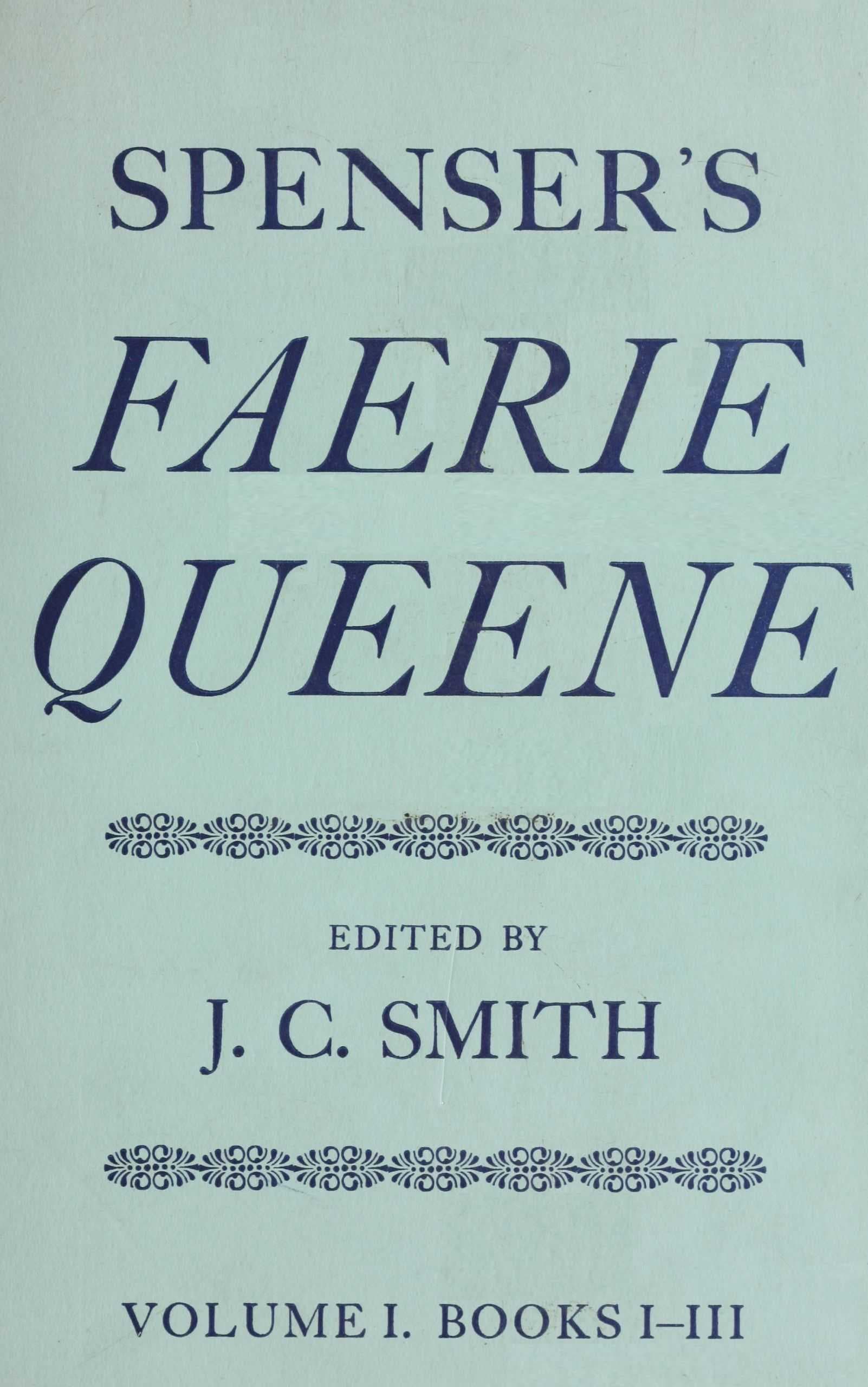
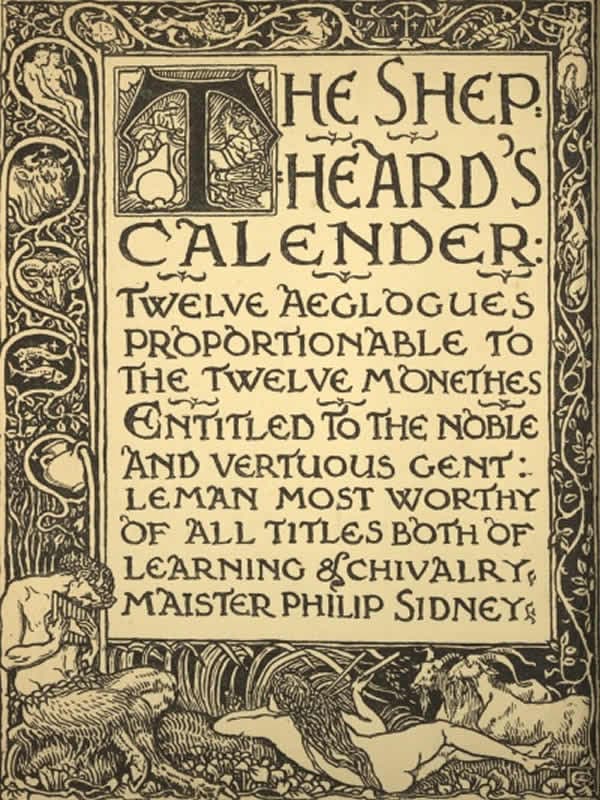
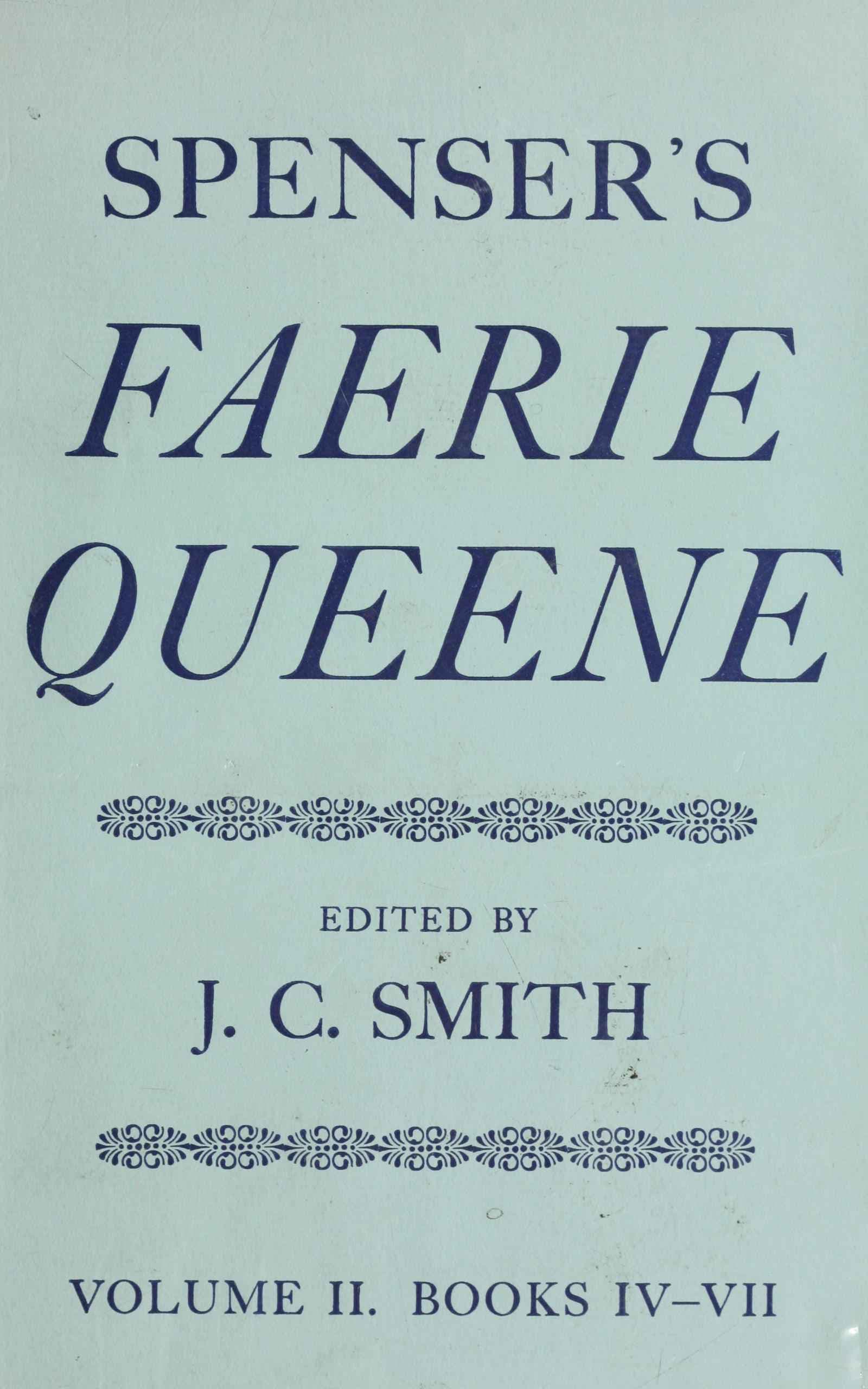
Books from the author


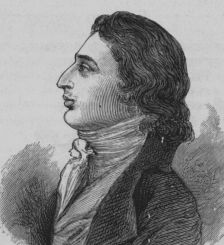
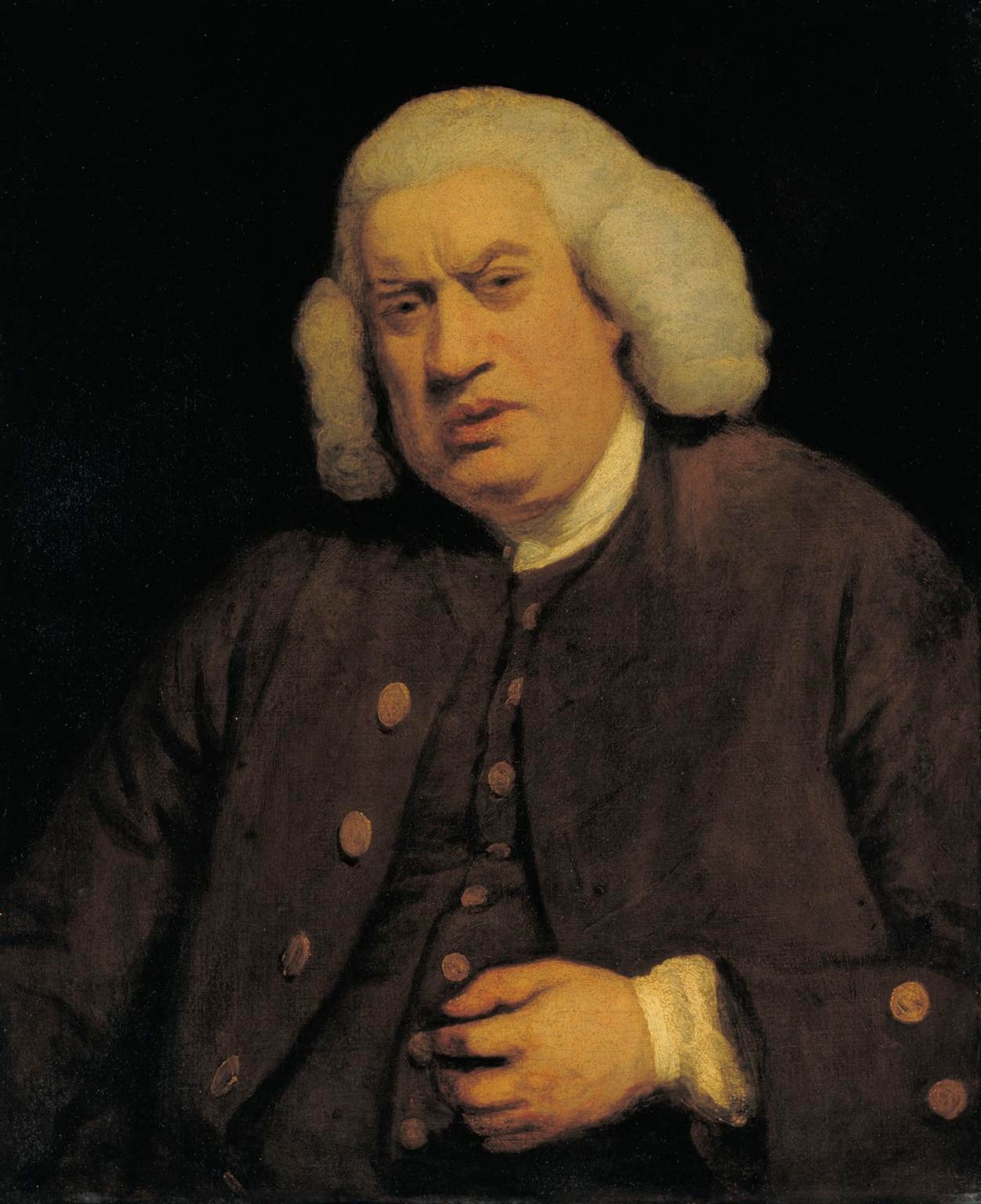
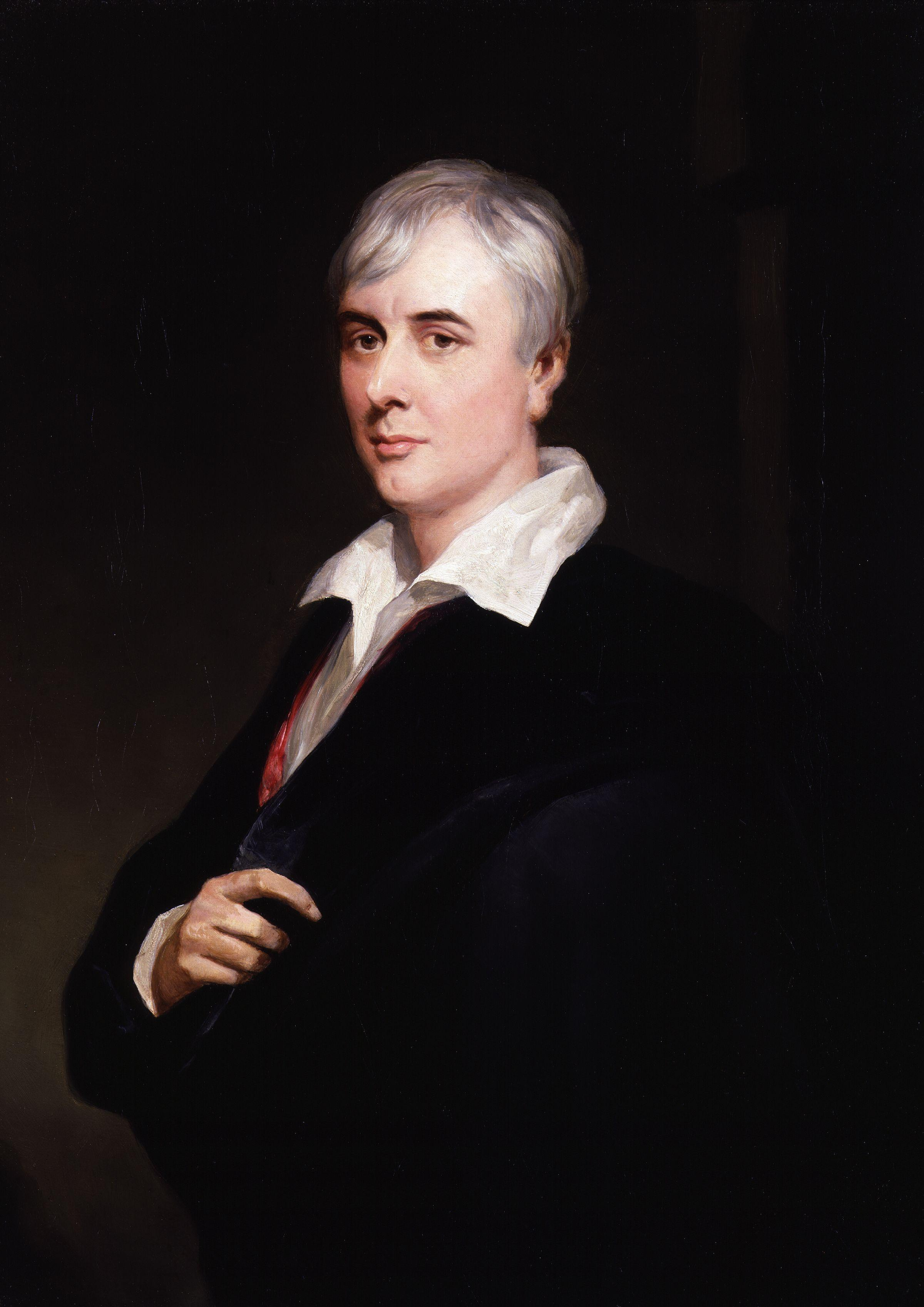
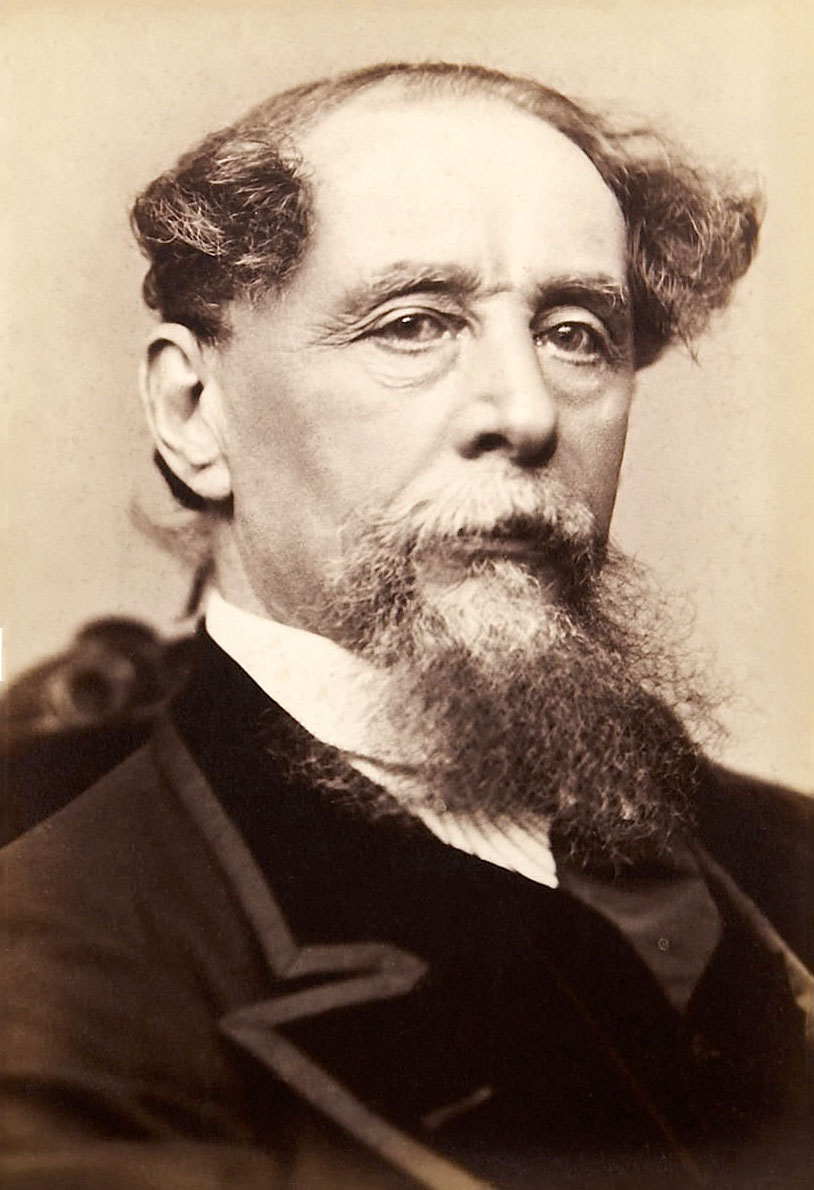

Link to this page
Add a free, dofollow link to Lex on your blog, forum, syllabus, or reading list.

<a href="https://lex-books.com/author/edmund-spenser"><img src="https://lex-books.com/badges/read-on-lex.svg" alt="Edmund Spenser on Lex" width="160" height="40"></a>[](https://lex-books.com/author/edmund-spenser)[url=https://lex-books.com/author/edmund-spenser][img]https://lex-books.com/badges/read-on-lex.svg[/img][/url]Edmund Spenser on Lex: https://lex-books.com/author/edmund-spenser