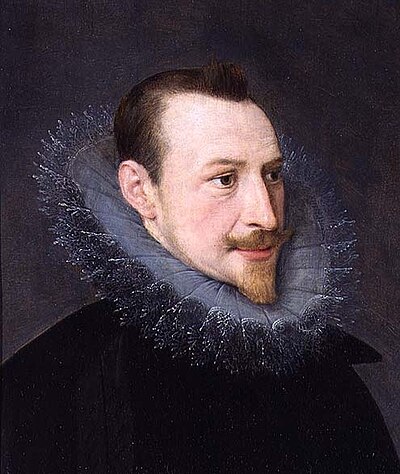
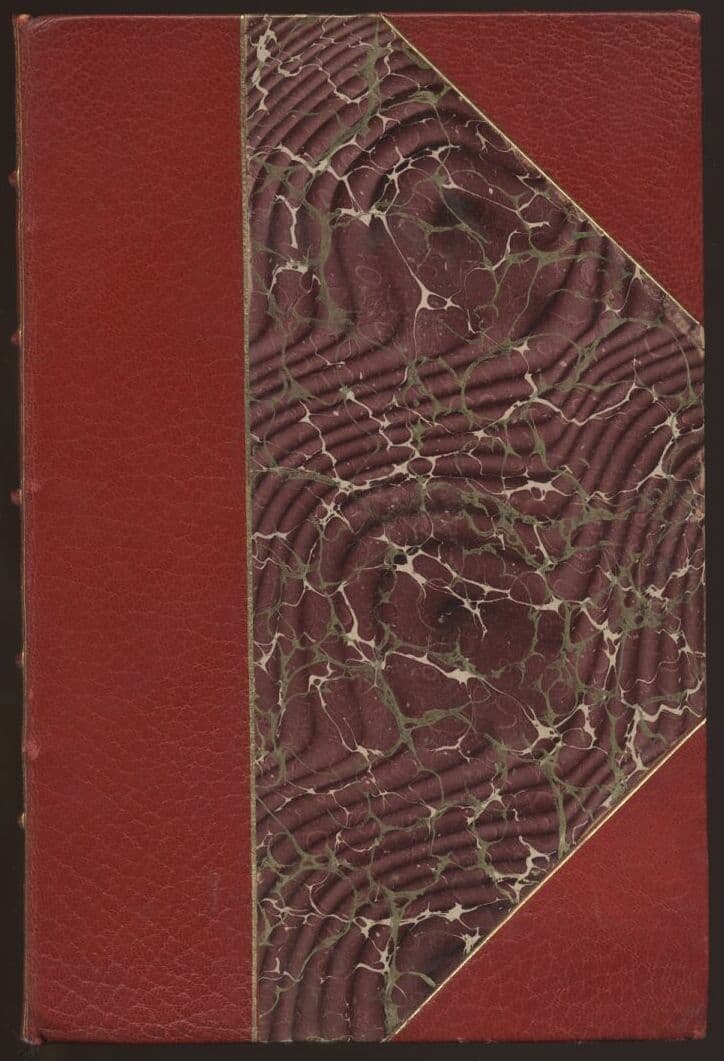
The Shepheard's Calender: Twelve Aeglogues Proportionable to the Twelve Monethes
1579
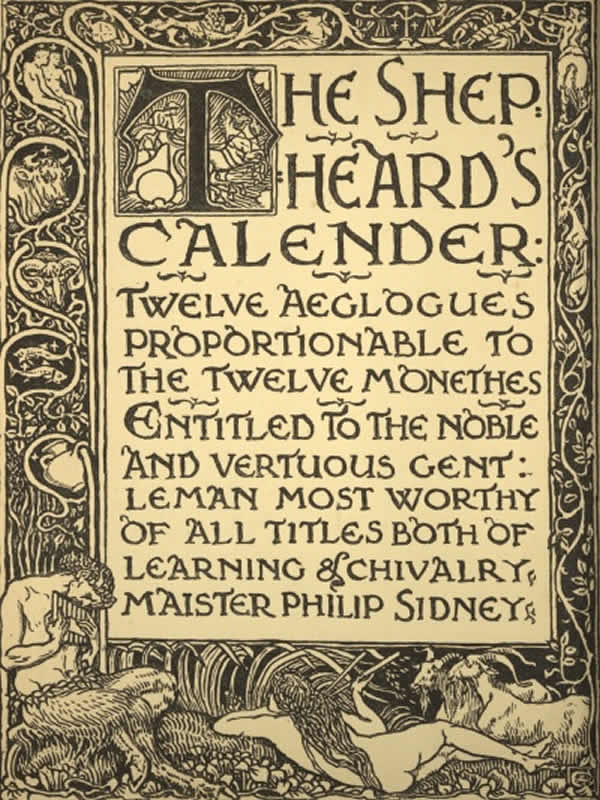
The Shepheard's Calender: Twelve Aeglogues Proportionable to the Twelve Monethes
1579
In the depth of winter, a shepherd named Colin Clout breaks his pipe, the symbol of his joy, and surrenders to a sorrow as cold as January itself. His love for Rosalind, a country lass who will not have him, has shattered something essential in the man who once sang of love so sweetly. This is the opening movement of Spenser's masterly sequence: twelve eclogues, one for each month, where shepherds speak in varied forms and voices, their rustic debates on love, politics, religion, and the turning seasons concealing layers of allegory and art. Spenser writes in deliberately archaic language, reaching back to Chaucer and before, while simultaneously inventing a new English poetic voice that would shape generations of writers. The Shepheard's Calender is not merely a pastoral exercise in nostalgic simplicity. It is an audacious act of cultural construction, a book that asks whether English might become a language worthy of the great classical traditions. Its influence is immeasurable: the young Spenser announced himself here, and the poet who would give us The Faerie Queene first proved his range in these humble, haunting verses about shepherds and their songs.
Editions
X-Ray
“And he that strives to touch the starsOft stumbles at a straw.””
— Edmund Spenser
“Ah for pittie, wil ranke Winters rage,These bitter blasts neuer ginne tasswage?The keene cold blowes throug my beaten hyde,All as I were through the body gryde.My ragged rontes all shiver and shake,As doen high Towers in an earthquake:They wont in the wind wagge their wrigle tailes,Perke as Peacock: but nowe it auales.””
— Edmund Spenser
Link to this book
Add a free, dofollow link to Lex on your blog, forum, syllabus, or reading list.

<a href="https://lex-books.com/book/the-shepheard-s-calender-twelve-aeglogues-proportionable-to-the-twelve-monethes-2c84c993-1341-4b48-9a46-bcb6d79baa08"><img src="https://lex-books.com/badges/read-on-lex.svg" alt="Read The Shepheard's Calender: Twelve Aeglogues Proportionable to the Twelve Monethes by Edmund Spenser free on Lex" width="160" height="40"></a>[](https://lex-books.com/book/the-shepheard-s-calender-twelve-aeglogues-proportionable-to-the-twelve-monethes-2c84c993-1341-4b48-9a46-bcb6d79baa08)[url=https://lex-books.com/book/the-shepheard-s-calender-twelve-aeglogues-proportionable-to-the-twelve-monethes-2c84c993-1341-4b48-9a46-bcb6d79baa08][img]https://lex-books.com/badges/read-on-lex.svg[/img][/url]Read The Shepheard's Calender: Twelve Aeglogues Proportionable to the Twelve Monethes by Edmund Spenser free on Lex: https://lex-books.com/book/the-shepheard-s-calender-twelve-aeglogues-proportionable-to-the-twelve-monethes-2c84c993-1341-4b48-9a46-bcb6d79baa08Cite this book
Reading this edition for a paper or guide? Copy a citation.
Spenser, Edmund. The Shepheard's Calender: Twelve Aeglogues Proportionable to the Twelve Monethes. Lex, lex-books.com/book/the-shepheard-s-calender-twelve-aeglogues-proportionable-to-the-twelve-monethes-2c84c993-1341-4b48-9a46-bcb6d79baa08.Spenser, E. (1579). The Shepheard's Calender: Twelve Aeglogues Proportionable to the Twelve Monethes. Lex. https://lex-books.com/book/the-shepheard-s-calender-twelve-aeglogues-proportionable-to-the-twelve-monethes-2c84c993-1341-4b48-9a46-bcb6d79baa08Spenser, Edmund. The Shepheard's Calender: Twelve Aeglogues Proportionable to the Twelve Monethes. Lex. https://lex-books.com/book/the-shepheard-s-calender-twelve-aeglogues-proportionable-to-the-twelve-monethes-2c84c993-1341-4b48-9a46-bcb6d79baa08.