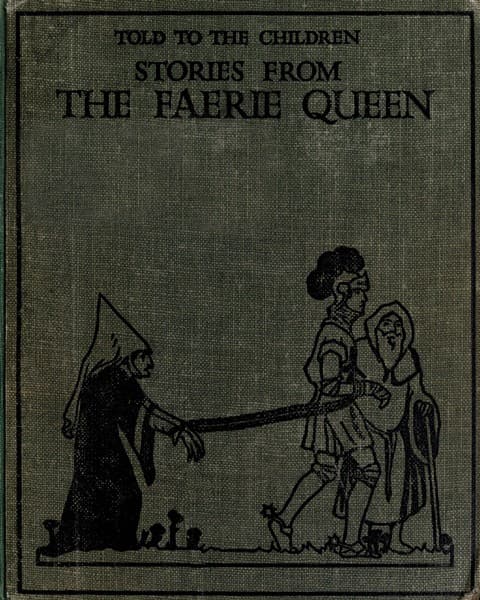
Spenser's the Faerie Queene, Book I
1590
Spenser's the Faerie Queene, Book I
1590
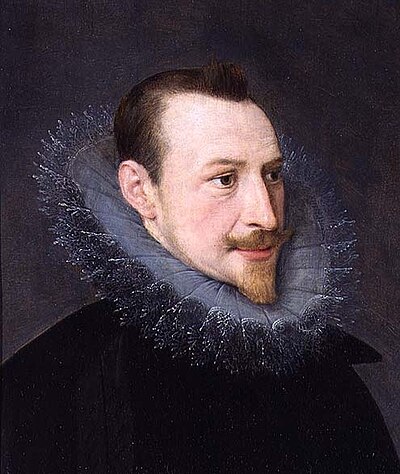
The Faerie Queene stands as one of the most magnificent failures in English literature: an epic so luxuriantly strange, so densely allegorical, that it defeats casual reading even as it bewitches those who attempt it. Book I introduces the Redcrosse Knight, a figure of staggering symbolic density representing both St. George and the Protestant soul, who journeys through Faerieland on a quest assigned by the elusive Queen Gloriana. His first battle is with Error, a monstrous serpentine creature in a darkened wood, and from this primal encounter unfolds a narrative of moral wandering, spiritual purification, and the terrible seductions of falsehood. Spenser wrote in a deliberately antiquated language, inventing words and rhythms to create what he called 'a gotten language' that feels ancient even at its invention. The poem operates on countless levels simultaneously: it's a chivalric romance, a Protestant polemic, an exploration of England's national destiny, and an allegory of the individual soul's journey toward holiness. For modern readers, the challenge and reward lie in surrendering to its dreamlike logic, letting the strange images accumulate rather than demanding immediate sense.
Editions
X-Ray
“Aye me, how many perils do enfoldThe righteous man, to make him daily fall?Were not, that heavenly grace doth him uphold,And steadfast truth acquite him out of all.””
— Edmund Spenser
“Sleep after Toil, Port after stormy Seas,Ease after War, Death after Life, does greatly please.””
— Edmund Spenser
“The faithfull knight now grew in litle space, By hearing her, and by her sisters lore, To such perfection of all heavenly grace, That wretched world he gan for to abhore,””
— Edmund Spenser
“He seekes out mighty charmes , to trouble sleepy mindes.””
— Edmund Spenser
Link to this book
Add a free, dofollow link to Lex on your blog, forum, syllabus, or reading list.

<a href="https://lex-books.com/book/spenser-s-the-faerie-queene-book-i-7fc797f3-6fdb-4f7f-ba9f-4ee01e353860"><img src="https://lex-books.com/badges/read-on-lex.svg" alt="Read Spenser's the Faerie Queene, Book I by Edmund Spenser free on Lex" width="160" height="40"></a>[](https://lex-books.com/book/spenser-s-the-faerie-queene-book-i-7fc797f3-6fdb-4f7f-ba9f-4ee01e353860)[url=https://lex-books.com/book/spenser-s-the-faerie-queene-book-i-7fc797f3-6fdb-4f7f-ba9f-4ee01e353860][img]https://lex-books.com/badges/read-on-lex.svg[/img][/url]Read Spenser's the Faerie Queene, Book I by Edmund Spenser free on Lex: https://lex-books.com/book/spenser-s-the-faerie-queene-book-i-7fc797f3-6fdb-4f7f-ba9f-4ee01e353860Cite this book
Reading this edition for a paper or guide? Copy a citation.
Spenser, Edmund. Spenser's the Faerie Queene, Book I. Lex, lex-books.com/book/spenser-s-the-faerie-queene-book-i-7fc797f3-6fdb-4f7f-ba9f-4ee01e353860.Spenser, E. (1590). Spenser's the Faerie Queene, Book I. Lex. https://lex-books.com/book/spenser-s-the-faerie-queene-book-i-7fc797f3-6fdb-4f7f-ba9f-4ee01e353860Spenser, Edmund. Spenser's the Faerie Queene, Book I. Lex. https://lex-books.com/book/spenser-s-the-faerie-queene-book-i-7fc797f3-6fdb-4f7f-ba9f-4ee01e353860.