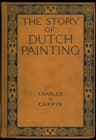
The Story of Dutch Painting
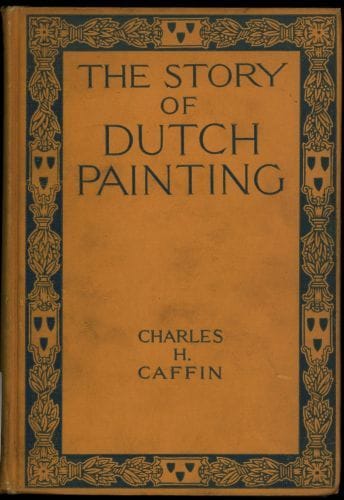
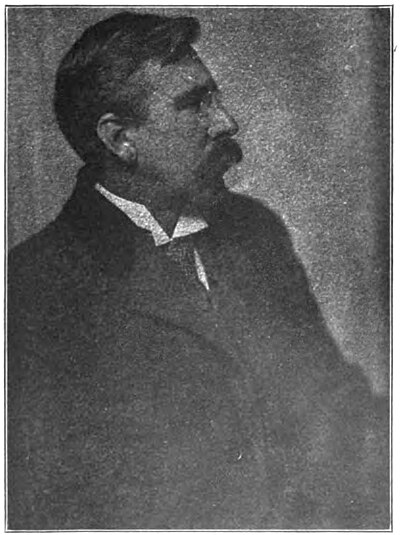
The Dutch Golden Age produced something unprecedented in Western art: a painting tradition born not of church patronage or aristocratic taste, but of a prosperous, Protestant mercantile society hungry for images of its own world. Charles H. Caffin's 1907 study traces this remarkable flowering from its origins in the political upheaval of the Dutch struggle for independence through the rise of genre scenes, landscapes, and intimate domestic portraits that redefined what painting could be. He argues that Dutch art was inseparable from the nation's revolutionary selfhood, its market economy, its religious dissent, and its sturdy individualism. Yet Caffin, an astute critic, does not reduce art to mere social reflection. He attends closely to the geniuses who transcended their moment, none more so than Rembrandt, whose towering singularity seems almost to contradict the very Dutch spirit Caffin traces throughout. Written with Edwardian erudition and clarity, this remains a compelling account for anyone seeking to understand how a small, wealthy nation invented a painting tradition that still shapes how we see the world.
Editions
Link to this book
Add a free, dofollow link to Lex on your blog, forum, syllabus, or reading list.

<a href="https://lex-books.com/book/the-story-of-dutch-painting-2ecf11ea-e683-41a4-abff-eeb08b30a55c"><img src="https://lex-books.com/badges/read-on-lex.svg" alt="Read The Story of Dutch Painting by Charles H. Caffin free on Lex" width="160" height="40"></a>[](https://lex-books.com/book/the-story-of-dutch-painting-2ecf11ea-e683-41a4-abff-eeb08b30a55c)[url=https://lex-books.com/book/the-story-of-dutch-painting-2ecf11ea-e683-41a4-abff-eeb08b30a55c][img]https://lex-books.com/badges/read-on-lex.svg[/img][/url]Read The Story of Dutch Painting by Charles H. Caffin free on Lex: https://lex-books.com/book/the-story-of-dutch-painting-2ecf11ea-e683-41a4-abff-eeb08b30a55cCite this book
Reading this edition for a paper or guide? Copy a citation.
Caffin, Charles H.. The Story of Dutch Painting. Lex, lex-books.com/book/the-story-of-dutch-painting-2ecf11ea-e683-41a4-abff-eeb08b30a55c.Caffin, C. H. (n.d.). The Story of Dutch Painting. Lex. https://lex-books.com/book/the-story-of-dutch-painting-2ecf11ea-e683-41a4-abff-eeb08b30a55cCaffin, Charles H.. The Story of Dutch Painting. Lex. https://lex-books.com/book/the-story-of-dutch-painting-2ecf11ea-e683-41a4-abff-eeb08b30a55c.