The Life of the Scorpion

Fabre opens his study with a confession: the scorpion is known intimately through the anatomist's scalpel, yet almost not at all in its actual life. For fifty years, he set out to interview this creature of myth and terror, to watch rather than dissect. What emerges is something rare in scientific literature: a portrait drawn through patience so obsessive it becomes its own kind of love. Fabre observes the Languedocian scorpion in the hills beyond Avignon, chronicling its hunts, its mating dances, its architecture of burrows, its peculiar stillness. He watches for hours, days, seasons. The scorpion becomes a character as vivid as any in fiction, driven by instincts as mysterious to Fabre as they are to us. This is natural history before the laboratory, when to know a creature meant sitting in the dust and waiting. Fabre's prose crackles with the joy of discovery and the genuine fear one feels confronting an animal that carries death in its tail. The book endures because it captures something modern science rarely offers: the wonder of truly seeing what lives beside us.
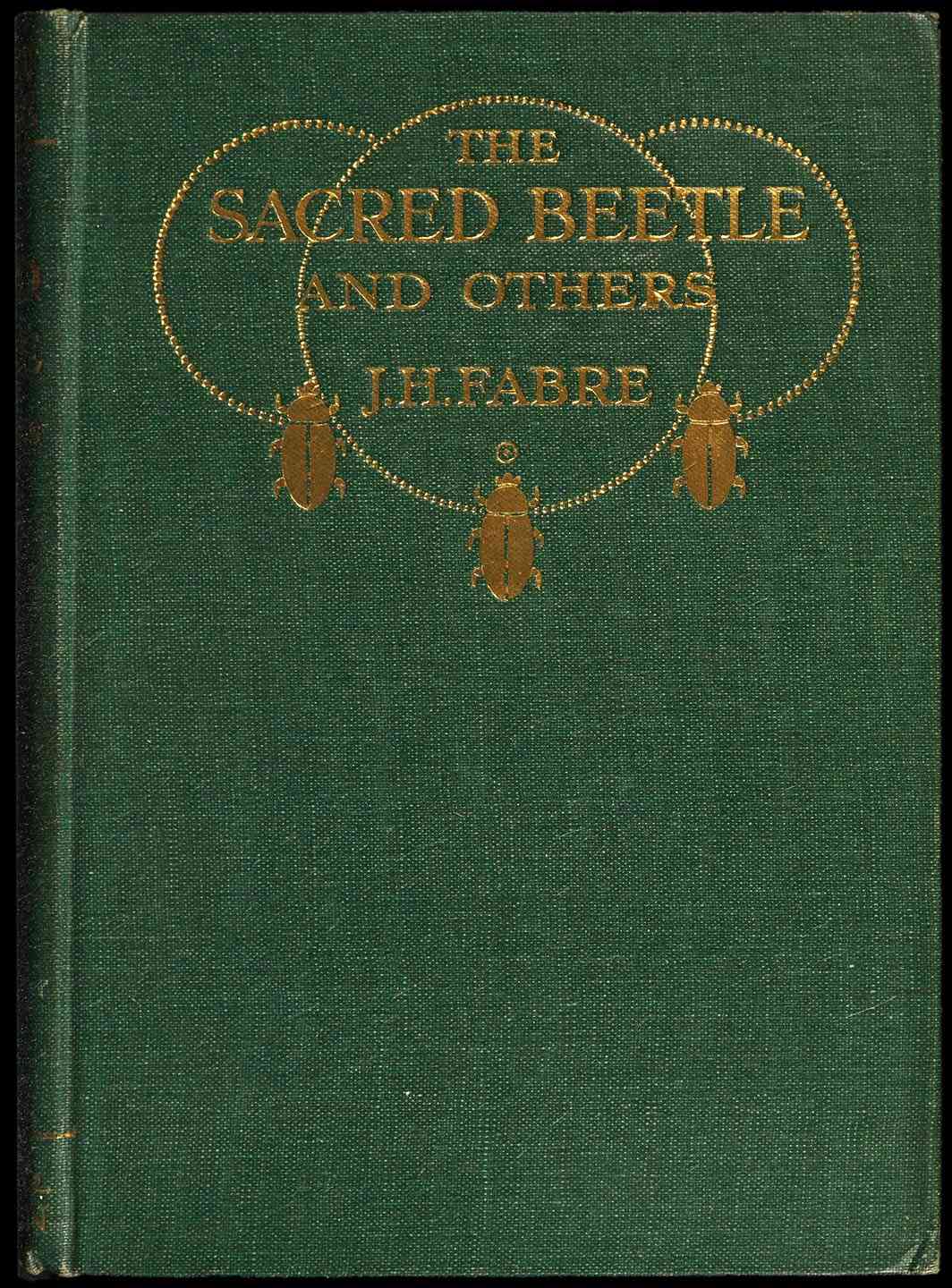
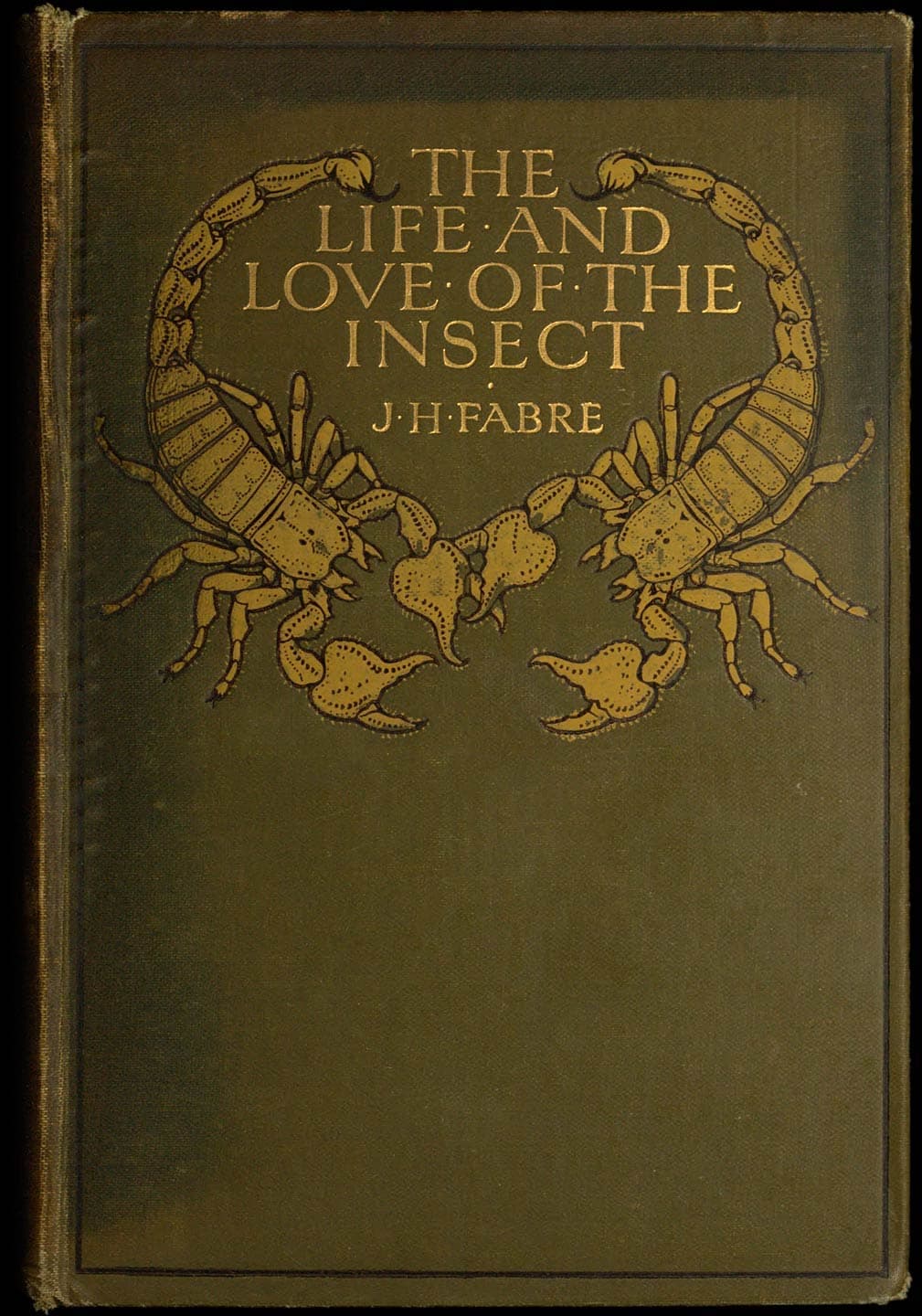
Editions
X-Ray
“People declare as much, without, apparently, looking into the matter very closely. They seem able to dispense with the conscientious observer's scruples, when inflating their bladder of theory.””
— Jean-Henri Fabre
“so slow is moral progress. True, we have the bicycle, the motor-car, the dirigible airship and other marvellous means of breaking our bones; but our morality is not one rung the higher for it all. One would even say that, the farther we proceed in our conquest of matter, the more our morality recedes. The most advanced of our inventions consists in bringing men down with grapeshot and explosives with the swiftness of the reaper mowing the corn.””
— Jean-Henri Fabre
“You speak to me, in your own fashion, of a strange psychology which is able to reconcile the wonders of a master craftsmanship with aberrations due to unfathomable stupidity.””
— Jean-Henri Fabre
Link to this book
Add a free, dofollow link to Lex on your blog, forum, syllabus, or reading list.

<a href="https://lex-books.com/book/the-life-of-the-scorpion-11dd7034-8c5e-4489-98ae-66dff05ba656"><img src="https://lex-books.com/badges/read-on-lex.svg" alt="Read The Life of the Scorpion by Jean-Henri Fabre free on Lex" width="160" height="40"></a>[](https://lex-books.com/book/the-life-of-the-scorpion-11dd7034-8c5e-4489-98ae-66dff05ba656)[url=https://lex-books.com/book/the-life-of-the-scorpion-11dd7034-8c5e-4489-98ae-66dff05ba656][img]https://lex-books.com/badges/read-on-lex.svg[/img][/url]Read The Life of the Scorpion by Jean-Henri Fabre free on Lex: https://lex-books.com/book/the-life-of-the-scorpion-11dd7034-8c5e-4489-98ae-66dff05ba656Cite this book
Reading this edition for a paper or guide? Copy a citation.
Fabre, Jean-Henri. The Life of the Scorpion. Lex, lex-books.com/book/the-life-of-the-scorpion-11dd7034-8c5e-4489-98ae-66dff05ba656.Fabre, J. (n.d.). The Life of the Scorpion. Lex. https://lex-books.com/book/the-life-of-the-scorpion-11dd7034-8c5e-4489-98ae-66dff05ba656Fabre, Jean-Henri. The Life of the Scorpion. Lex. https://lex-books.com/book/the-life-of-the-scorpion-11dd7034-8c5e-4489-98ae-66dff05ba656.