Bushido, the Soul of Japan
1899
Bushido, the Soul of Japan
1899
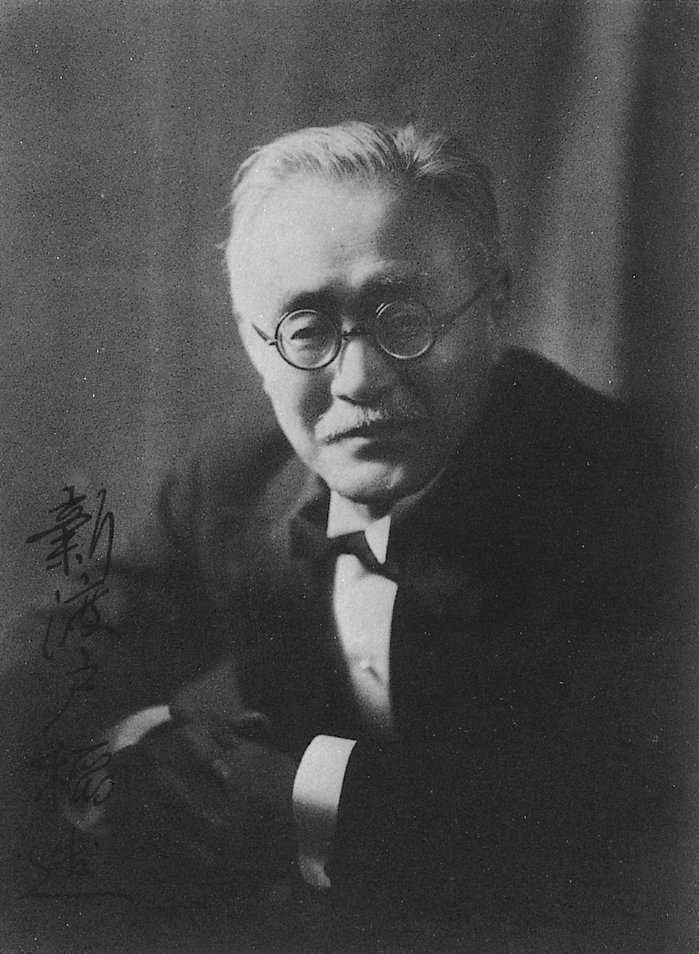
In 1899, as Japan hurtled toward modernity, a Japanese scholar wrote a book in English to explain the ancient moral code of the samurai to the Western world. Inazo Nitobe was not writing a history lesson. He was performing an act of cultural translation that would shape how the West understood Japan for over a century. Bushido, the Soul of Japan traces the ethical system that grew from feudal Japan's warrior class: rectitude, courage, benevolence, honor, loyalty, and self-control. Yet this is no dry treatise. Nitobe draws constantly from his own life, from literature, from Western philosophy, arguing that bushido was Japan's answer to the same moral questions the West grappled with. The book pulses with a particular urgency: here was a nation reinventing itself, and Nitobe wanted the world to understand the soul beneath the transformation. It became the single most influential text introducing Japanese values to Western readers, and it remains essential for understanding the moral philosophy that shaped a civilization.
Editions
X-Ray
Link to this book
Add a free, dofollow link to Lex on your blog, forum, syllabus, or reading list.

<a href="https://lex-books.com/book/bushido-the-soul-of-japan-00aac0a3-c5a7-4075-bb59-000397e55882"><img src="https://lex-books.com/badges/read-on-lex.svg" alt="Read Bushido, the Soul of Japan by Inazo Nitobe free on Lex" width="160" height="40"></a>[](https://lex-books.com/book/bushido-the-soul-of-japan-00aac0a3-c5a7-4075-bb59-000397e55882)[url=https://lex-books.com/book/bushido-the-soul-of-japan-00aac0a3-c5a7-4075-bb59-000397e55882][img]https://lex-books.com/badges/read-on-lex.svg[/img][/url]Read Bushido, the Soul of Japan by Inazo Nitobe free on Lex: https://lex-books.com/book/bushido-the-soul-of-japan-00aac0a3-c5a7-4075-bb59-000397e55882Cite this book
Reading this edition for a paper or guide? Copy a citation.
Nitobe, Inazo. Bushido, the Soul of Japan. Lex, lex-books.com/book/bushido-the-soul-of-japan-00aac0a3-c5a7-4075-bb59-000397e55882.Nitobe, I. (1899). Bushido, the Soul of Japan. Lex. https://lex-books.com/book/bushido-the-soul-of-japan-00aac0a3-c5a7-4075-bb59-000397e55882Nitobe, Inazo. Bushido, the Soul of Japan. Lex. https://lex-books.com/book/bushido-the-soul-of-japan-00aac0a3-c5a7-4075-bb59-000397e55882.