Isabella Orsini, Duchessa Di Bracciano
1845
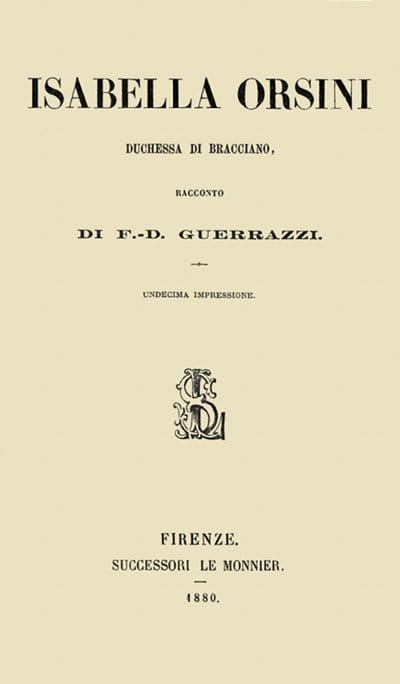
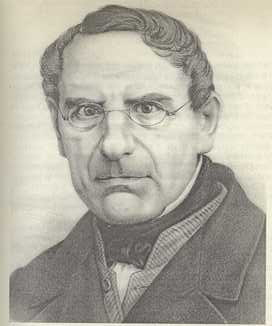
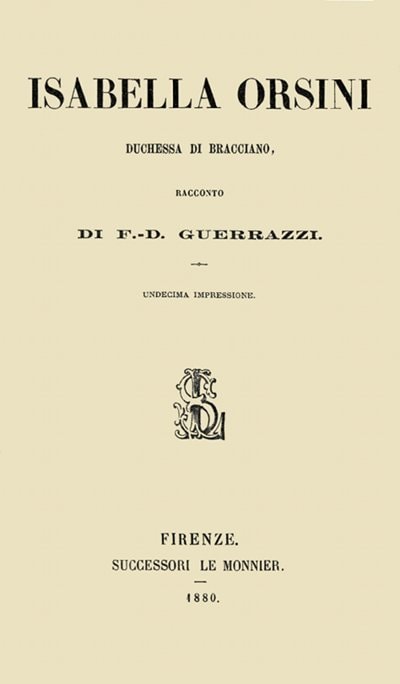
In Renaissance Italy, where honor is currency and passion is sin, a duchess kneels before the Madonna and cannot pray. Isabella Orsini, beautiful and deeply conflicted, wrestles with desires that shatter her moral peace. When a gallant knight interrupts her tortured vigil, he sees only a woman in distress not the volcanic混乱 churning beneath her composure. Guerrazzi constructs his novel as a psychological excavation: this is a woman caught between the rigid demands of her station and the inadmissible truths of her own heart. The narrative unfolds through the courts of 16th-century Italy, where every glance carries weight and every whisper can destroy. Isabella's relationships with Troilo Orsini and Lelio Torelli become a crucible of love, jealousy, and wounded honor. The novel captures a specific historical moment when Renaissance individualism began to clash with the enduring weight of feudal obligation. Guerrazzi, writing in 1845, was himself a political firebrand, and his sympathy for a woman trapped by society's contradictions pulses through every scene. For readers who savor the operatic intensity of Stendhal's Italian novels or the dark romanticism of Italian verismo, this obscure work offers a window into a neglected corner of 19th-century historical fiction. It is not a comfortable book, nor a tidy one. It is for those who enjoy watching a character's soul struggle against its cage.
Editions
Link to this book
Add a free, dofollow link to Lex on your blog, forum, syllabus, or reading list.

<a href="https://lex-books.com/book/isabella-orsini-duchessa-di-bracciano-66da94e3-03f5-4364-933b-9277796febaf"><img src="https://lex-books.com/badges/read-on-lex.svg" alt="Read Isabella Orsini, Duchessa Di Bracciano by Francesco Domenico Guerrazzi free on Lex" width="160" height="40"></a>[](https://lex-books.com/book/isabella-orsini-duchessa-di-bracciano-66da94e3-03f5-4364-933b-9277796febaf)[url=https://lex-books.com/book/isabella-orsini-duchessa-di-bracciano-66da94e3-03f5-4364-933b-9277796febaf][img]https://lex-books.com/badges/read-on-lex.svg[/img][/url]Read Isabella Orsini, Duchessa Di Bracciano by Francesco Domenico Guerrazzi free on Lex: https://lex-books.com/book/isabella-orsini-duchessa-di-bracciano-66da94e3-03f5-4364-933b-9277796febafCite this book
Reading this edition for a paper or guide? Copy a citation.
Guerrazzi, Francesco Domenico. Isabella Orsini, Duchessa Di Bracciano. Lex, lex-books.com/book/isabella-orsini-duchessa-di-bracciano-66da94e3-03f5-4364-933b-9277796febaf.Guerrazzi, F. D. (1845). Isabella Orsini, Duchessa Di Bracciano. Lex. https://lex-books.com/book/isabella-orsini-duchessa-di-bracciano-66da94e3-03f5-4364-933b-9277796febafGuerrazzi, Francesco Domenico. Isabella Orsini, Duchessa Di Bracciano. Lex. https://lex-books.com/book/isabella-orsini-duchessa-di-bracciano-66da94e3-03f5-4364-933b-9277796febaf.