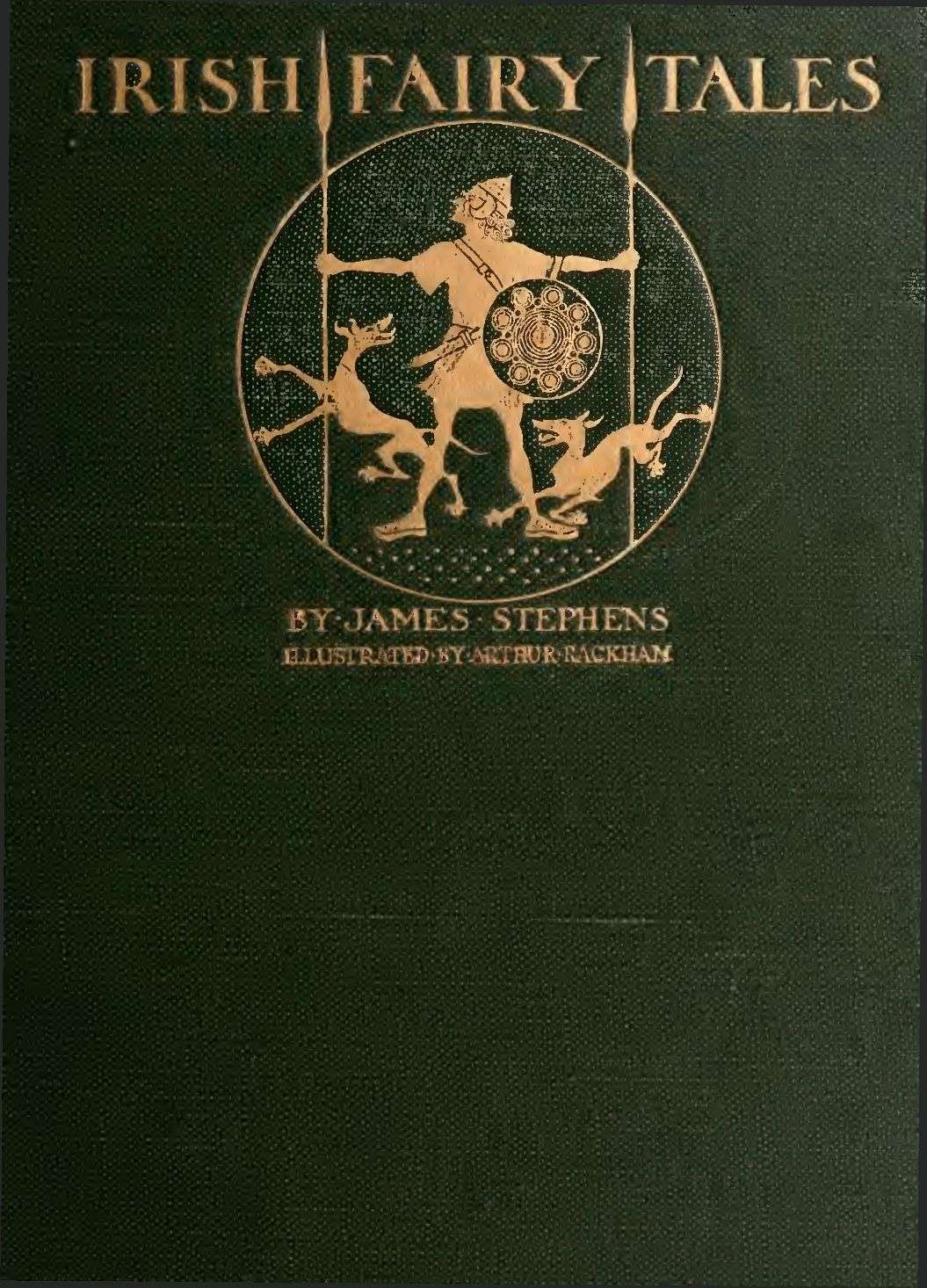
Irish Fairy Tales
1920
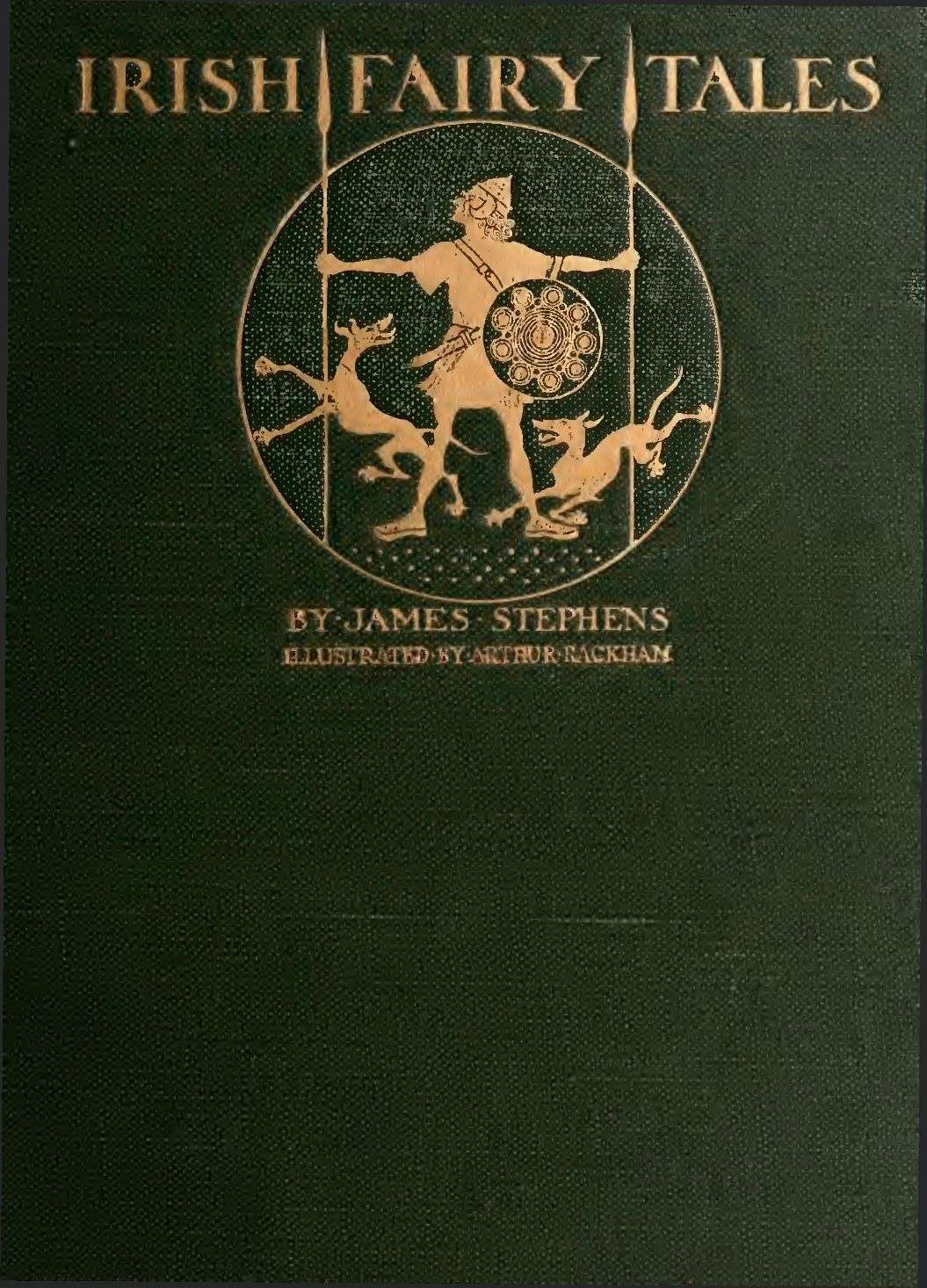
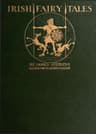
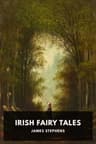
The old Ireland was not a place you could leave easily. In these ten tales, the boundary between mortal and magical thins to nothing: a warrior sleeps for three centuries and wakes speaking a dead language; a king trades his shape for a fish and loses himself in the transformation; gods and Fianna heroes stride through forests where every hollow holds a curse or a gift. James Stephens retells these ancient stories with a poet's ear and a storyteller's instinct. The book opens with the priest Finnian marching to confront an old man who worships forgotten gods, and becomes something else entirely. There is Tuan mac Cairill, who remembers Ireland before the Flood and survives by changing form, from man to hawk to salmon to stag, a living archive of a world that refuses to die. There is Fionn, the great captain of the Fianna, hunting in the woods of Allen with hounds that were once princes. These are not gentle tales. Magic in Stephens' Ireland is dangerous, erotic, often cruel. Arthur Rackham's illustrations catch exactly that quality: the uncanny light in a forest clearing, the too-long fingers of a fairy, the hounds running silent through mist.
Editions
X-Ray
“Let the past be content with itself, for man needs forgetfulness as well as memory””
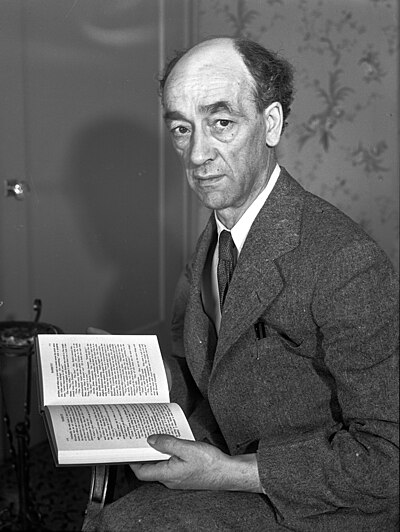
— James Stephens
“Tell me your past, my beloved, for a man is his past, and is to be known by it.””
— James Stephens
“It is by love alone that we understand anything””
— James Stephens
“A poem is a revelation, and it is by the brink of running water that poetry is revealed to the mind.””
— James Stephens
“We get wise by asking questions, and even if these are not answered we get wise, for a well-packed question carries its answer on its back as a snail carries its shell.””
— James Stephens
“In truth we do not go to Faery, we become Fairy, and in the beating of a pulse we may live for a year or a thousand years.””
— James Stephens
“Why do you live on the bank of a river?' was one of these questions.'Because a poem in a revelation, and it is by the brink of running water that poetry is revealed to the mind.””
— James Stephens
“There are more worlds than one, and in many ways they are unlike each other. But joy and sorrow, or, in other words, good and evil,are not absent in their degree from any of the worlds, for wherever there is life there is action, and action is but the expression of one or other of these qualities.””
— James Stephens
“Even the wind had ceased, and there seemed to be nothing in the world but the darkness and himself. In that gigantic blackness, in that unseen quietude and vacancy, the mind could cease to be personal to itself. It could be overwhelmed and merged in space, so that consciousness would be transferred or dissipated, and one might sleep standing; for the mind fears loneliness more than all else, and will escape to the moon rather than be driven inwards on its own being.””
— James Stephens
Link to this book
Add a free, dofollow link to Lex on your blog, forum, syllabus, or reading list.

<a href="https://lex-books.com/book/irish-fairy-tales-8e41a125-4958-4bc2-8502-bf23b3bec950"><img src="https://lex-books.com/badges/read-on-lex.svg" alt="Read Irish Fairy Tales by James Stephens free on Lex" width="160" height="40"></a>[](https://lex-books.com/book/irish-fairy-tales-8e41a125-4958-4bc2-8502-bf23b3bec950)[url=https://lex-books.com/book/irish-fairy-tales-8e41a125-4958-4bc2-8502-bf23b3bec950][img]https://lex-books.com/badges/read-on-lex.svg[/img][/url]Read Irish Fairy Tales by James Stephens free on Lex: https://lex-books.com/book/irish-fairy-tales-8e41a125-4958-4bc2-8502-bf23b3bec950Cite this book
Reading this edition for a paper or guide? Copy a citation.
Stephens, James. Irish Fairy Tales. Lex, lex-books.com/book/irish-fairy-tales-8e41a125-4958-4bc2-8502-bf23b3bec950.Stephens, J. (1920). Irish Fairy Tales. Lex. https://lex-books.com/book/irish-fairy-tales-8e41a125-4958-4bc2-8502-bf23b3bec950Stephens, James. Irish Fairy Tales. Lex. https://lex-books.com/book/irish-fairy-tales-8e41a125-4958-4bc2-8502-bf23b3bec950.