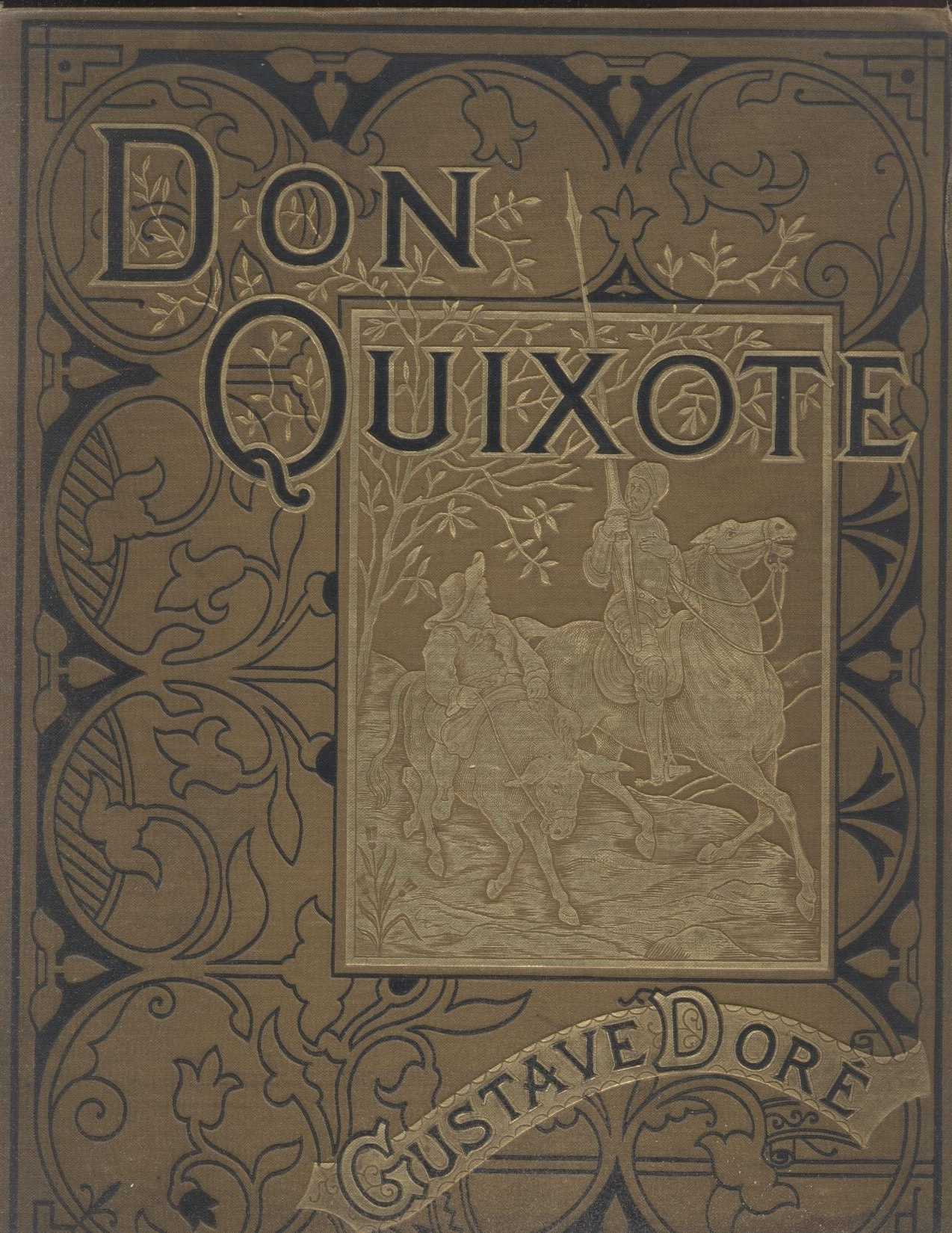
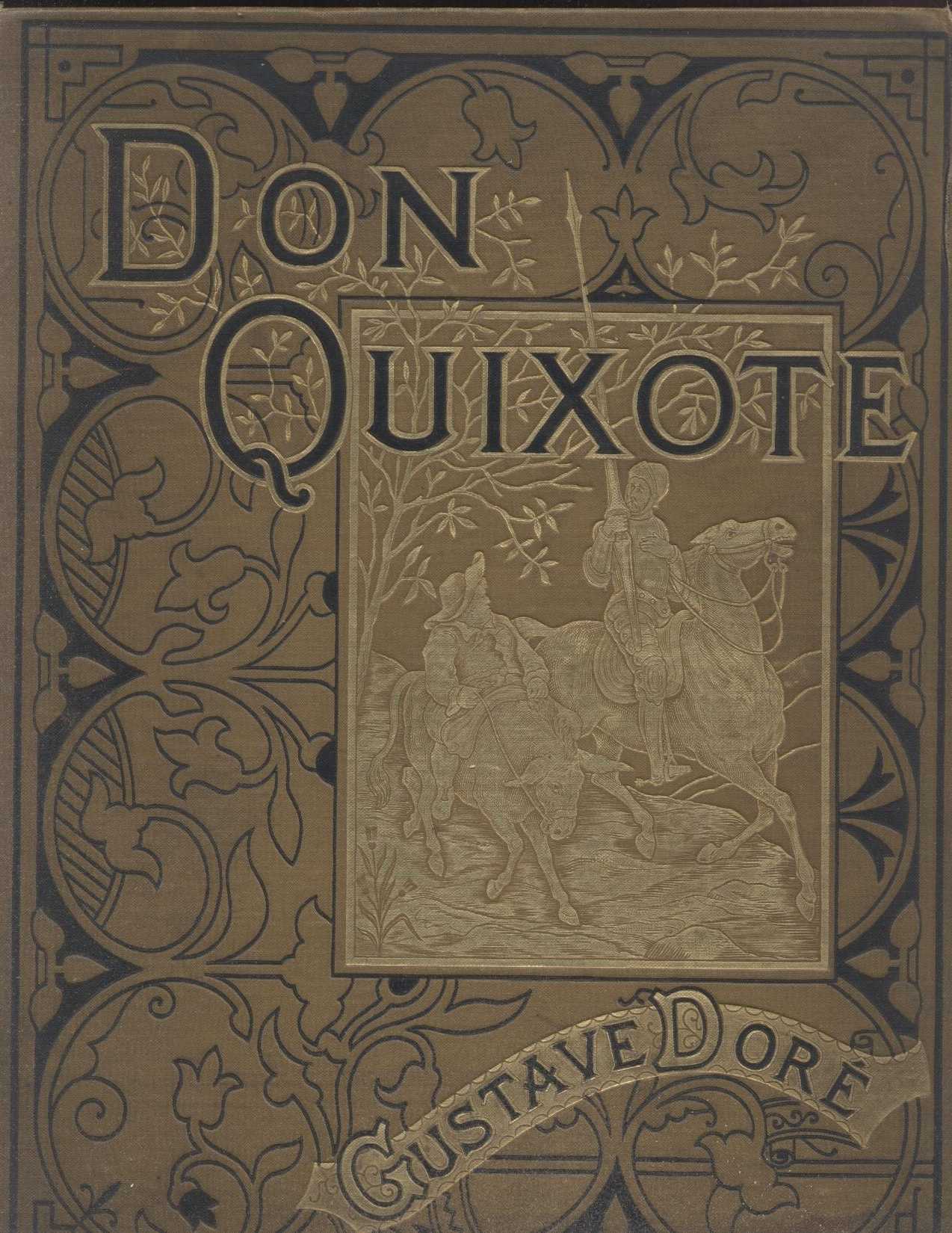
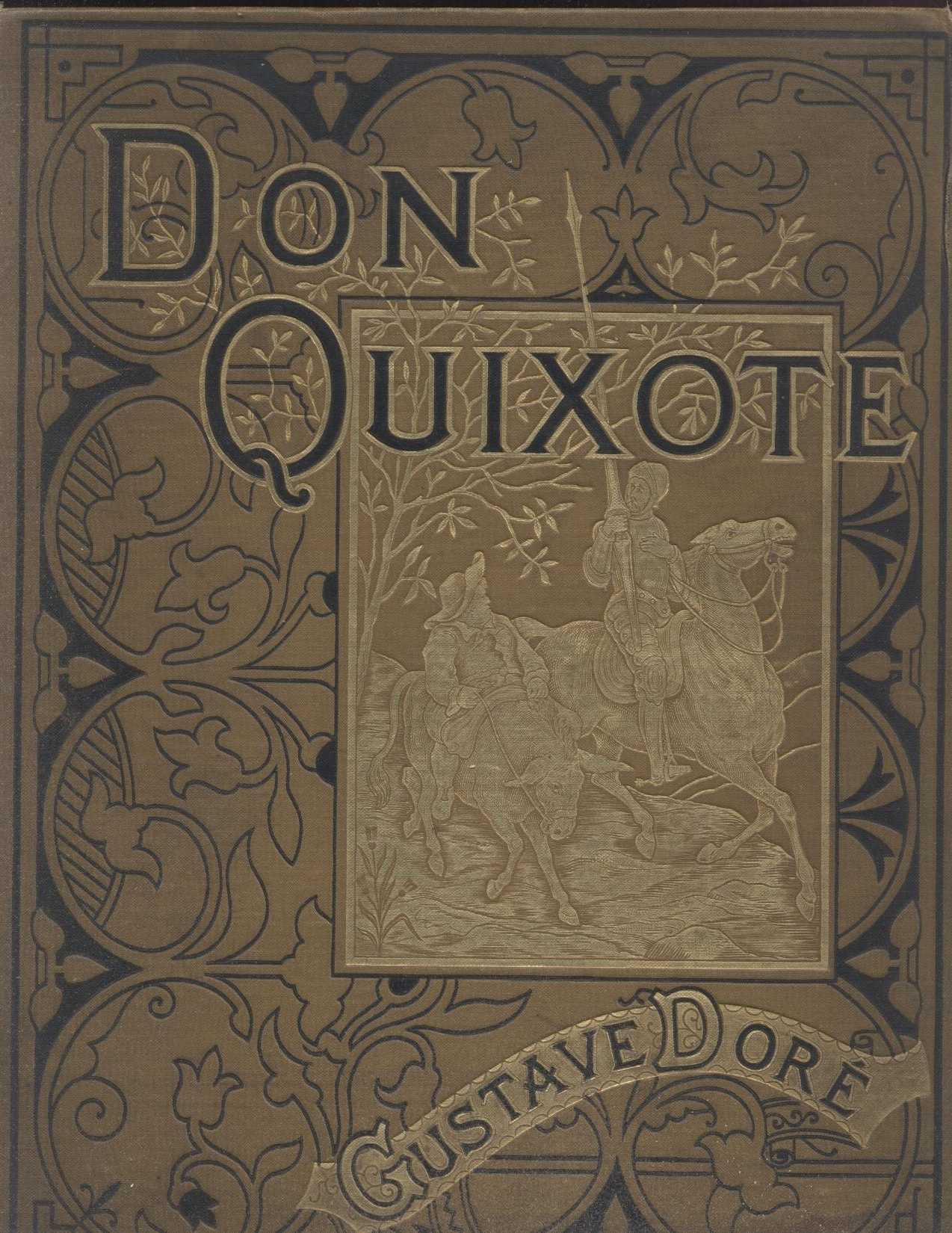
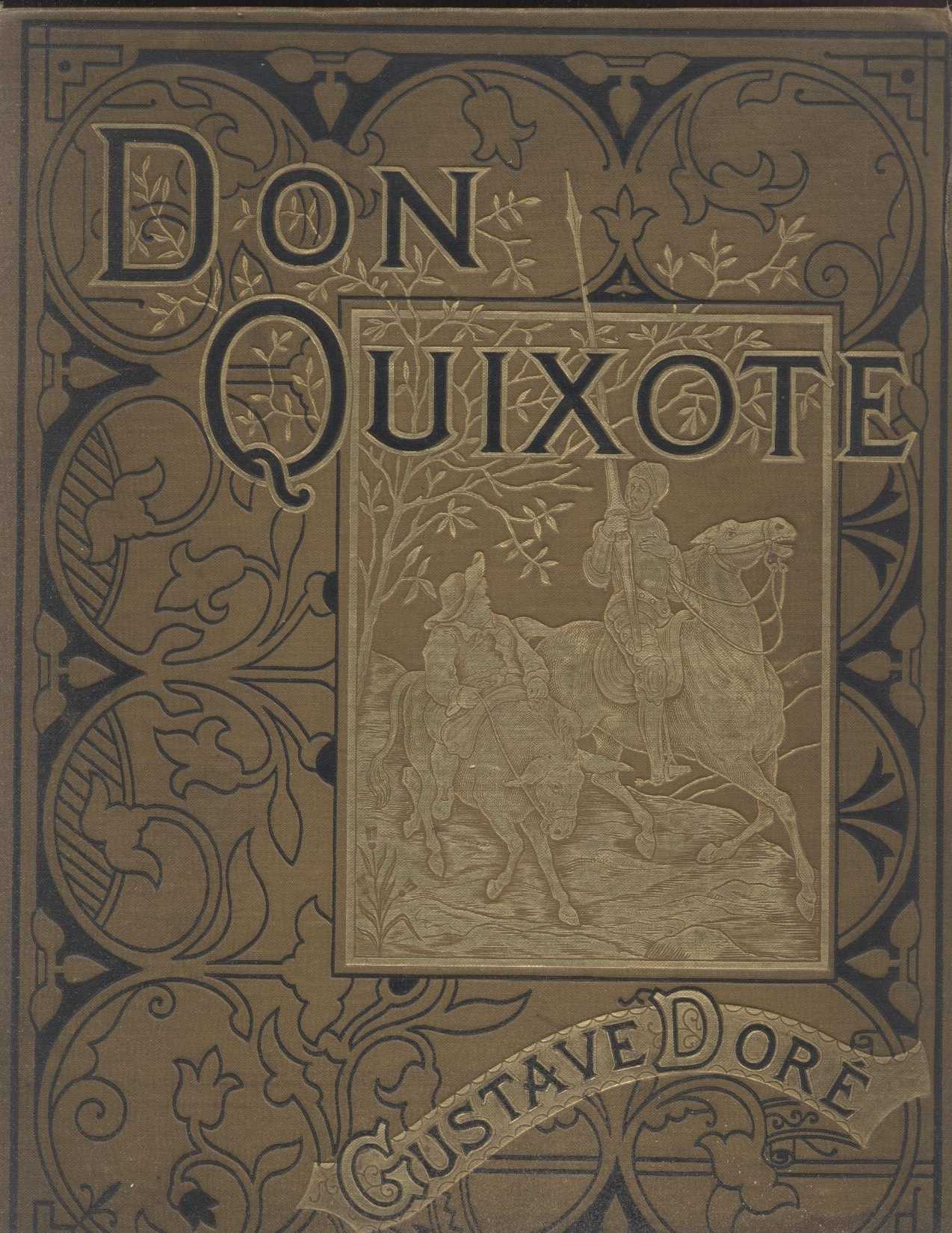
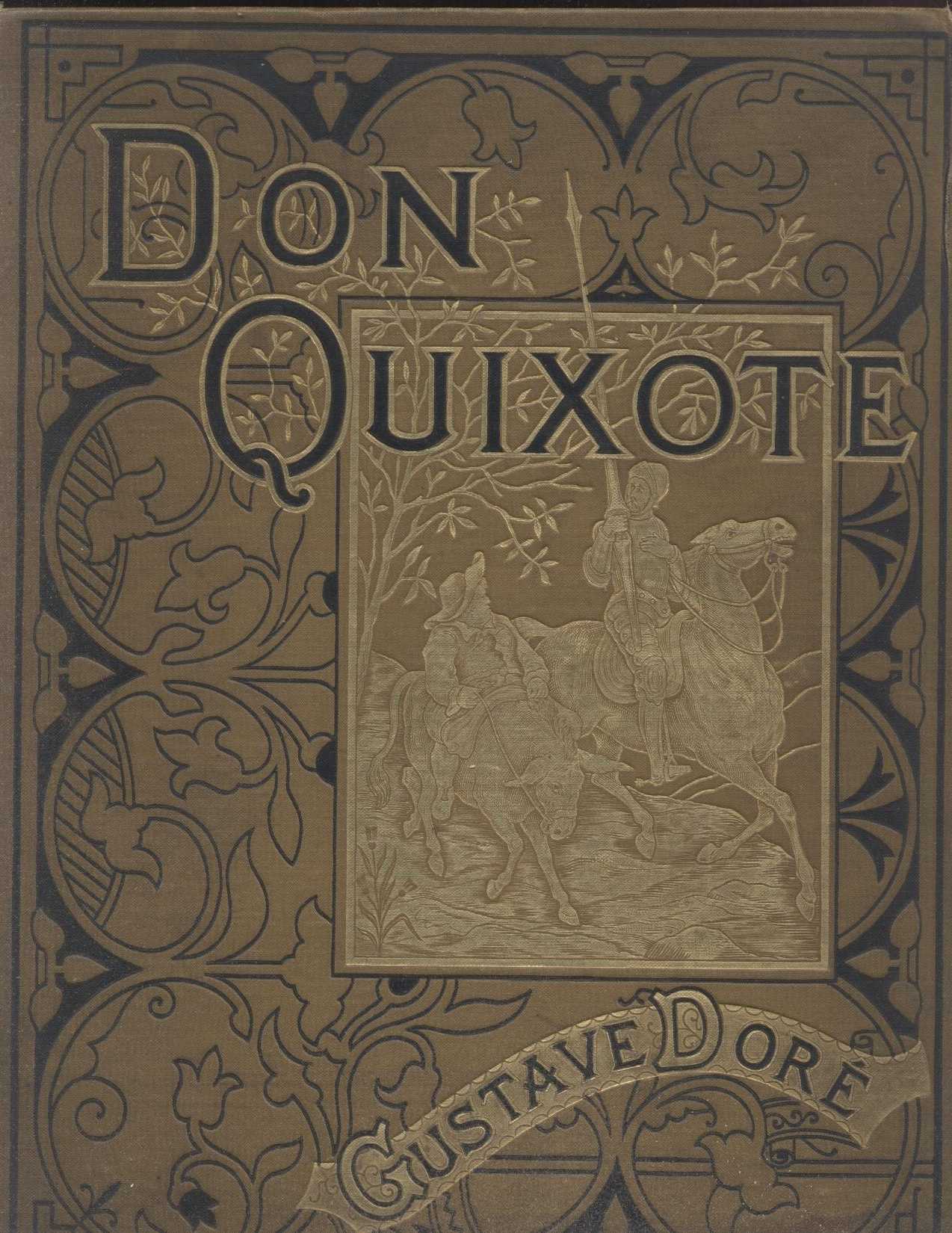
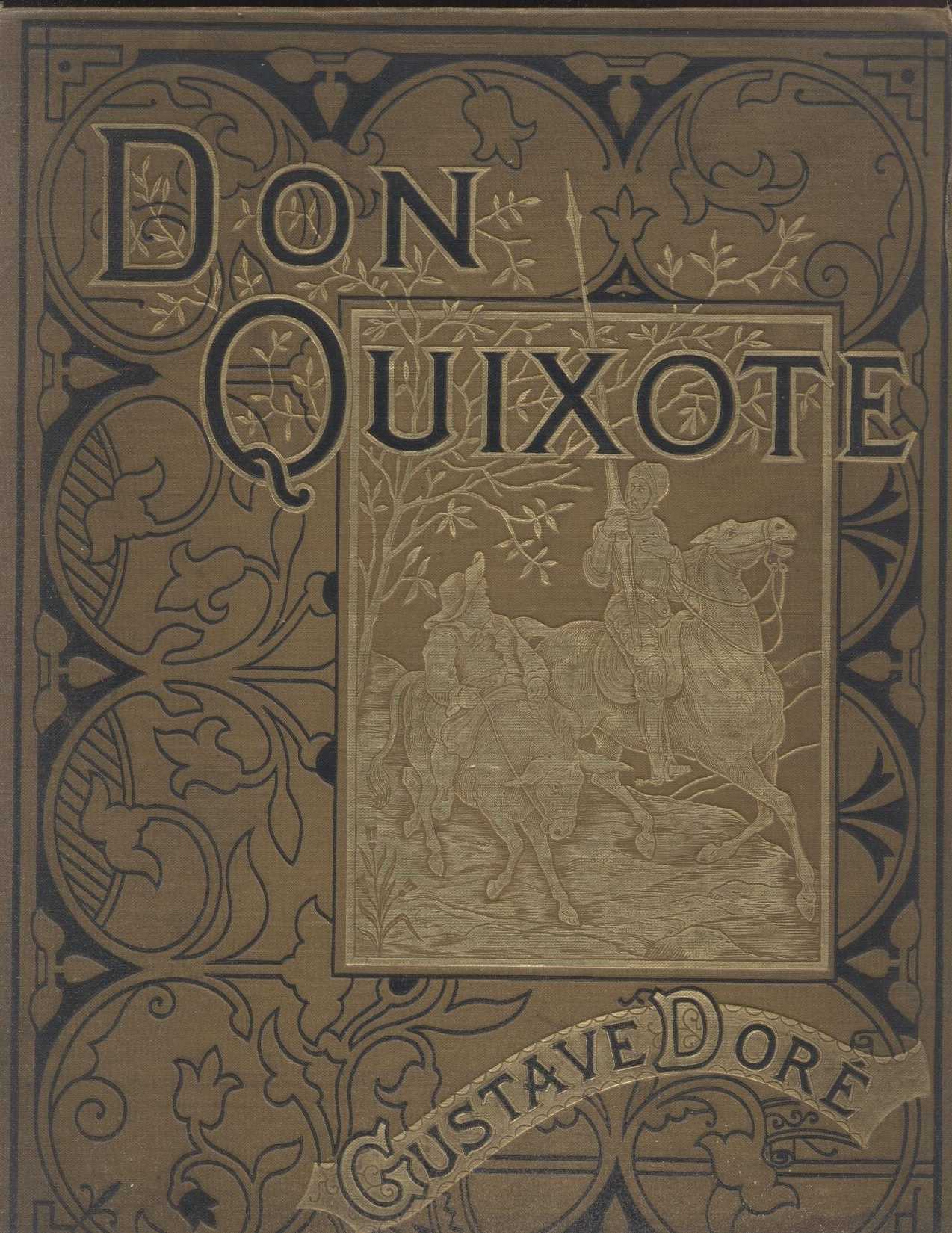
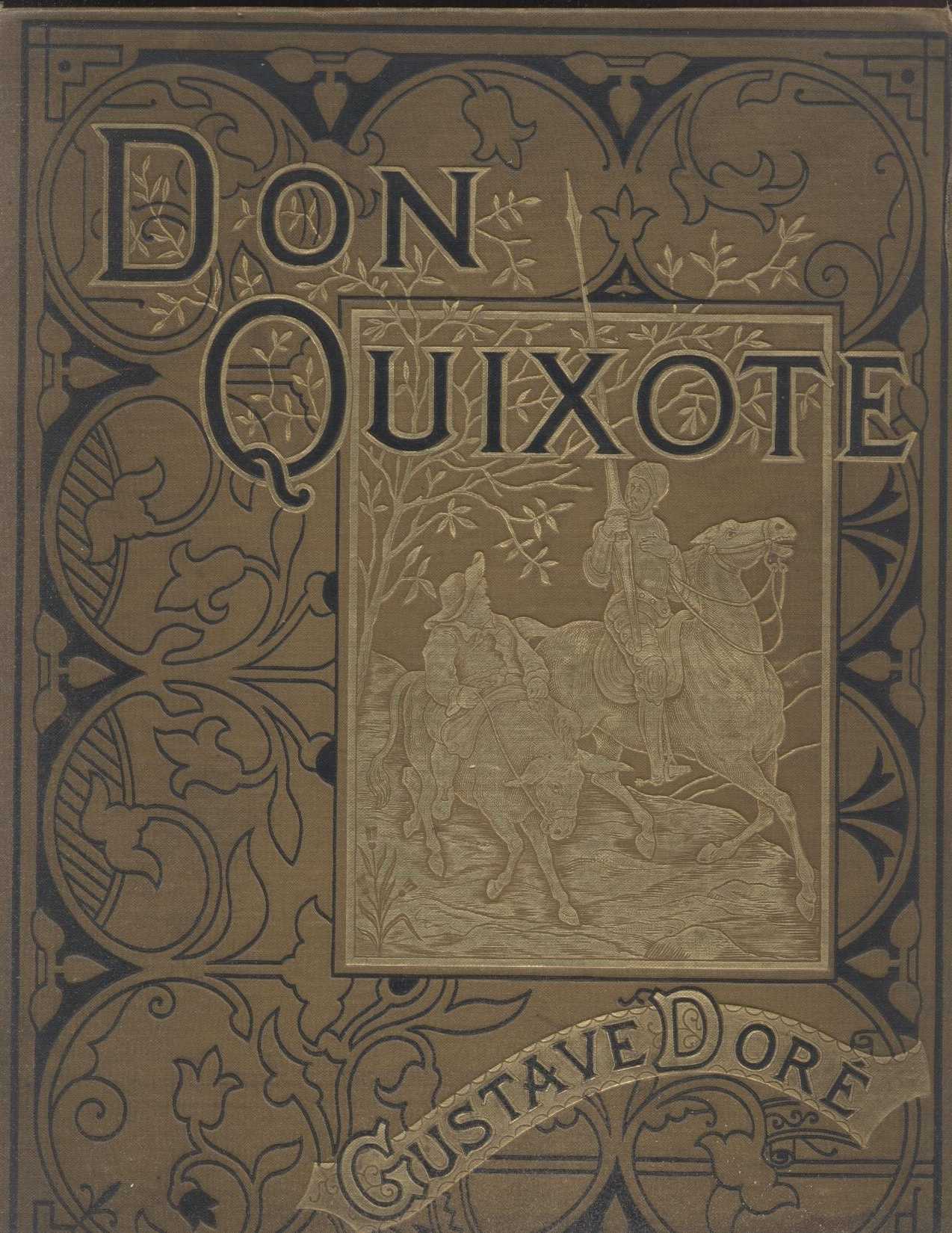
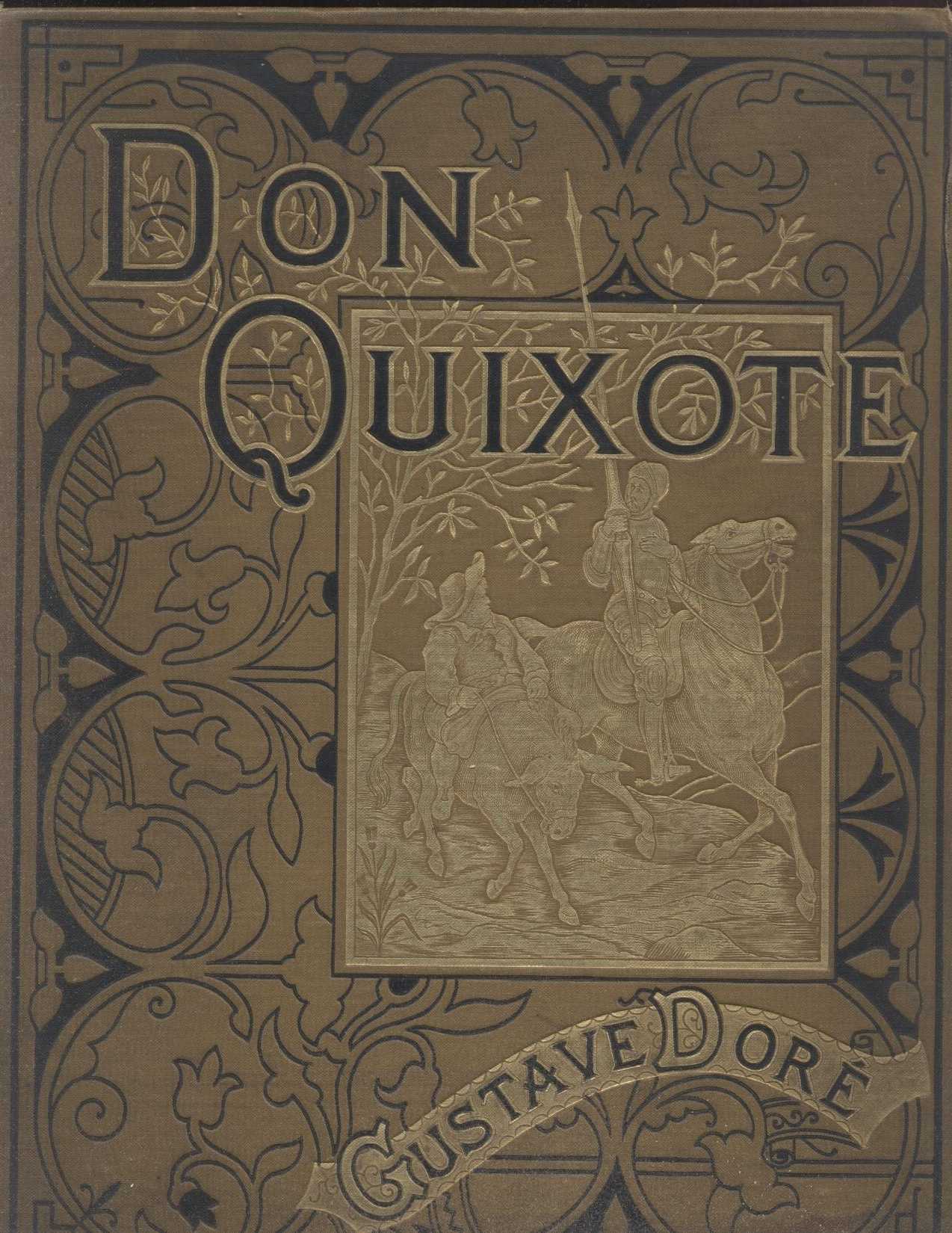
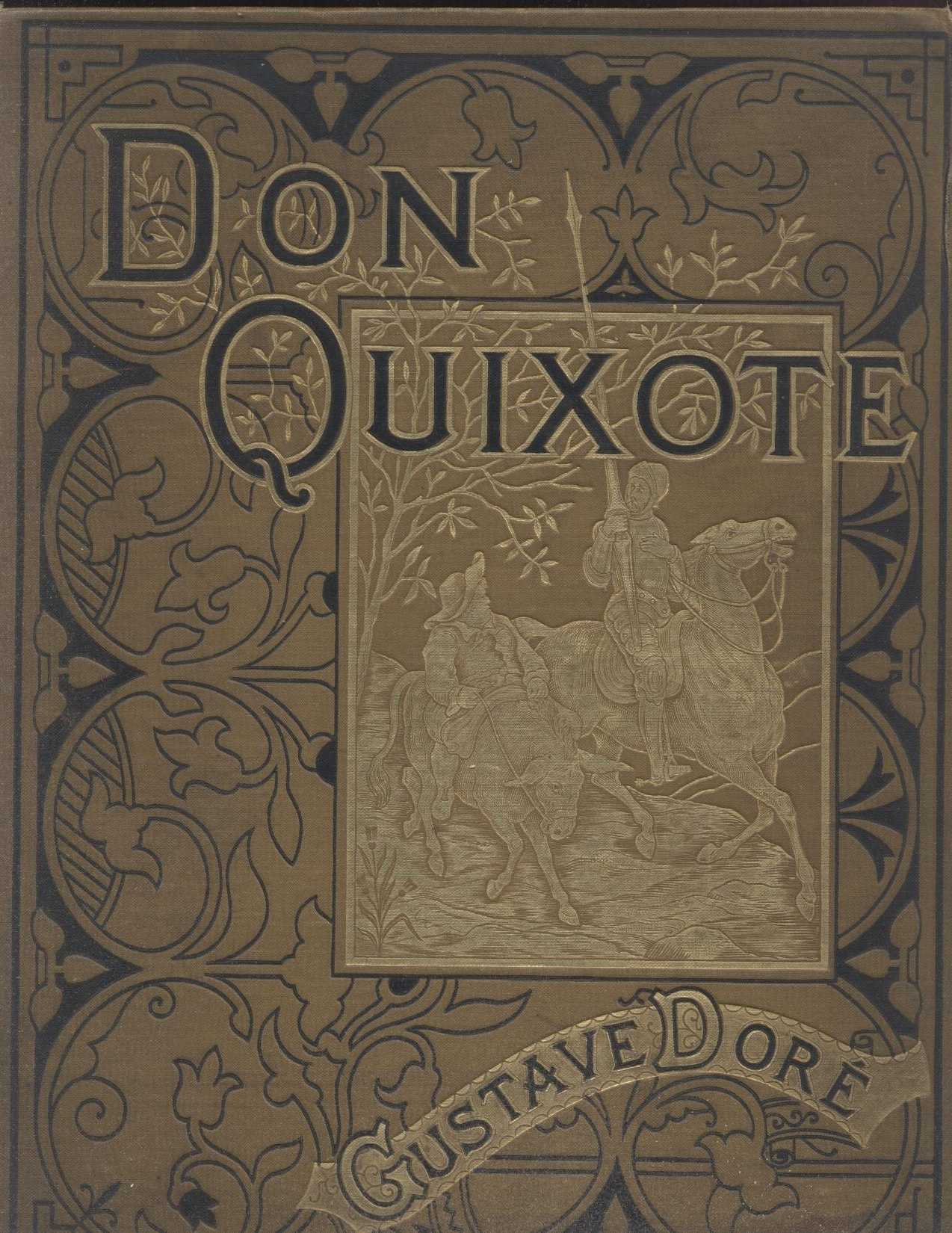
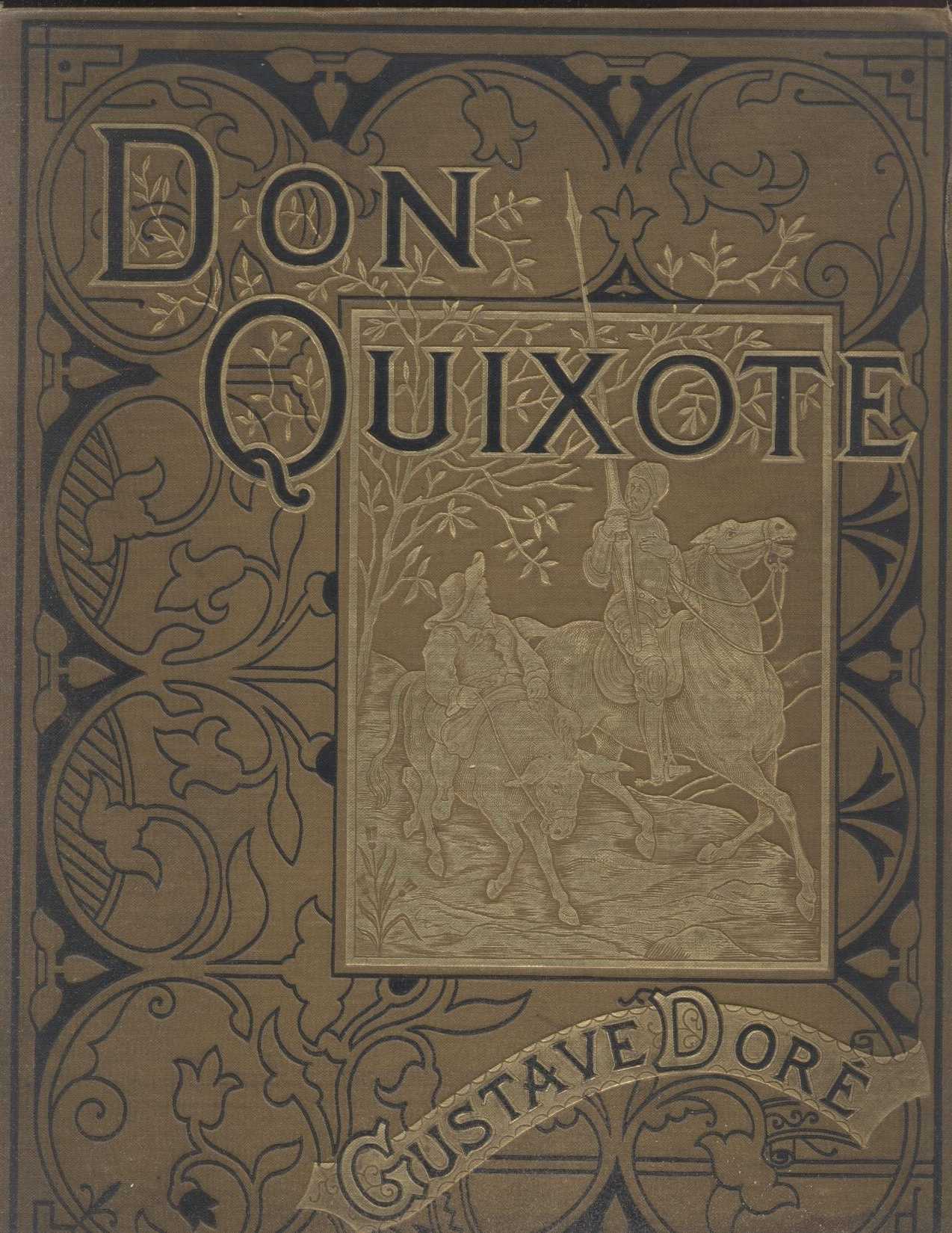
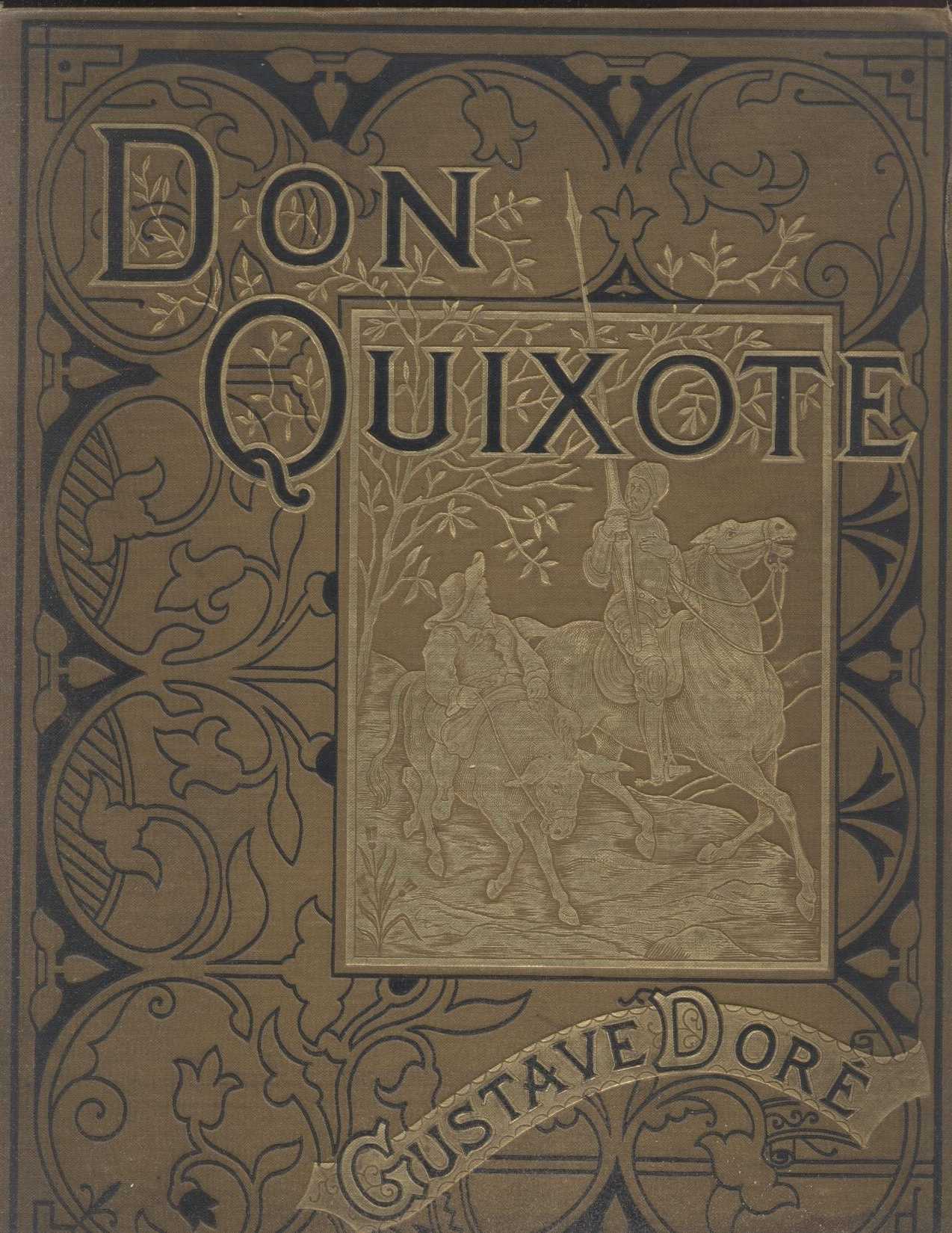
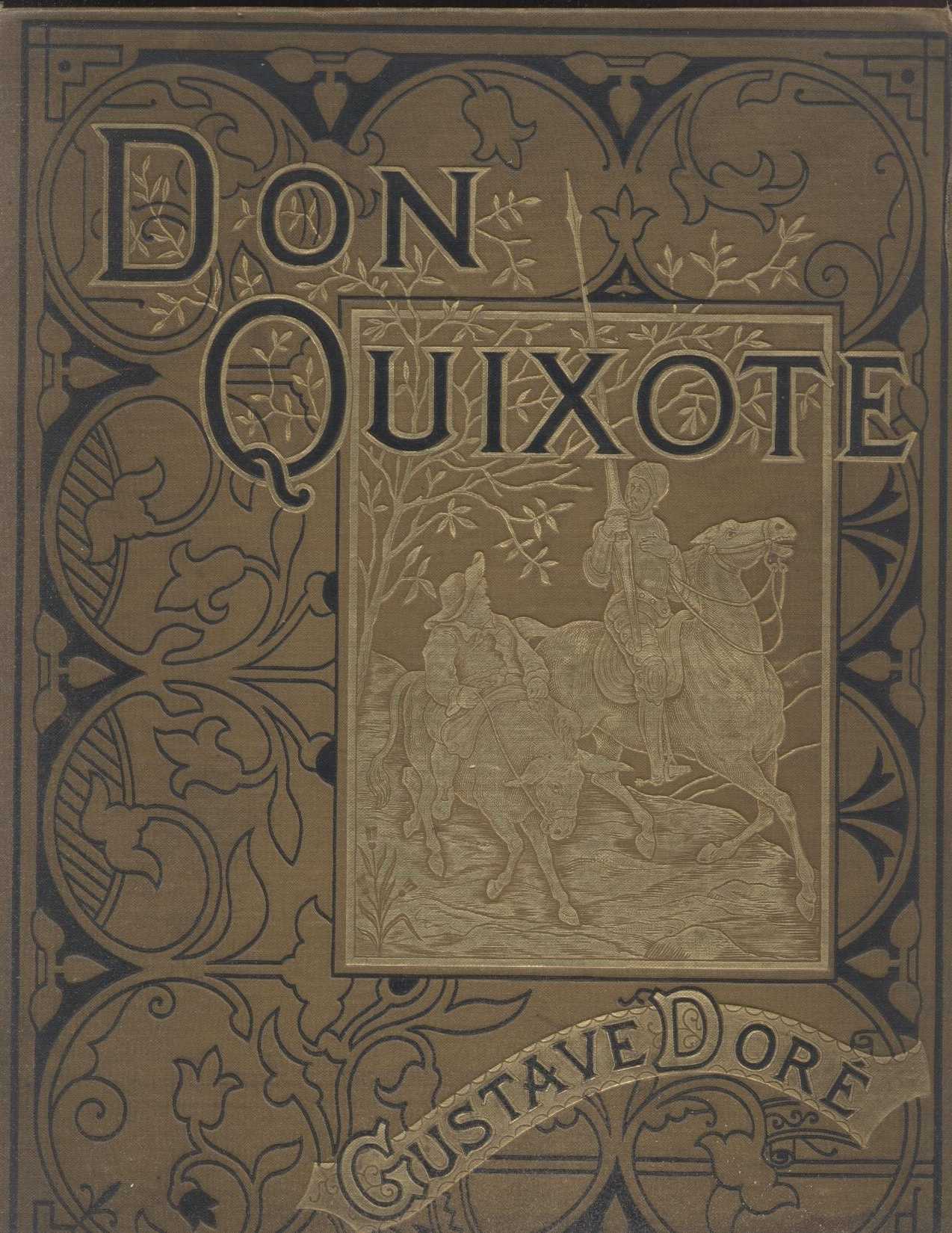
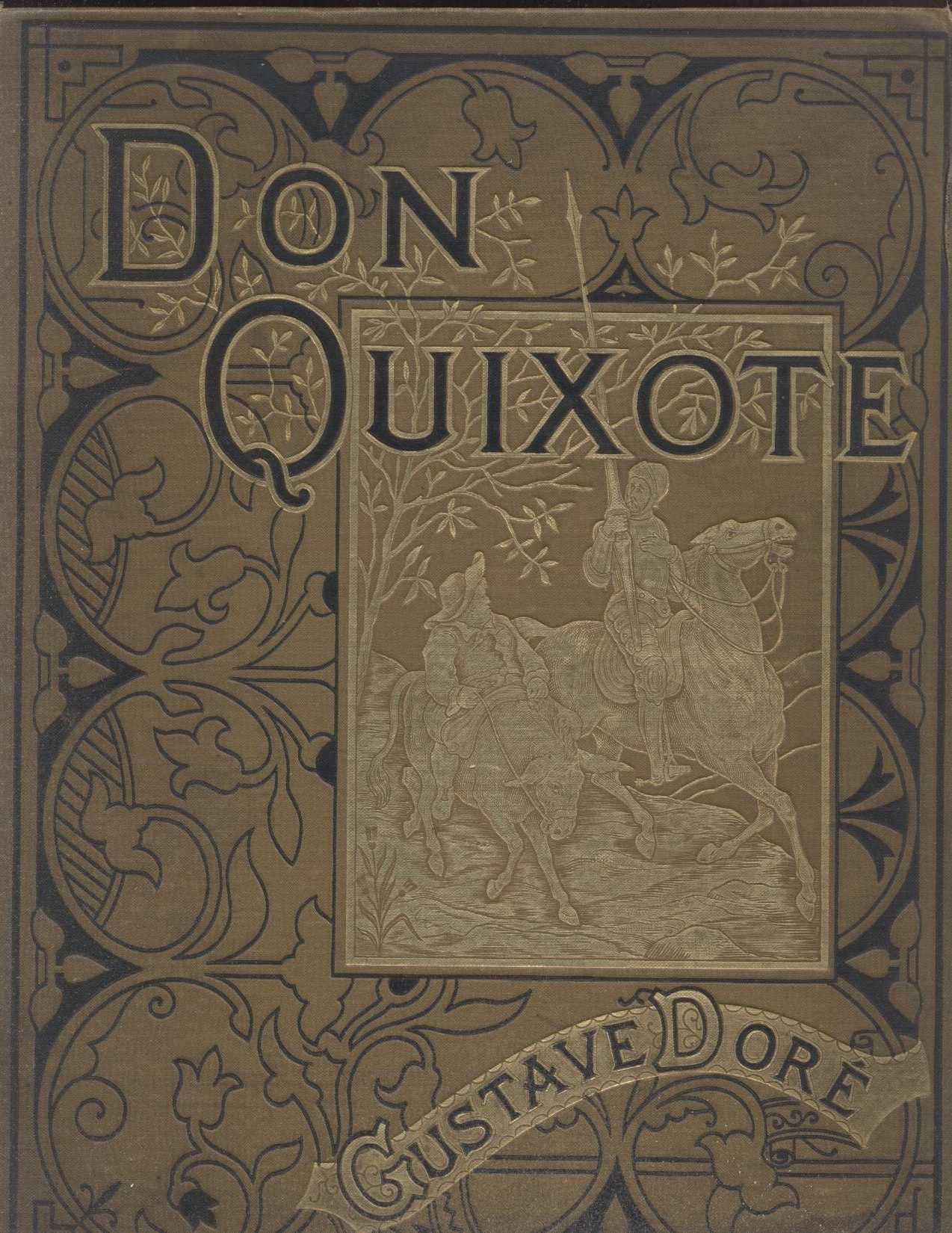
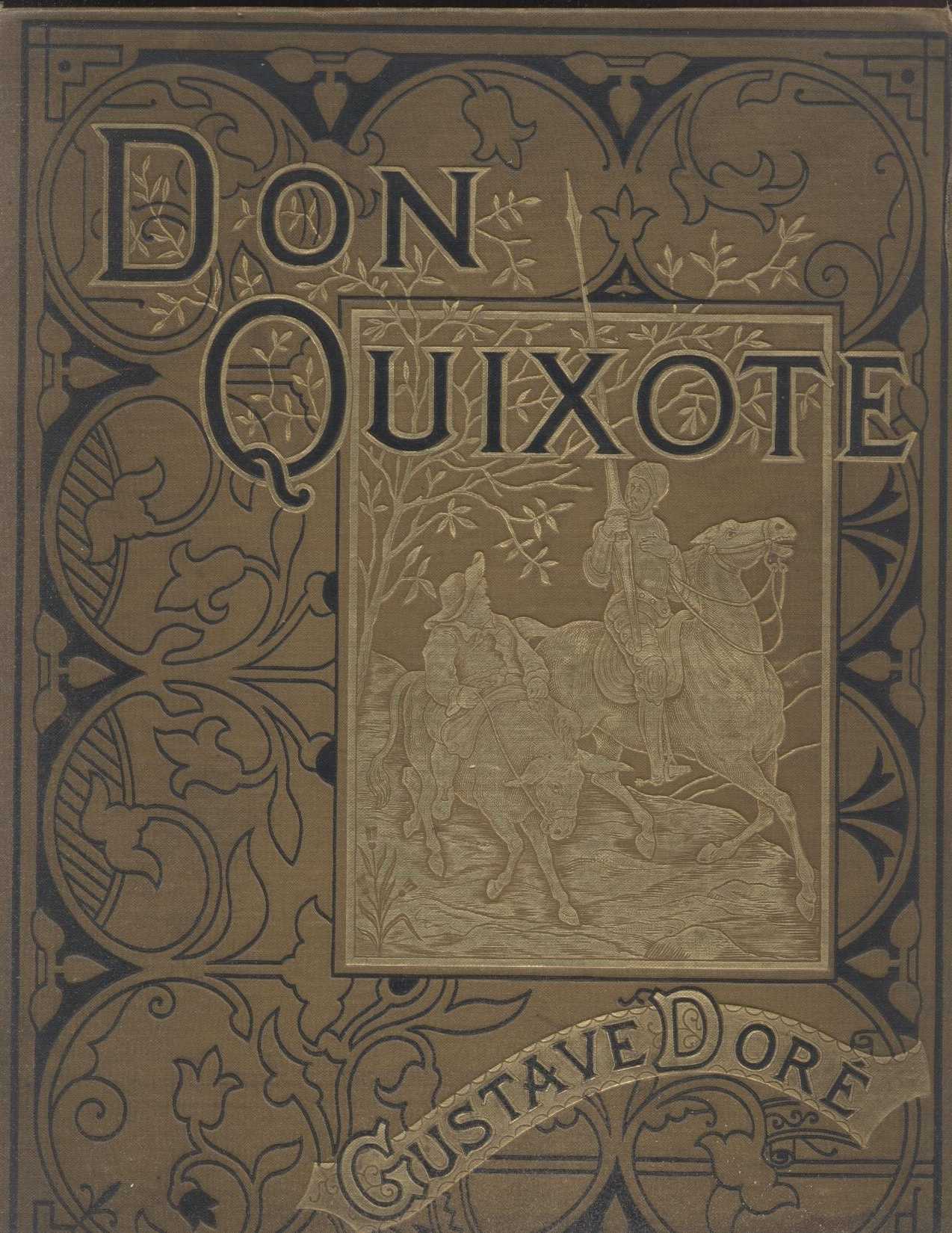
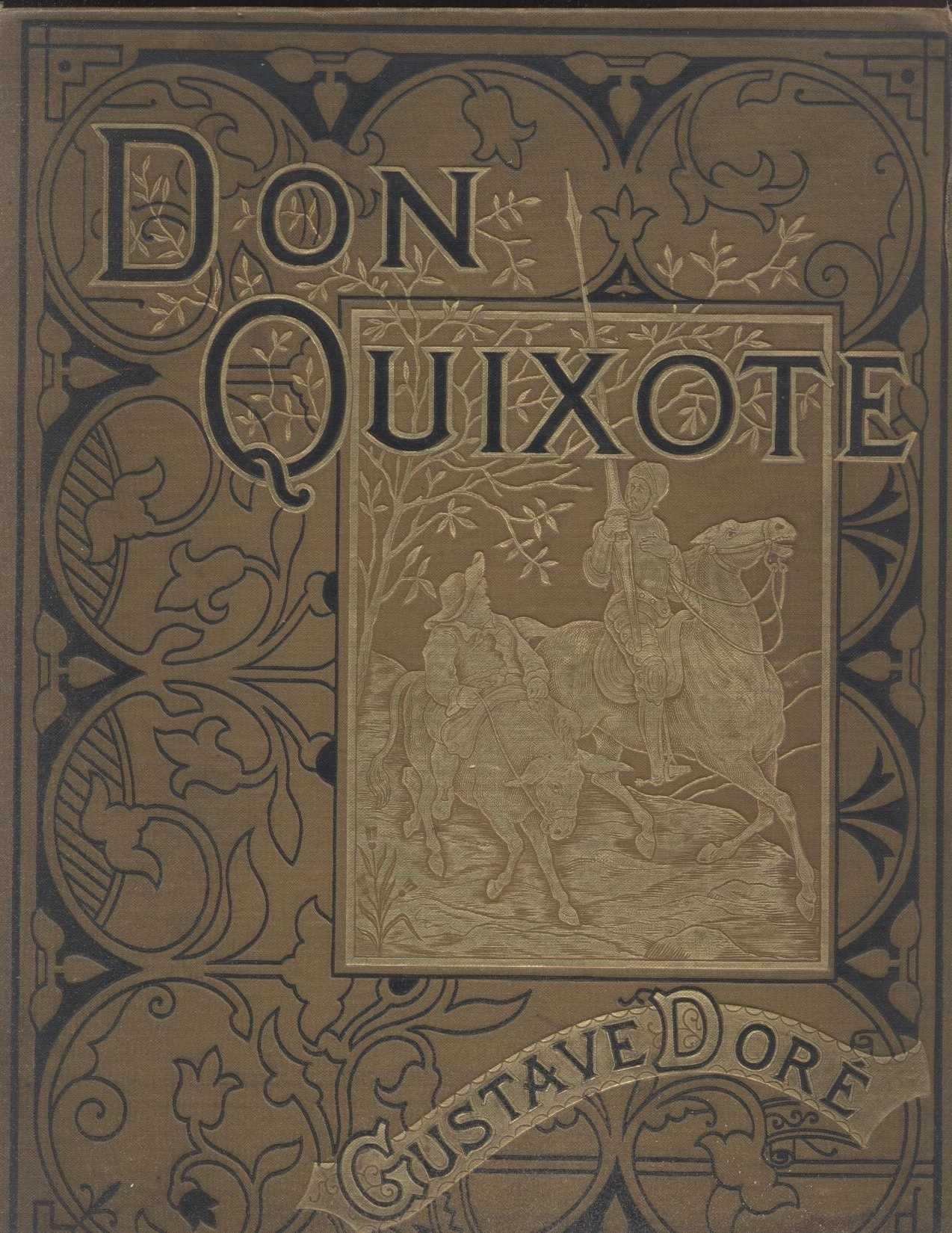
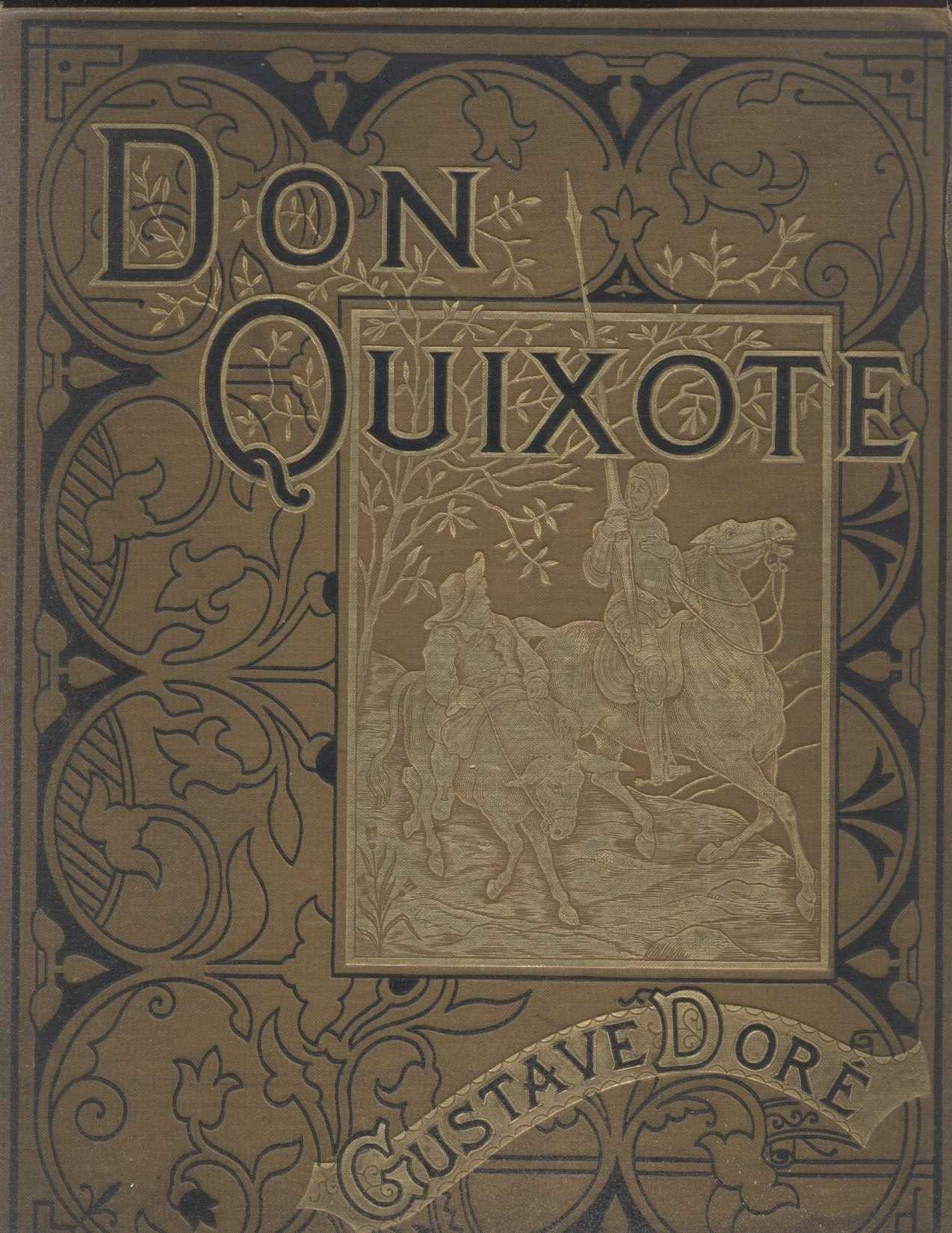
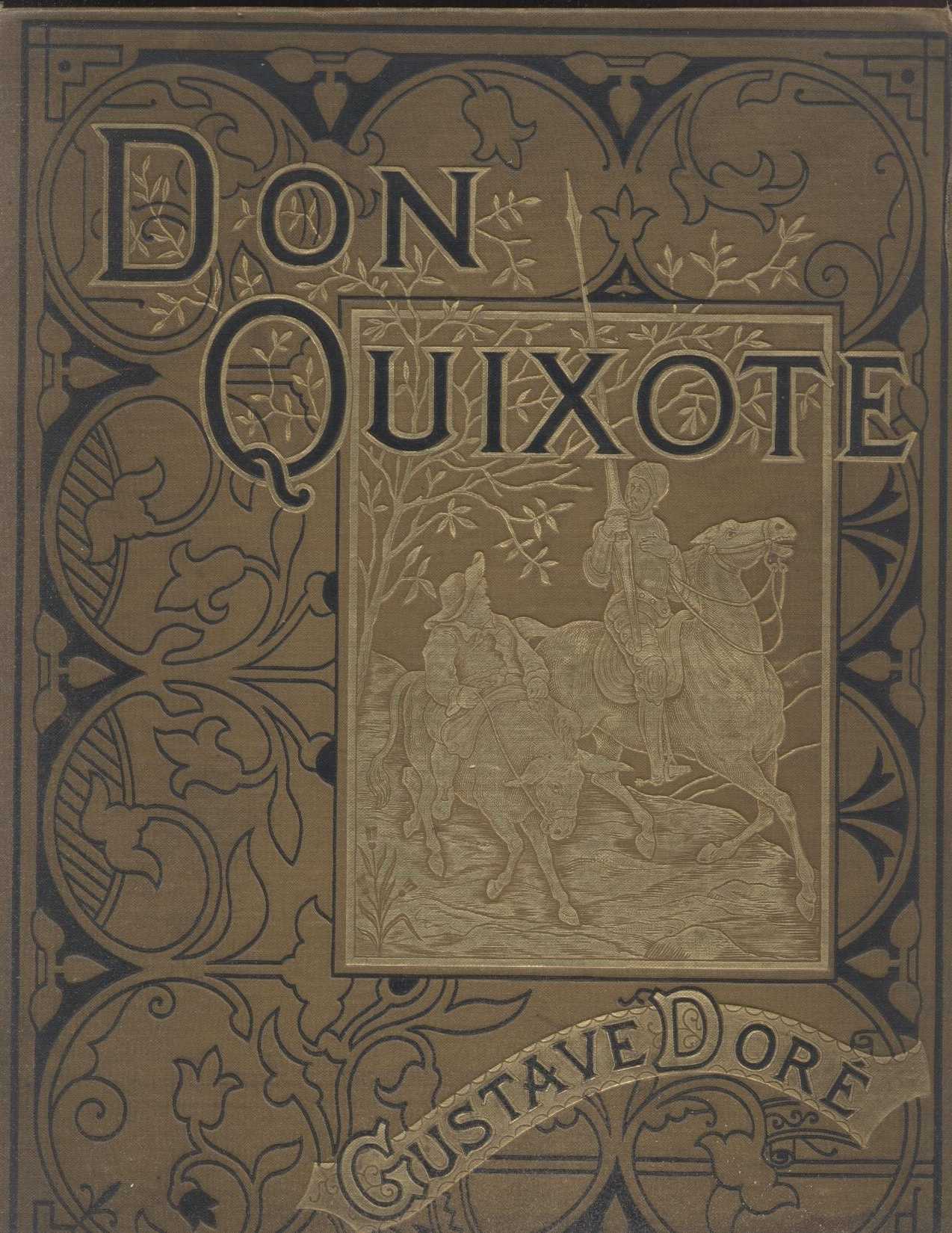
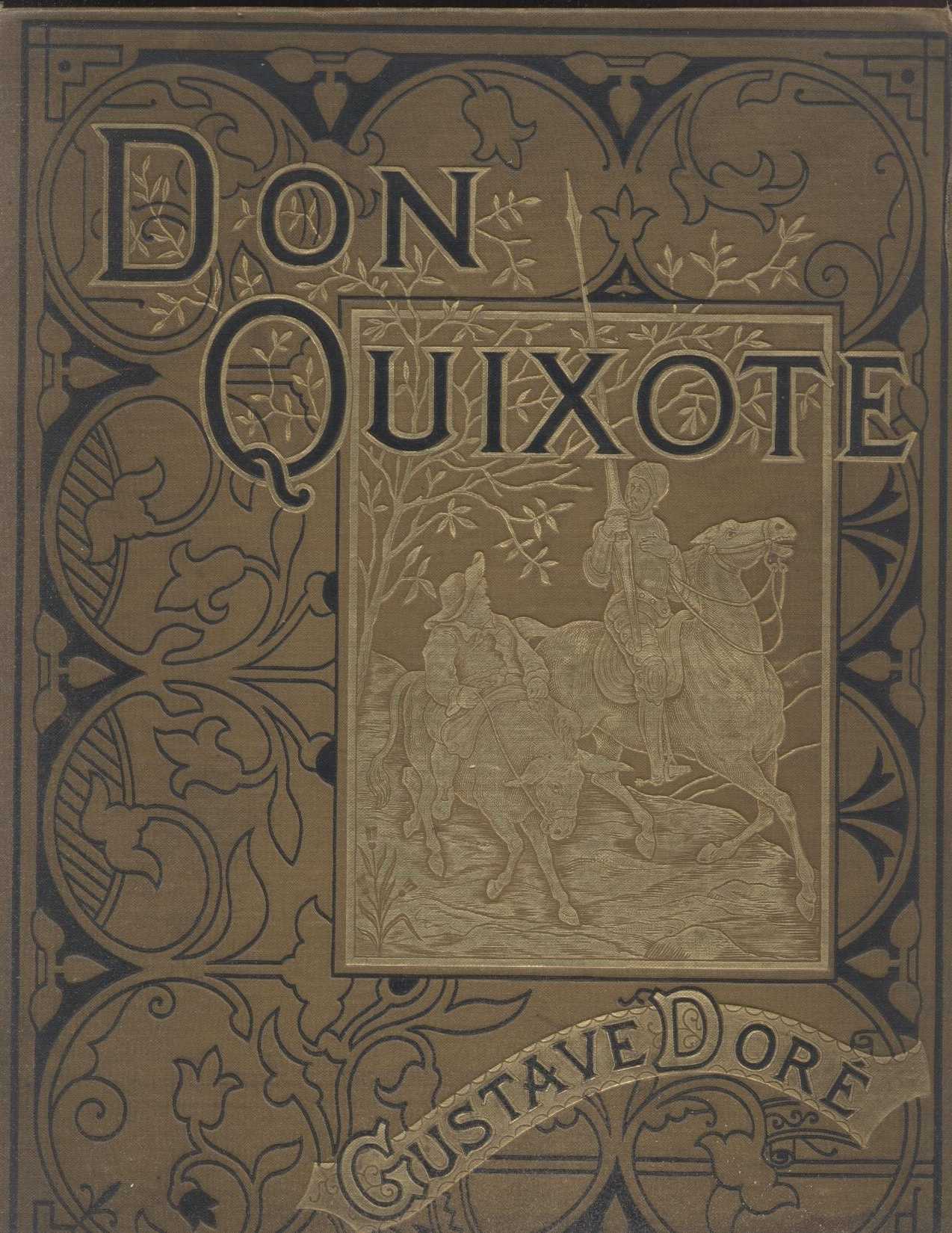
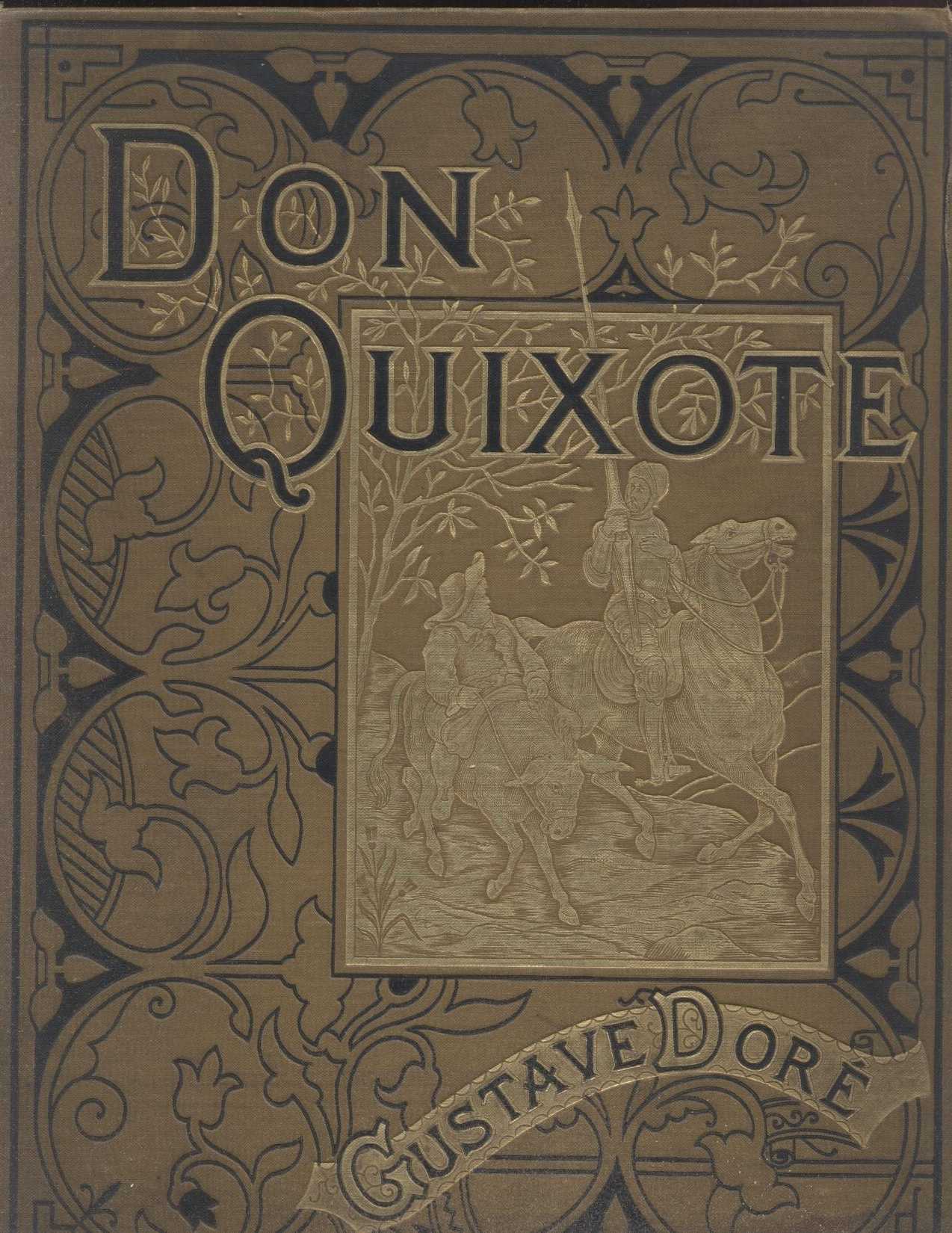
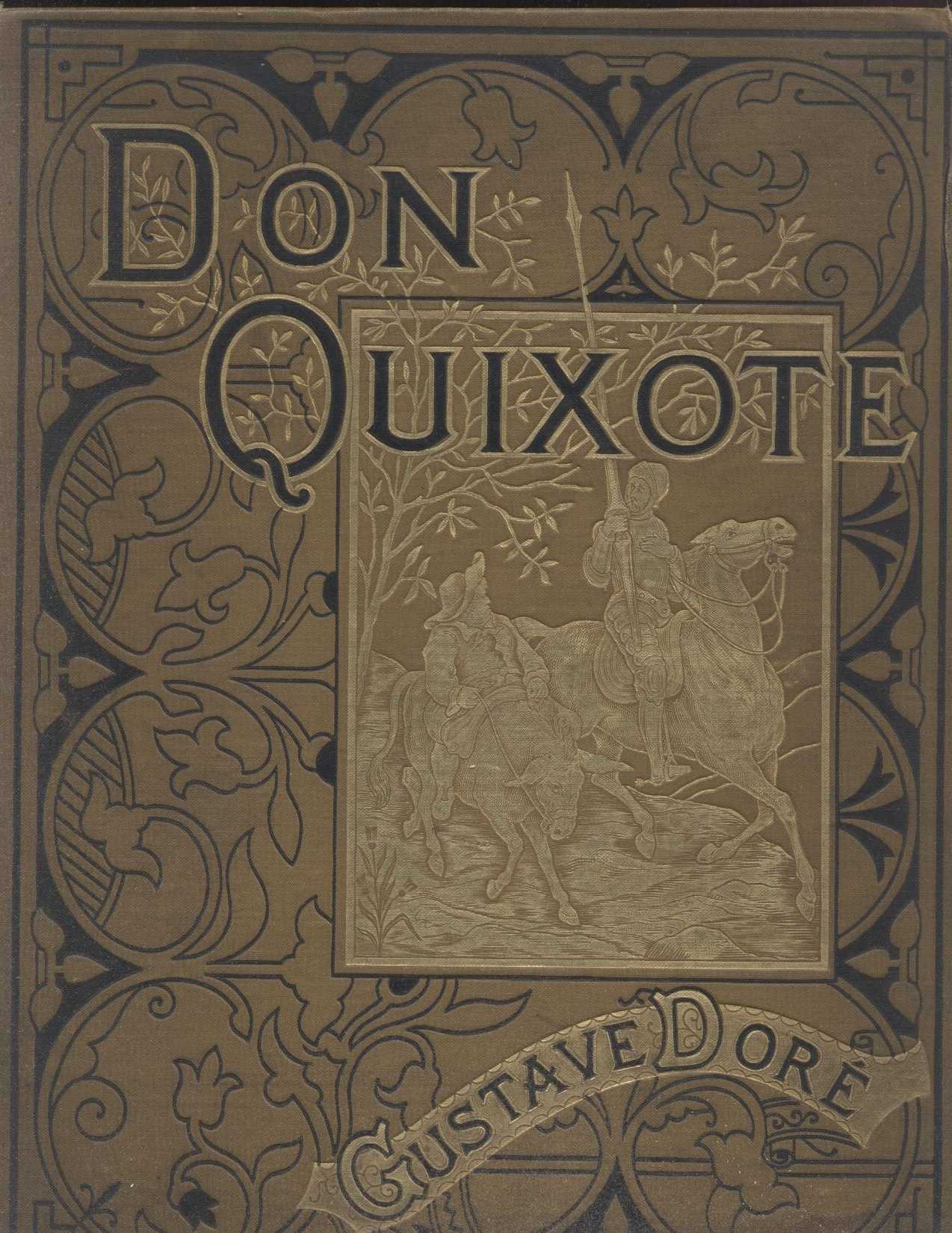
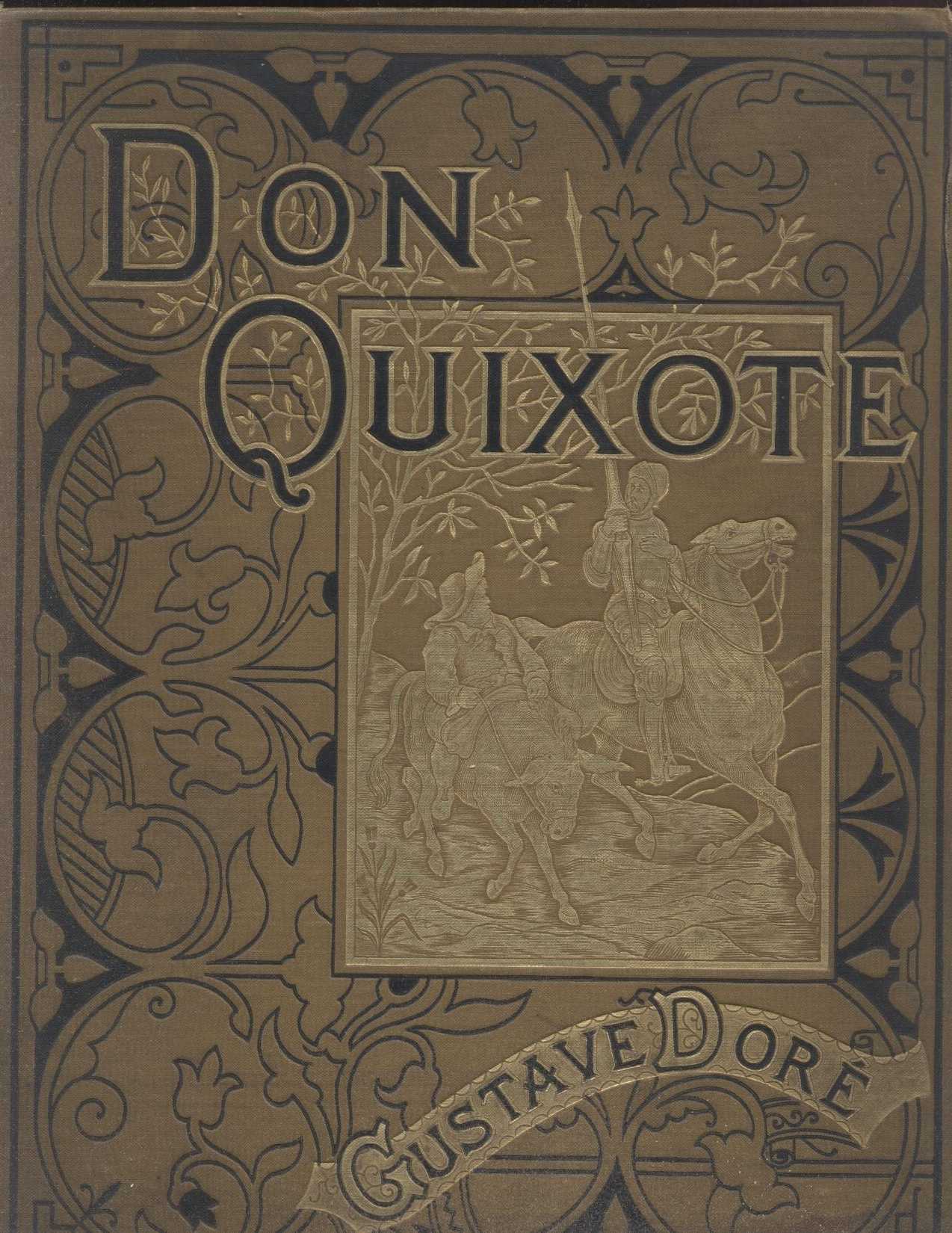
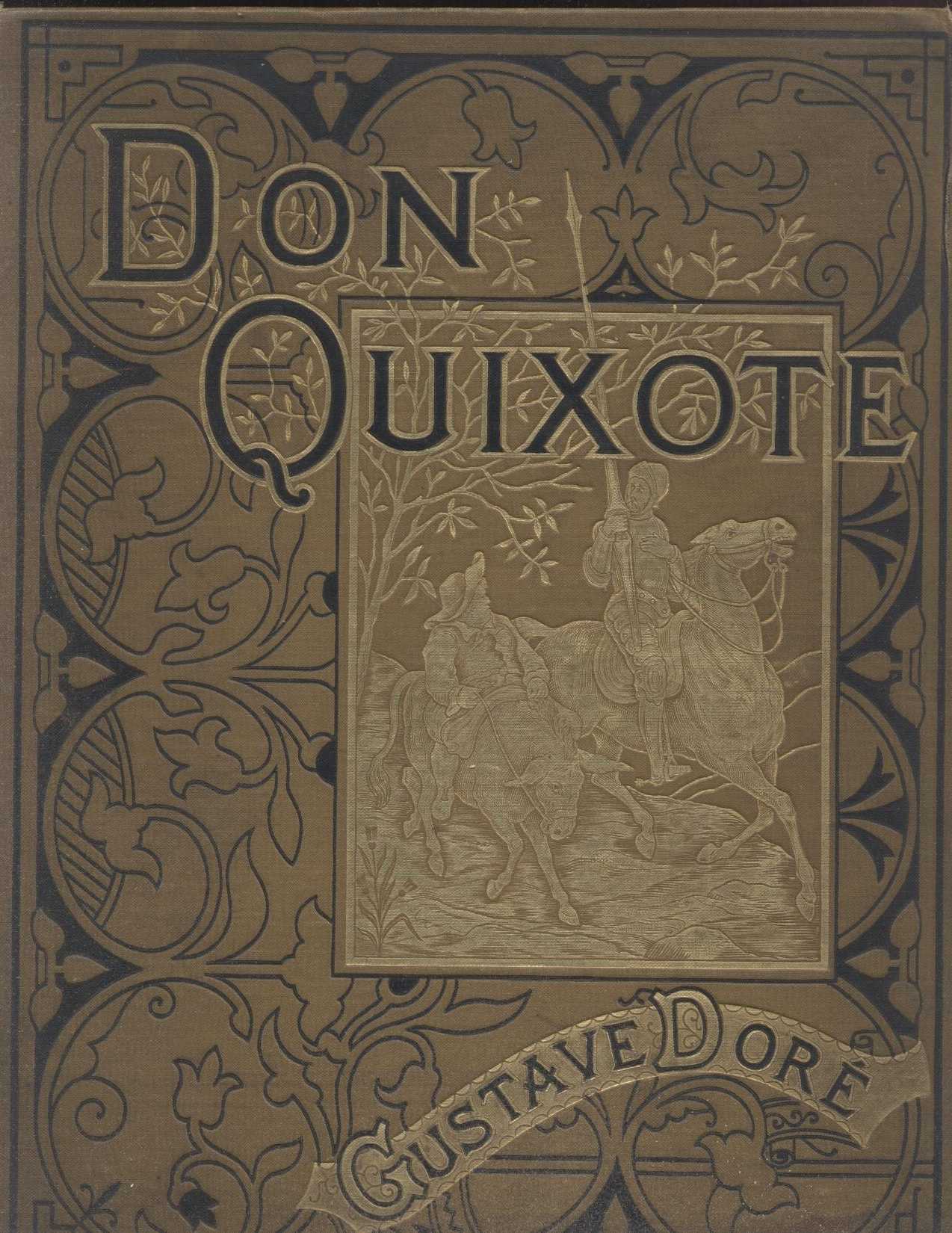
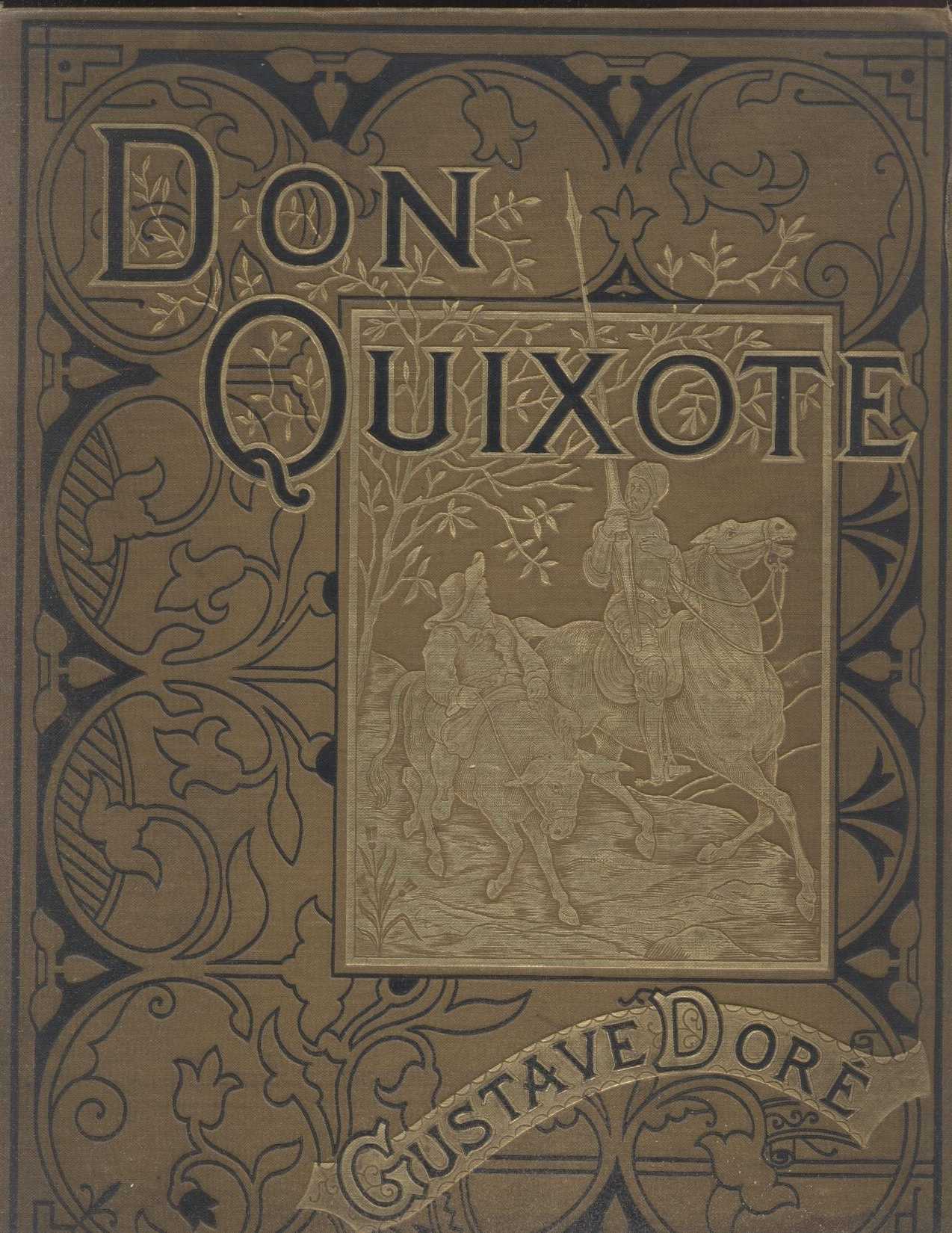
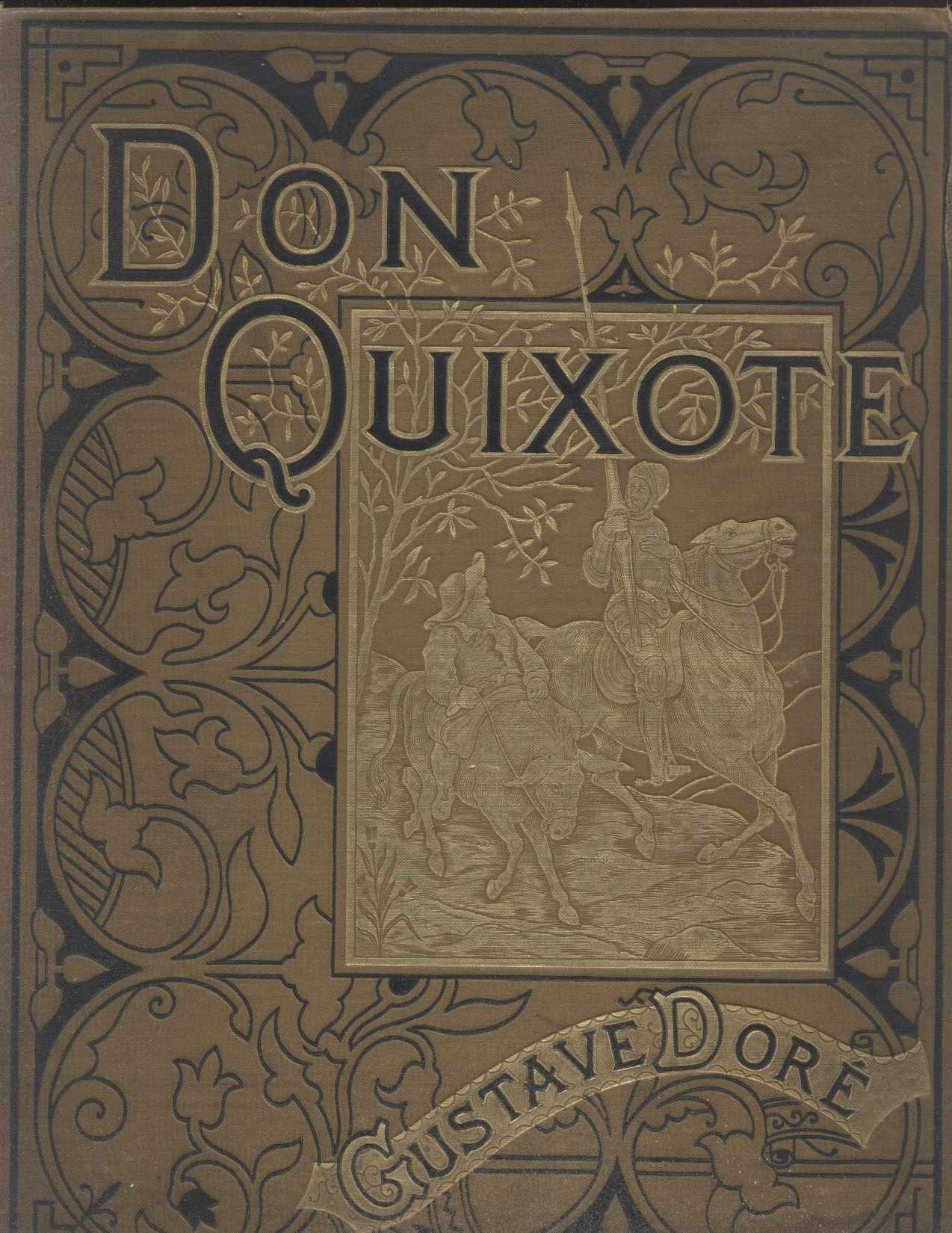
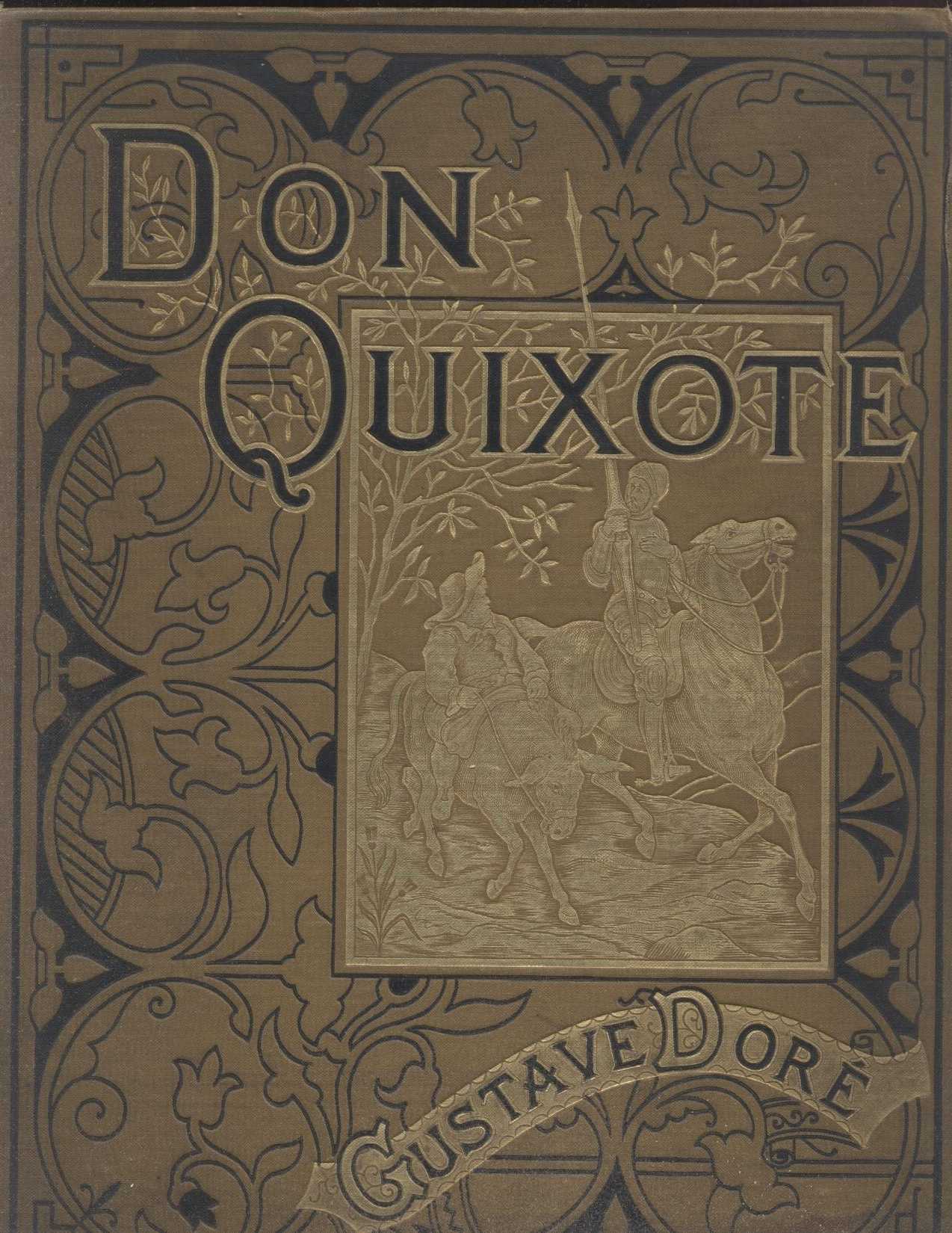
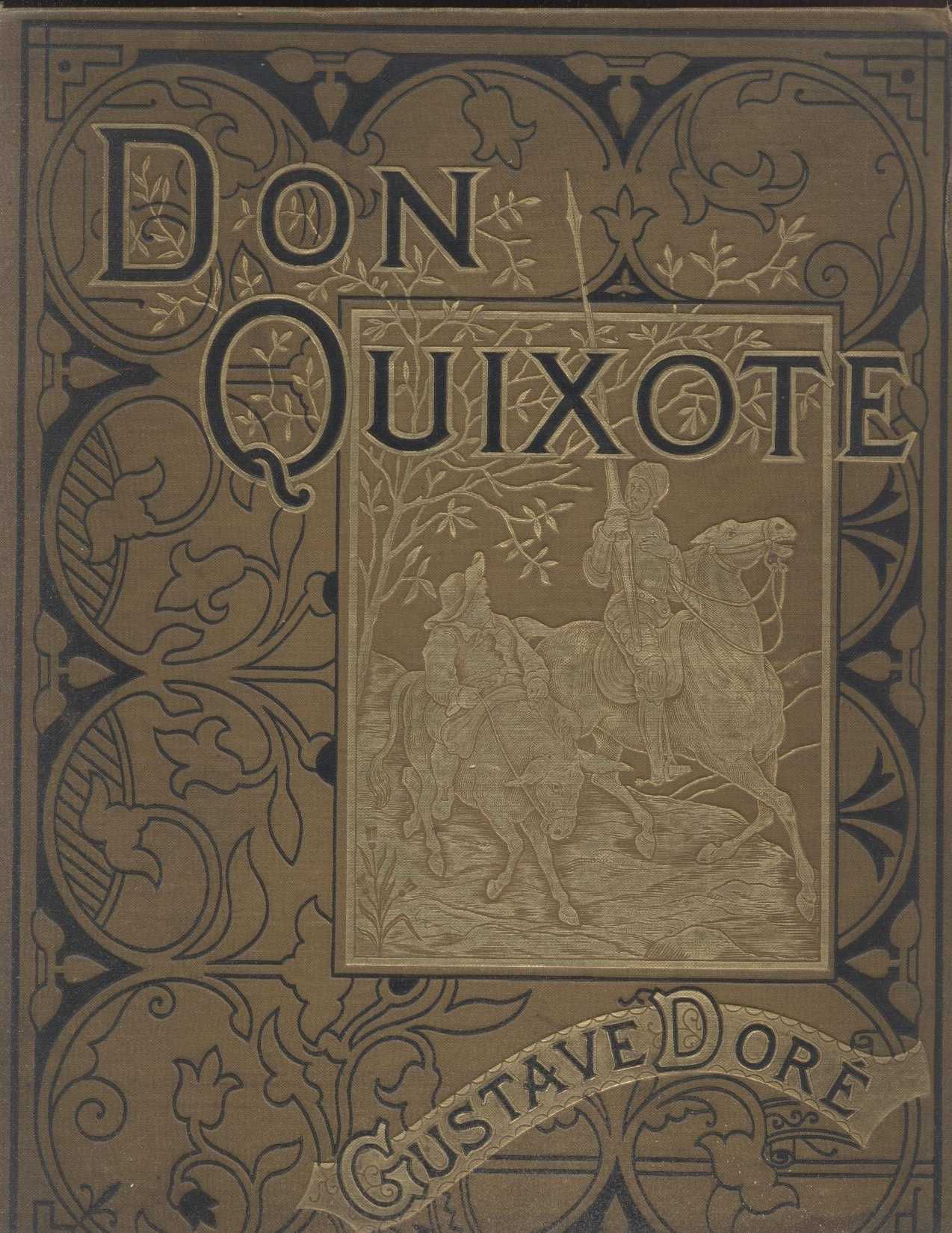
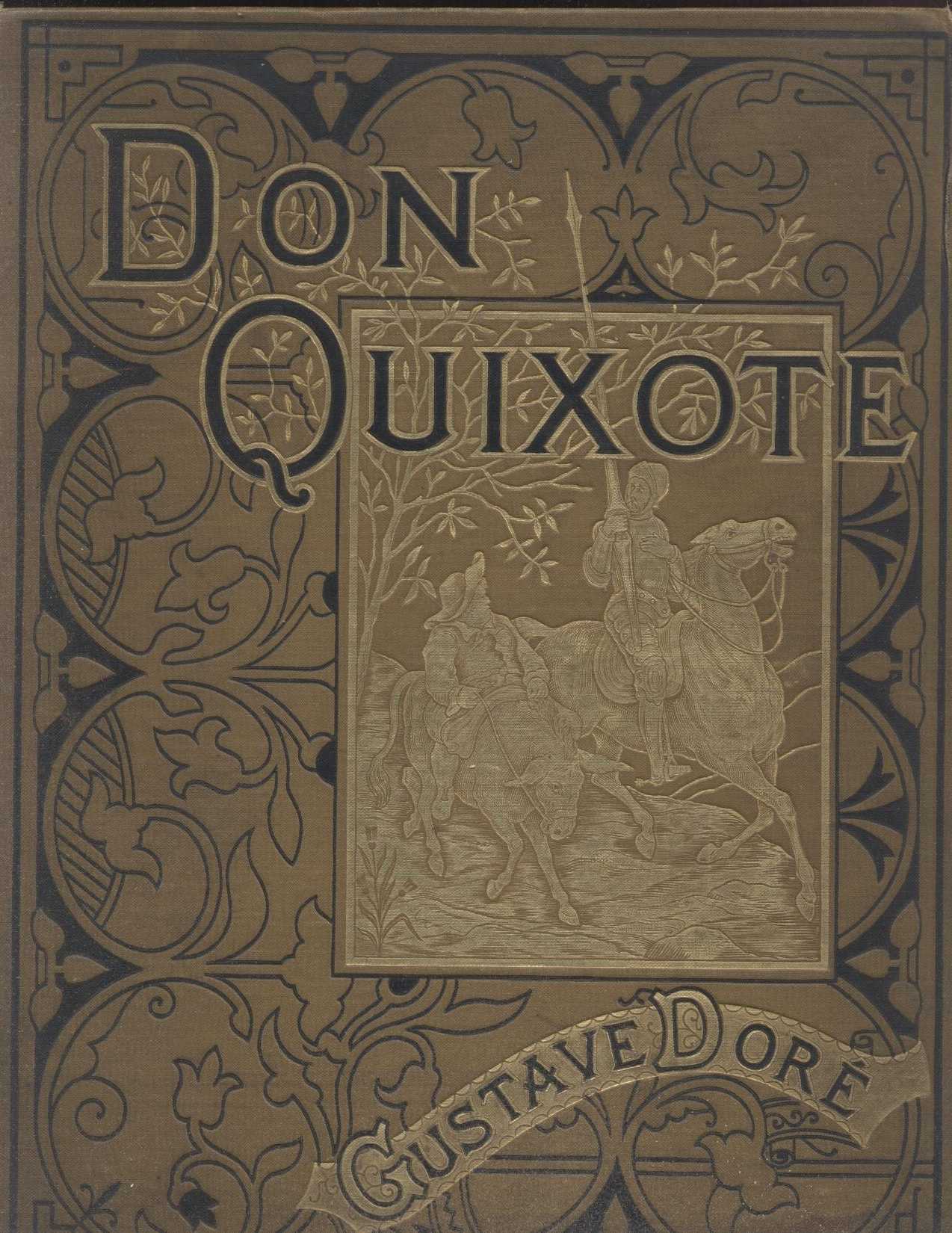
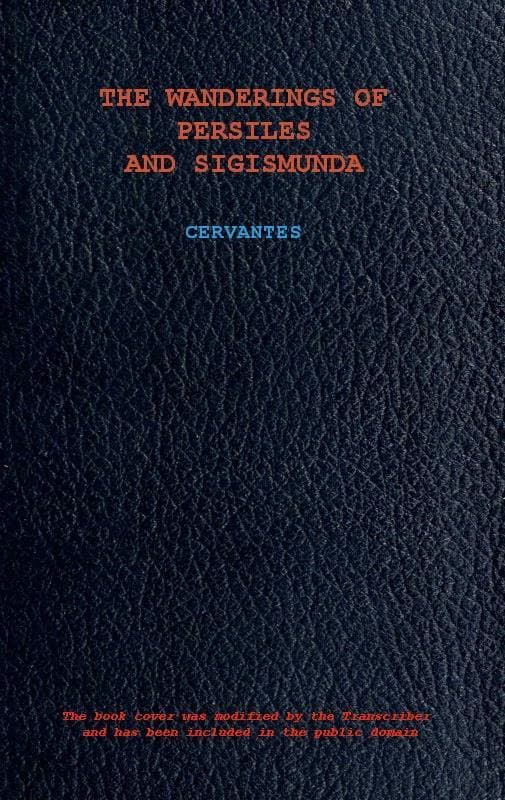
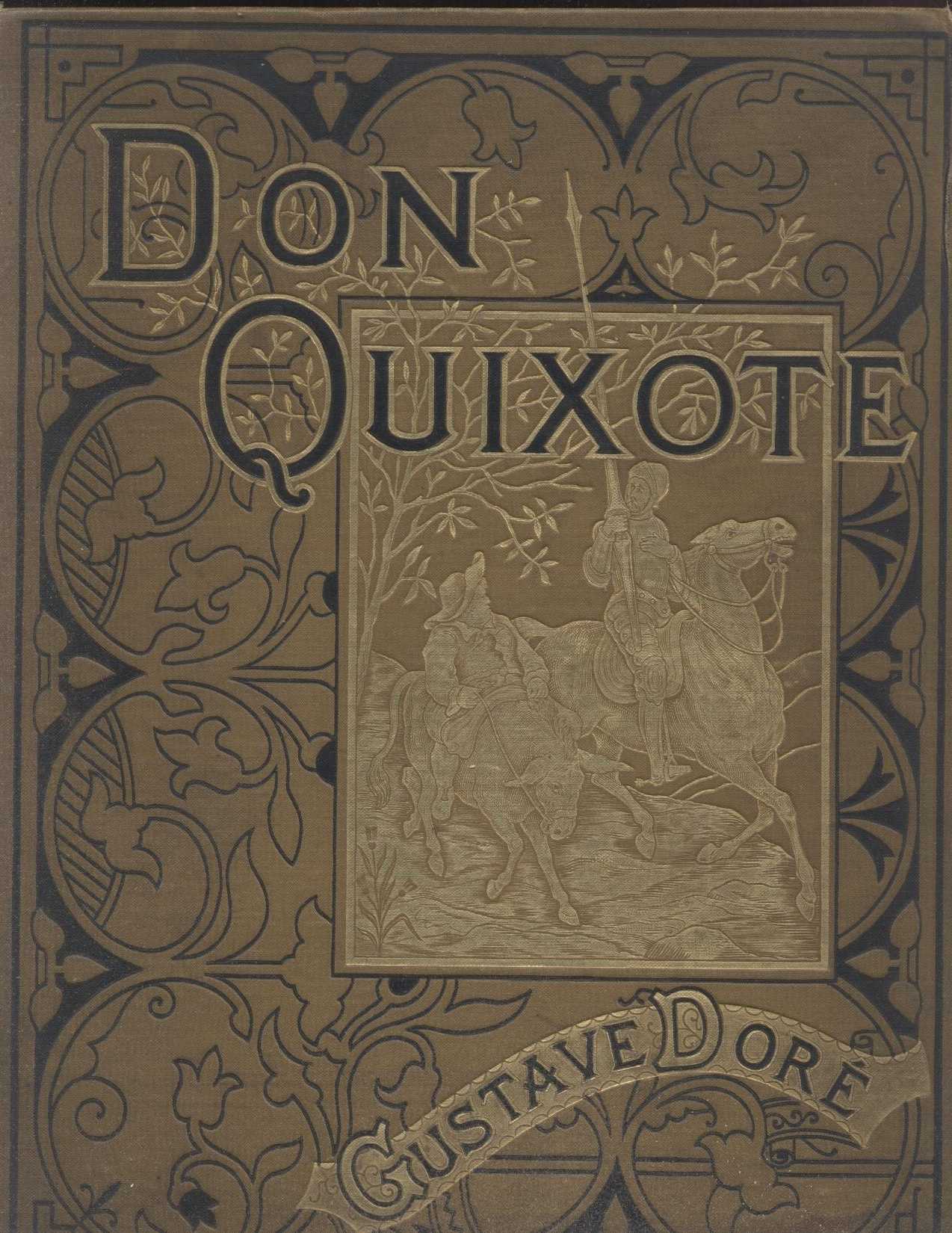
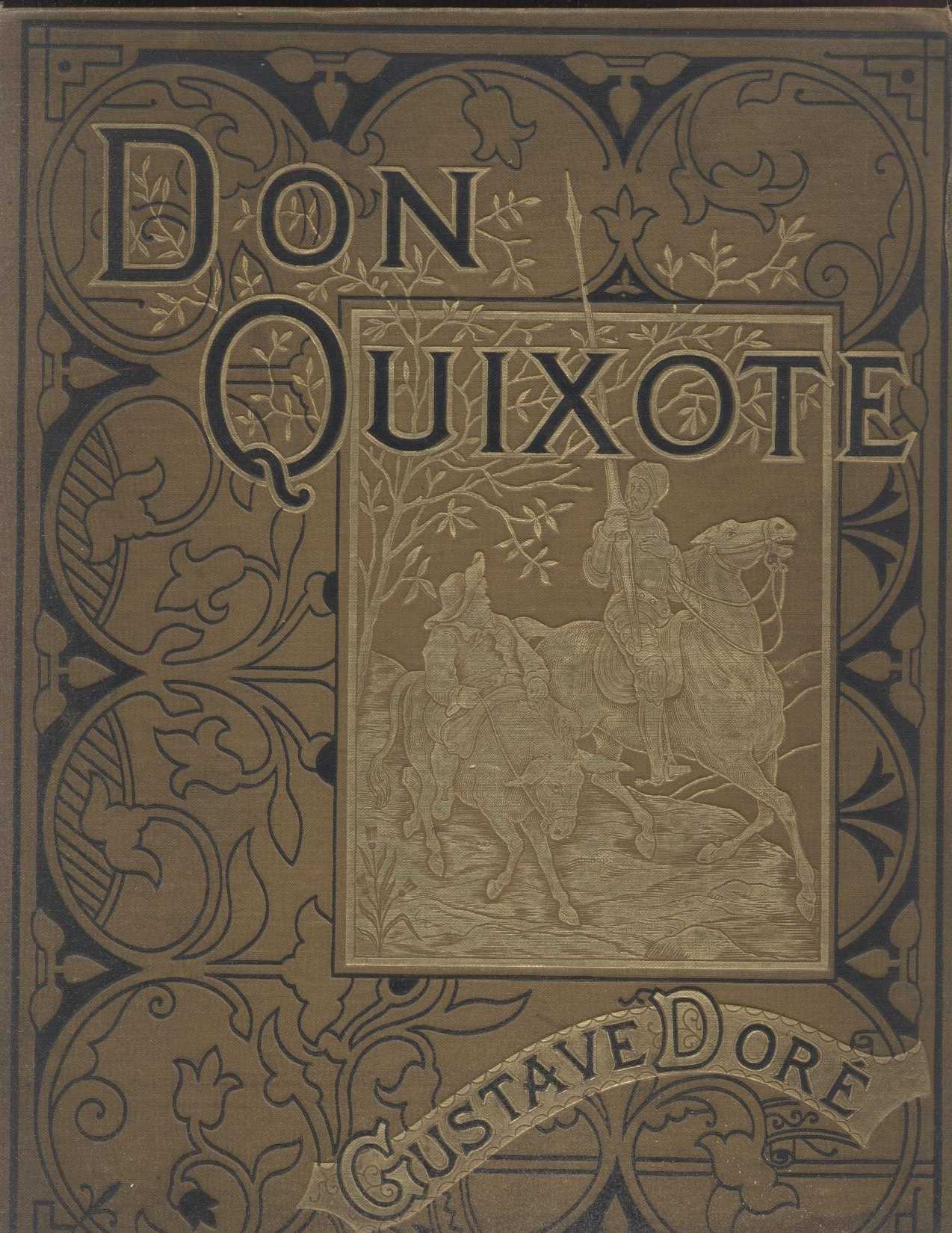
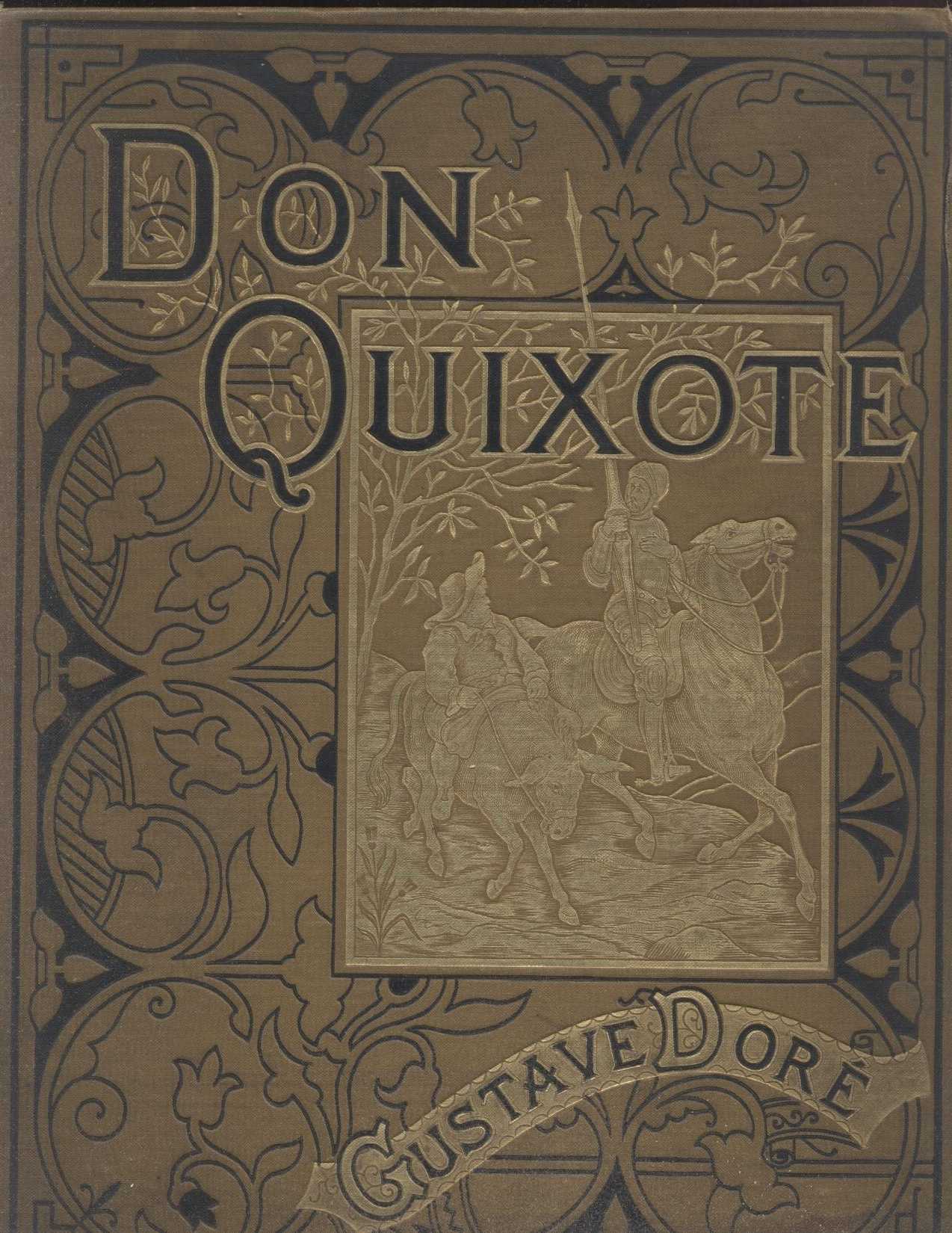
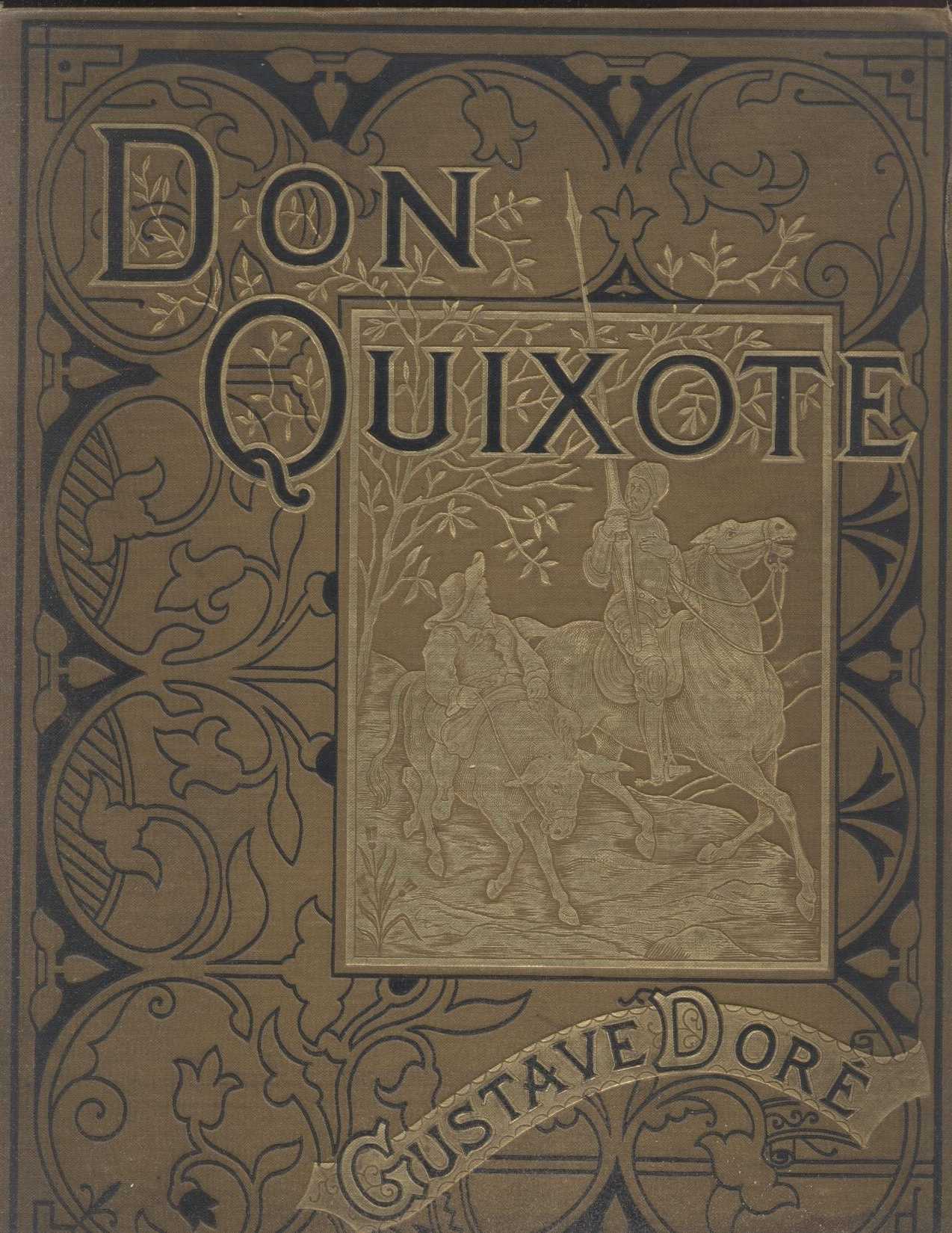
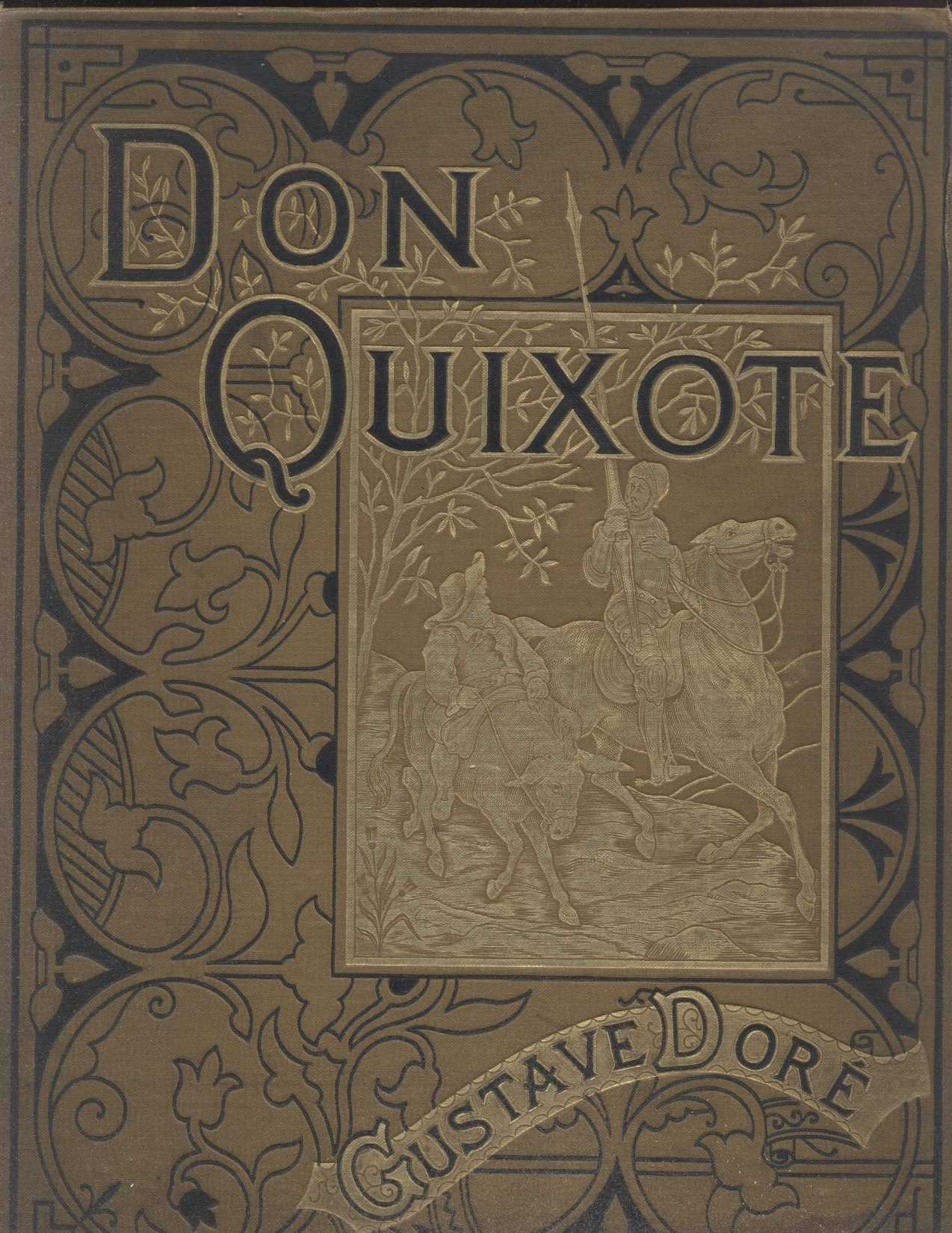
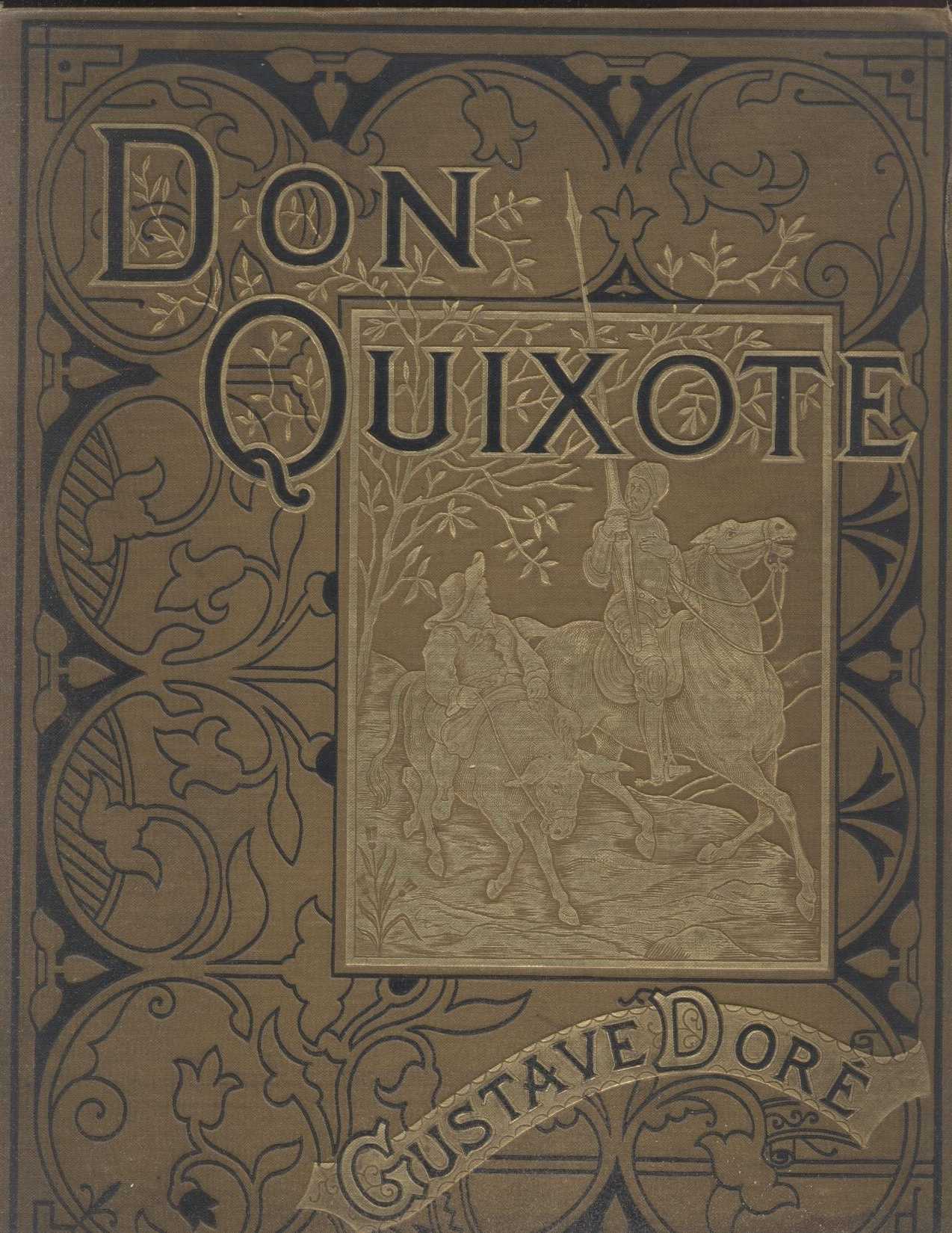
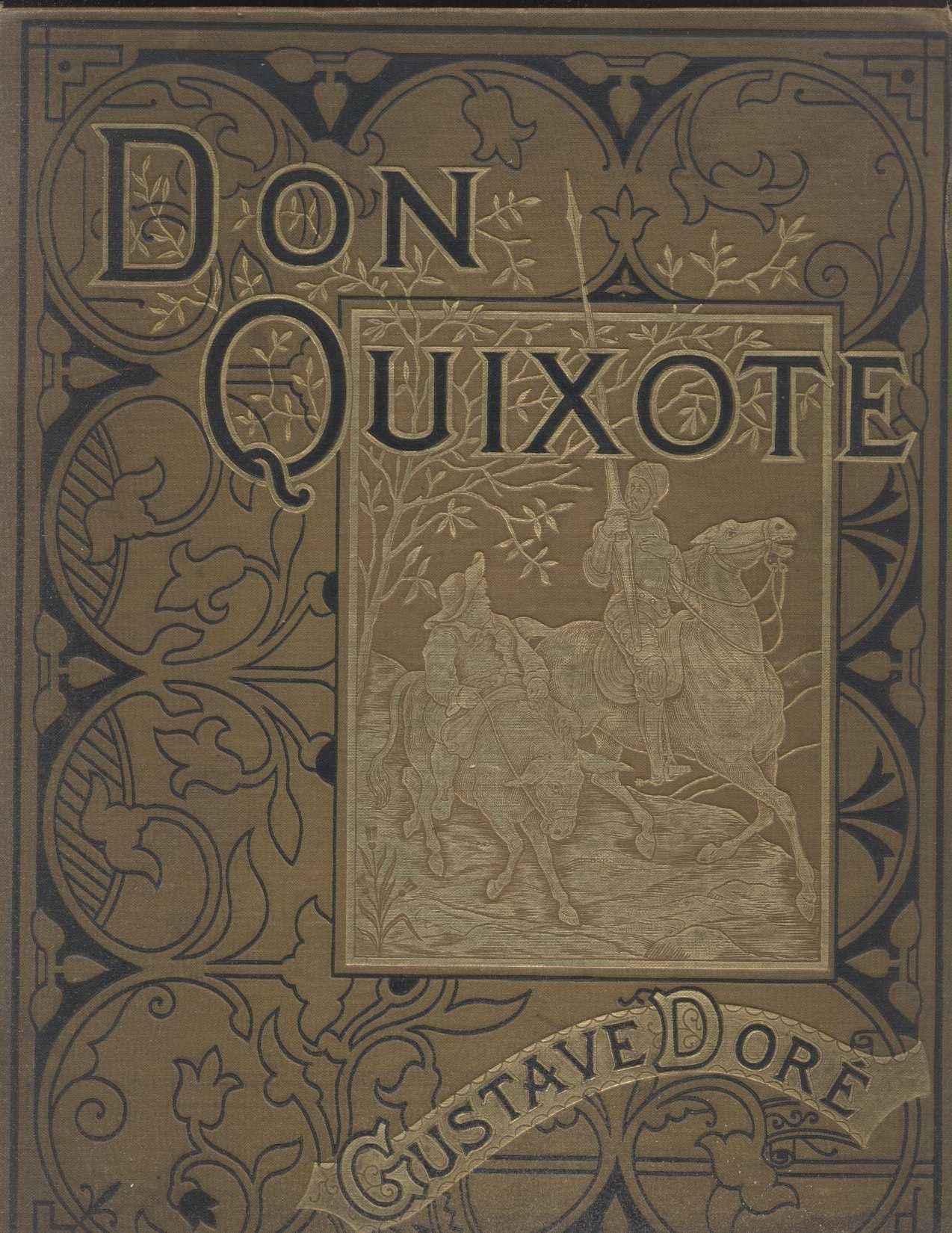
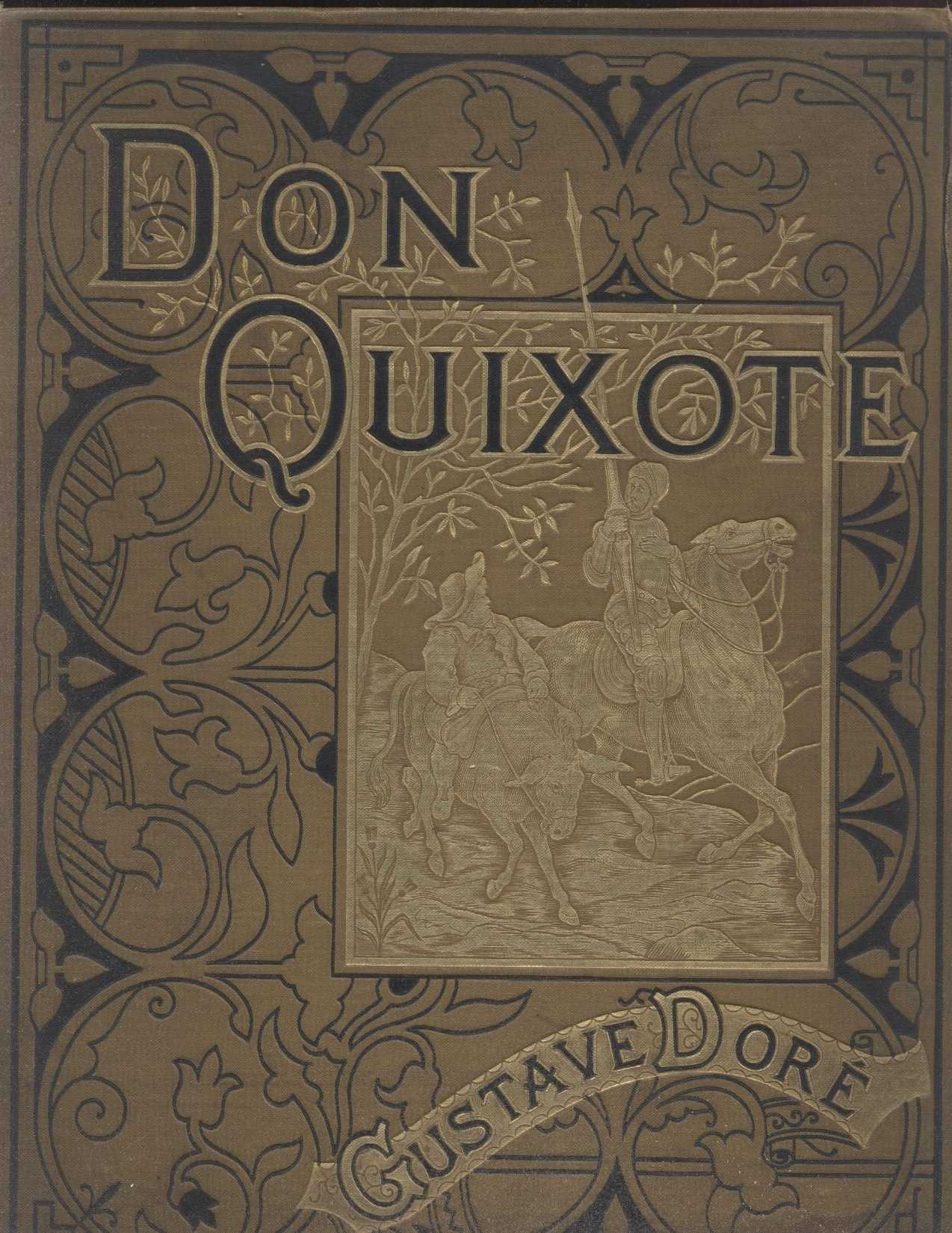
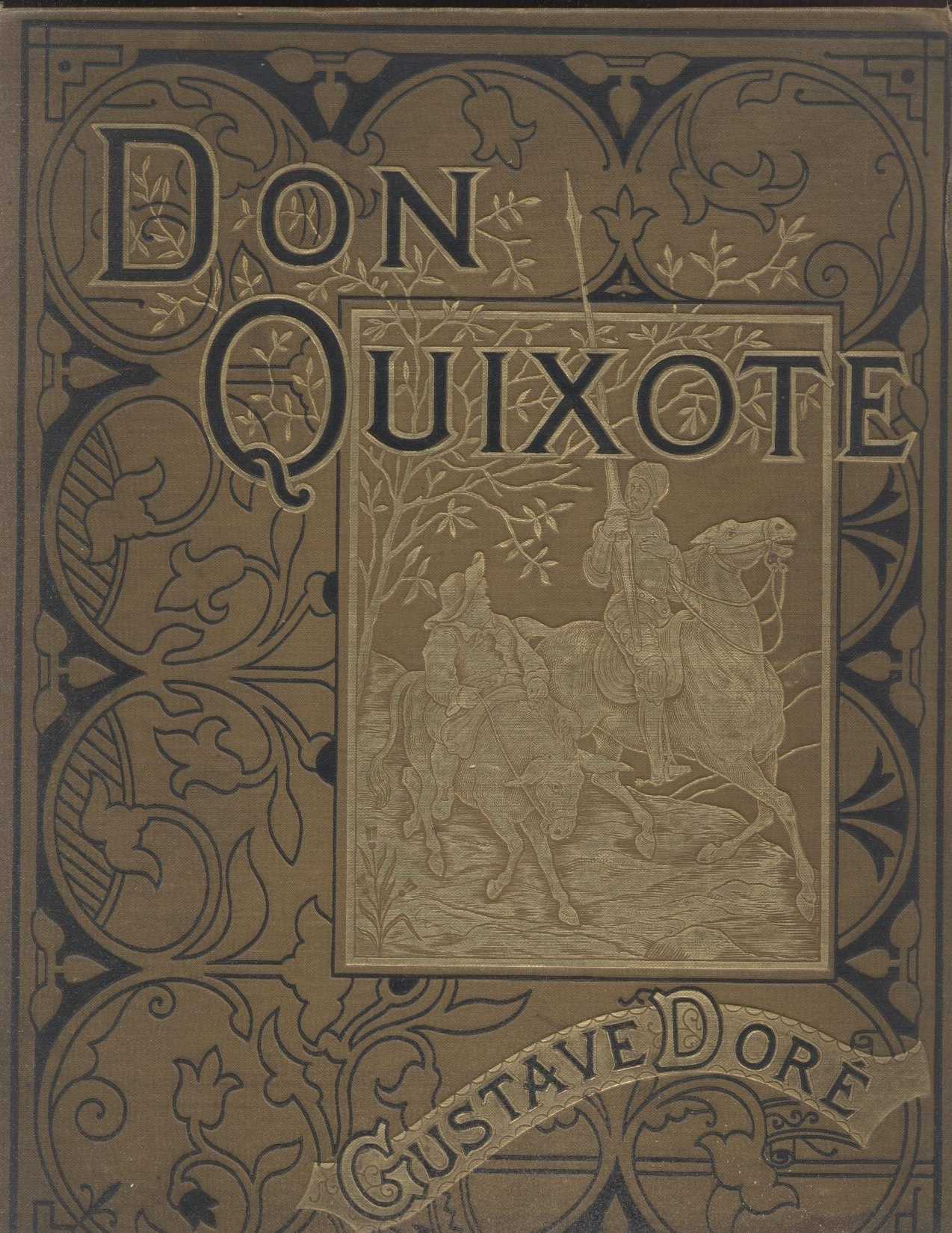
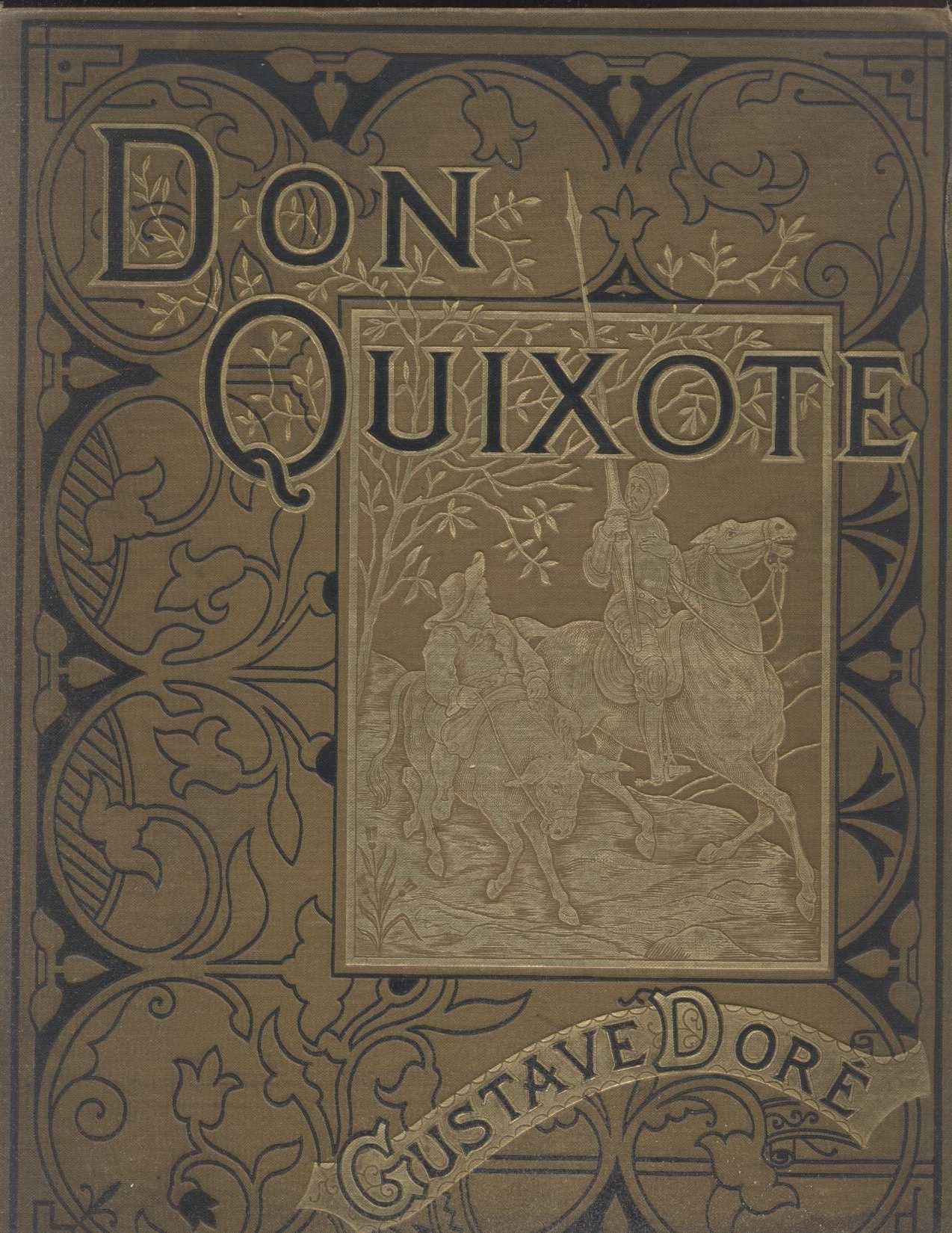
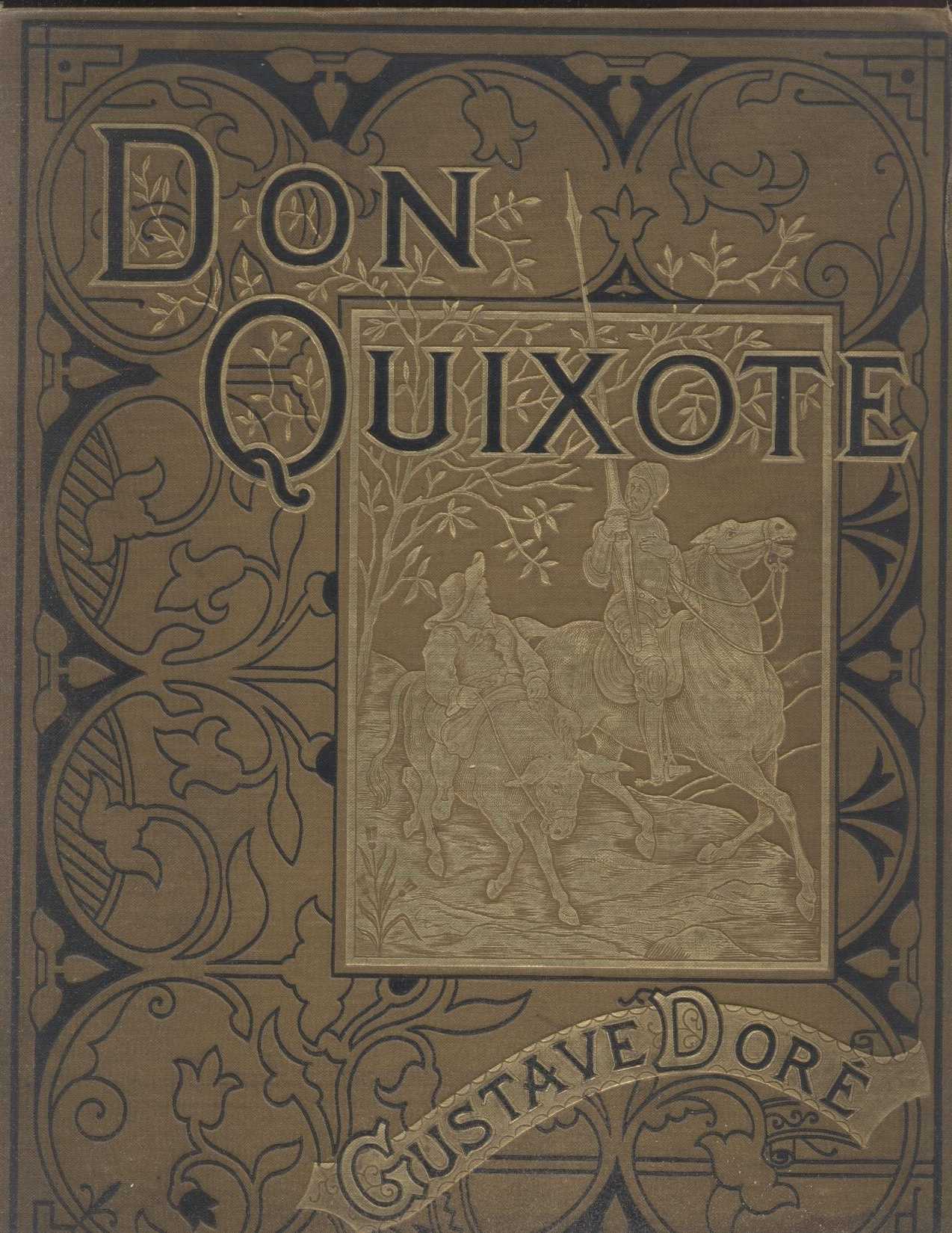
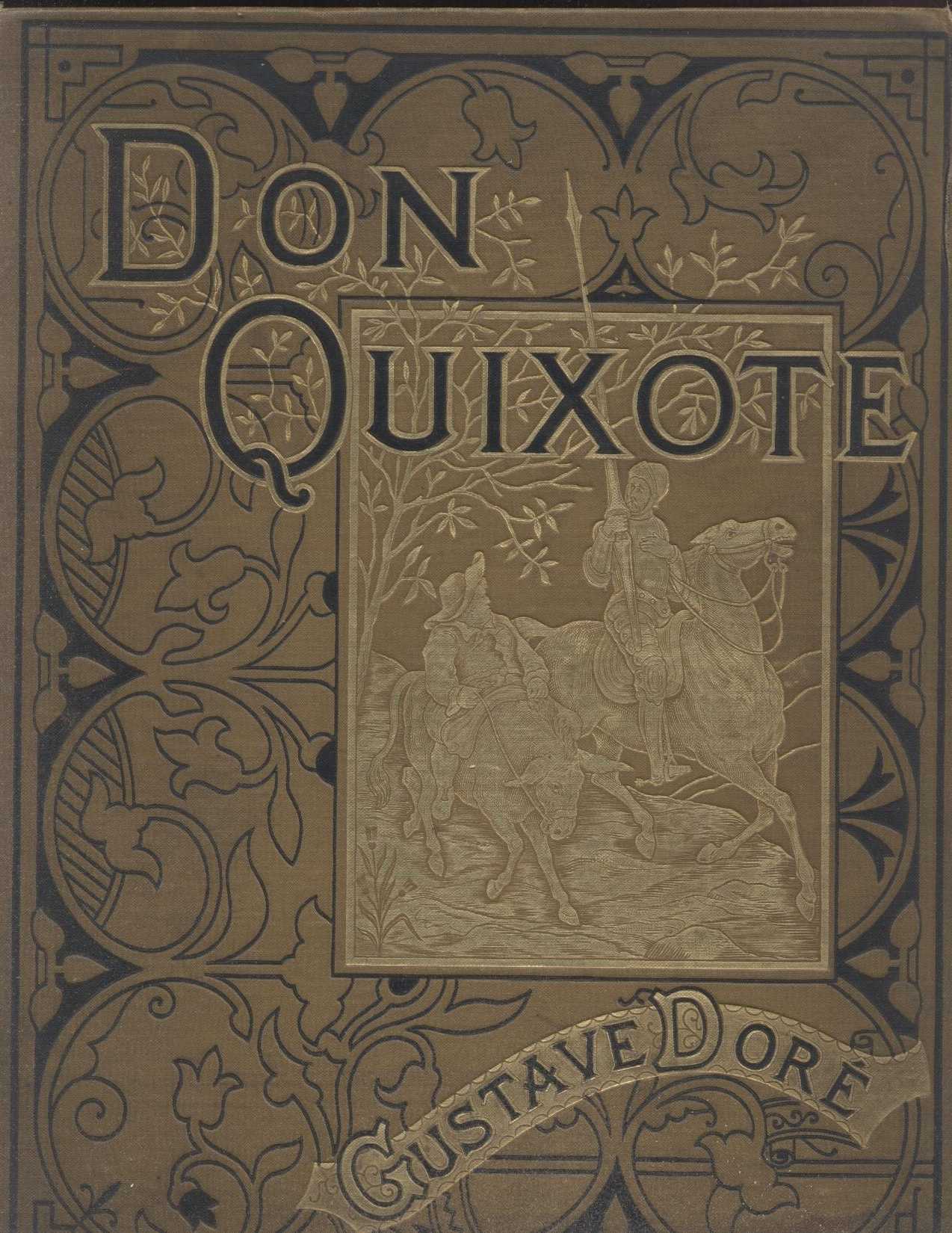
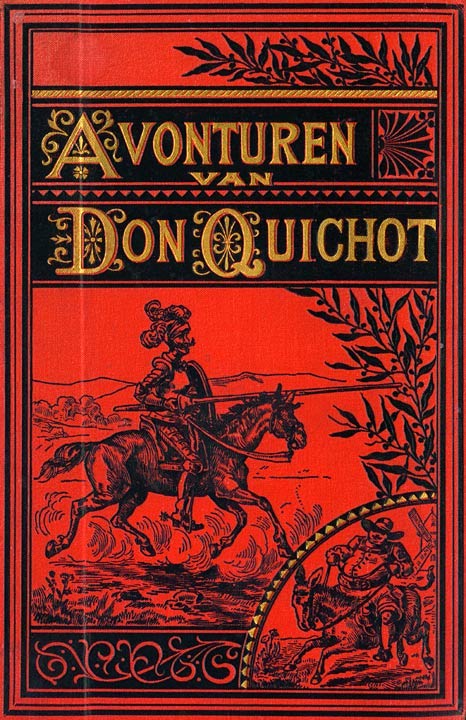
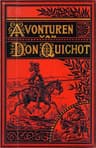
Don Quichot Van La Mancha
1605
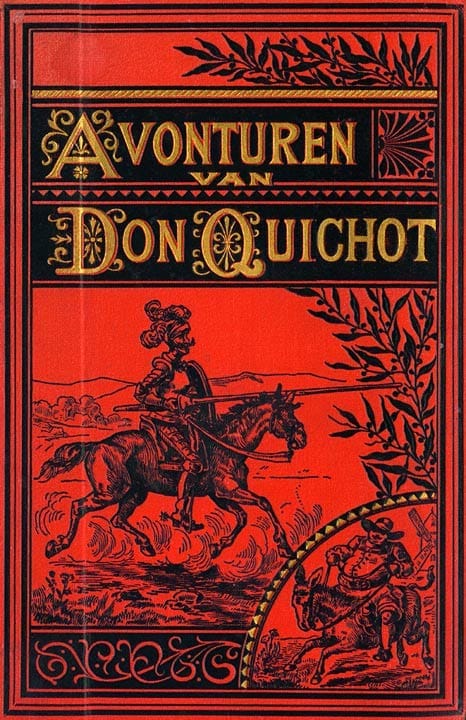
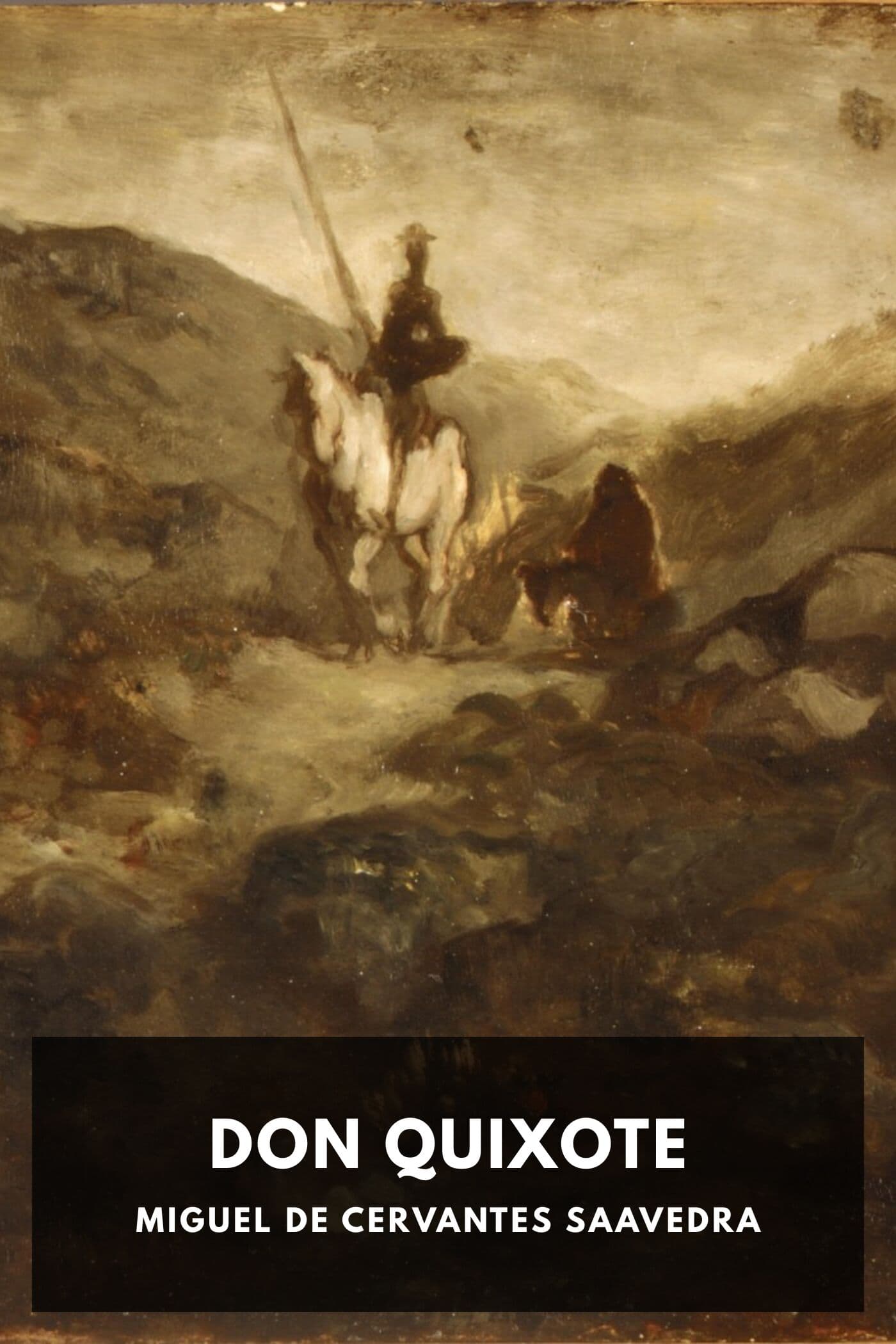
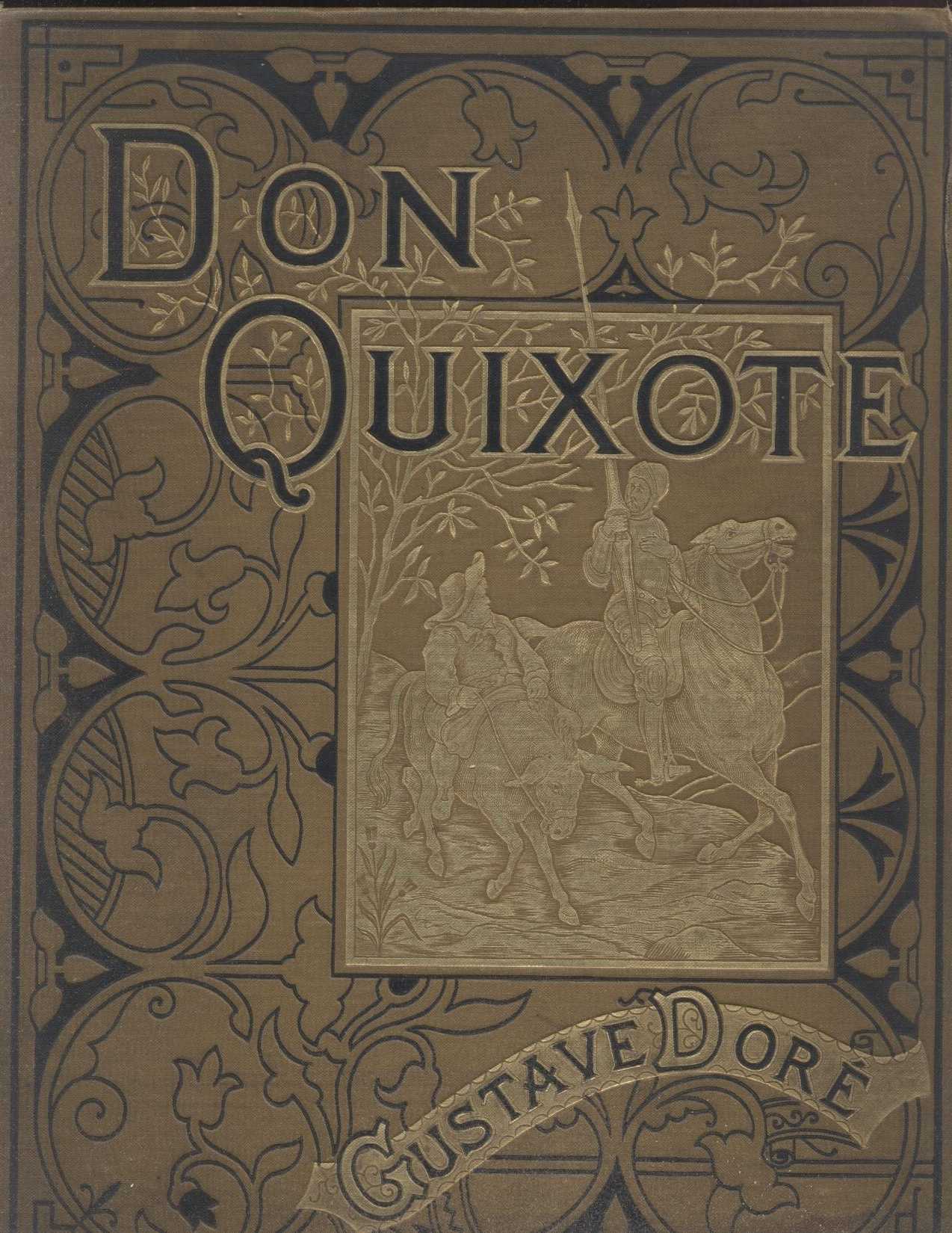
Cervantes wrote the book that invented the modern novel, but he also wrote something far more radical: a story about what happens when one man's imagination becomes so vivid it reshapes reality around him. Don Quixote, a middle-aged gentleman from La Mancha, reads so many chivalric romances that he decides to become a knight-errant himself. He renames himself, arms himself with rusty armor, and rides out on his ancient horse Rocinante to fight for honor and his lady Dulcinea. His squire Sancho Panza follows, a earthy farmer who believes in the magic of the quest even as he doubts his master's sanity. Together they tilt at windmills, free convicted criminals, and wander through a Spain that sees only a madman. Yet here is the novel's unsettling trick: Don Quixote's delusions often expose truths the sensible world ignores. Four centuries later, we still recognize him. We all have our windmills.
Editions
X-Ray
“Finally, from so little sleeping and so much reading, his brain dried up and he went completely out of his mind.””
— Miguel de Cervantes Saavedra
“The truth may be stretched thin, but it never breaks, and it always surfaces above lies, as oil floats on water.””
— Miguel de Cervantes Saavedra
“When life itself seems lunatic, who knows where madness lies? Perhaps to be too practical is madness. To surrender dreams”
— Miguel de Cervantes Saavedra
“There is no book so bad...that it does not have something good in it.””
— Miguel de Cervantes Saavedra
“There were no embraces, because where there is great love there is often little display of it.””
— Miguel de Cervantes Saavedra
“For neither good nor evil can last for ever; and so it follows that as evil has lasted a long time, good must now be close at hand.””
— Miguel de Cervantes Saavedra
“Hunger is the best sauce in the world.””
— Miguel de Cervantes Saavedra
“El que lee mucho y anda mucho, ve mucho y sabe mucho.””
— Miguel de Cervantes Saavedra
“Until death it is all life””
— Miguel de Cervantes Saavedra
Link to this book
Add a free, dofollow link to Lex on your blog, forum, syllabus, or reading list.

<a href="https://lex-books.com/book/don-quichot-van-la-mancha-06f340f0-d335-49f6-a52b-e1f273dd260d"><img src="https://lex-books.com/badges/read-on-lex.svg" alt="Read Don Quichot Van La Mancha by Miguel de Cervantes Saavedra free on Lex" width="160" height="40"></a>[](https://lex-books.com/book/don-quichot-van-la-mancha-06f340f0-d335-49f6-a52b-e1f273dd260d)[url=https://lex-books.com/book/don-quichot-van-la-mancha-06f340f0-d335-49f6-a52b-e1f273dd260d][img]https://lex-books.com/badges/read-on-lex.svg[/img][/url]Read Don Quichot Van La Mancha by Miguel de Cervantes Saavedra free on Lex: https://lex-books.com/book/don-quichot-van-la-mancha-06f340f0-d335-49f6-a52b-e1f273dd260dCite this book
Reading this edition for a paper or guide? Copy a citation.
Saavedra, Miguel de Cervantes. Don Quichot Van La Mancha. Lex, lex-books.com/book/don-quichot-van-la-mancha-06f340f0-d335-49f6-a52b-e1f273dd260d.Saavedra, M. D. C. (1605). Don Quichot Van La Mancha. Lex. https://lex-books.com/book/don-quichot-van-la-mancha-06f340f0-d335-49f6-a52b-e1f273dd260dSaavedra, Miguel de Cervantes. Don Quichot Van La Mancha. Lex. https://lex-books.com/book/don-quichot-van-la-mancha-06f340f0-d335-49f6-a52b-e1f273dd260d.