Christopher Columbus
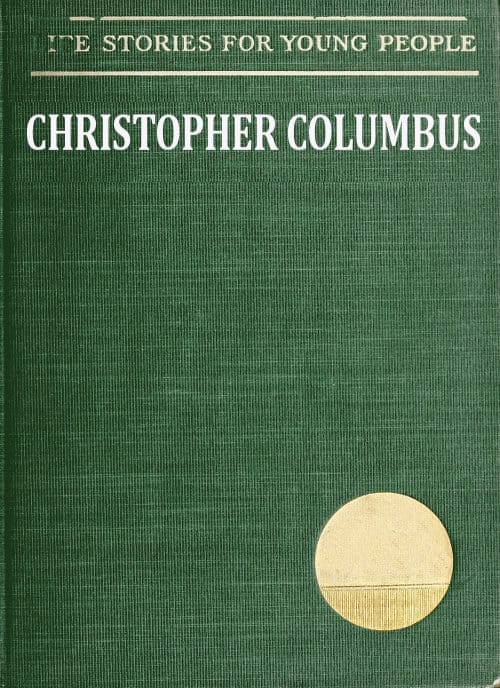
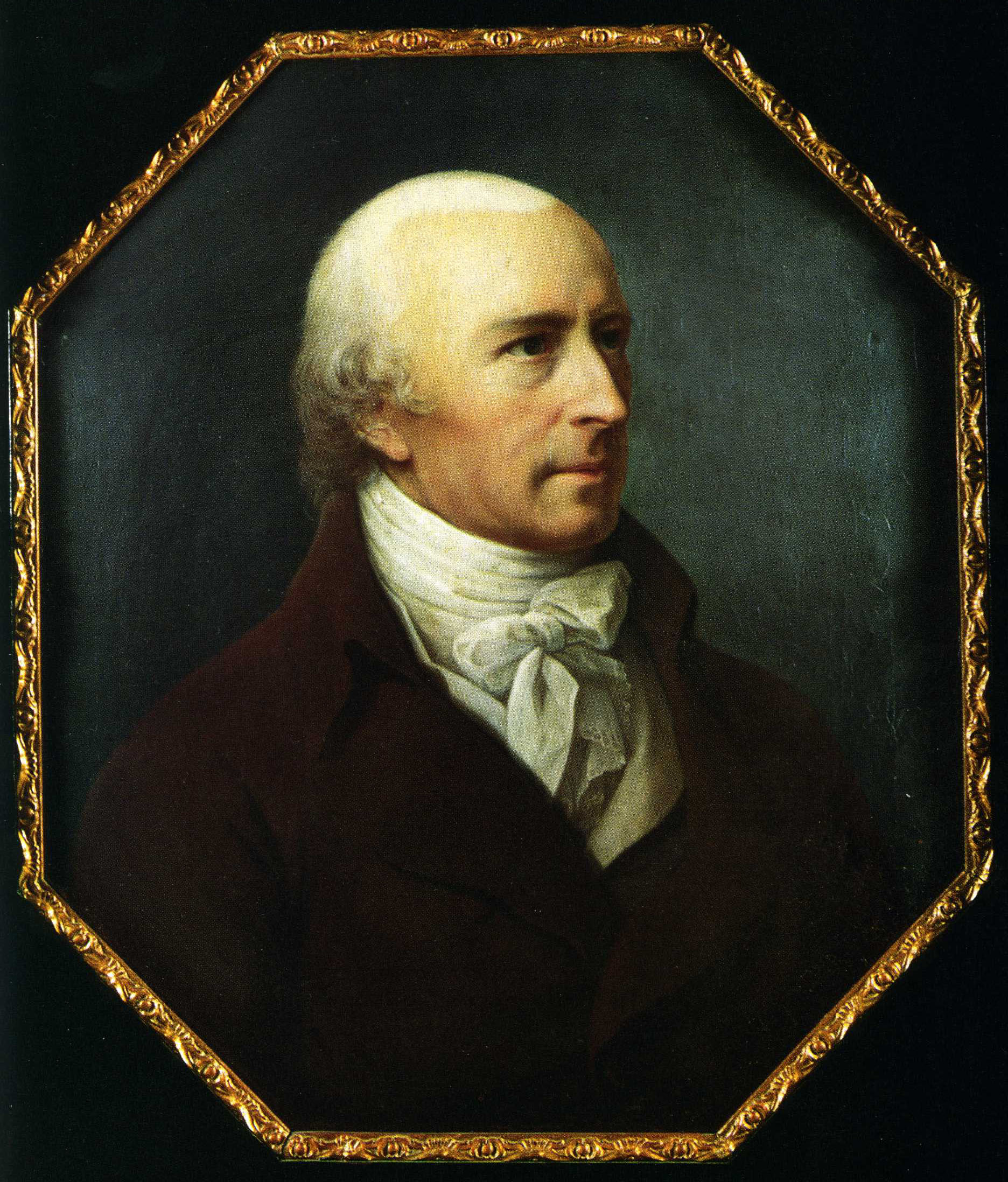
Joachim Heinrich Campe, one of Germany's most influential educational writers of the late 18th and early 19th centuries, turned his attention to history's most consequential explorer. Written for young readers, this historical account presents Christopher Columbus not merely as a figure of dates and discoveries but as a model of perseverance, conviction, and daring ambition. Campe, who studied with Johann Heinrich Pestalozzi and founded his own educational institute in Hamburg, approached history with a clear moral purpose: to inspire his young audience through the story of a man who refused to accept that the world ended at Europe's edge. The narrative follows Columbus from his early years in Genoa through his relentless campaign for royal patronage to his four voyages across the Atlantic. Campe emphasizes the explorer's determination in the face of mockery, his faith in calculations many considered madness, and the electrifying moment when land emerged from the horizon. This was written at a time when Columbus still stood as an unblemished hero in the European imagination, celebrated for his courage rather than scrutinized for his legacy. The result is an account that reveals how an earlier era taught its children to admire exploration and dreams.
Editions
Link to this book
Add a free, dofollow link to Lex on your blog, forum, syllabus, or reading list.

<a href="https://lex-books.com/book/christopher-columbus-ebab6f09-7065-4b4f-977c-9f1b765dad5f"><img src="https://lex-books.com/badges/read-on-lex.svg" alt="Read Christopher Columbus by Joachim Heinrich Campe free on Lex" width="160" height="40"></a>[](https://lex-books.com/book/christopher-columbus-ebab6f09-7065-4b4f-977c-9f1b765dad5f)[url=https://lex-books.com/book/christopher-columbus-ebab6f09-7065-4b4f-977c-9f1b765dad5f][img]https://lex-books.com/badges/read-on-lex.svg[/img][/url]Read Christopher Columbus by Joachim Heinrich Campe free on Lex: https://lex-books.com/book/christopher-columbus-ebab6f09-7065-4b4f-977c-9f1b765dad5fCite this book
Reading this edition for a paper or guide? Copy a citation.
Campe, Joachim Heinrich. Christopher Columbus. Lex, lex-books.com/book/christopher-columbus-ebab6f09-7065-4b4f-977c-9f1b765dad5f.Campe, J. H. (n.d.). Christopher Columbus. Lex. https://lex-books.com/book/christopher-columbus-ebab6f09-7065-4b4f-977c-9f1b765dad5fCampe, Joachim Heinrich. Christopher Columbus. Lex. https://lex-books.com/book/christopher-columbus-ebab6f09-7065-4b4f-977c-9f1b765dad5f.