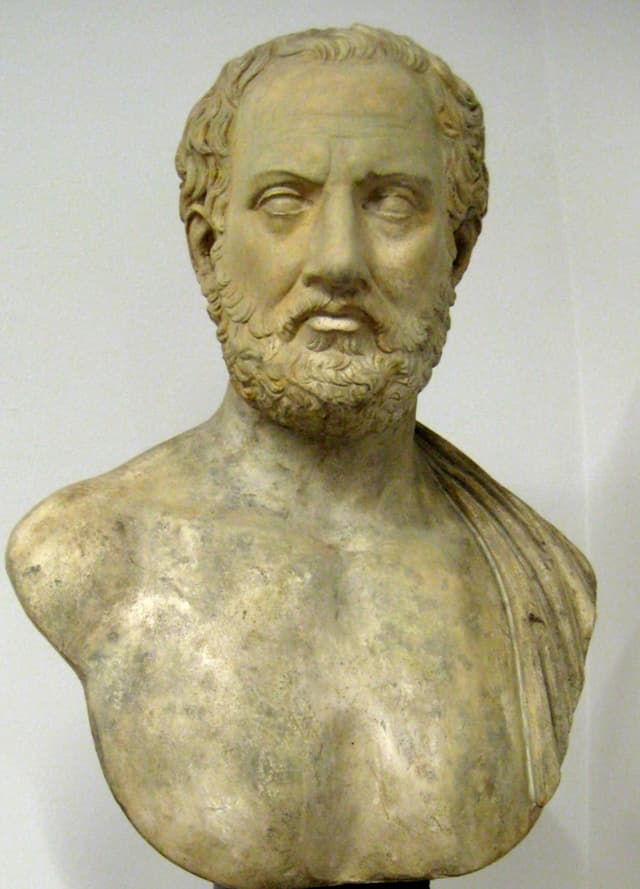
Thucydides
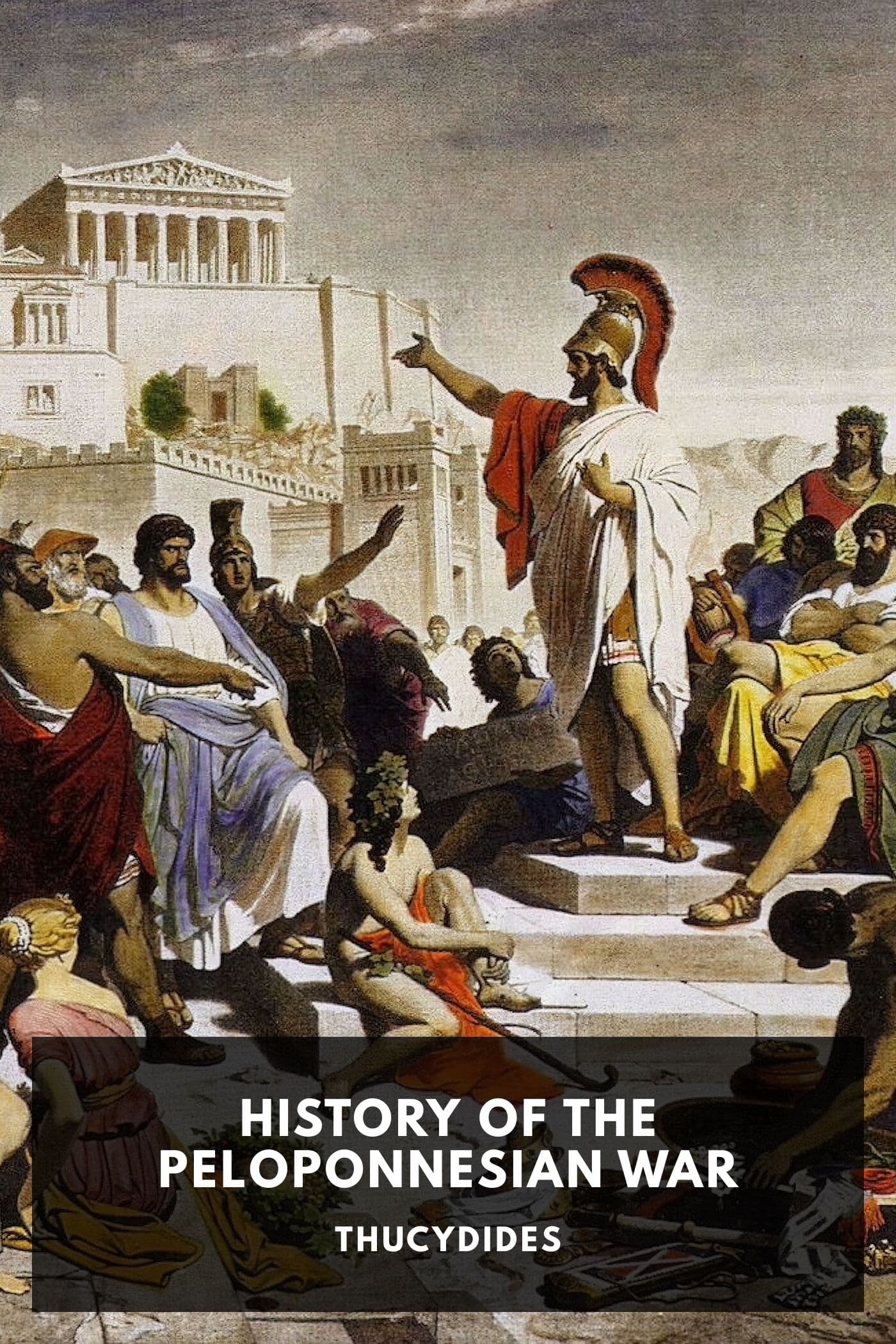
Thucydides was an Athenian historian and general, best known for his seminal work, 'History of the Peloponnesian War.' This comprehensive account chronicles the conflict between Athens and Sparta, offering a detailed narrative that extends to the year 411 BC. Thucydides is often regarded as the father of 'scientific history' due to his rigorous approach to historical writing, emphasizing impartiality and a reliance on evidence rather than divine intervention. His methodical analysis of cause and effect set a new standard for historical inquiry, distinguishing his work from that of his predecessors who often incorporated mythological elements. Thucydides' legacy lies in his pioneering contributions to historical methodology and political philosophy. His insights into power dynamics, human behavior, and the complexities of war have influenced countless historians and political theorists throughout the centuries. His work remains a critical source for understanding the nature of conflict and governance, making him a foundational figure in the study of history and political science. Thucydides' commitment to factual accuracy and critical analysis continues to resonate in contemporary discussions of history and its interpretation.
Famous Quotes
View all 15 quotes“Self-control is the chief element in self-respect, and self-respect is the chief element in courage.””
“Most people, in fact, will not take the trouble in finding out the truth, but are much more inclined to accept the first story they hear.””
“Right, as the world goes, is only in question between equals in power, while the strong do what they can and the weak suffer what they must.””
Books from the author







Link to this page
Add a free, dofollow link to Lex on your blog, forum, syllabus, or reading list.

<a href="https://lex-books.com/author/thucydides"><img src="https://lex-books.com/badges/read-on-lex.svg" alt="Thucydides on Lex" width="160" height="40"></a>[](https://lex-books.com/author/thucydides)[url=https://lex-books.com/author/thucydides][img]https://lex-books.com/badges/read-on-lex.svg[/img][/url]Thucydides on Lex: https://lex-books.com/author/thucydides