Πελοποννησιακός Πόλεμος, Τόμος Τρίτος
Πελοποννησιακός Πόλεμος, Τόμος Τρίτος
Translated by I. (Ioannes) Zervos
A historical account written in the 5th century BC. This work serves as a detailed chronicle of the Peloponnesian War, focusing on the conflict between Athens and Sparta along with their respective allies. Thucydides aims to provide an objective analysis of the events, motivations, and consequences of this significant war in ancient Greece. The opening of this volume introduces the aftermath of a significant military engagement during the Peloponnesian War. It describes a series of tactical maneuvers involving key figures like Cleon and Brasidas, as the Athenians attempt to press their advantage after previous victories. Notably, Brasidas prepares a surprise attack to exploit the Athenian forces' moment of complacency, ultimately leading to an intense battle that results in heavy losses for the Athenians and the heroic death of Brasidas. This early narrative sets the stage for the unfolding complexities of war, leadership, and strategy in this monumental historical conflict.
Editions
X-Ray
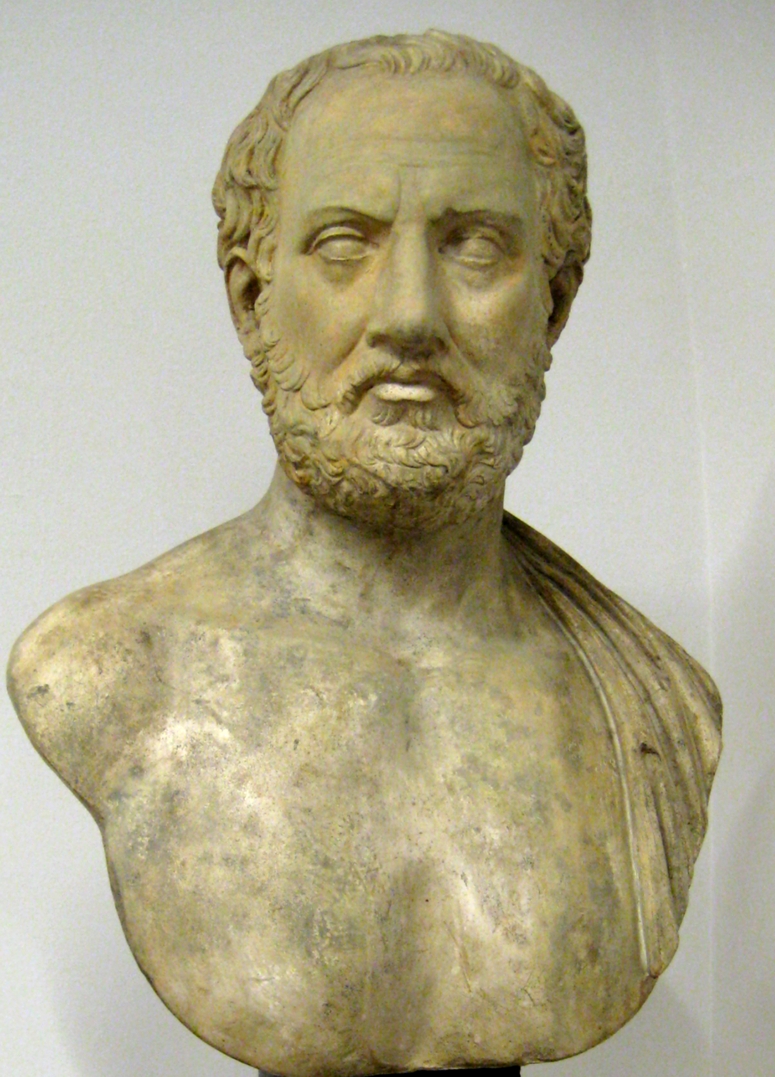
The historian and narrator of the Peloponnesian War. He was exiled from Athens for twenty years after his command at Amphipolis, which gave him access to both Athenian and Peloponnesian perspectives.
Athenian general and politician who opposed the Sicilian expedition. Known for his caution and religious piety, he became sole commander after Lamachus's death.
Ambitious young Athenian politician and general who strongly advocated for the Sicilian expedition. He was recalled to Athens on charges of impiety but fled to Sparta instead.
Experienced Athenian general and third commander of the Sicilian expedition. He advocated for immediate attack on Syracuse and died in battle.
About Πελοποννησιακός Πόλεμος, Τόμος Τρίτος
Chapter Summaries
- 1
- The death of Brasidas and Cleon at Amphipolis removes the main opponents of peace. Both Athens and Sparta, exhausted by ten years of war, begin negotiations for a treaty.
- 2-24
- Athens and Sparta conclude a fifty-year peace treaty and defensive alliance. However, key allies like Corinth refuse to accept the terms, and mutual suspicions persist between the former enemies.
- 25-87
- Athenians decide to invade Sicily ostensibly to help Egesta against Selinus. Despite Nicias's warnings, they approve a massive expedition under three generals: Alcibiades, Nicias, and Lamachus.
Key Themes
- Imperial Ambition and Overreach
- Athens's decision to invade Sicily while still at war with Sparta demonstrates the dangers of imperial overextension. The expedition reveals how ambition can lead to catastrophic miscalculation.
- The Fragility of Peace
- The Peace of Nicias proves unstable as both sides fail to fulfill their obligations and mutual suspicions persist. True peace requires trust and good faith, which are absent in this conflict.
- Political Leadership and Responsibility
- The contrast between leaders like the cautious Nicias and the ambitious Alcibiades shows how personal character affects state policy. Poor leadership decisions have far-reaching consequences for entire civilizations.
Characters
- Thucydides(narrator)
- The historian and narrator of the Peloponnesian War. He was exiled from Athens for twenty years after his command at Amphipolis, which gave him access to both Athenian and Peloponnesian perspectives.
- Nicias(major)
- Athenian general and politician who opposed the Sicilian expedition. Known for his caution and religious piety, he became sole commander after Lamachus's death.
- Alcibiades(major)
- Ambitious young Athenian politician and general who strongly advocated for the Sicilian expedition. He was recalled to Athens on charges of impiety but fled to Sparta instead.
- Lamachus(major)
- Experienced Athenian general and third commander of the Sicilian expedition. He advocated for immediate attack on Syracuse and died in battle.
- Hermocrates(major)
- Syracusan general and politician who warned of the Athenian threat and organized resistance. He was known for his strategic thinking and oratory skills.
- Gylippus(major)
- Spartan general sent to aid Syracuse. His arrival marked a turning point in the Sicilian campaign, bringing Spartan military expertise to the defense.
Link to this book
Add a free, dofollow link to Lex on your blog, forum, syllabus, or reading list.

<a href="https://lex-books.com/book/-d432a485-0866-4ea7-b61e-508c400f21ad"><img src="https://lex-books.com/badges/read-on-lex.svg" alt="Read Πελοποννησιακός Πόλεμος, Τόμος Τρίτος by Thucydides free on Lex" width="160" height="40"></a>[](https://lex-books.com/book/-d432a485-0866-4ea7-b61e-508c400f21ad)[url=https://lex-books.com/book/-d432a485-0866-4ea7-b61e-508c400f21ad][img]https://lex-books.com/badges/read-on-lex.svg[/img][/url]Read Πελοποννησιακός Πόλεμος, Τόμος Τρίτος by Thucydides free on Lex: https://lex-books.com/book/-d432a485-0866-4ea7-b61e-508c400f21adCite this book
Reading this edition for a paper or guide? Copy a citation.
Thucydides. Πελοποννησιακός Πόλεμος, Τόμος Τρίτος. Lex, lex-books.com/book/-d432a485-0866-4ea7-b61e-508c400f21ad.Thucydides (n.d.). Πελοποννησιακός Πόλεμος, Τόμος Τρίτος. Lex. https://lex-books.com/book/-d432a485-0866-4ea7-b61e-508c400f21adThucydides. Πελοποννησιακός Πόλεμος, Τόμος Τρίτος. Lex. https://lex-books.com/book/-d432a485-0866-4ea7-b61e-508c400f21ad.