
Confucius
Confucius was a Chinese philosopher and educator whose teachings have profoundly influenced East Asian thought and culture. Born in the state of Lu during the Spring and Autumn period, he emphasized the importance of morality, proper social relationships, and justice. His ideas were rooted in the belief that a harmonious society could be achieved through virtuous leadership and the cultivation of personal ethics. Confucius advocated for the values of filial piety, respect for tradition, and the importance of education, which he believed were essential for personal and societal improvement. His most significant work, the "Analects," is a collection of sayings and ideas attributed to him and his disciples, providing insight into his philosophy and approach to governance. Confucius's thoughts laid the foundation for Confucianism, a system of thought that became the dominant ideology in China for centuries and continues to be relevant today. His teachings have influenced not only Chinese society but also the broader East Asian region, shaping cultural norms, educational systems, and political philosophies. Confucius's legacy endures as a symbol of moral integrity and social responsibility, making him one of the most important figures in world history.
Famous Quotes
View all 18 quotes“It does not matter how slowly you go as long as you do not stop.””
“Wheresoever you go, go with all your heart.””
“He who knows all the answers has not been asked all the questions.””
Books from the author

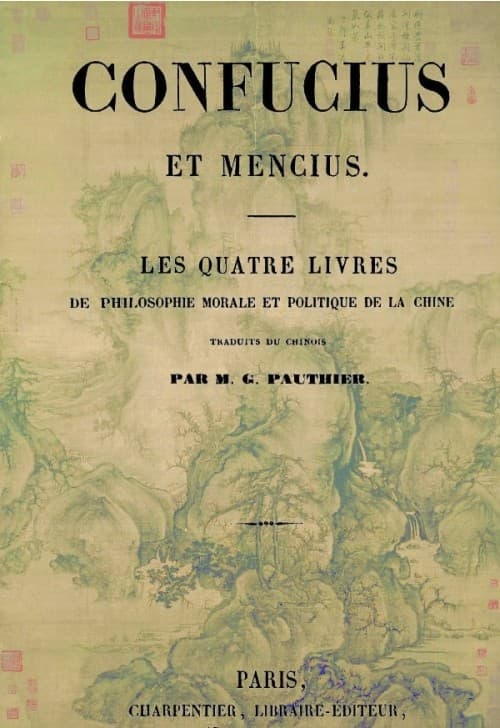






Link to this page
Add a free, dofollow link to Lex on your blog, forum, syllabus, or reading list.

<a href="https://lex-books.com/author/confucius"><img src="https://lex-books.com/badges/read-on-lex.svg" alt="Confucius on Lex" width="160" height="40"></a>[](https://lex-books.com/author/confucius)[url=https://lex-books.com/author/confucius][img]https://lex-books.com/badges/read-on-lex.svg[/img][/url]Confucius on Lex: https://lex-books.com/author/confucius