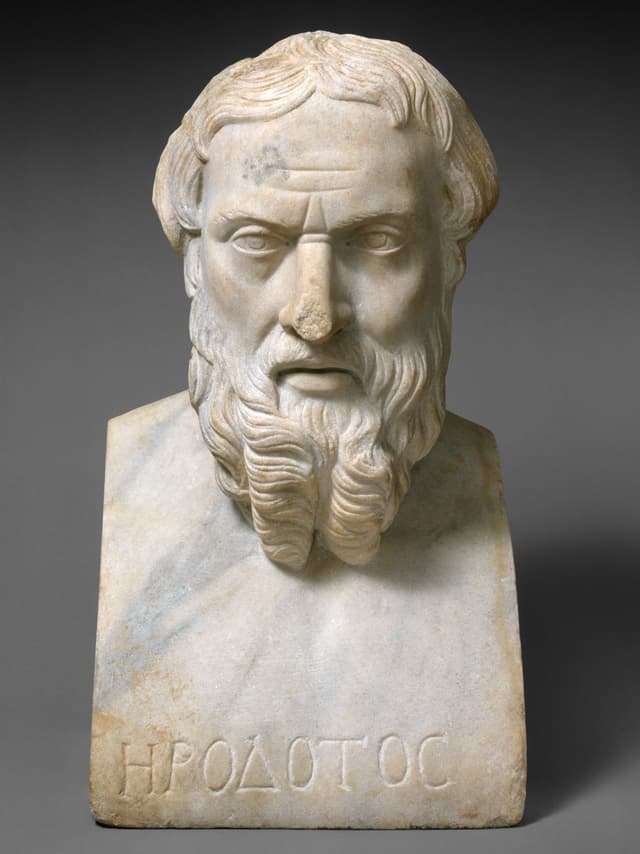
Herodotus
Herodotus was a pioneering Greek historian and geographer, often referred to as 'The Father of History' for his foundational contributions to the field. Born in Halicarnassus, a city under Persian control during the 5th century BC, he later became a citizen of Thurii in Italy. His most notable work, the 'Histories', provides a comprehensive account of the Greco-Persian Wars, detailing not only the events of the conflict but also the customs and cultures of the peoples involved. Through his narrative, Herodotus sought to preserve the memory of human achievements and failures, making his work a crucial source for understanding ancient history and the interplay of various civilizations. Herodotus's approach to history was innovative for its time, as he emphasized inquiry and the collection of evidence, setting a precedent for future historians. His blend of storytelling and factual reporting has influenced countless writers and historians throughout the ages. By examining the motivations and actions of both the Greeks and Persians, he provided insights into the complexities of power, culture, and conflict. His legacy endures as a cornerstone of historical writing, shaping the way history is recorded and understood.
Famous Quotes
View all 13 quotes“Of all men’s miseries the bitterest is this: to know so much and to have control over nothing.””
“He asked, 'Croesus, who told you to attack my land and meet me as an enemy instead of a friend?'The King replied, 'It was caused by your good fate and my bad fate. It was the fault of the Greek gods, who with their arrogance, encouraged me to march onto your lands. Nobody is mad enough to choose war whilst there is peace. During times of peace, the sons bury their fathers, but in war it is the fathers who send their sons to the grave.””
“It is better by noble boldness to run the risk of being subject to half of the evils we anticipate than to remain in cowardly listlessness for fear of what might happen.””
Books from the author

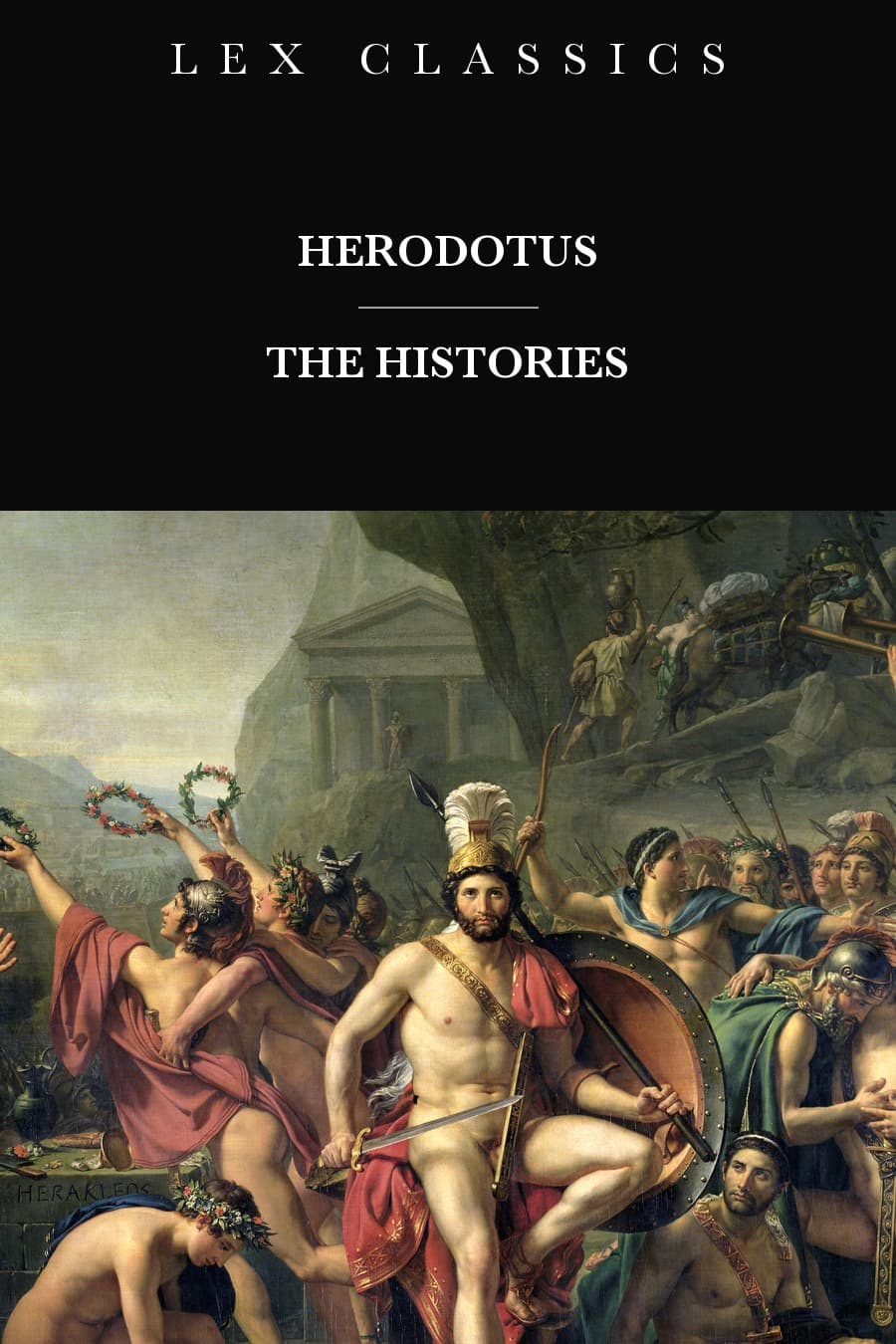



Link to this page
Add a free, dofollow link to Lex on your blog, forum, syllabus, or reading list.

<a href="https://lex-books.com/author/herodotus"><img src="https://lex-books.com/badges/read-on-lex.svg" alt="Herodotus on Lex" width="160" height="40"></a>[](https://lex-books.com/author/herodotus)[url=https://lex-books.com/author/herodotus][img]https://lex-books.com/badges/read-on-lex.svg[/img][/url]Herodotus on Lex: https://lex-books.com/author/herodotus