mile Souvestre
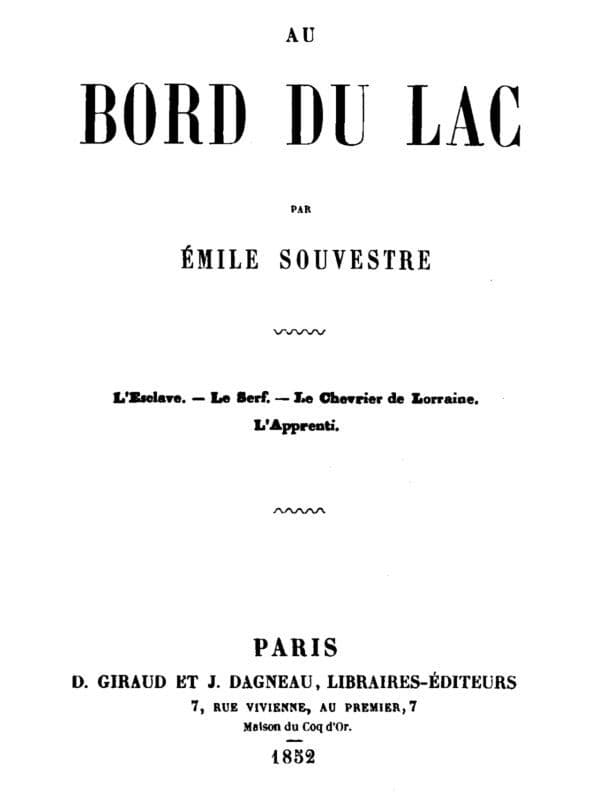
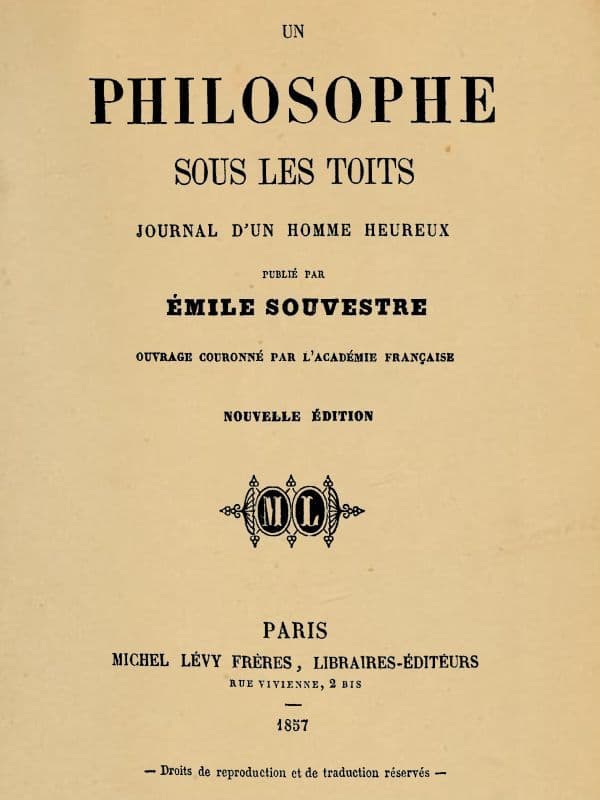
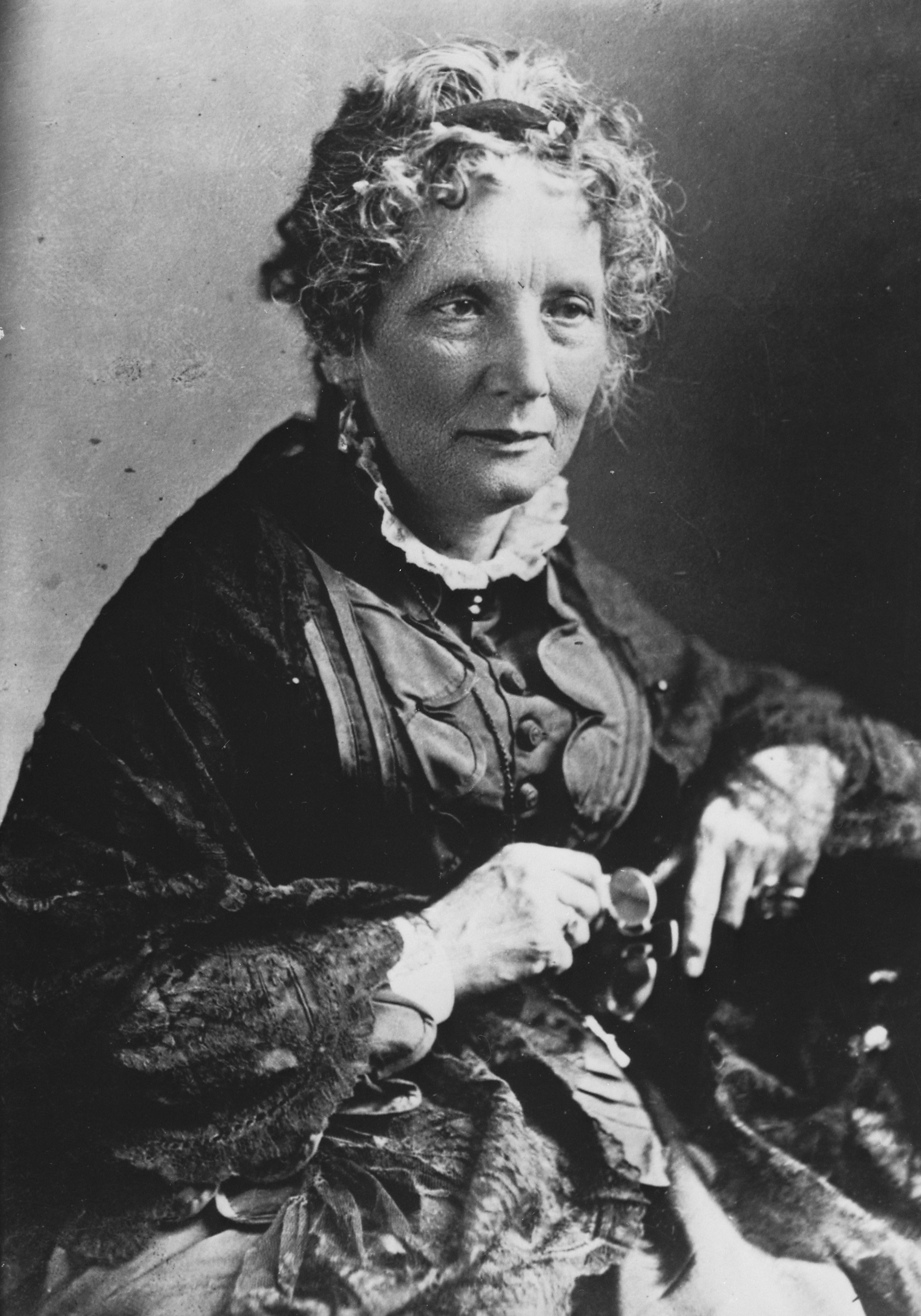
Émile Souvestre was a French novelist and philosopher known for his insightful exploration of social issues and human nature during the early 19th century. Born in 1806, he emerged as a prominent literary figure, particularly noted for his works that often blended fiction with philosophical reflection. His most famous work, "An Attic Philosopher in Paris," presents a series of dialogues that delve into the complexities of life, morality, and society, showcasing his ability to weave profound thought into engaging narratives. This work, along with others such as "Le Mari De Madame De Solange" and "Les Derniers Paysans," reflects his keen observations of contemporary society and the struggles of the common people. Souvestre's writings often addressed themes of social justice and the plight of the underprivileged, making him a significant voice in the literary landscape of his time. His novels, including "Au Bord Du Lacl'esclave" and "Le Chevrier De Lorraine," highlight the tensions between social classes and the human condition, resonating with readers who sought both entertainment and enlightenment. Despite his relatively short life, which ended in 1854, Souvestre's contributions to literature and philosophy left a lasting impact, influencing future generations of writers and thinkers who grappled with similar themes of existence and society.
Books from the author






Link to this page
Add a free, dofollow link to Lex on your blog, forum, syllabus, or reading list.

<a href="https://lex-books.com/author/mile-souvestre"><img src="https://lex-books.com/badges/read-on-lex.svg" alt="mile Souvestre on Lex" width="160" height="40"></a>[](https://lex-books.com/author/mile-souvestre)[url=https://lex-books.com/author/mile-souvestre][img]https://lex-books.com/badges/read-on-lex.svg[/img][/url]mile Souvestre on Lex: https://lex-books.com/author/mile-souvestre