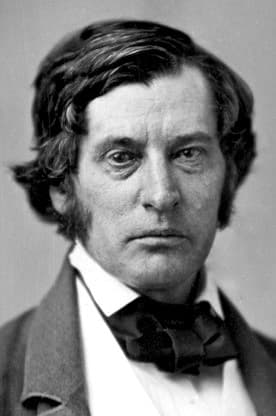
Charles Sumner
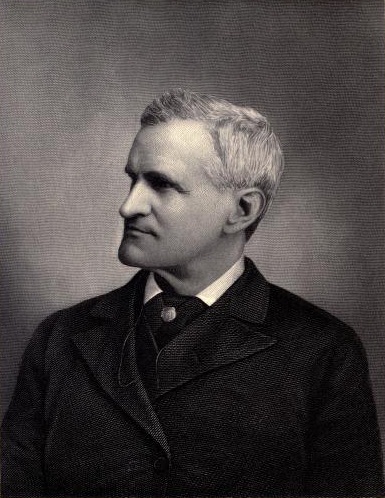
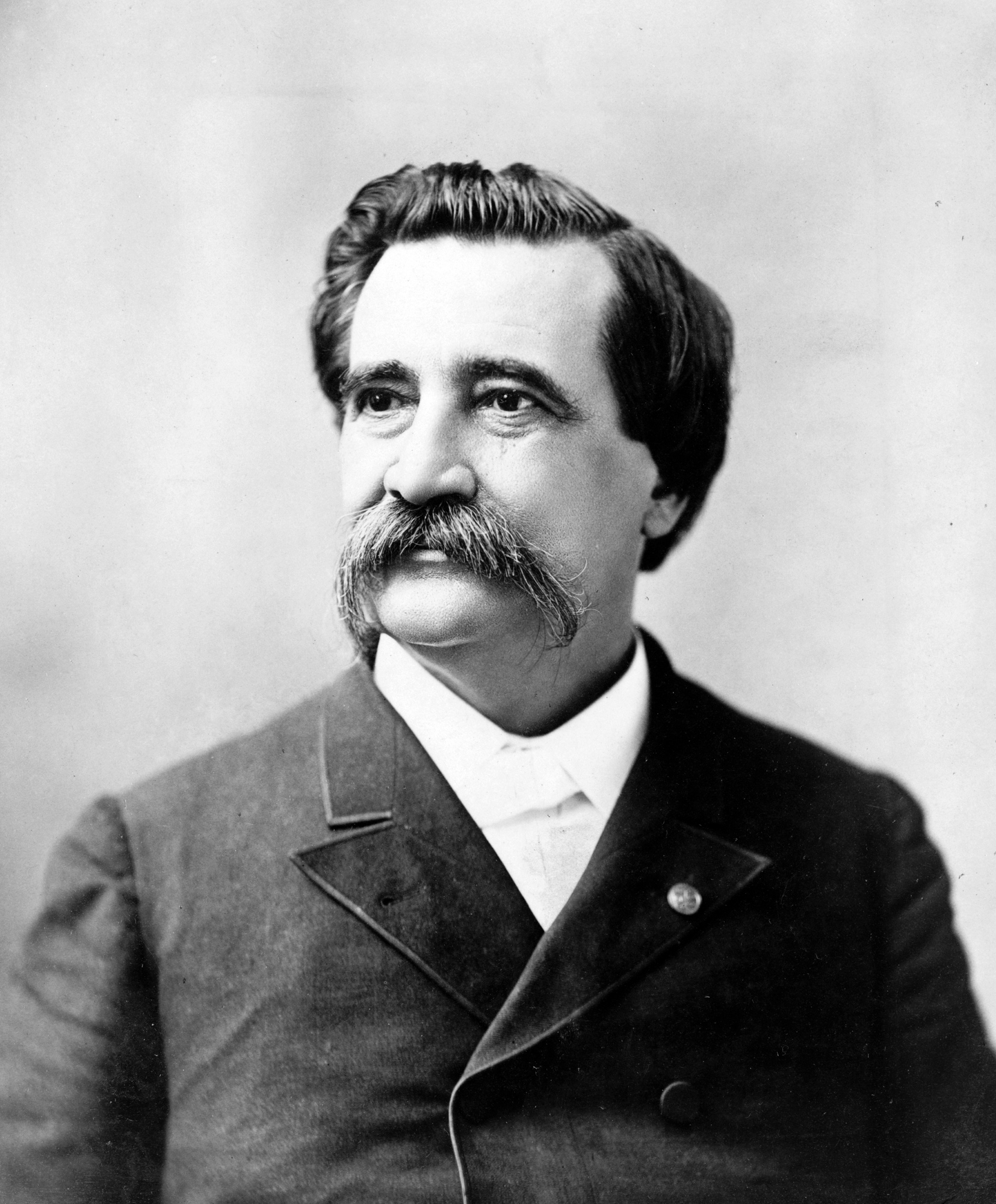
Charles Sumner was an influential American lawyer and statesman who served as a U.S. Senator from Massachusetts from 1851 until his death in 1874. A prominent advocate for the abolition of slavery, Sumner's political career began with his involvement in various anti-slavery organizations, leading to his election as a member of the Free Soil Party and later as a founding member of the Republican Party. His fierce opposition to the 'Slave Power' culminated in a notorious incident in 1856, when he was brutally attacked by Representative Preston Brooks on the Senate floor, an event that made him a symbol of the anti-slavery movement and highlighted the deepening divisions in the nation as the Civil War approached. During the Civil War, Sumner emerged as a leader of the Radical Republican faction, advocating for more stringent measures against the Confederacy and pushing for civil rights for freedmen after the war. As chair of the Senate Foreign Relations Committee, he played a crucial role in preventing foreign intervention on behalf of the Confederacy. Despite his significant contributions, Sumner's legacy was contentious, particularly due to his later break with President Ulysses S. Grant and his alignment with the Liberal Republican Party. Over time, however, his early commitment to racial equality and civil rights has garnered renewed recognition, solidifying his place in American history as a key figure in the fight for justice and equality.
Famous Quotes
View all 3 quotes“Three things at least they [good politicians] must require; the first is back-bone; the second is back-bone; and the third is back-bone.””
“Senators undertake to disturb us... by reminding us of the possibility of large numbers swarming from China; but the answer to all this is very obvious and very simple. If the Chinese come here, they will come for citizenship or merely for labor. If they come for citizenship, then in this desire do they give a pledge of loyalty to our institutions; and where is the peril in such vows? They are peaceful and industrious; how can their citizenship be the occasion of solicitude?””
“I have fought a long battle with slavery; and I confess my solicitude when I see any thing that looks like concession to it. It is not enough to show me that a measure is expedient: you must show me also that it is right. Ah, sir, can any thing be expedient which is not right? From the beginning of our history the country has been afflicted with compromise. It is by compromise that human rights have been abandoned. I insist that this shall cease. The country needs repose after all its trials: it deserves repose. And repose can only be found in everlasting principles. It cannot be found by inserting in your constitution the disfranchisement of a race.””
Books from the author





Link to this page
Add a free, dofollow link to Lex on your blog, forum, syllabus, or reading list.

<a href="https://lex-books.com/author/charles-sumner"><img src="https://lex-books.com/badges/read-on-lex.svg" alt="Charles Sumner on Lex" width="160" height="40"></a>[](https://lex-books.com/author/charles-sumner)[url=https://lex-books.com/author/charles-sumner][img]https://lex-books.com/badges/read-on-lex.svg[/img][/url]Charles Sumner on Lex: https://lex-books.com/author/charles-sumner