
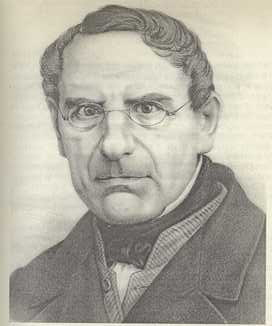
Alexis de Tocqueville
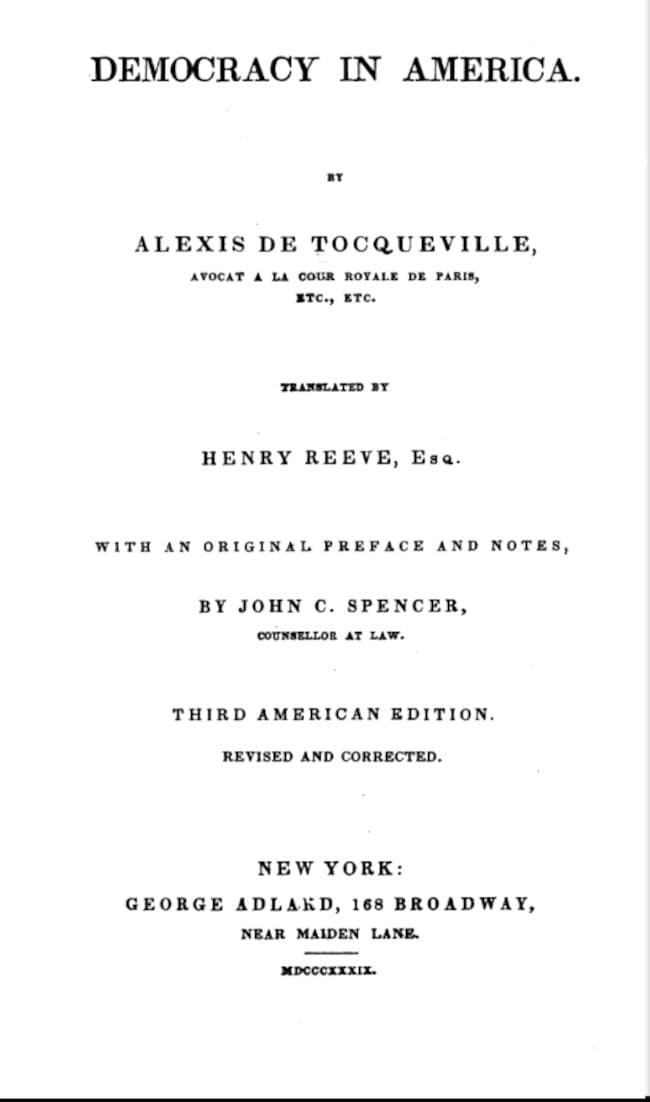
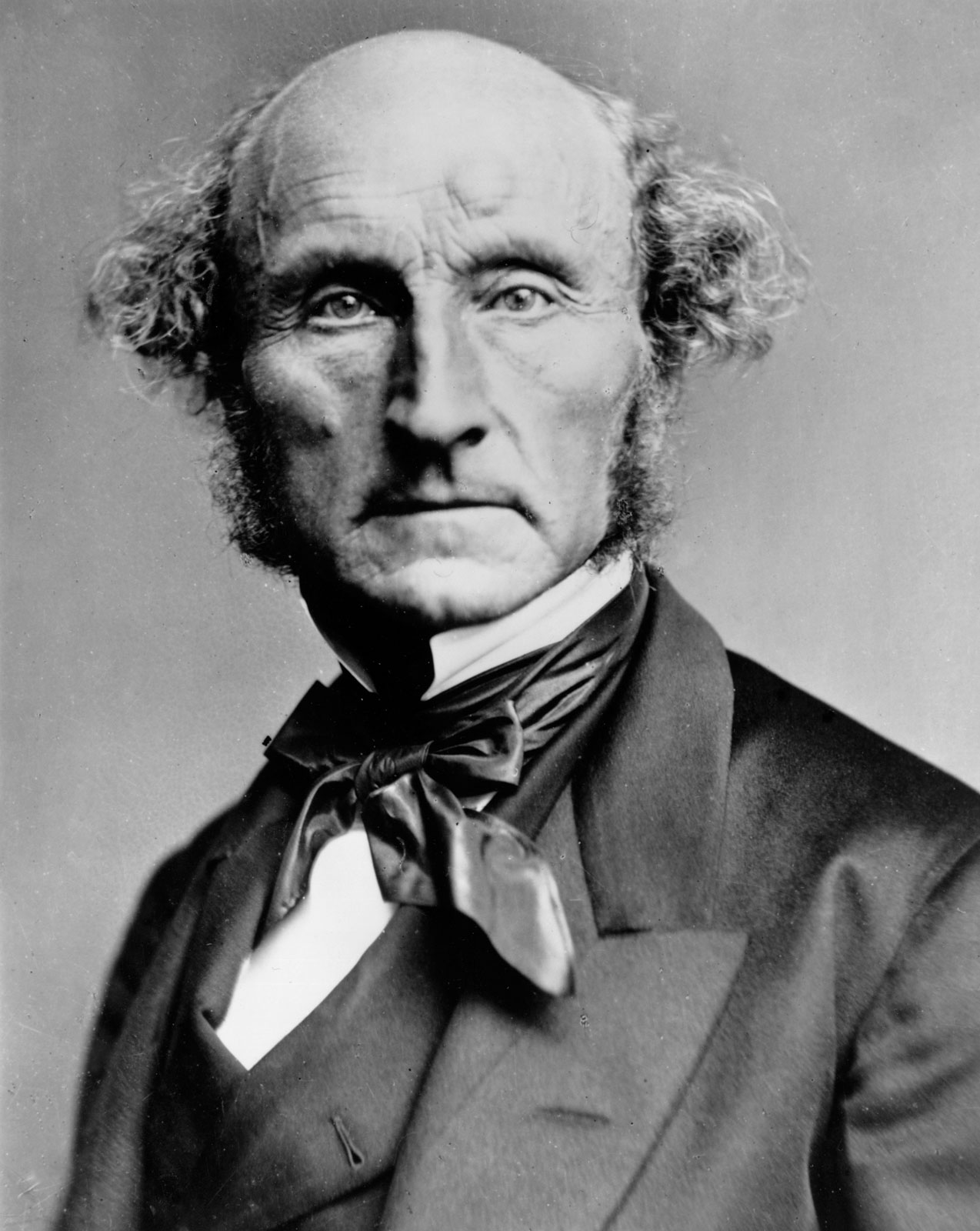
Alexis de Tocqueville was a French diplomat, political philosopher, and historian renowned for his profound insights into democracy and society. His seminal work, "Democracy in America," published in two volumes in 1835 and 1840, emerged from his travels across the United States. In this influential text, Tocqueville examined the social conditions and living standards of Americans, offering a pioneering analysis that laid the groundwork for modern sociology and political science. He explored the relationship between individuals, the market, and the state, highlighting the complexities of democracy and its implications for society. Tocqueville's political engagement spanned the turbulent periods of the July Monarchy and the Second Republic in France, where he initially supported parliamentary government and expressed skepticism towards the extremes of majoritarianism. His later work, "The Old Regime and the Revolution," published in 1856, analyzed the French Revolution's impact on state centralization, arguing that its failure stemmed from the inexperience of its leaders. Throughout his career, Tocqueville's nuanced liberalism attracted diverse interpretations, with his ideas resonating across the political spectrum in both France and the United States. His legacy endures as a foundational figure in political thought, whose analyses continue to inform contemporary discussions on democracy and governance.
Famous Quotes
View all 18 quotes“The American Republic will endure until the day Congress discovers that it can bribe the public with the public's money.””
“I do not know if the people of the United States would vote for superior men if they ran for office, but there can be no doubt that such men do not run.””
“Democracy extends the sphere of individual freedom, socialism restricts it. Democracy attaches all possible value to each man; socialism makes each man a mere agent, a mere number. Democracy and socialism have nothing in common but one word: equality. But notice the difference: while democracy seeks equality in liberty, socialism seeks equality in restraint and servitude.””
Books from the author
















Link to this page
Add a free, dofollow link to Lex on your blog, forum, syllabus, or reading list.

<a href="https://lex-books.com/author/alexis-de-tocqueville"><img src="https://lex-books.com/badges/read-on-lex.svg" alt="Alexis de Tocqueville on Lex" width="160" height="40"></a>[](https://lex-books.com/author/alexis-de-tocqueville)[url=https://lex-books.com/author/alexis-de-tocqueville][img]https://lex-books.com/badges/read-on-lex.svg[/img][/url]Alexis de Tocqueville on Lex: https://lex-books.com/author/alexis-de-tocqueville