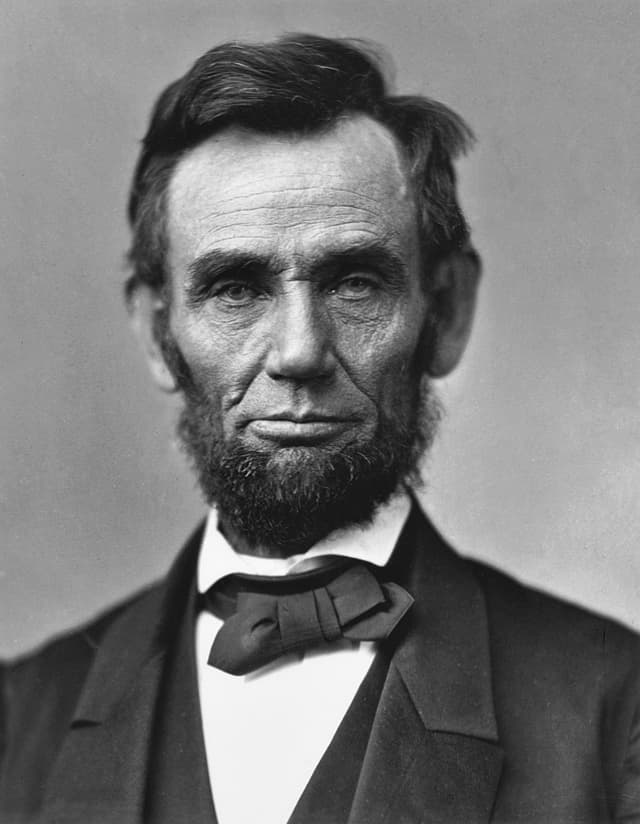
Abraham Lincoln
Abraham Lincoln was the 16th president of the United States, renowned for his leadership during the American Civil War and his pivotal role in the abolition of slavery. Born into poverty in Kentucky and raised on the frontier, he was largely self-educated, eventually becoming a lawyer and entering politics as an Illinois state legislator and U.S. representative. His opposition to the Kansas-Nebraska Act of 1854 propelled him to prominence as a leader of the Republican Party, and he gained national attention during his debates with Stephen A. Douglas in 1858. Lincoln's election in 1860 led to the secession of several slave states and the onset of the Civil War, which he navigated with a focus on preserving the Union and addressing the moral crisis of slavery. Throughout the war, Lincoln took an active role in military strategy and governance, implementing significant measures such as the naval blockade of Southern ports and the controversial suspension of habeas corpus. His issuance of the Emancipation Proclamation in 1863 marked a turning point in the war, declaring freedom for slaves in rebel states, while his Gettysburg Address later that year became a defining statement of American ideals. Lincoln's commitment to Reconstruction and healing the nation after the war was evident in his promotion of the Thirteenth Amendment, which abolished slavery in 1865. His assassination shortly after the war's conclusion left a profound impact on the nation, solidifying his legacy as a champion of liberty and equality.
Famous Quotes
View all 16 quotes“Folks are usually about as happy as they make their minds up to be.””
“Whatever you are, be a good one.””
“Do I not destroy my enemies when I make them my friends?””
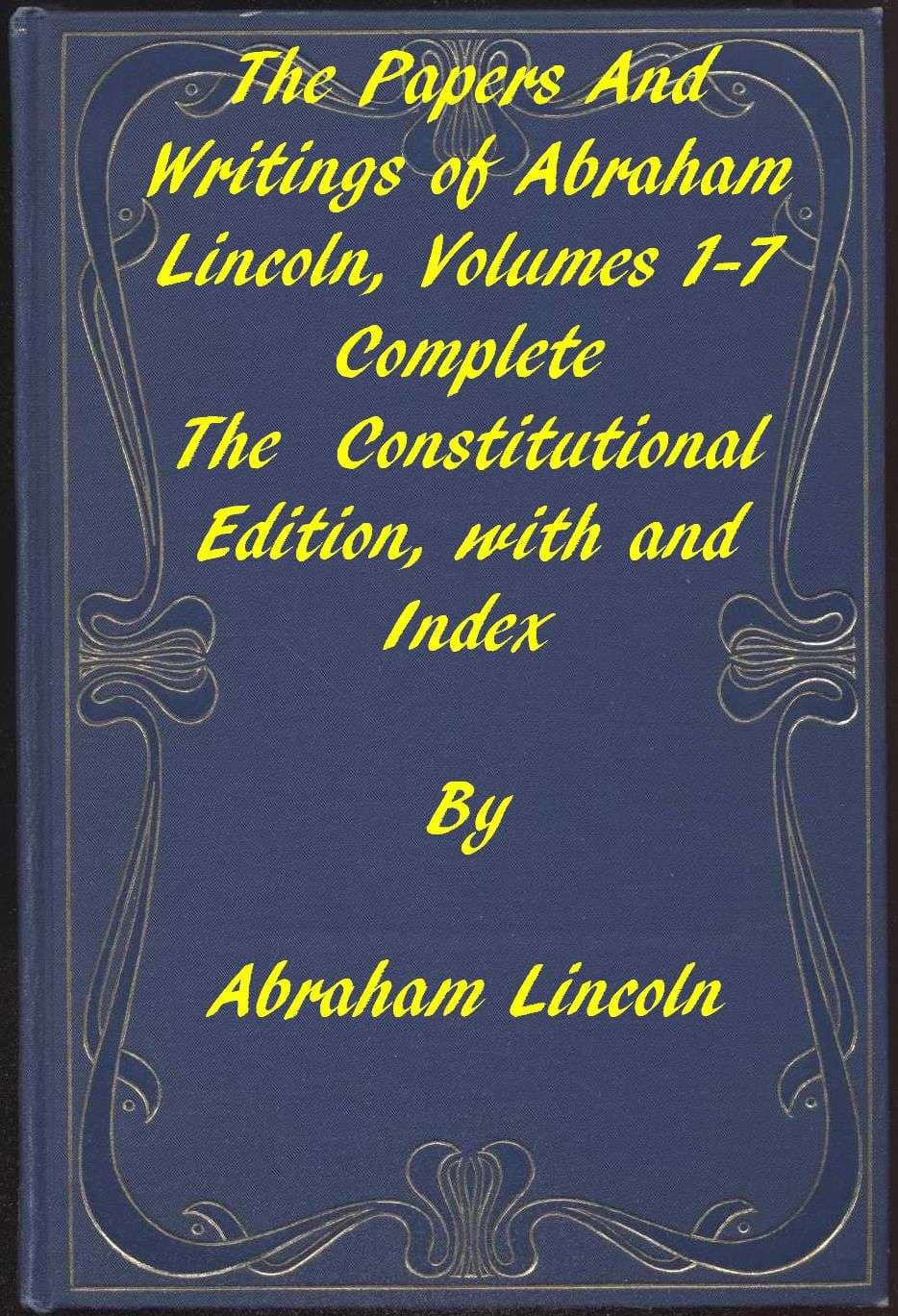
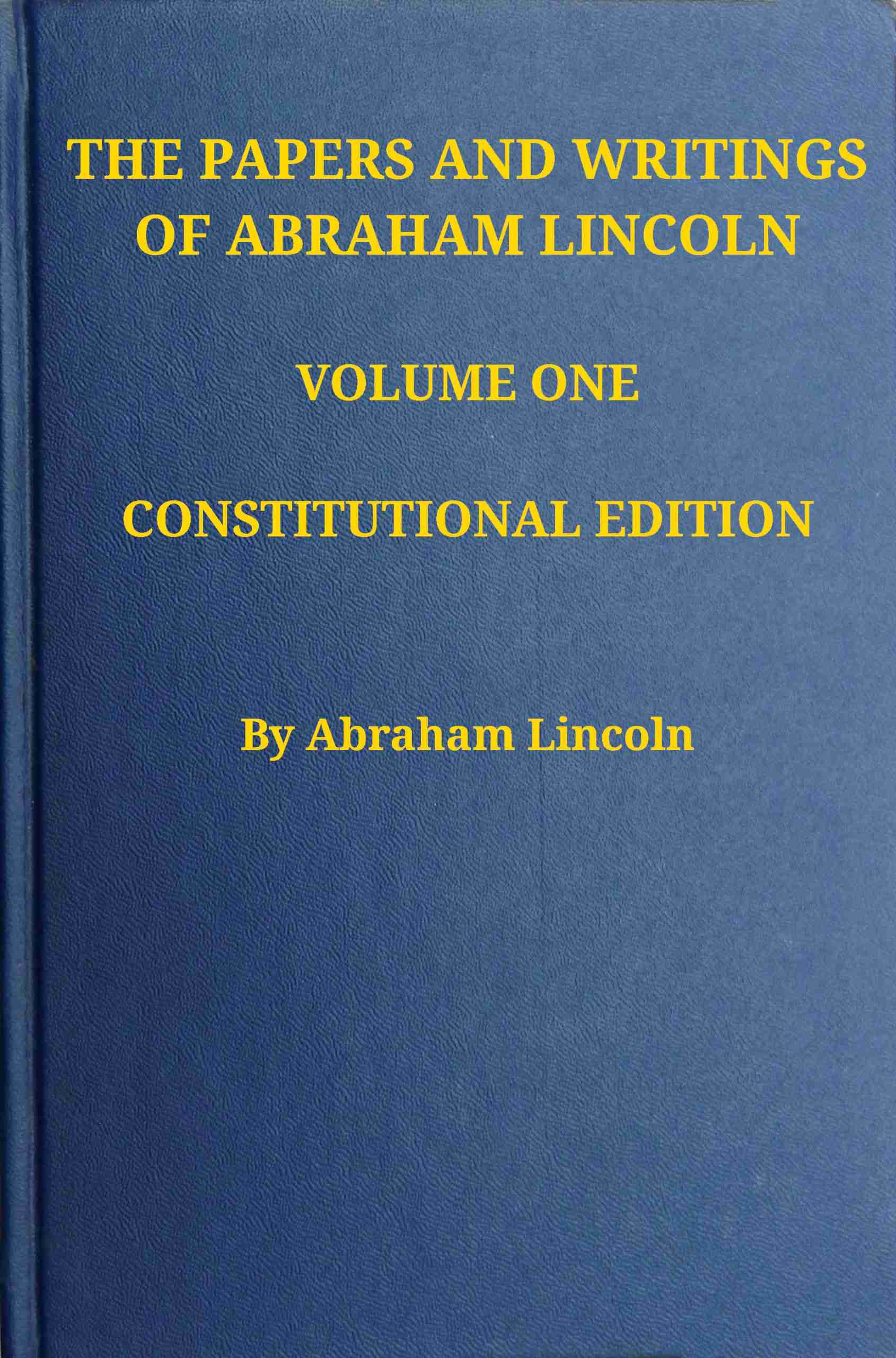
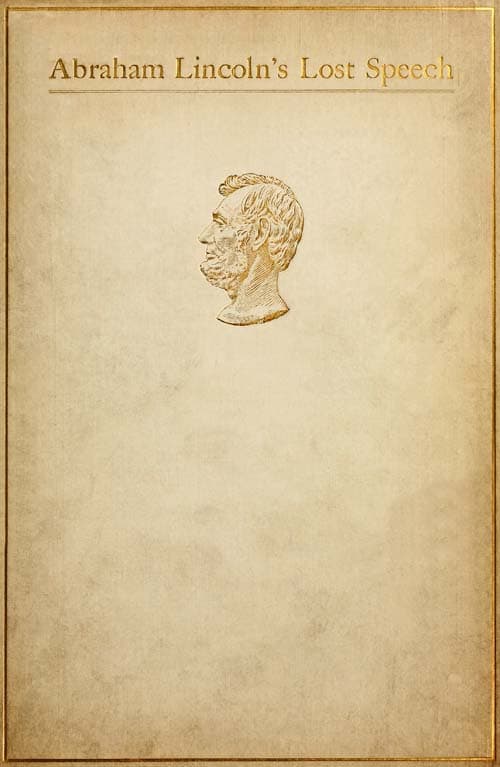
Books from the author
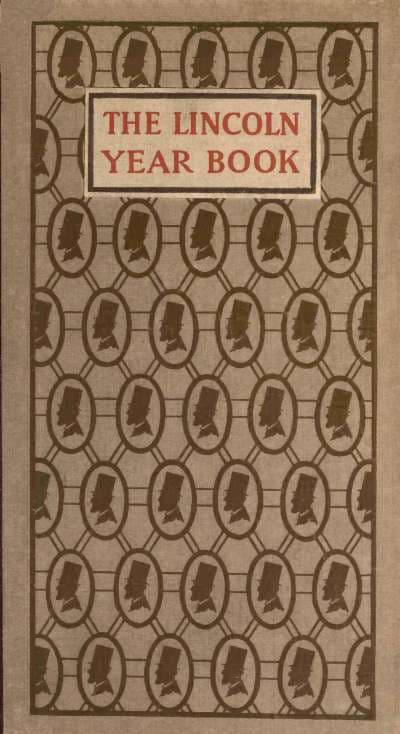


Link to this page
Add a free, dofollow link to Lex on your blog, forum, syllabus, or reading list.

<a href="https://lex-books.com/author/abraham-lincoln"><img src="https://lex-books.com/badges/read-on-lex.svg" alt="Abraham Lincoln on Lex" width="160" height="40"></a>[](https://lex-books.com/author/abraham-lincoln)[url=https://lex-books.com/author/abraham-lincoln][img]https://lex-books.com/badges/read-on-lex.svg[/img][/url]Abraham Lincoln on Lex: https://lex-books.com/author/abraham-lincoln