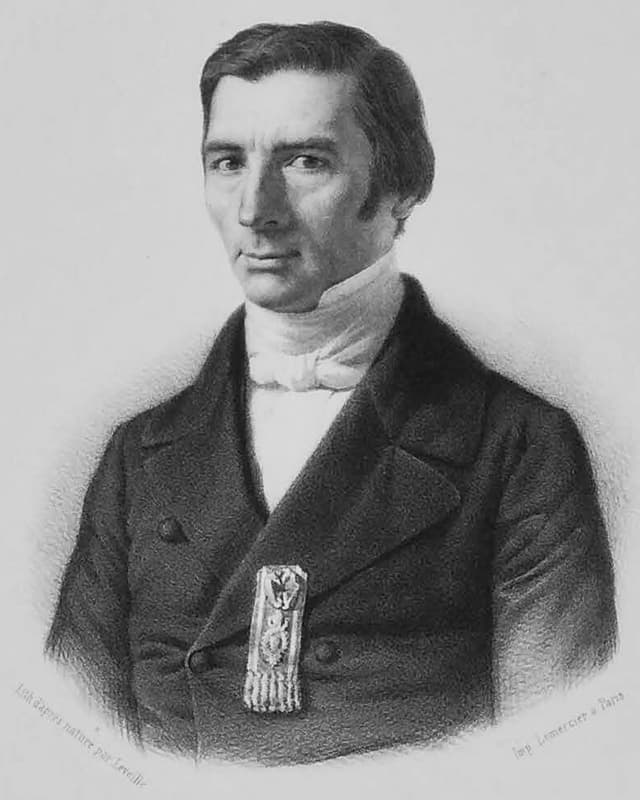
Frédéric Bastiat
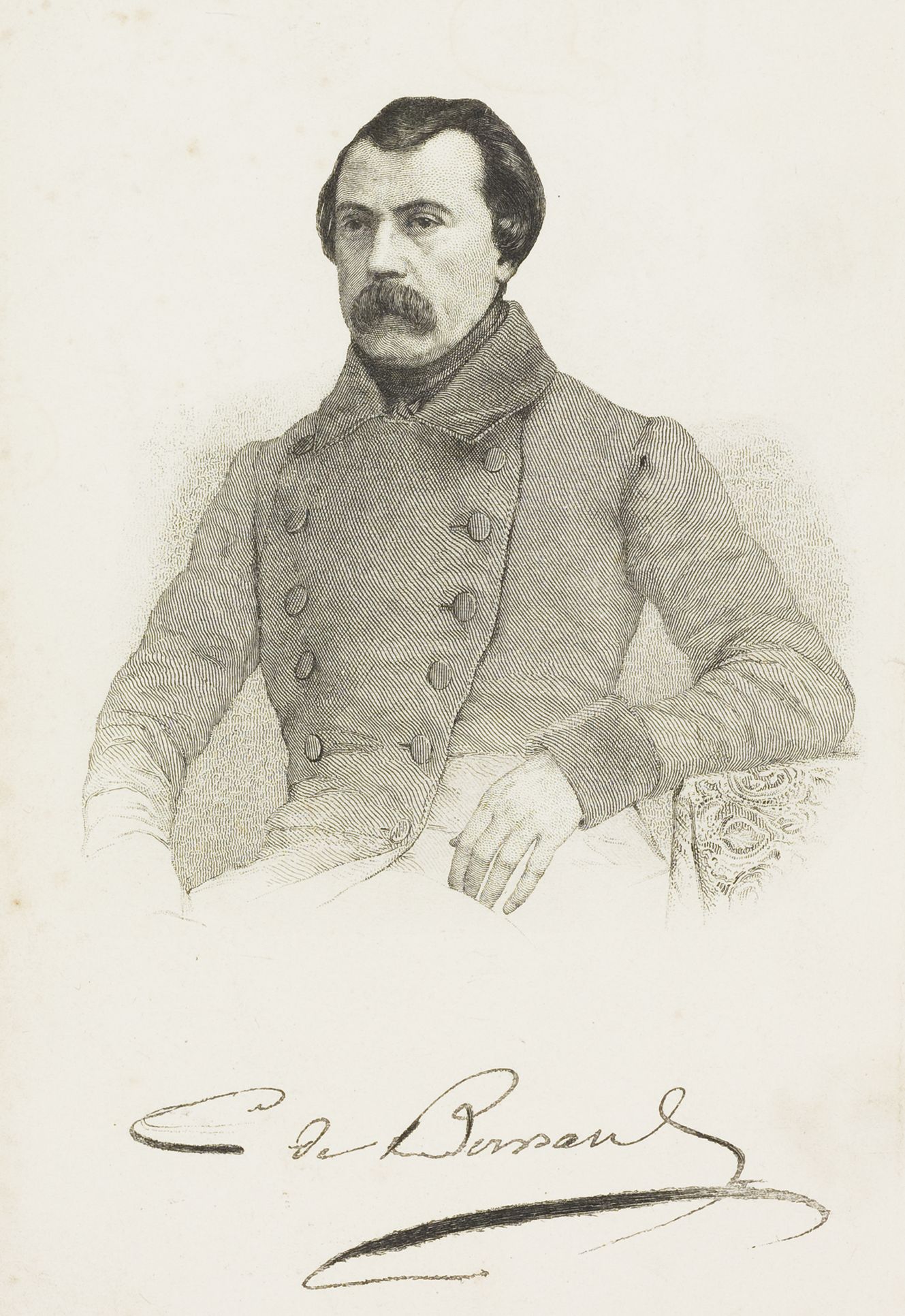
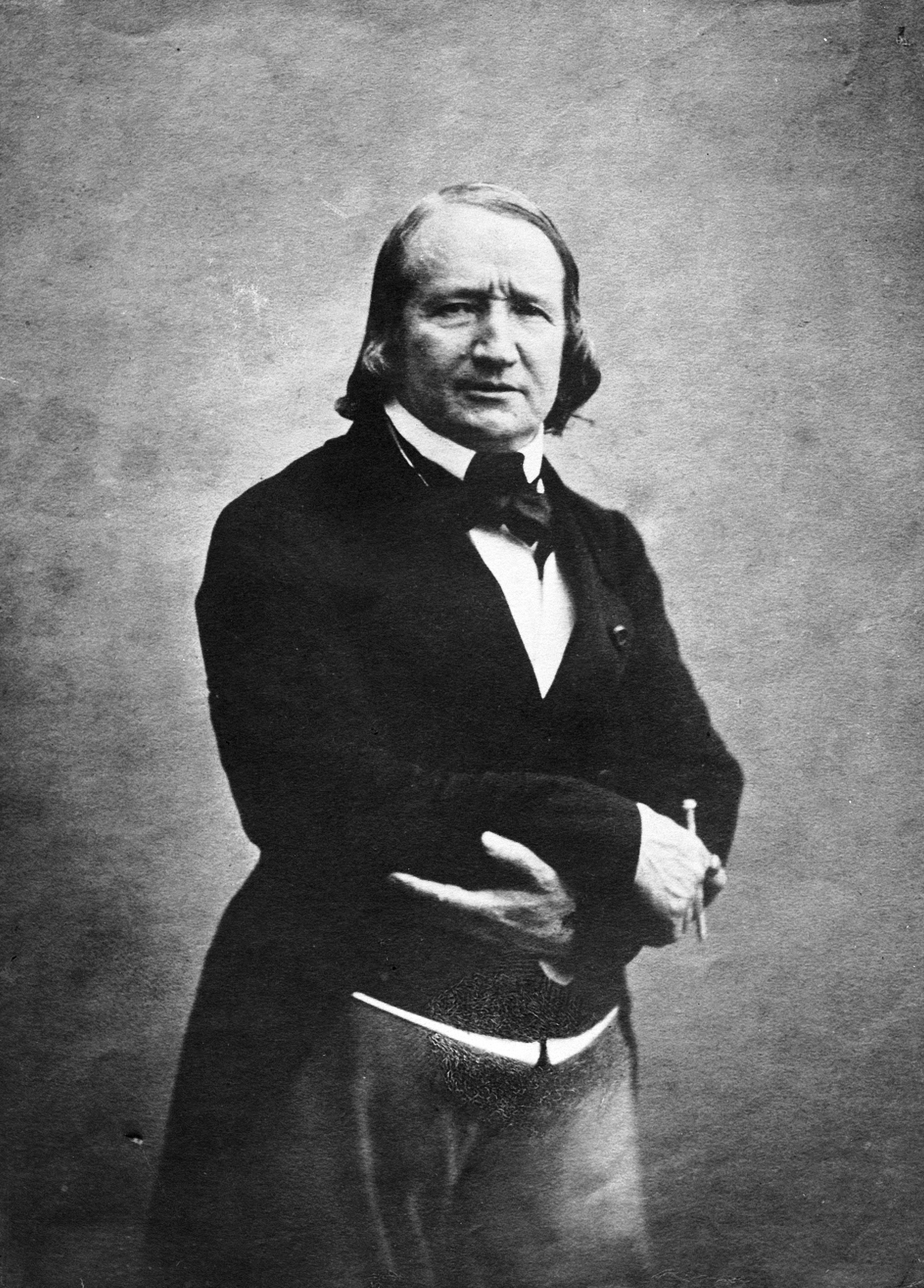
Frédéric Bastiat was a French economist, political theorist, and author known for his influential writings on free-market economics and the role of government. Born in Bayonne, France, he became a prominent figure in the 19th-century liberal movement, advocating for individual liberty and limited government intervention in the economy. His most notable works include 'The Law' (1850), where he argues that the purpose of law is to protect individual rights, and 'What Is Seen and What Is Not Seen' (1850), which explores the unseen consequences of economic actions and policies. Bastiat's sharp wit and clear prose made complex economic ideas accessible to a broader audience, establishing him as a key figure in the development of classical liberal thought. Bastiat's ideas were particularly significant in the context of the economic debates of his time, as he challenged the prevailing mercantilist and protectionist policies that dominated France. His advocacy for free trade and criticism of government overreach laid the groundwork for later economic theories and influenced generations of economists and policymakers. Despite his relatively short life, Bastiat's legacy endures, with his works continuing to be studied and revered by proponents of free-market economics and individual liberty. His insights into the nature of government and economics remain relevant in contemporary discussions about the role of the state in society.
Famous Quotes
View all 20 quotes“When plunder becomes a way of life for a group of men in a society, over the course of time they create for themselves a legal system that authorizes it and a moral code that glorifies it.””
“The worst thing that can happen to a good cause is, not to be skillfully attacked, but to be ineptly defended.””
“When law and morality contradict each other, the citizen has the cruel alternative of either losing his moral sense or losing his respect for the law.””
Books from the author


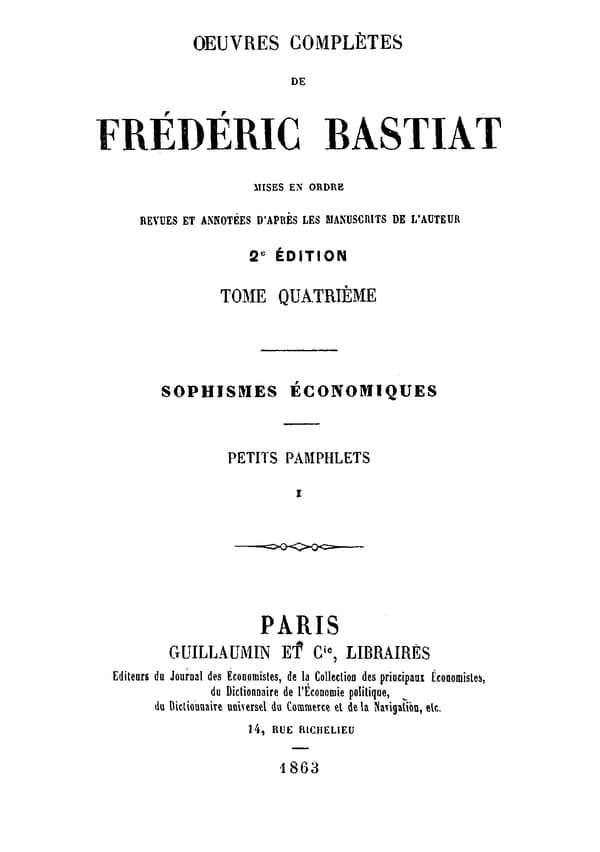
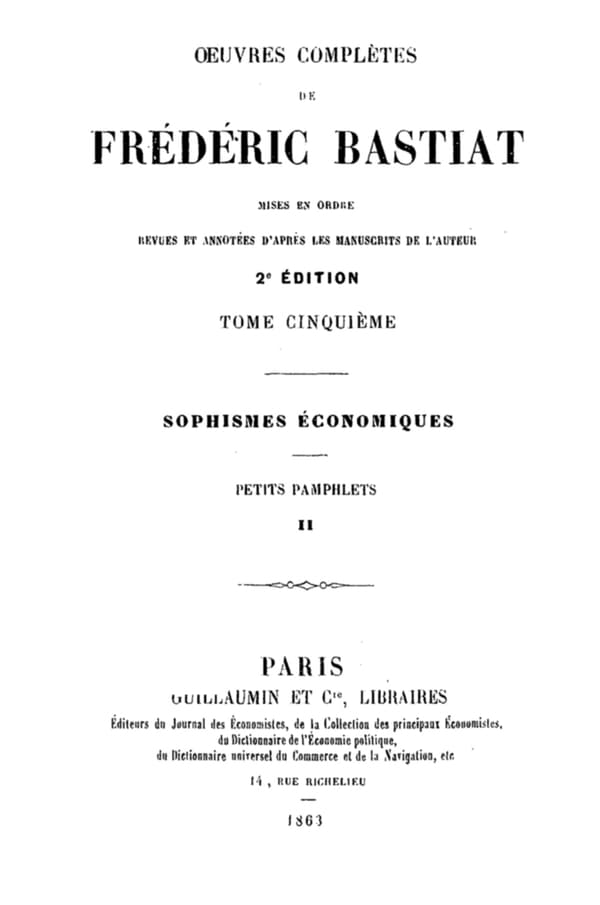


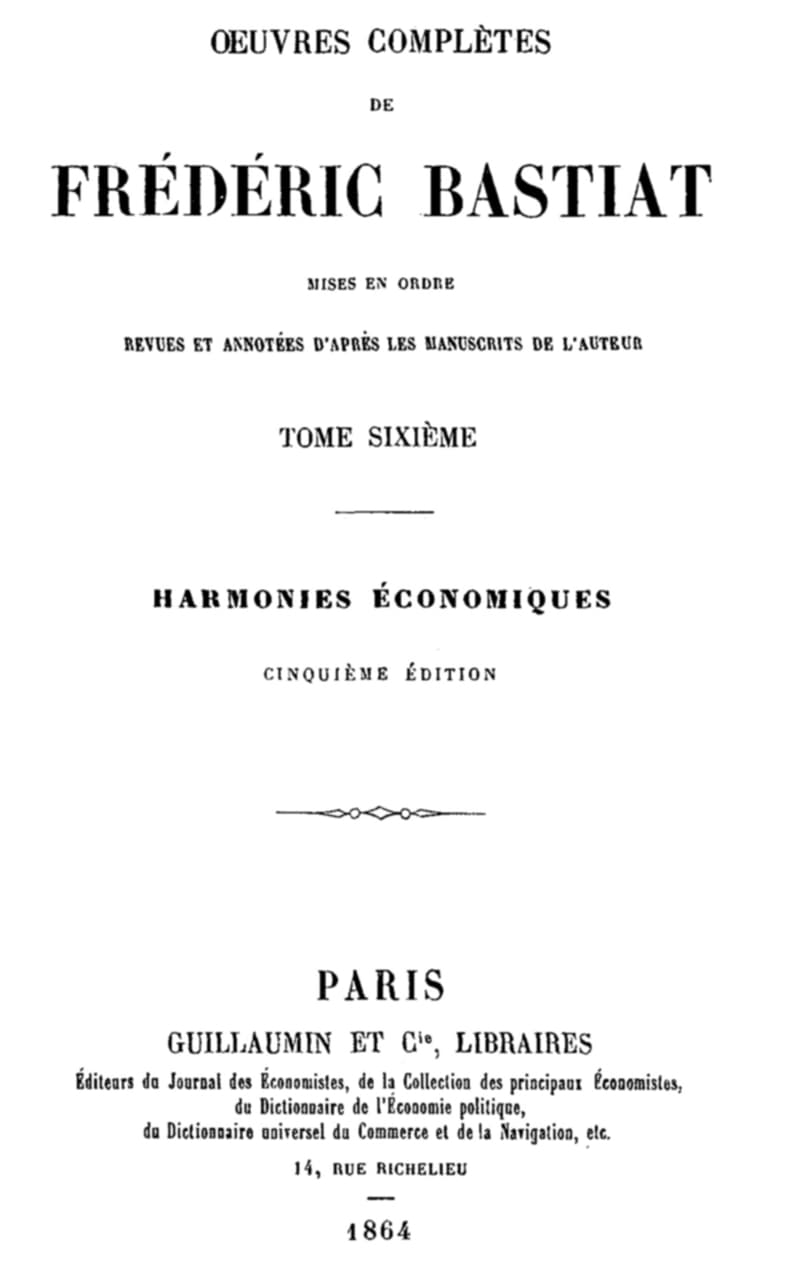


Link to this page
Add a free, dofollow link to Lex on your blog, forum, syllabus, or reading list.

<a href="https://lex-books.com/author/frédéric-bastiat"><img src="https://lex-books.com/badges/read-on-lex.svg" alt="Frédéric Bastiat on Lex" width="160" height="40"></a>[](https://lex-books.com/author/frédéric-bastiat)[url=https://lex-books.com/author/frédéric-bastiat][img]https://lex-books.com/badges/read-on-lex.svg[/img][/url]Frédéric Bastiat on Lex: https://lex-books.com/author/frédéric-bastiat