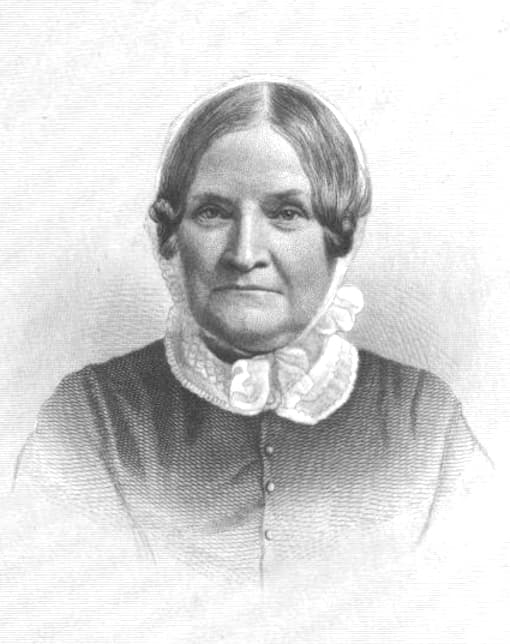
Lydia Maria Child
Lydia Maria Child was a prominent American abolitionist, feminist, and advocate for Native American rights, whose literary contributions spanned novels, journalism, and domestic manuals from the 1820s to the 1850s. Born Lydia Francis, she used her writing to challenge societal norms, addressing issues of male dominance and white supremacy, often shocking her contemporaries with her bold themes. Among her notable works, the poem "Over the River and Through the Wood" remains a beloved piece, reflecting her deep connections to family and nature. Child's activism extended beyond literature; she was a vocal opponent of American expansionism and worked tirelessly for social justice throughout her life. Her writings not only entertained but also educated and inspired readers to confront the pressing moral issues of her time. Today, her legacy endures as a testament to the power of literature in advocating for change and justice, with her childhood home in Medford, Massachusetts, serving as a reminder of her enduring influence.
Famous Quotes
View all 3 quotes“Over the river and through the wood To grandfather's house we go”
“We first crush people to the earth, and then claim the right of trampling on them forever, because they are prostrate.”
“Blessed indeed is the man who hears many gentle voices call him father.”
Books from the author
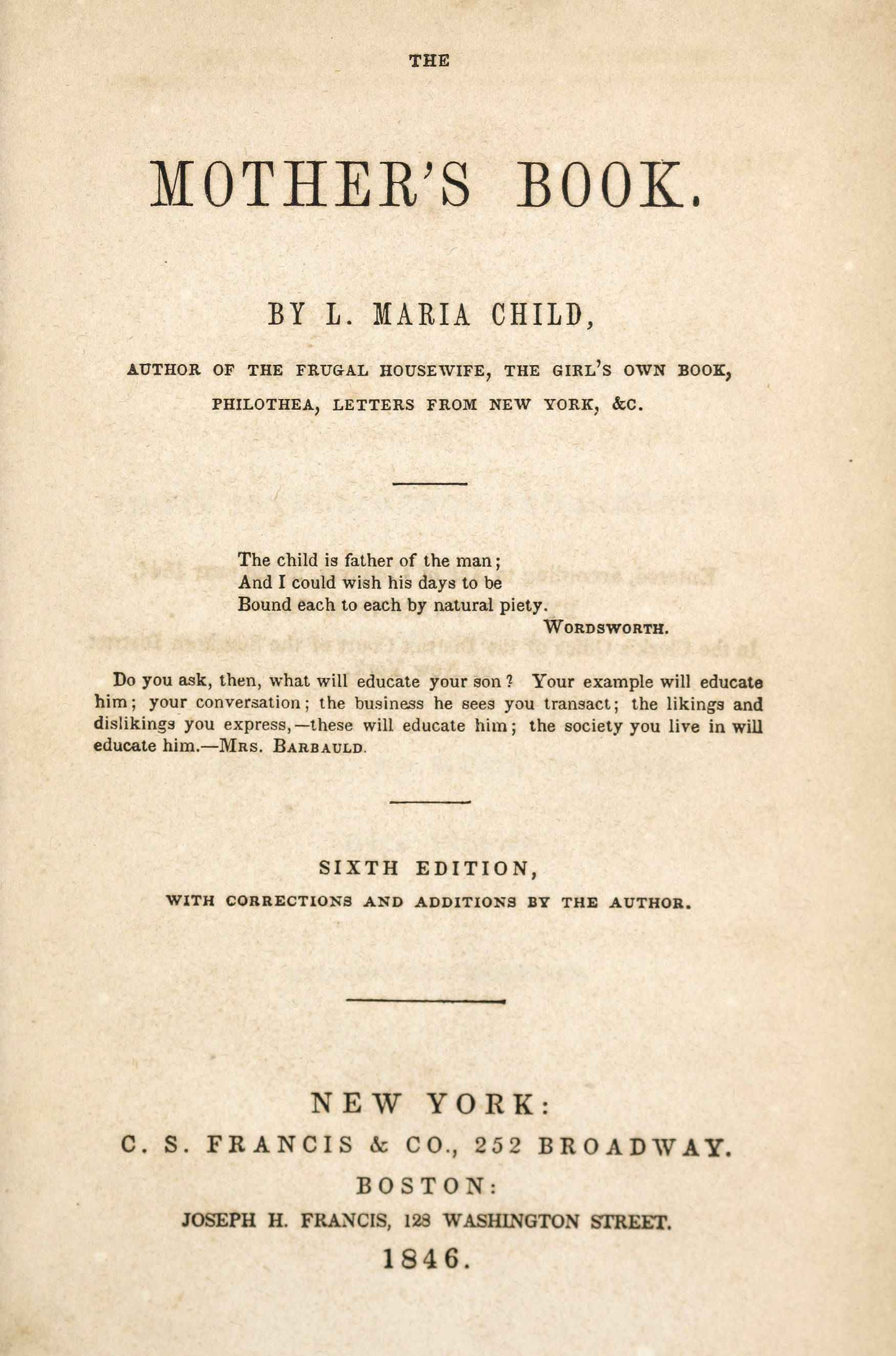
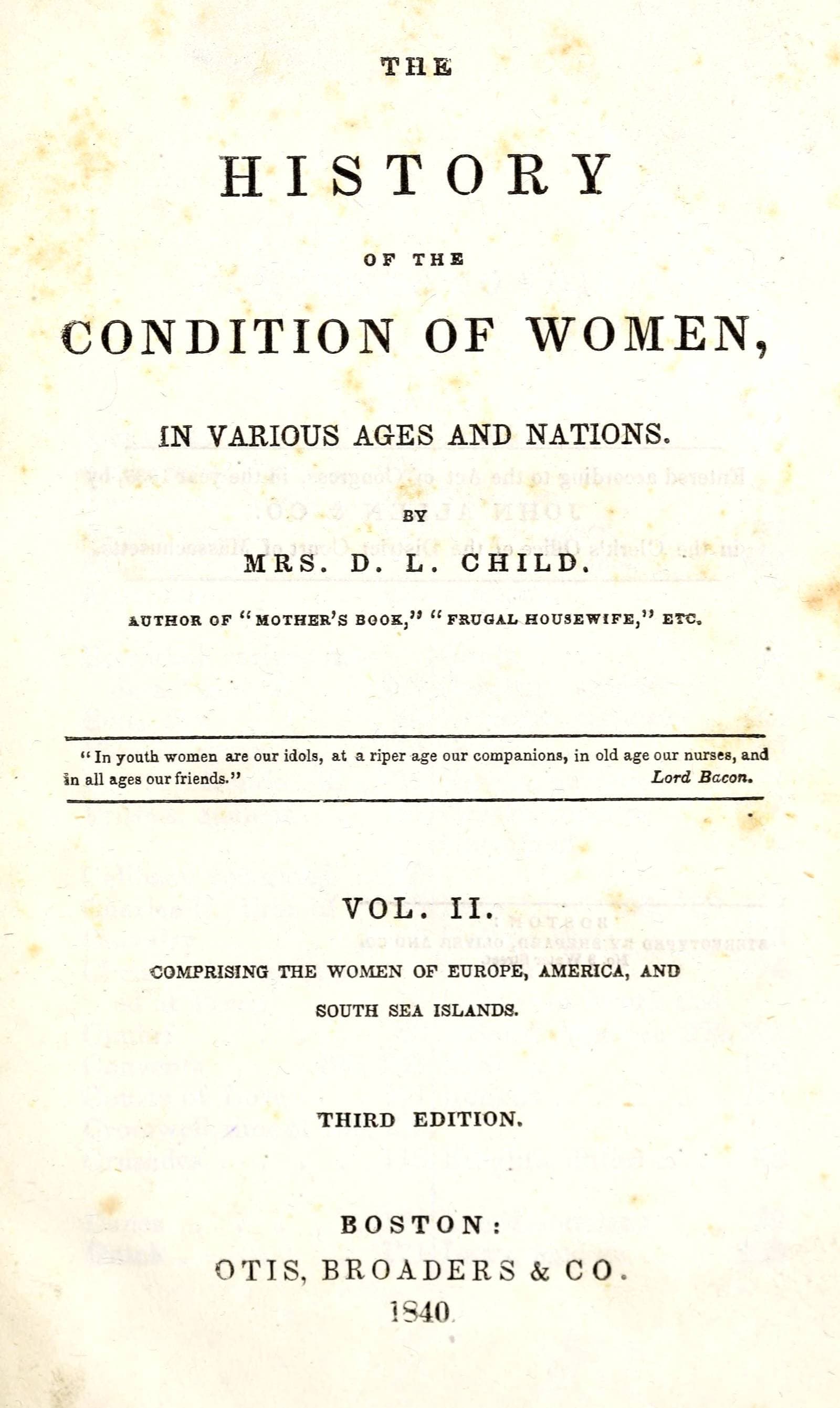
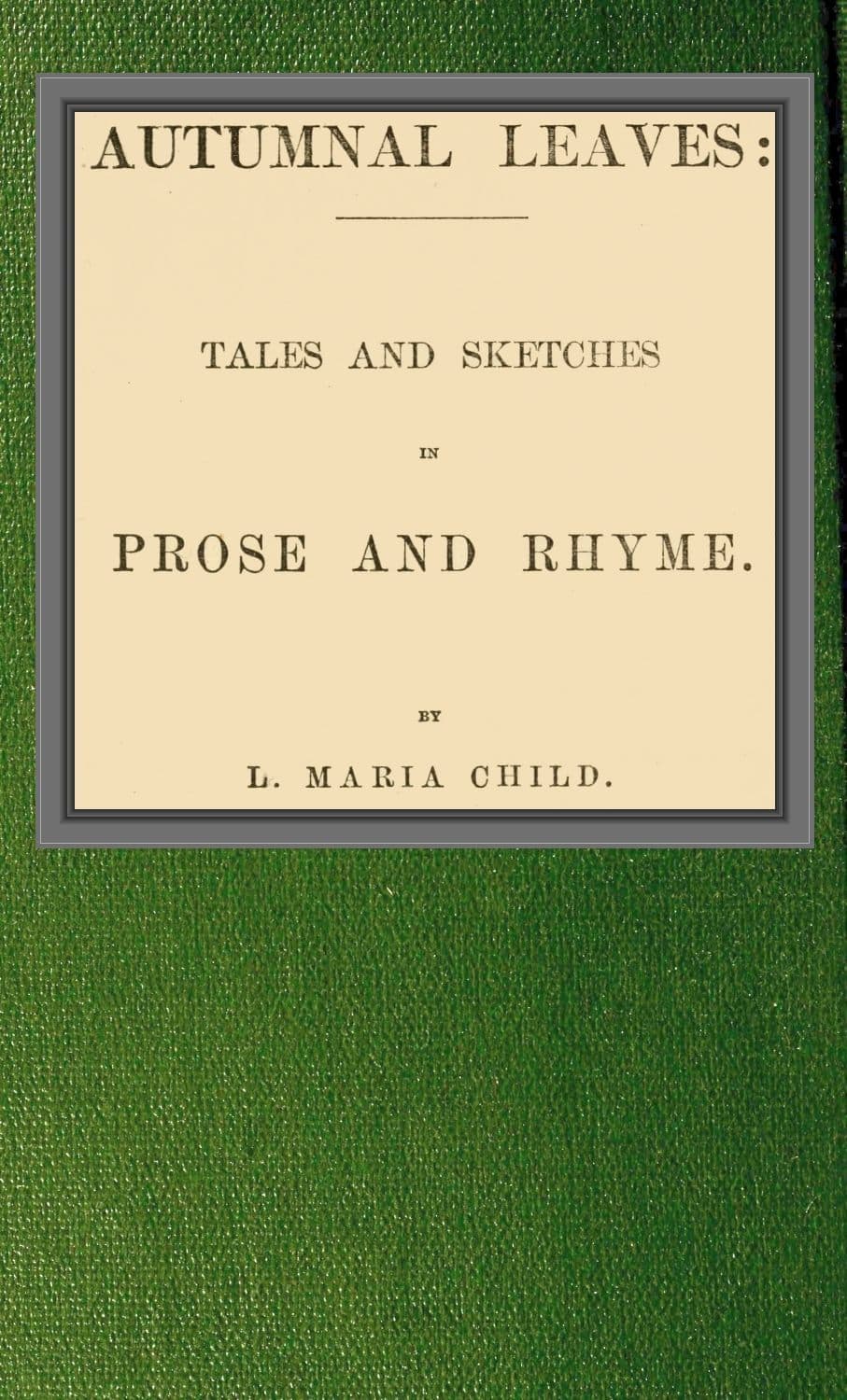
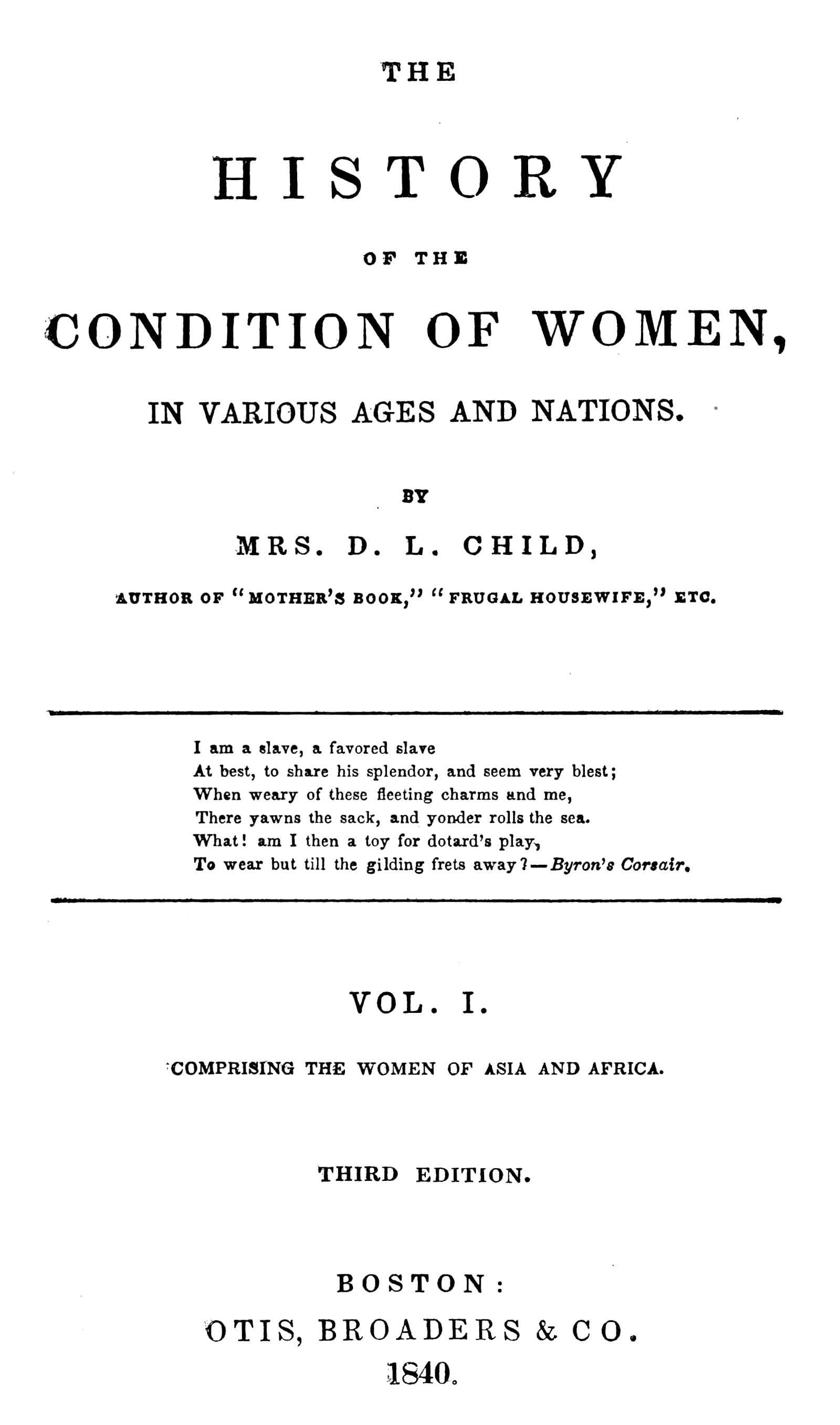
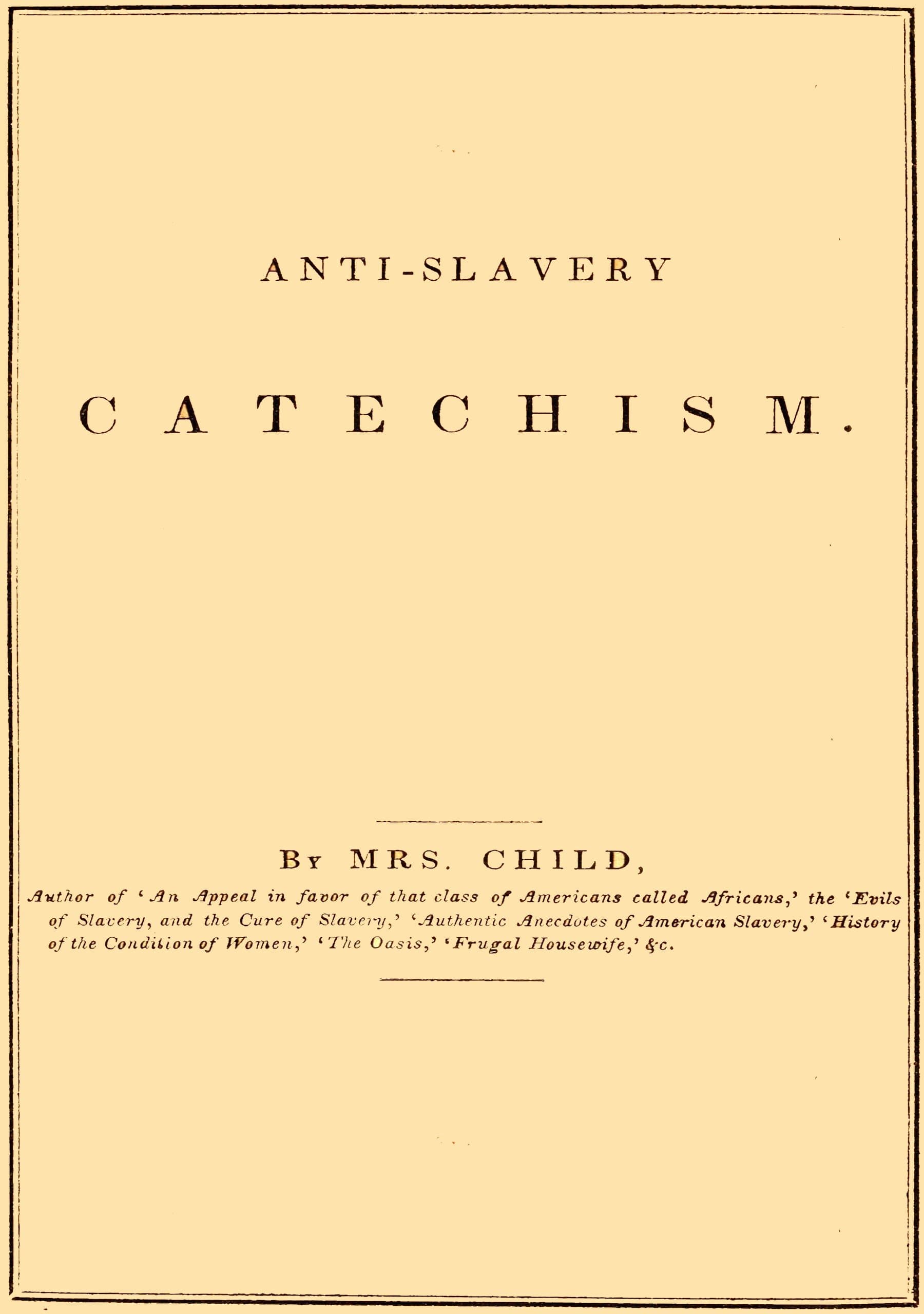


Link to this page
Add a free, dofollow link to Lex on your blog, forum, syllabus, or reading list.

<a href="https://lex-books.com/author/lydia-maria-child"><img src="https://lex-books.com/badges/read-on-lex.svg" alt="Lydia Maria Child on Lex" width="160" height="40"></a>[](https://lex-books.com/author/lydia-maria-child)[url=https://lex-books.com/author/lydia-maria-child][img]https://lex-books.com/badges/read-on-lex.svg[/img][/url]Lydia Maria Child on Lex: https://lex-books.com/author/lydia-maria-child