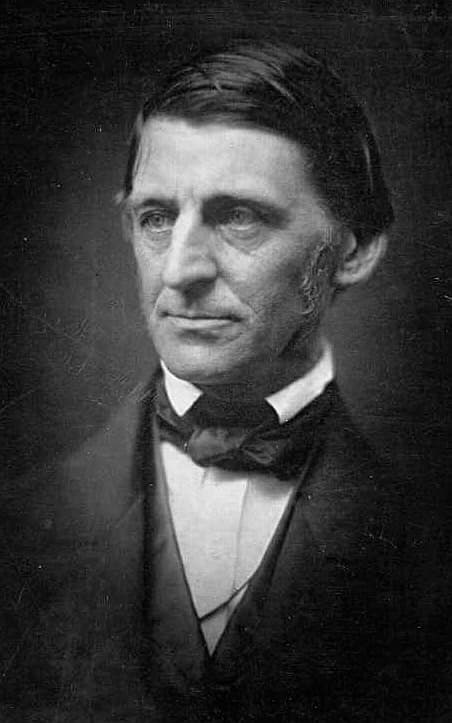
Ralph Waldo Emerson
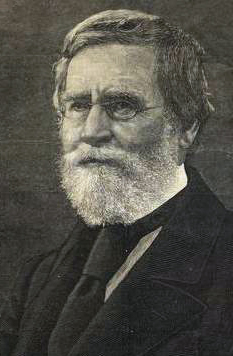
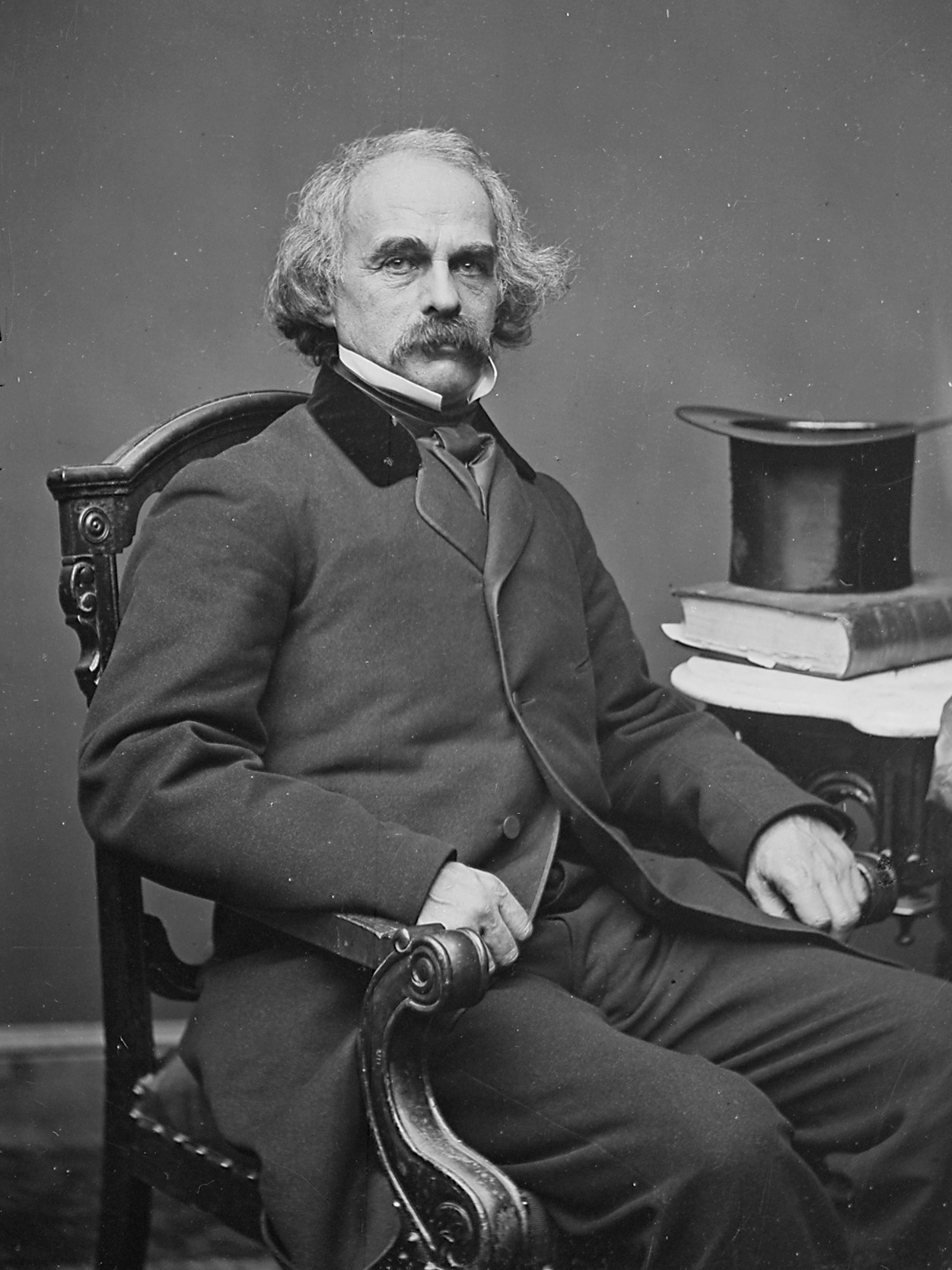
Ralph Waldo Emerson was an influential American essayist, philosopher, and poet who emerged as a leading figure in the Transcendentalist movement during the mid-19th century. Known for his advocacy of individualism and critical thinking, Emerson challenged the societal norms of his time, promoting the idea that individuals could transcend the limitations imposed by society. His seminal essay, "Nature," published in 1836, laid the groundwork for Transcendentalist philosophy, emphasizing the interconnectedness of the soul and the universe. Emerson's eloquent speech, "The American Scholar," delivered in 1837, was hailed as America's intellectual declaration of independence, further establishing his role as a thought leader in American literature and philosophy. Throughout his career, Emerson produced a wealth of essays that explored themes of individuality, freedom, and the human experience. His collections, "Essays: First Series" (1841) and "Essays: Second Series" (1844), include notable works such as "Self-Reliance," "The Over-Soul," and "Experience," which reflect his belief in the potential of mankind to achieve greatness. Emerson's philosophical outlook was characterized by a pantheistic view of nature, where he saw the universe as a harmonious blend of Nature and the Soul. His ideas not only influenced contemporaries like Walt Whitman and Friedrich Nietzsche but also laid the foundation for future movements in American thought, making him a pivotal figure in the evolution of modern philosophy and literature.
Famous Quotes
View all 20 quotes“To be yourself in a world that is constantly trying to make you something else is the greatest accomplishment.””
“For every minute you are angry you lose sixty seconds of happiness.””
“Finish each day and be done with it. You have done what you could. Some blunders and absurdities no doubt crept in; forget them as soon as you can. Tomorrow is a new day. You shall begin it serenely and with too high a spirit to be encumbered with your old nonsense.””
Books from the author

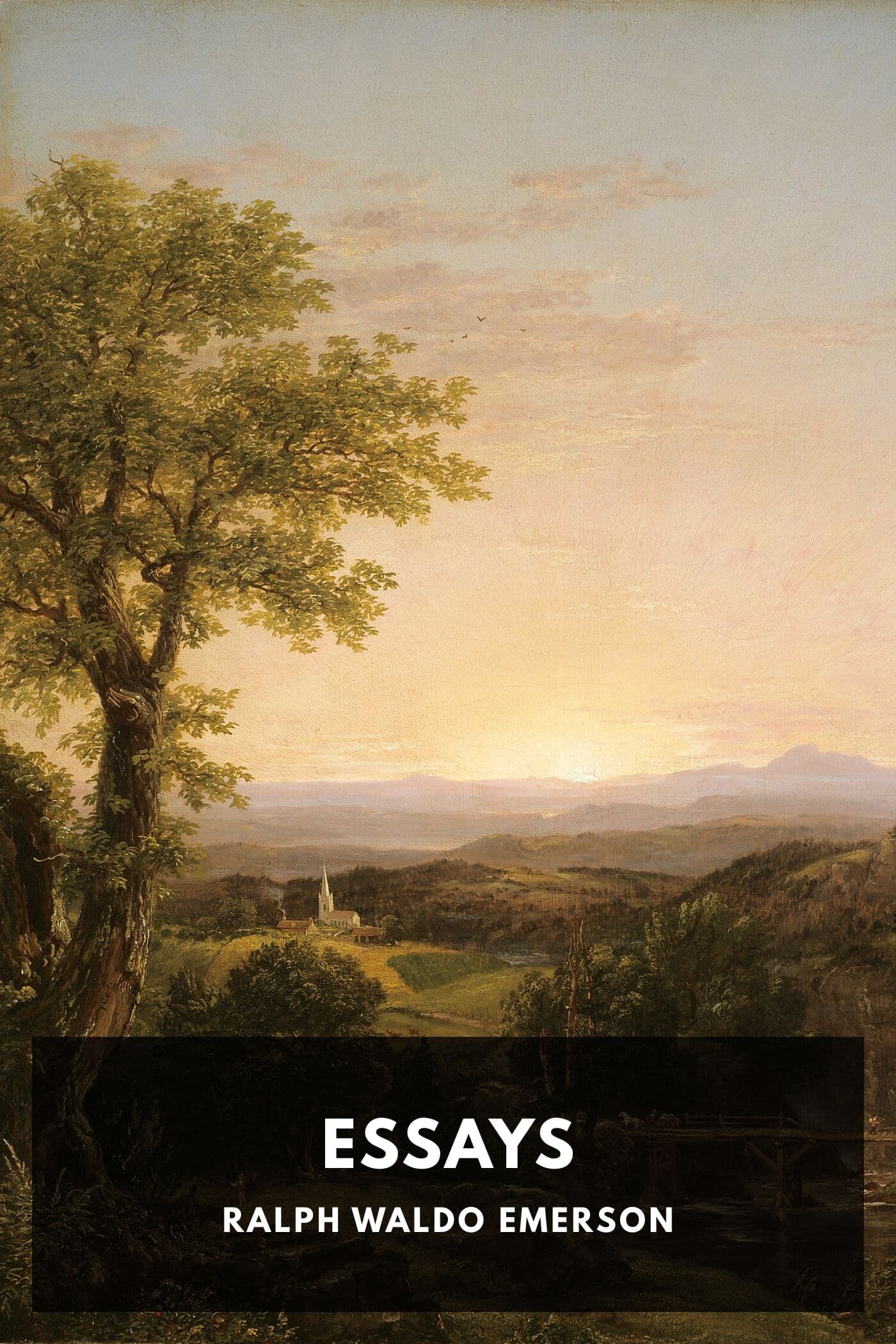
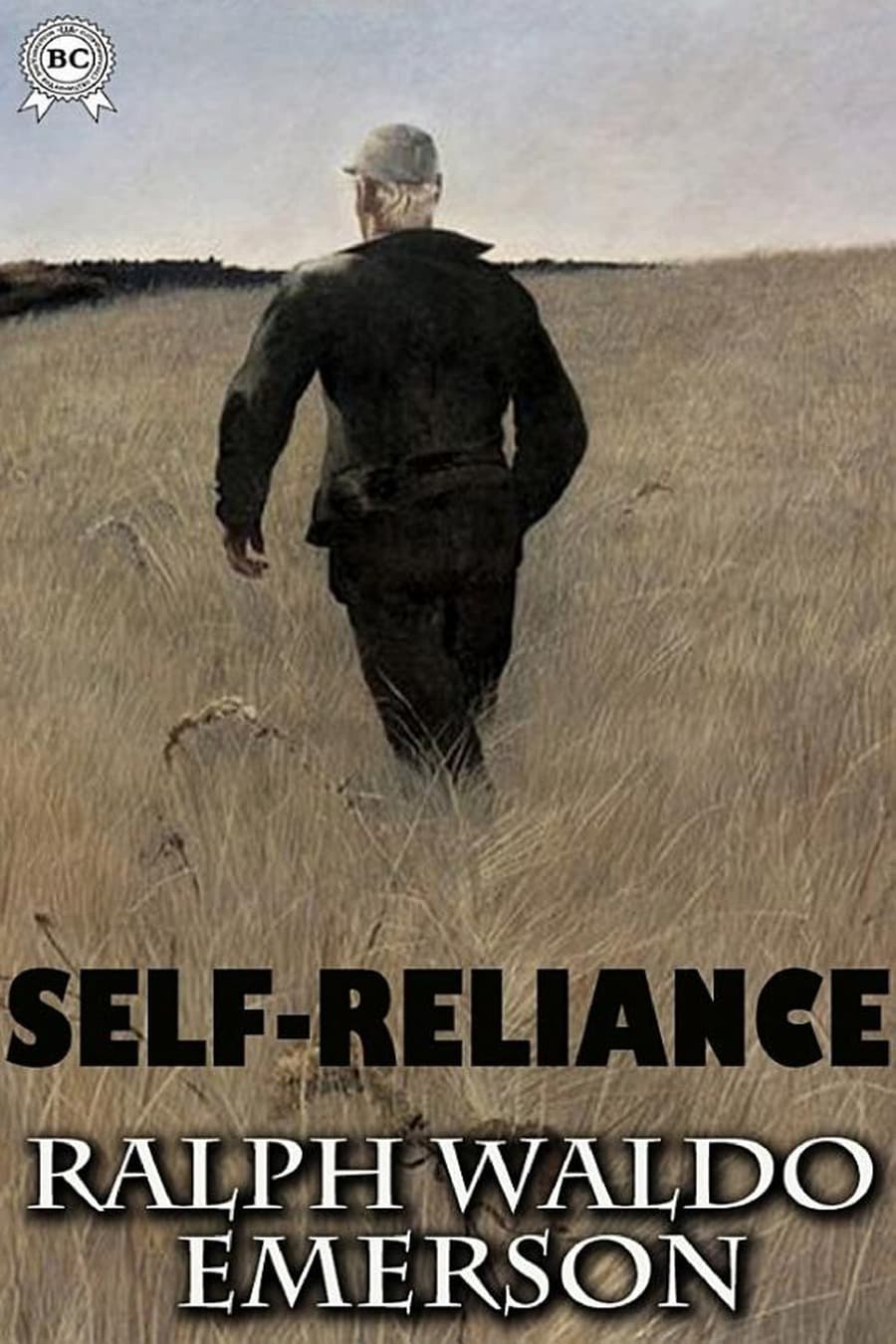
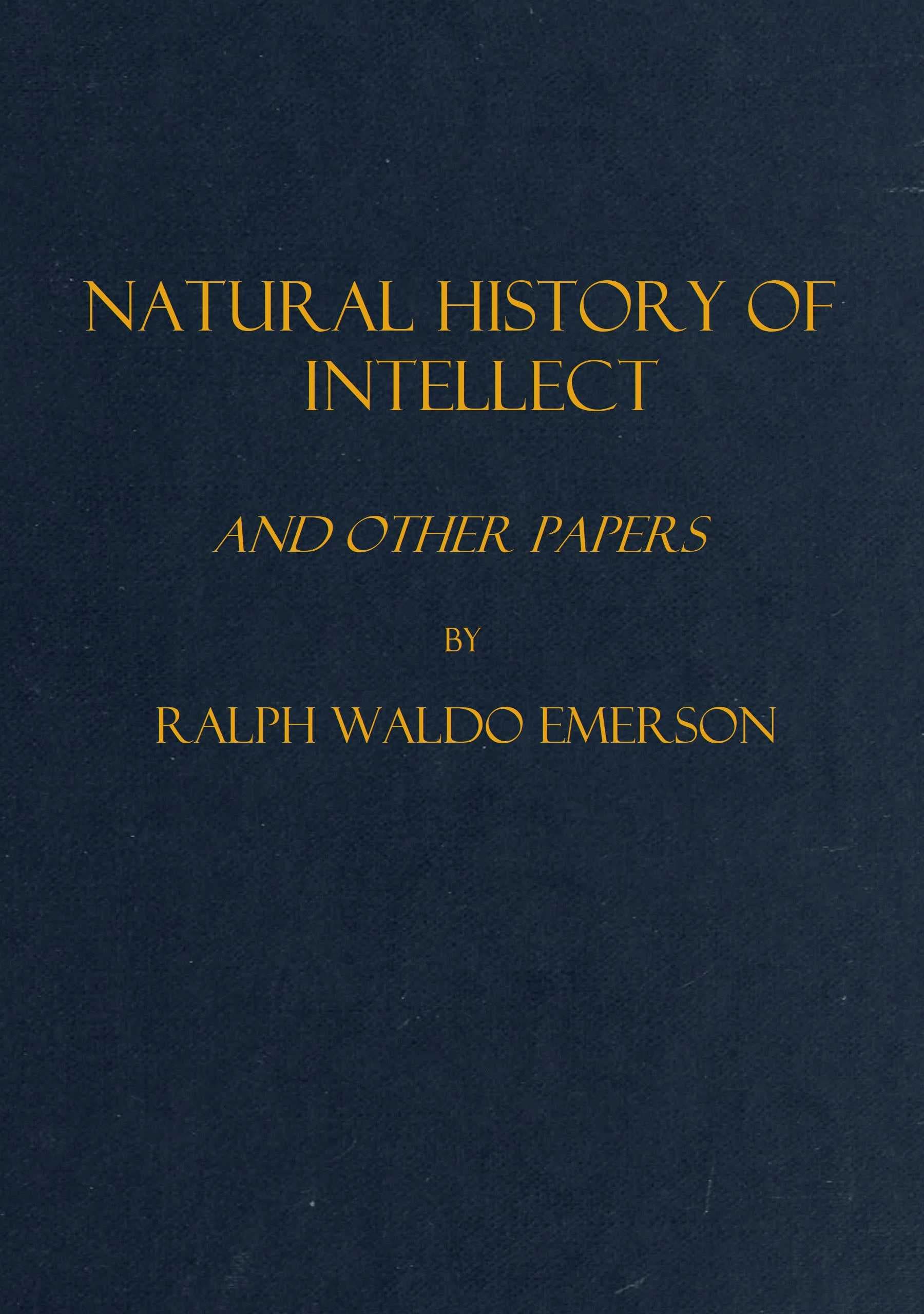
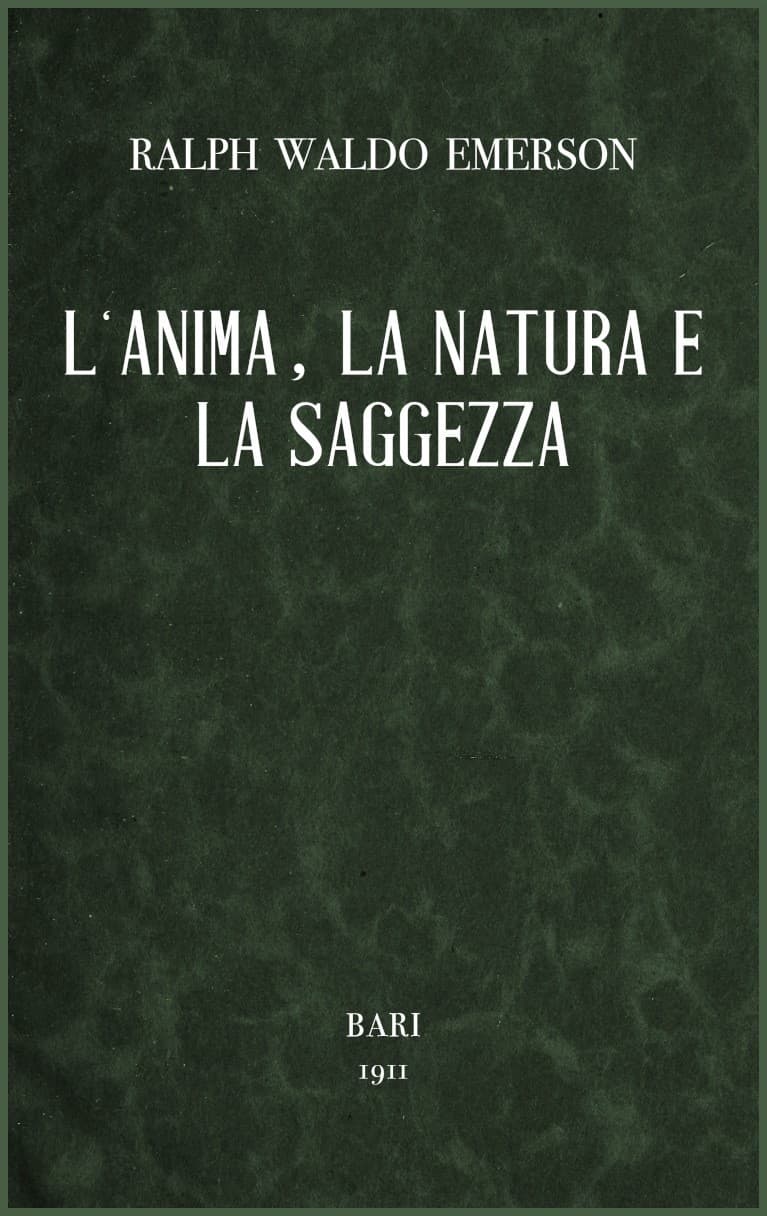


Link to this page
Add a free, dofollow link to Lex on your blog, forum, syllabus, or reading list.

<a href="https://lex-books.com/author/ralph-waldo-emerson"><img src="https://lex-books.com/badges/read-on-lex.svg" alt="Ralph Waldo Emerson on Lex" width="160" height="40"></a>[](https://lex-books.com/author/ralph-waldo-emerson)[url=https://lex-books.com/author/ralph-waldo-emerson][img]https://lex-books.com/badges/read-on-lex.svg[/img][/url]Ralph Waldo Emerson on Lex: https://lex-books.com/author/ralph-waldo-emerson