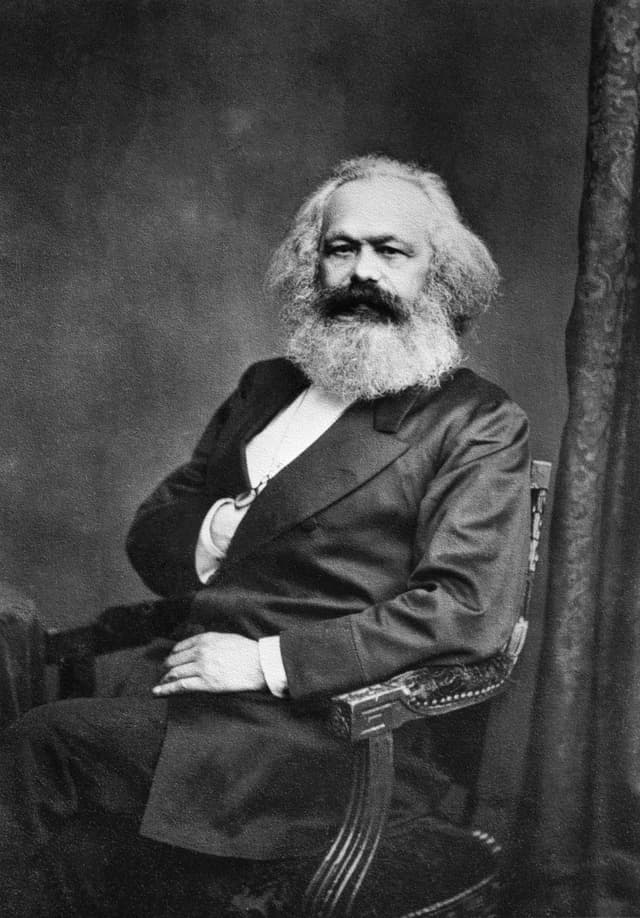
Karl Marx
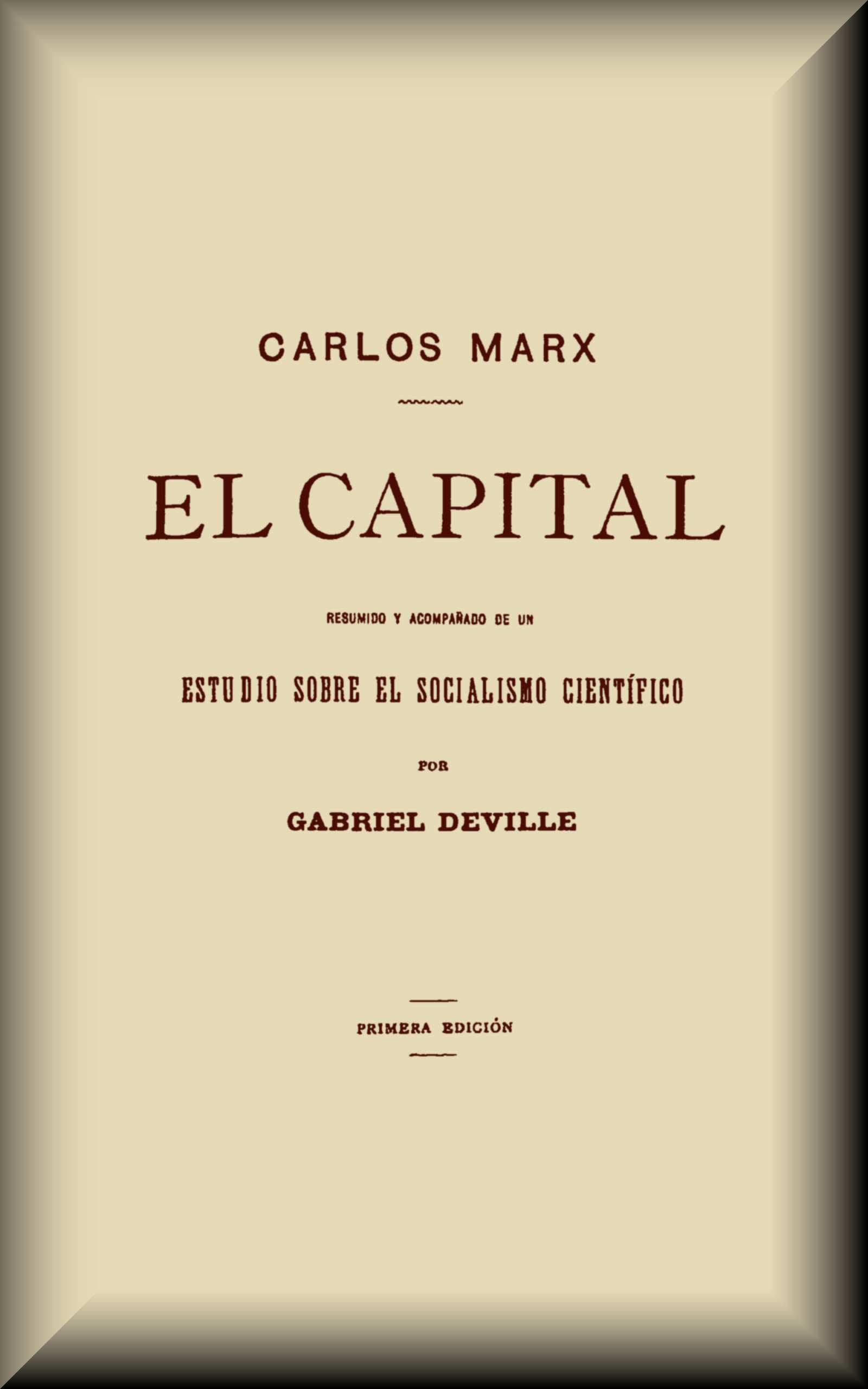
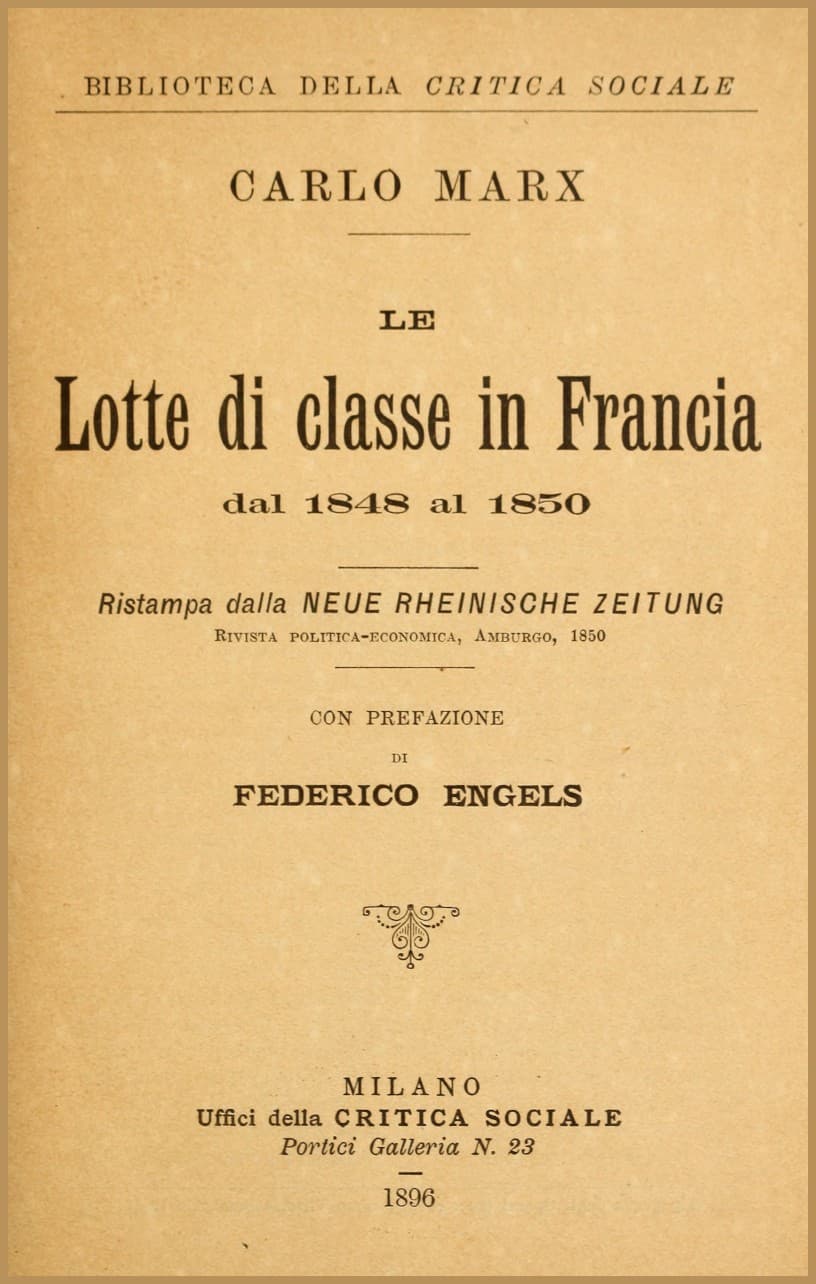
Karl Marx was a German philosopher, political theorist, economist, and revolutionary socialist whose ideas laid the groundwork for modern socialist and communist movements. Born in Trier, he pursued higher education at the University of Bonn, the University of Berlin, and earned his doctorate in philosophy from the University of Jena. Influenced by Hegelian philosophy, Marx developed his own theories, notably in works like The German Ideology and the Grundrisse. His collaboration with Friedrich Engels culminated in the 1848 publication of The Communist Manifesto, a seminal text that called for the working class to rise against capitalist oppression, outlining a vision for a revolutionary future. Marx's most significant work, Das Kapital, published in three volumes between 1867 and 1894, provided a critical analysis of political economy and capitalism through the lens of historical materialism. He argued that societal development is driven by class conflict, particularly between the bourgeoisie and the proletariat. Marx's theories predicted that the inherent contradictions of capitalism would eventually lead to its downfall and the establishment of a classless society. His involvement in the International Workingmen's Association further solidified his role as a key figure in the labor movement. Despite facing political exile and living in poverty, Marx's critiques of capitalism and his vision for socialism have had a profound and lasting impact on political thought and movements worldwide, shaping the course of history in the 20th century and beyond.
Famous Quotes
View all 18 quotes“The philosophers have only the world, in various ways. The point, however, is to it.[]””
“The oppressed are allowed once every few years to decide which particular representatives of the oppressing class are to represent and repress them.””
“The less you eat, drink and read books; the less you go to the theatre, the dance hall, the public house; the less you think, love, theorize, sing, paint, fence, etc., the more you save-the greater becomes your treasure which neither moths nor dust will devour-your capital. The less you are, the more you have; the less you express your own life, the greater is your alienated life-the greater is the store of your estranged being.””
Books from the author
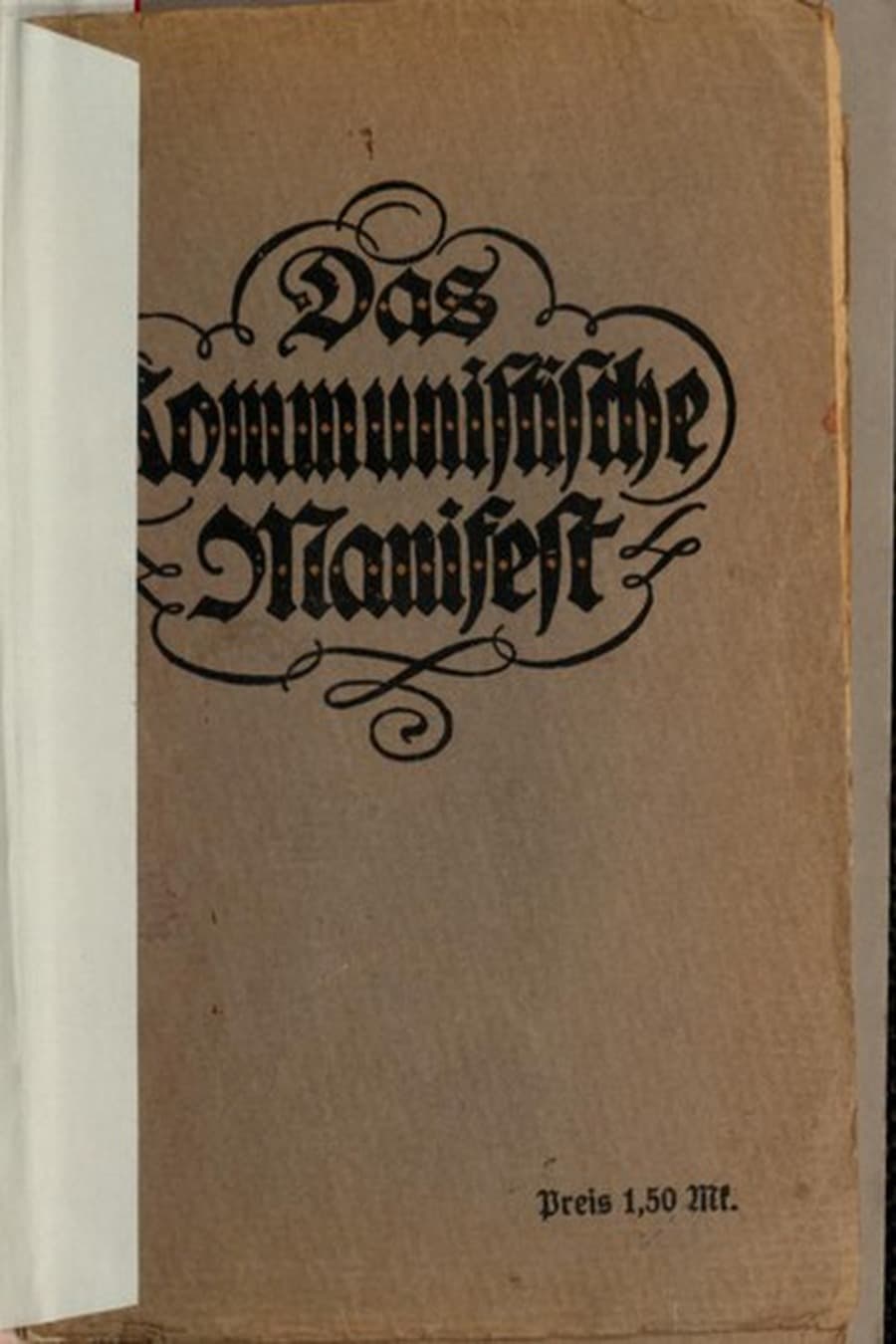

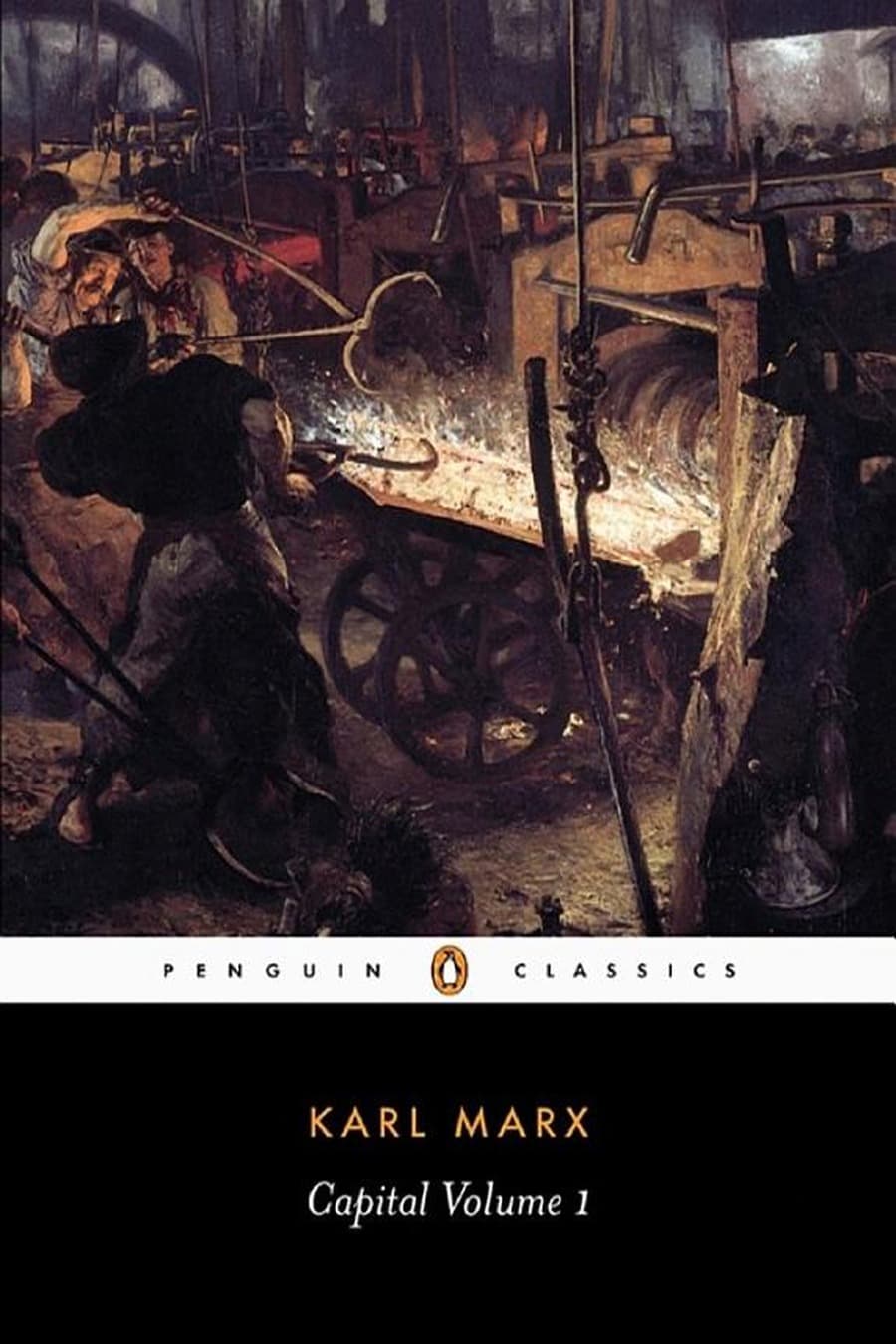
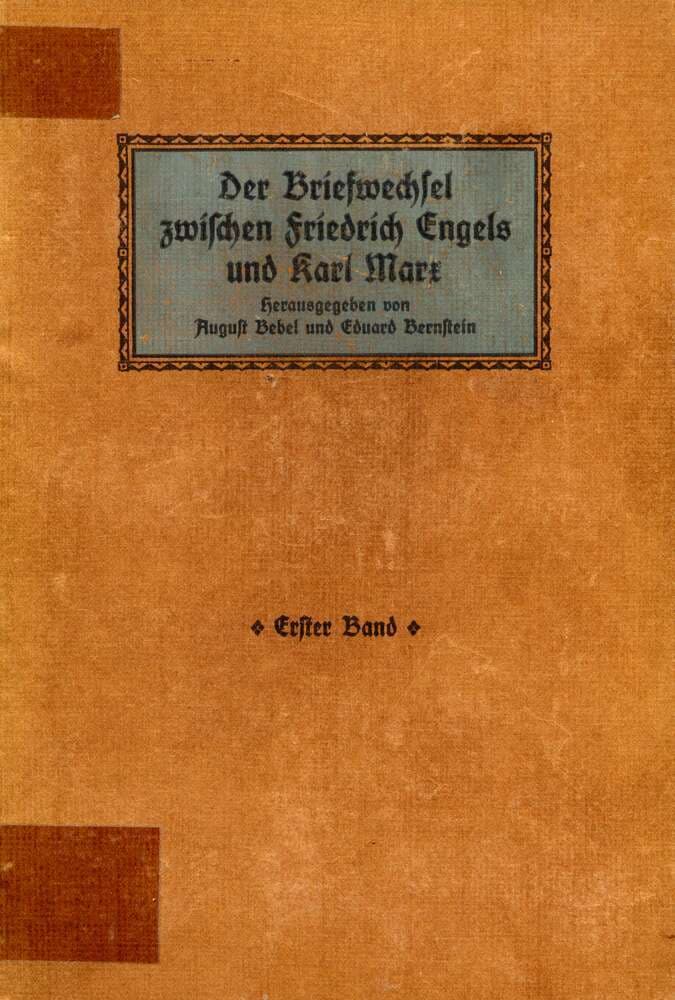

Link to this page
Add a free, dofollow link to Lex on your blog, forum, syllabus, or reading list.

<a href="https://lex-books.com/author/karl-marx"><img src="https://lex-books.com/badges/read-on-lex.svg" alt="Karl Marx on Lex" width="160" height="40"></a>[](https://lex-books.com/author/karl-marx)[url=https://lex-books.com/author/karl-marx][img]https://lex-books.com/badges/read-on-lex.svg[/img][/url]Karl Marx on Lex: https://lex-books.com/author/karl-marx