The Ballad of the White Horse
1911
The year is 873 AD. The Danes have come like a dark tide, burning monasteries, shattering the last pockets of Christian resistance in Wessex. King Alfred, broken and hiding in the marshes of Athelney, receives a vision that will change the course of English history: the Virgin Mary, radiant, promising not victory but the courage to fight for civilization itself. What follows is part war epic, part spiritual reckoning. Alfred must rally his scattered thanes, infiltrate the enemy camp as a minstrel, and prepare for one last stand at Ethandune. Chesterton writes in thundering ballad stanzas that feel like old songs remembered rather than poems composed, weaving the legend of Alfred's burning of the cakes into a larger mythology where a king's humility becomes his greatest strength. The poem is explicitly not interested in dry history; it wants to tell you what Alfred *means* : the idea that civilization is a fragile flame worth dying for, that defeat can precede resurrection, that faith and reason must stand together against the nihilistic fury of the North. Written in 1911 on the eve of world war, this is not nostalgic antiquarianism but a fierce argument about what holds societies together when everything collapses. It is for readers who want their poetry to *mean* something, who believe myths are not lies but the deepest truths a culture tells itself.
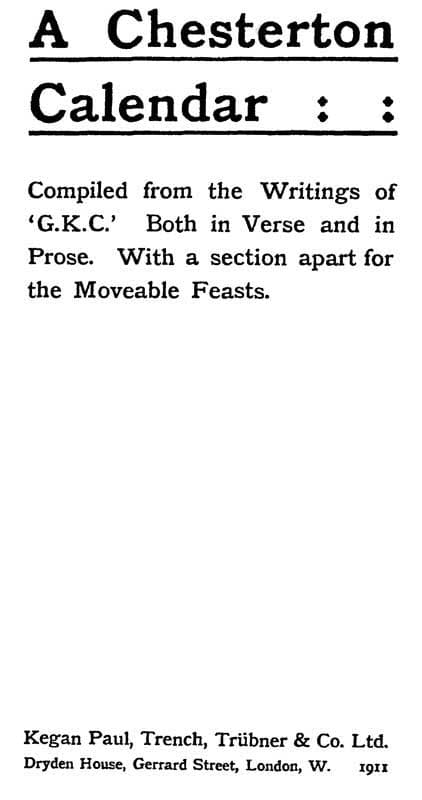
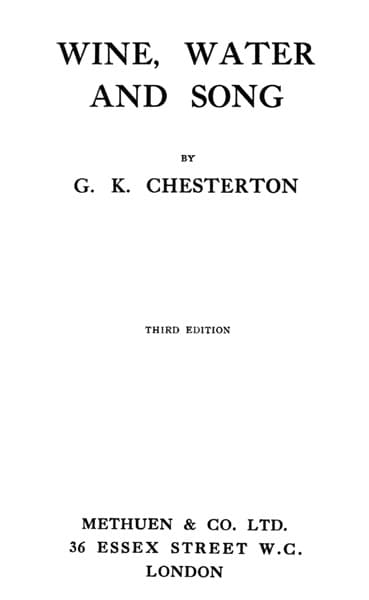
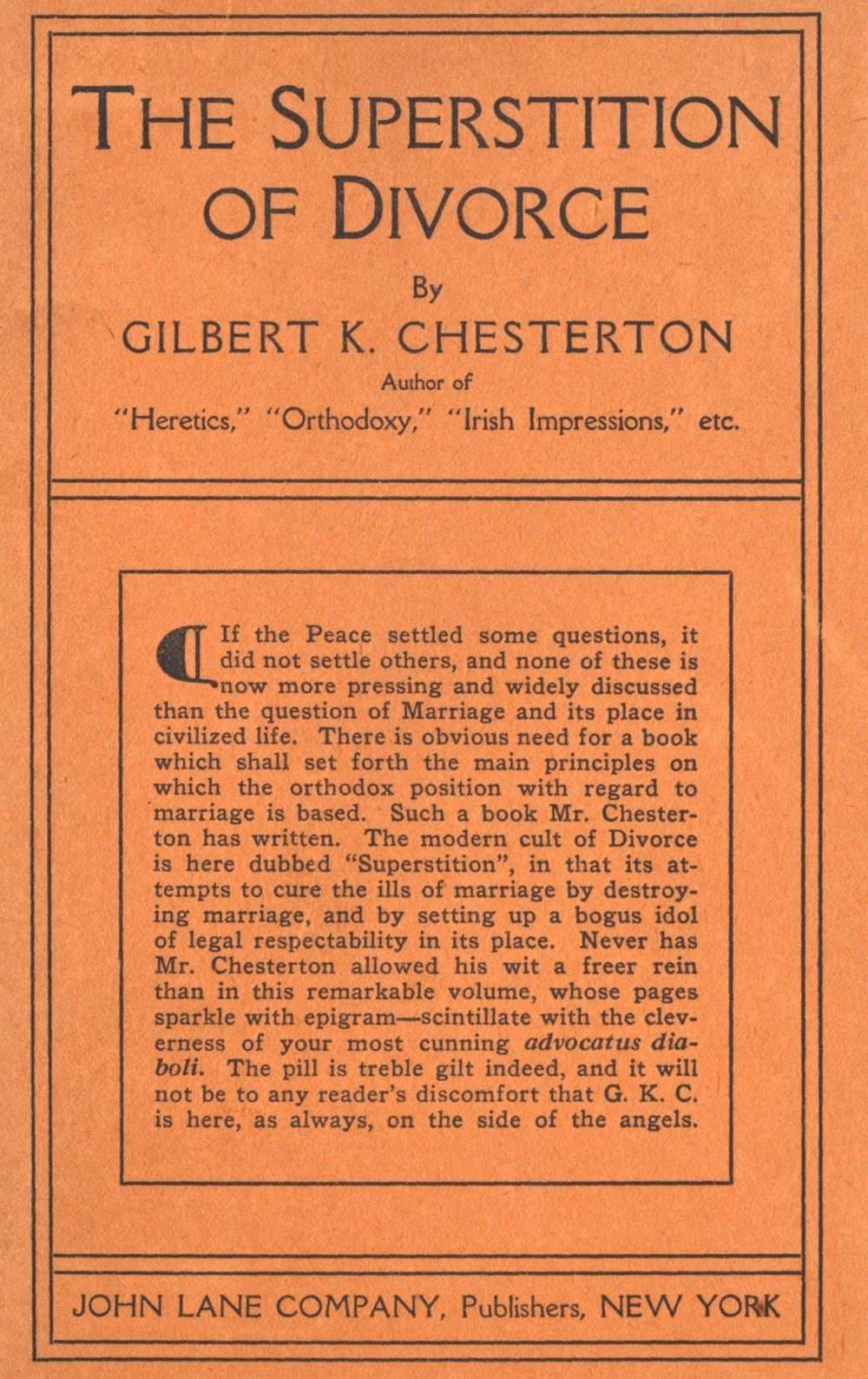
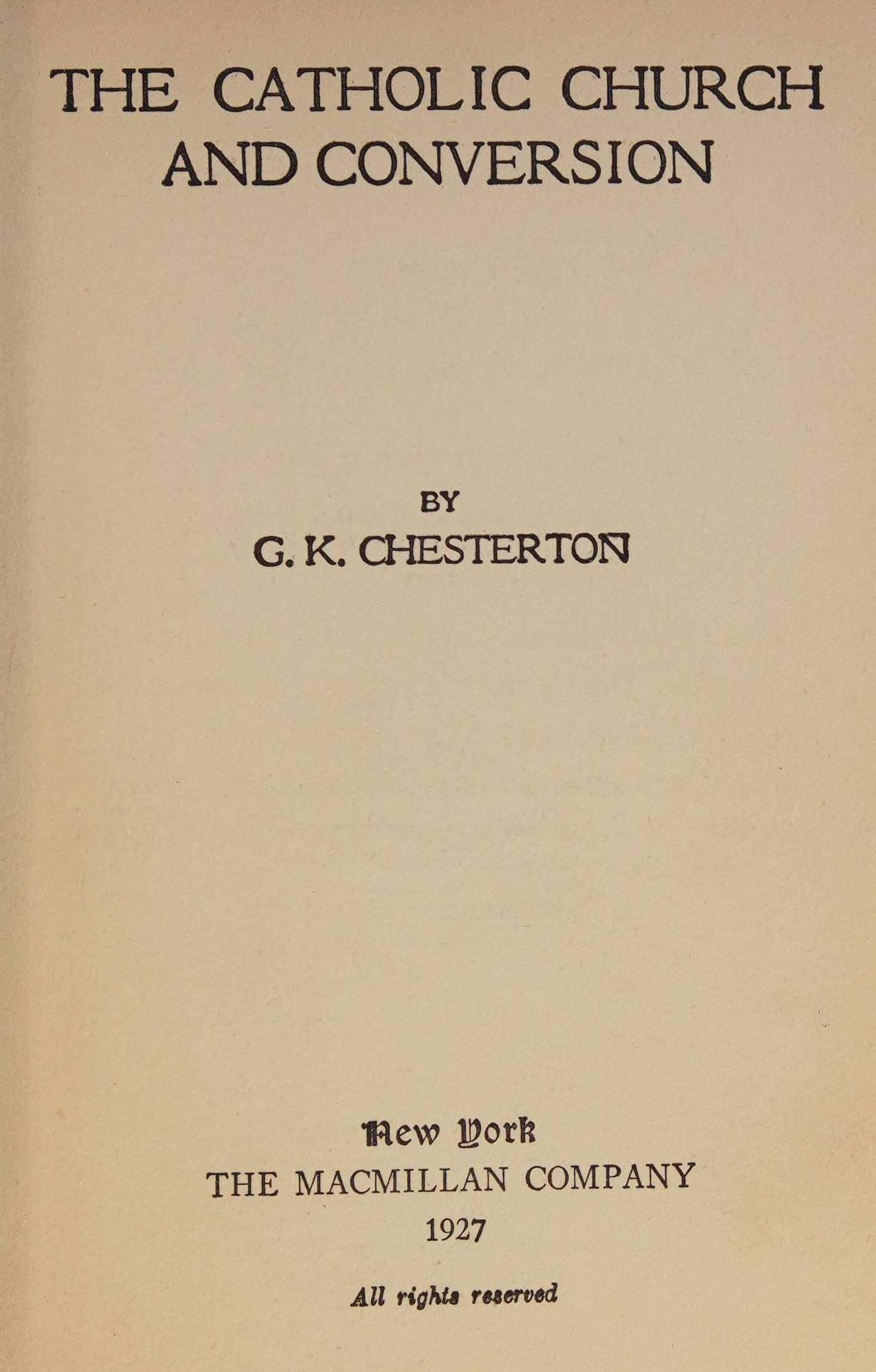
Editions
X-Ray
“The great Gaels of Ireland are the men that God made mad, For all their wars are merry, and all their songs are sad.””
— G. K. Chesterton
“The men of the East may spell the stars,And times and triumphs mark,But the men signed of the cross of ChristGo gaily in the dark.””
— G. K. Chesterton
“Sirs, I am but a nameless man,A rhymester without a home,Yet since I come of the Wessex clayAnd carry the cross of Rome,I will even answer the mighty earlThat asked of Wessex menWhy they be meek and monkish folk, And bow to the White Lord's broken yoke;What sign have we save blood and smoke?Here is my answer then.That on you is fallen the shadow,And not upon the Name;That though we scatter and though we fly,And you hang over us like the sky,You are more tired of victory,Than we are tired of shame.That though you hunt the Christian man Like a hare on the hill-side,The hare has still more heart to runThan you have heart to ride.That though all lances split on you,All swords be heaved in vain,We have more lust again to loseThan you to win again.Your lord sits high in the saddle,A broken-hearted king,But our king Alfred, lost from fame,Fallen among foes or bonds of shame,In I know not what mean trade or name,Has still some song to sing.Our monks go robed in rain and snow,But the heart of flame therein,But you go clothed in feasts and flames,When all is ice within;Nor shall all iron dooms make dumbMen wandering ceaselessly,If it be not better to fast for joyThan feast for misery.Nor monkish order onlySlides down, as field to fen,All things achieved and chosen pass,As the White Horse fades in the grass,No work of Christian men.Ere the sad gods that made your godsSaw their sad sunrise pass,The White Horse of the White Horse Vale,That you have left to darken and fail,Was cut out of the grass.Therefore your end is on you,Is on you and your kings,Not for a fire in Ely fen,Not that your gods are nine or ten,But because it is only Christian menGuard even heathen things.For our God hath blessed creation,Calling it good. I knowWhat spirit with whom you blindly band Hath blessed destruction with his hand;Yet by God's death the stars shall standAnd the small apples grow.””
— G. K. Chesterton
“I tell you naught for your comfort, Yea, naught for your desire, Save that the sky grows darker yet And the sea rises higher.””
— G. K. Chesterton
“The men of the east may search the scrolls, For sure fates and fame, But the men that drink the blood of God go singing to their shame.””
— G. K. Chesterton
“And he set to rhyme his ale-measures,And he sang aloud his laws,Because of the joy of giants,The joy without a cause.””
— G. K. Chesterton
“And well may God with the serving-folkCast in His dreadful lot;Is not He too a servant,And is not He forgot?For was not God my gardenerAnd silent like a slave;That opened oaks on the uplandsOr thicket in graveyard gave?And was not God my armourer,All patient and unpaid,That sealed my skull as a helmet,And ribs for hauberk made?Did not a great grey servantOf all my sires and me,Build this pavilion of the pines,And herd the fowls and fill the vines,And labour and pass and leave no signsSave mercy and mystery?For God is a great servant,And rose before the day,From some primordial slumber torn;But all we living later bornSleep on, and rise after the morn,And the Lord has gone away.On things half sprung from sleeping,All sleeping suns have shone,They stretch stiff arms, the yawning trees,The beasts blink upon hands and knees,Man is awake and does and sees-But Heaven has done and gone.For who shall guess the good riddleOr speak of the Holiest,Save in faint figures and failing words,Who loves, yet laughs among the swords,Labours, and is at rest?But some see God like Guthrum,Crowned, with a great beard curled,But I see God like a good giant,That, laboring, lifts the world.””
— G. K. Chesterton
“But out of the mouth of the Mother of God I have seen the truth like fire, This---that the sky grows darker yet And the sea rises higher.””
— G. K. Chesterton
“People, if you have any prayers,Say prayers for me:And lay me under a Christian stoneIn that lost land I thought my own,To wait till the holy horn is blown,And all poor men are free.””
— G. K. Chesterton
Link to this book
Add a free, dofollow link to Lex on your blog, forum, syllabus, or reading list.

<a href="https://lex-books.com/book/the-ballad-of-the-white-horse-13b76b89-5f8c-445a-9a18-91da974305bb"><img src="https://lex-books.com/badges/read-on-lex.svg" alt="Read The Ballad of the White Horse by G. K. Chesterton free on Lex" width="160" height="40"></a>[](https://lex-books.com/book/the-ballad-of-the-white-horse-13b76b89-5f8c-445a-9a18-91da974305bb)[url=https://lex-books.com/book/the-ballad-of-the-white-horse-13b76b89-5f8c-445a-9a18-91da974305bb][img]https://lex-books.com/badges/read-on-lex.svg[/img][/url]Read The Ballad of the White Horse by G. K. Chesterton free on Lex: https://lex-books.com/book/the-ballad-of-the-white-horse-13b76b89-5f8c-445a-9a18-91da974305bbCite this book
Reading this edition for a paper or guide? Copy a citation.
Chesterton, G. K.. The Ballad of the White Horse. Lex, lex-books.com/book/the-ballad-of-the-white-horse-13b76b89-5f8c-445a-9a18-91da974305bb.Chesterton, G. K. (1911). The Ballad of the White Horse. Lex. https://lex-books.com/book/the-ballad-of-the-white-horse-13b76b89-5f8c-445a-9a18-91da974305bbChesterton, G. K.. The Ballad of the White Horse. Lex. https://lex-books.com/book/the-ballad-of-the-white-horse-13b76b89-5f8c-445a-9a18-91da974305bb.