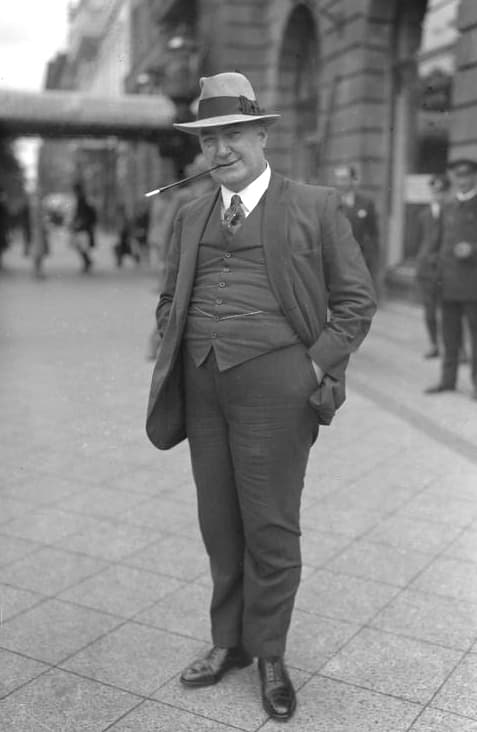
Edgar Wallace
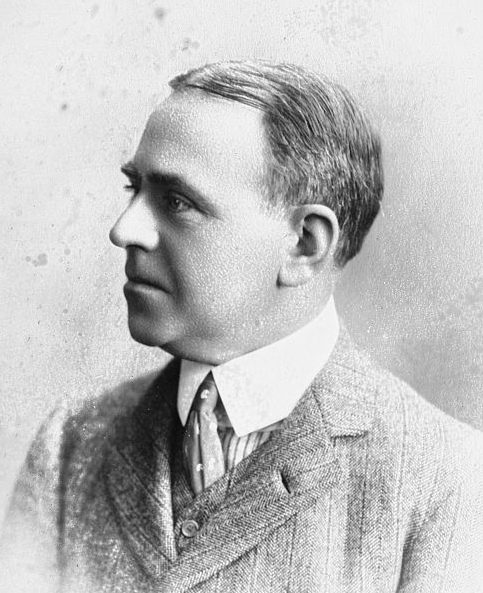
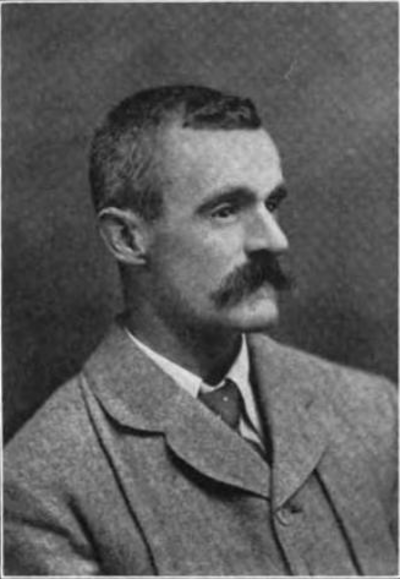
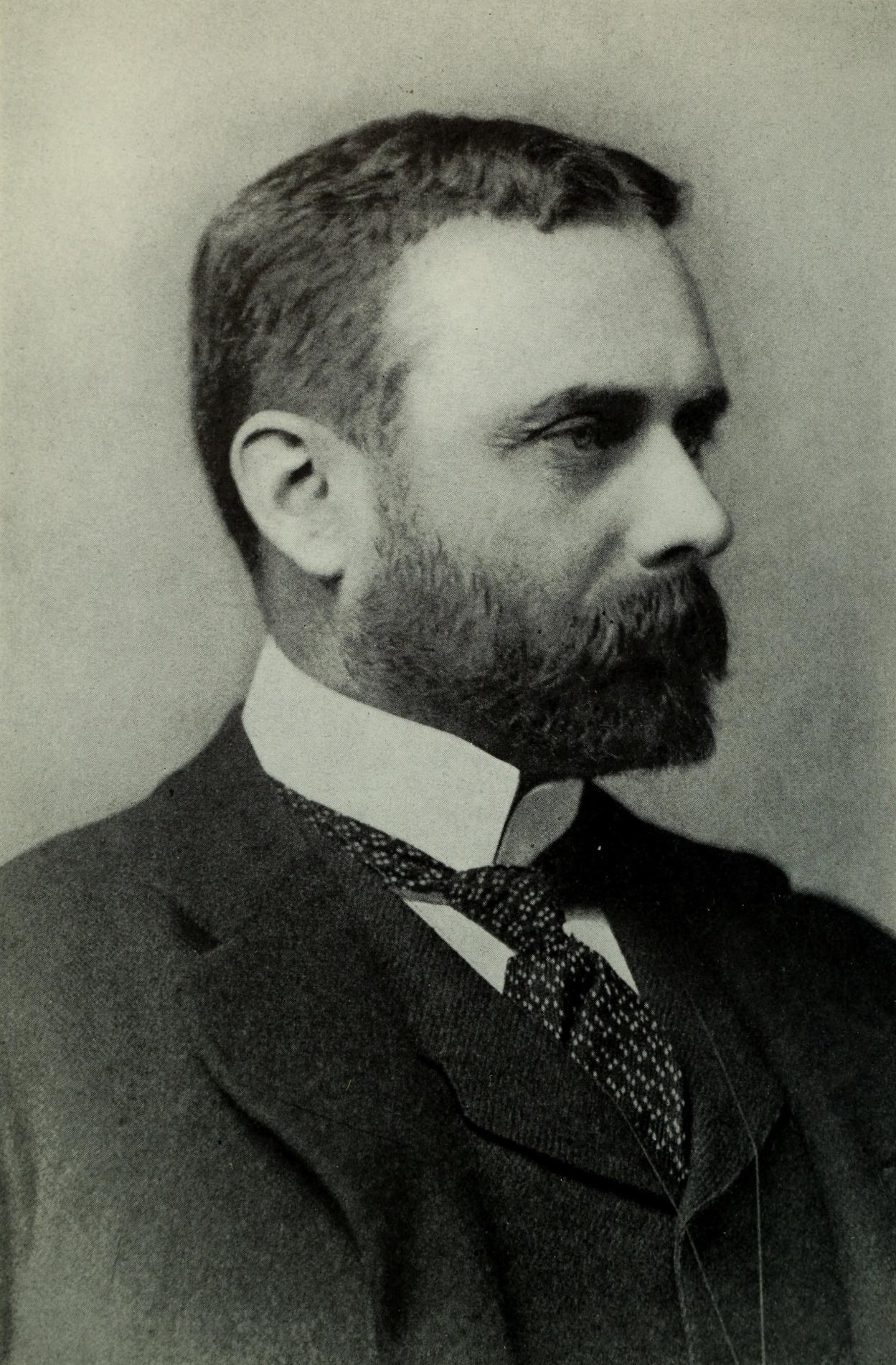
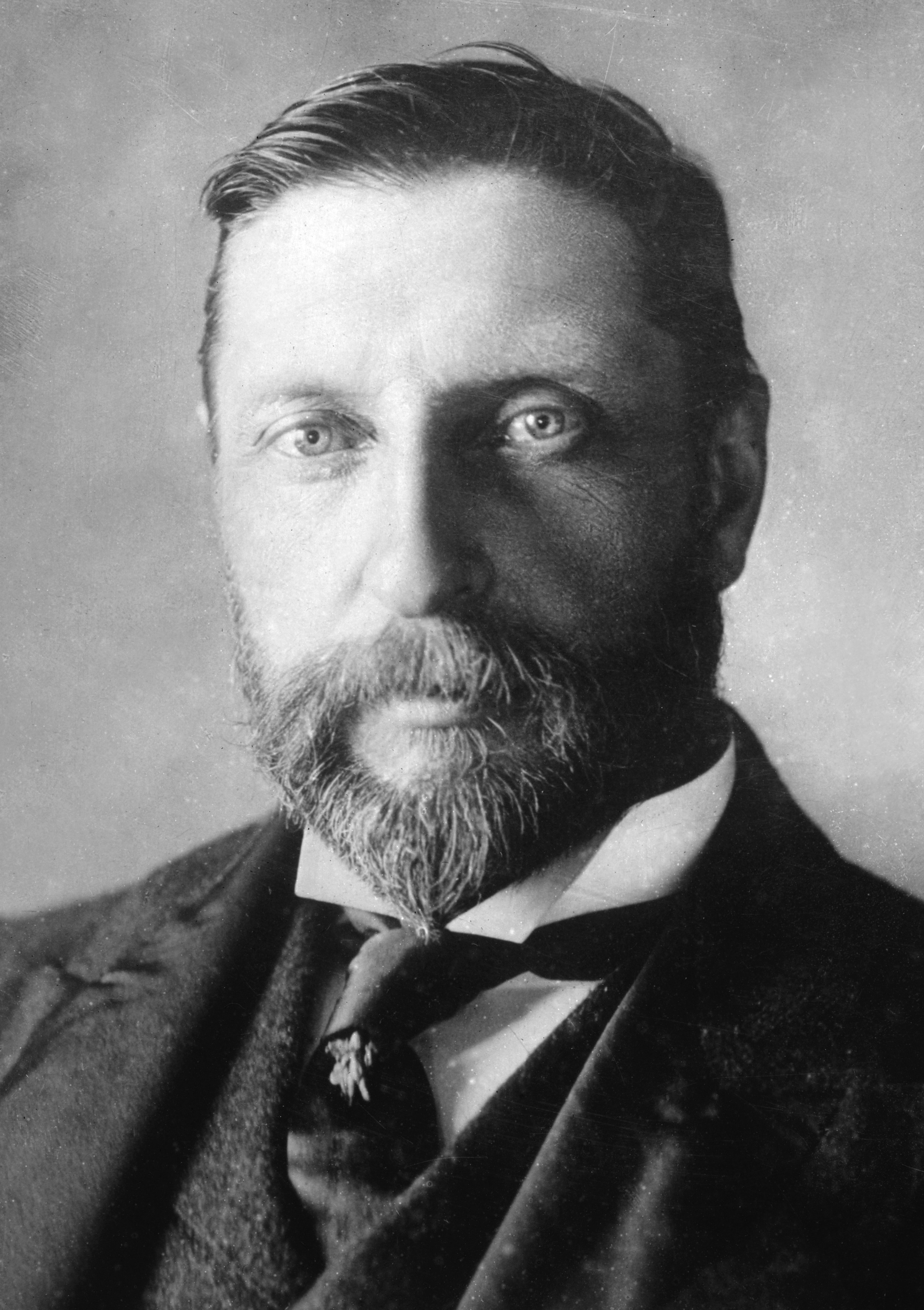
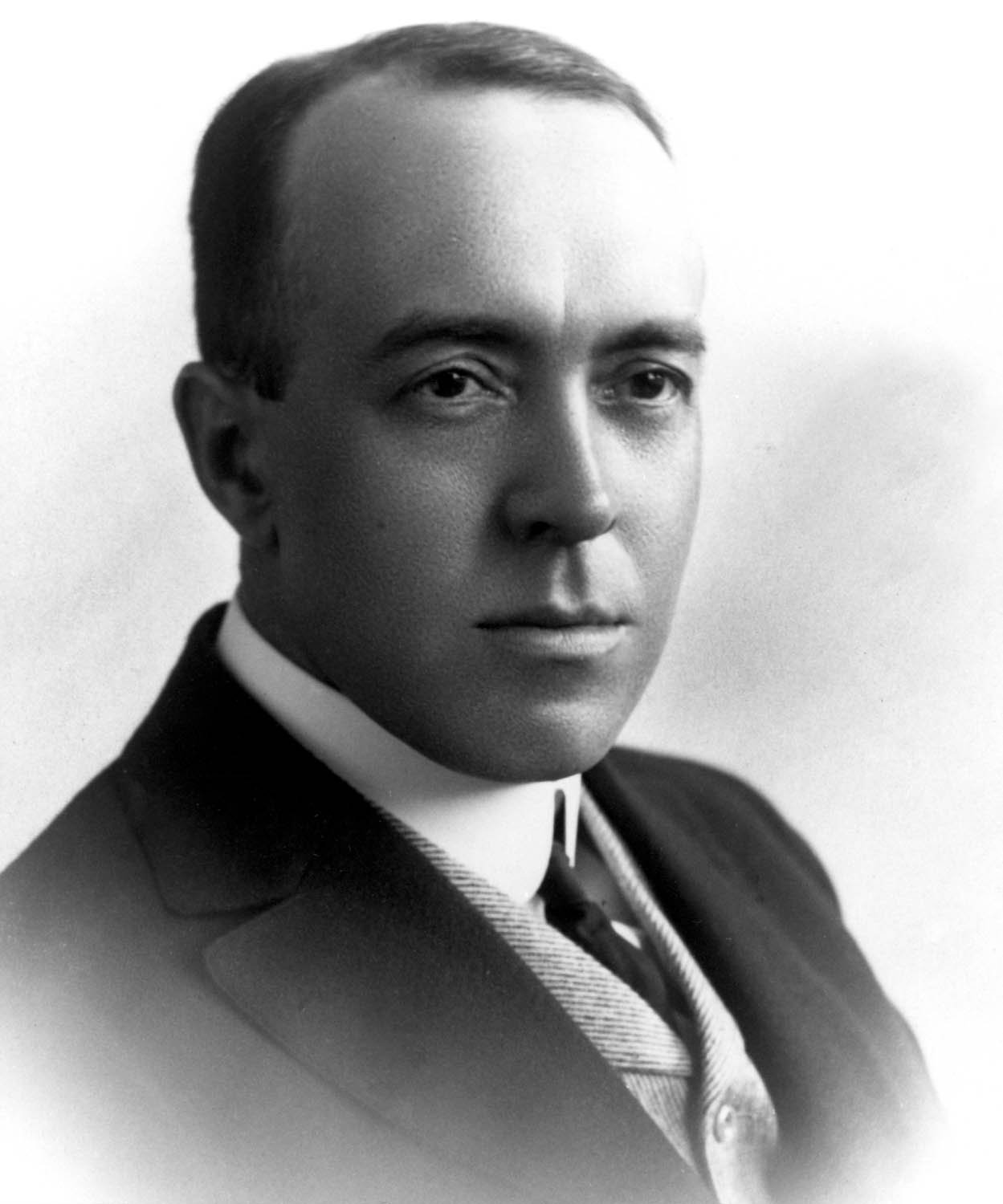
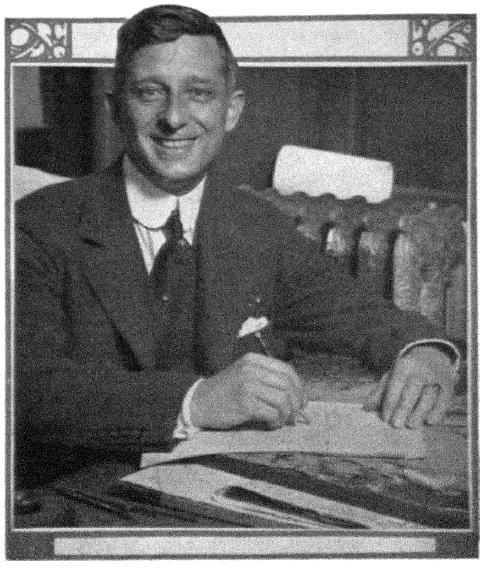
Richard Horatio Edgar Wallace was a British writer renowned for his contributions to crime and adventure fiction. Born into poverty in London as an illegitimate child, he faced significant hardships early in life, leaving school at the age of twelve. His career began in journalism, where he served as a war correspondent during the Second Boer War, experiences that would later inform his writing. Struggling with financial difficulties, Wallace turned to fiction, publishing his first major work, The Four Just Men, in 1905. His vivid storytelling and gripping plots quickly gained popularity, leading to a prolific output that included notable collections such as Sanders of the River (1911), which drew on his experiences in Africa and highlighted the social issues of the time. By the 1920s, Wallace had established himself as a leading figure in the literary world, signing with Hodder and Stoughton and achieving international recognition. His works often featured complex characters and intricate plots, influencing the crime genre significantly. In addition to his novels, he ventured into screenwriting in Hollywood, contributing to the script for the iconic film King Kong, which was released posthumously. Wallace's legacy endures through his extensive body of work, which not only entertained readers but also shaped the conventions of modern crime fiction, making him a pivotal figure in the genre's development.
Famous Quotes
View all 17 quotes“An intellectual is someone who has found something more interesting than sex.””
“Vanity takes no more obnoxious form than the everlasting desire for approval.””
“I never did believe in the equality of the sexes, but no girl is the weaker vessel if she gets first grip of the kitchen poker.””
Books from the author















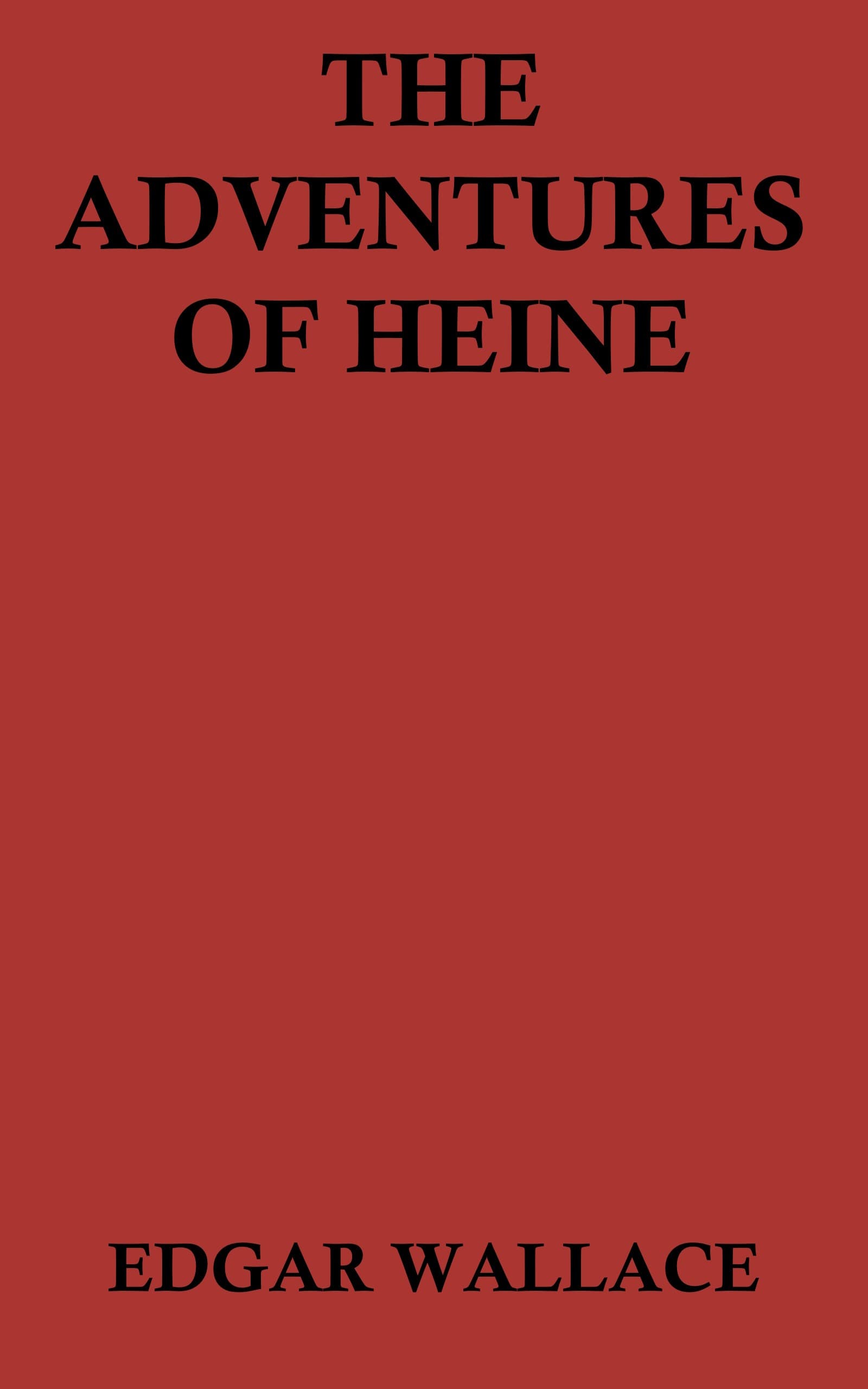

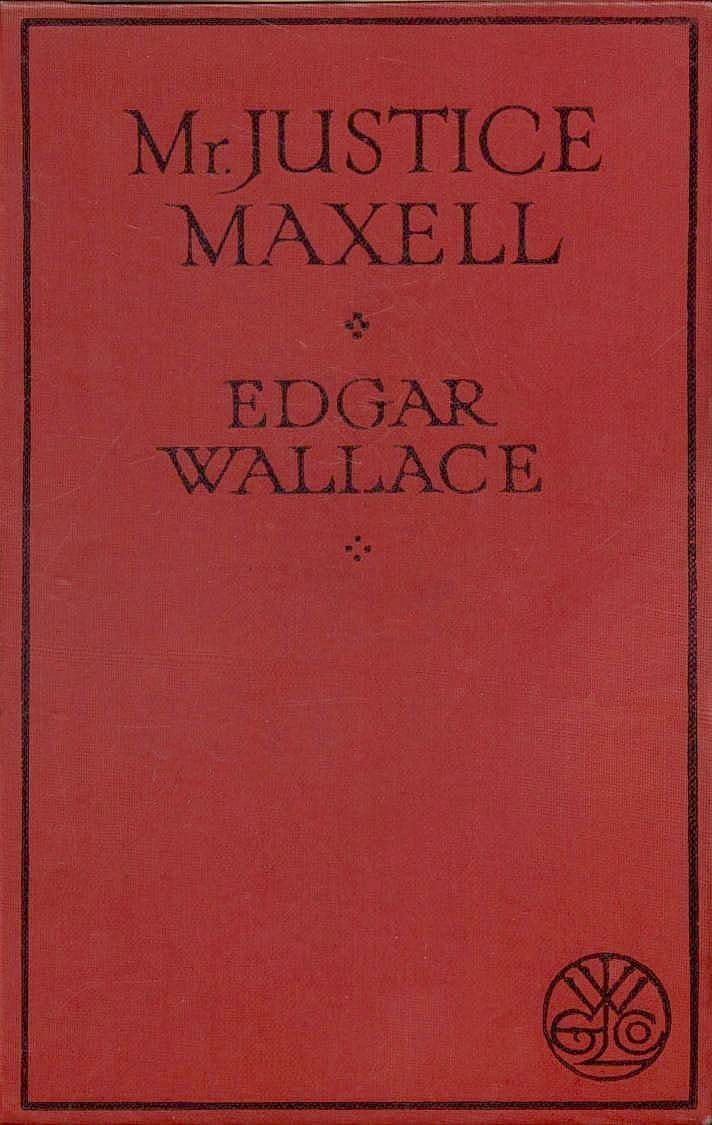
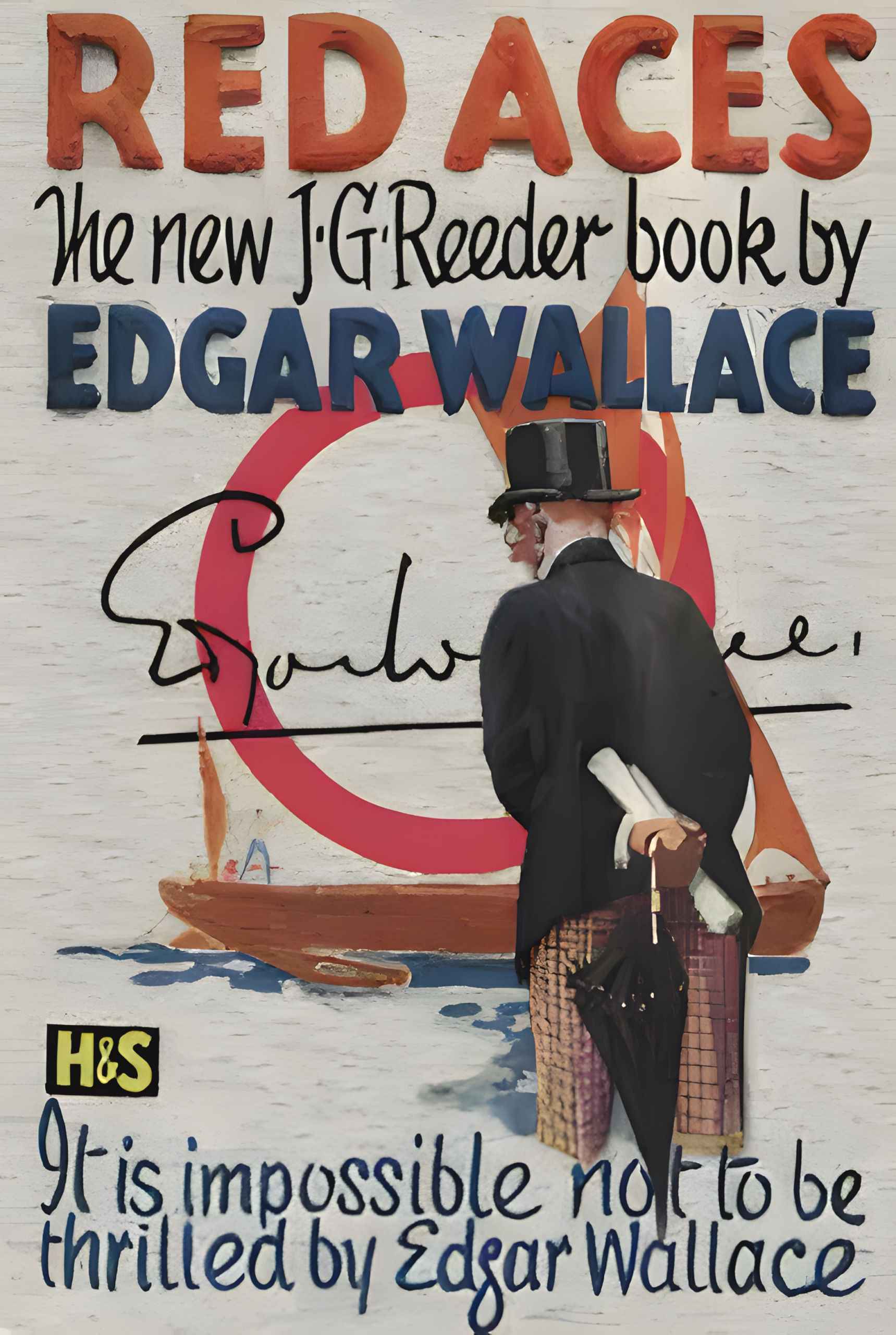

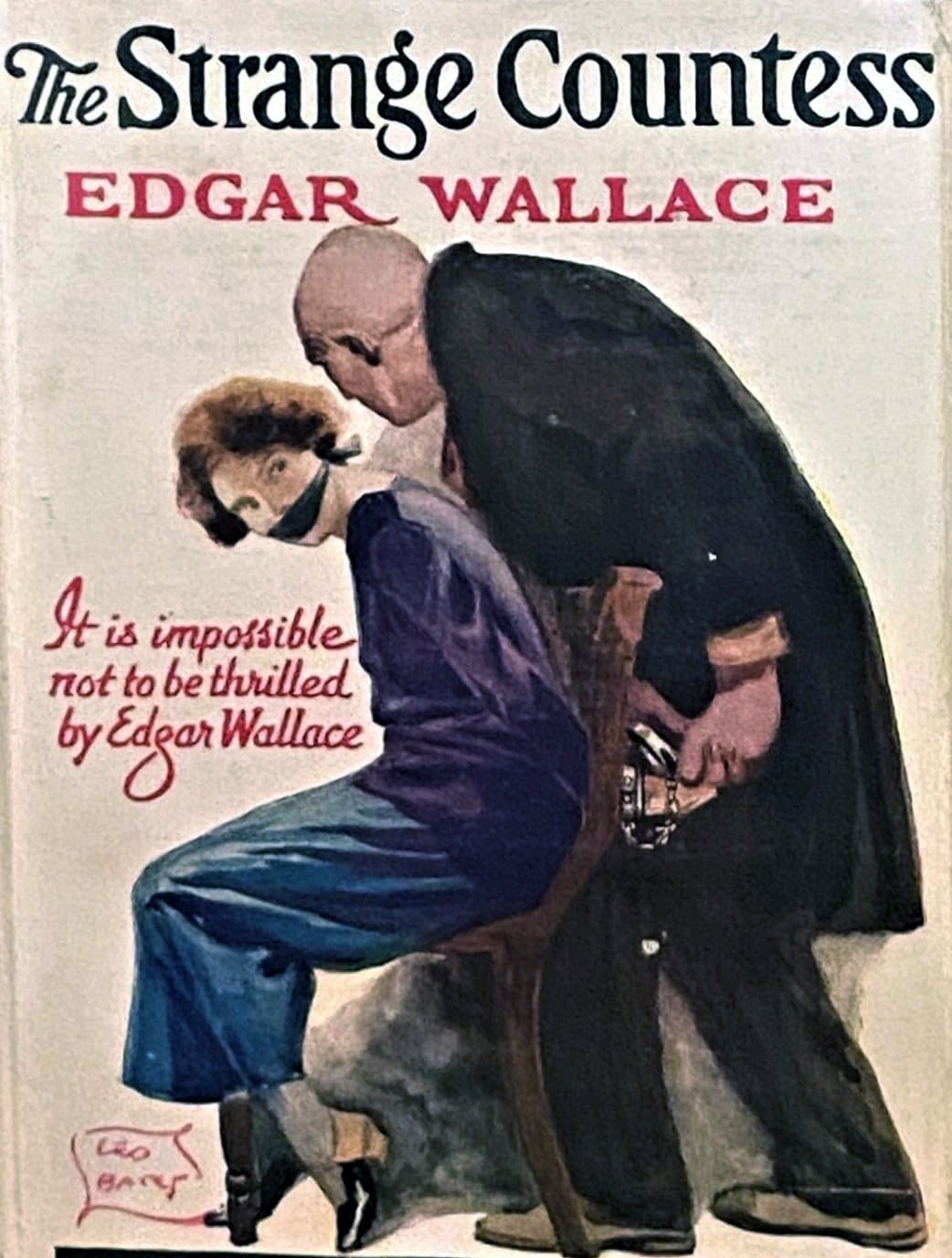


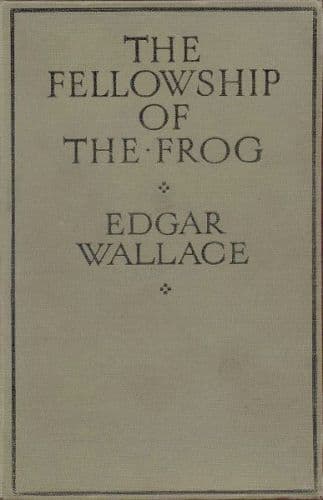
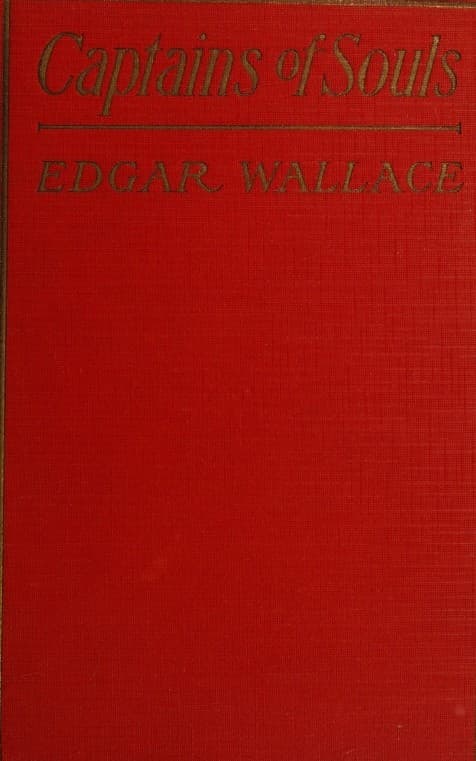
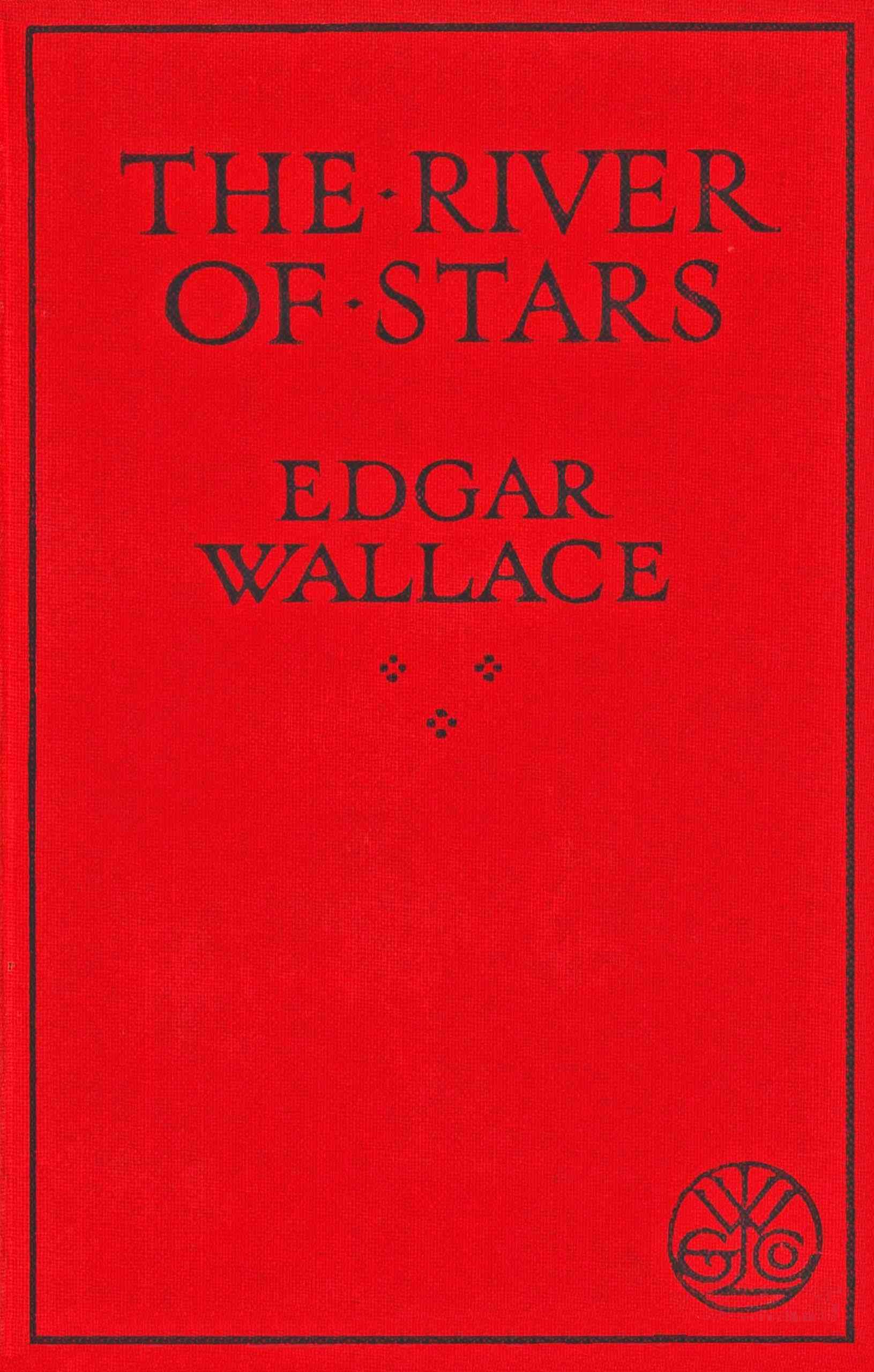
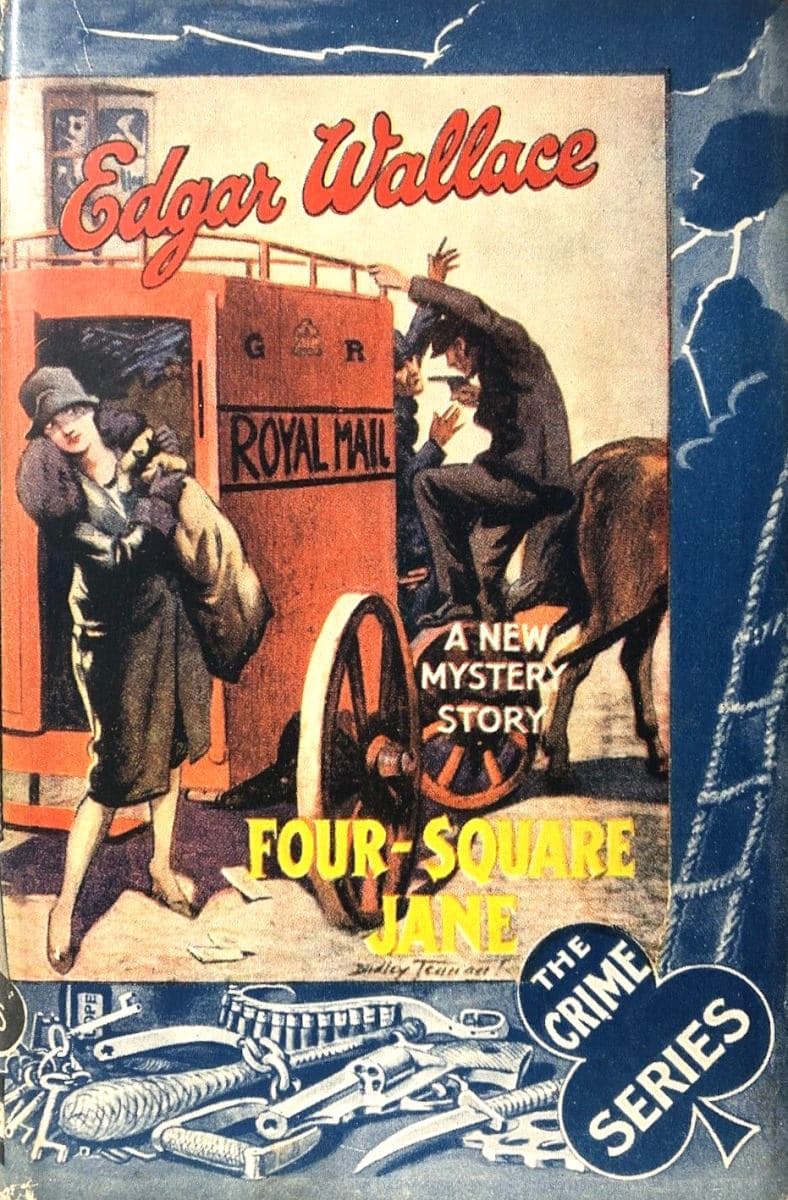


Link to this page
Add a free, dofollow link to Lex on your blog, forum, syllabus, or reading list.

<a href="https://lex-books.com/author/edgar-wallace"><img src="https://lex-books.com/badges/read-on-lex.svg" alt="Edgar Wallace on Lex" width="160" height="40"></a>[](https://lex-books.com/author/edgar-wallace)[url=https://lex-books.com/author/edgar-wallace][img]https://lex-books.com/badges/read-on-lex.svg[/img][/url]Edgar Wallace on Lex: https://lex-books.com/author/edgar-wallace