The New Jerusalem
1920
Chesterton arrives in Jerusalem nearly a century ago, but his journey feels startlingly modern. He comes seeking something he cannot quite name, not just the holy city itself, but understanding of what it means to be human in a world tearing itself between progress and tradition, East and West. The donkey and the dog wait at the border of his narrative: one humble and ancient, one loyal and modern. Through stark Middle Eastern landscapes, Chesterton unpacks his era's convulsions, labor and capitalism and democracy's strange fate, yet these turn out to be timeless questions dressed in period clothes. His writing moves between the physical and the philosophical, always circling back to what it means to walk where prophets walked. This is not quite a travel guide. It is a man arguing with the ages, trying to recover wonder in a world grown too clever for it.
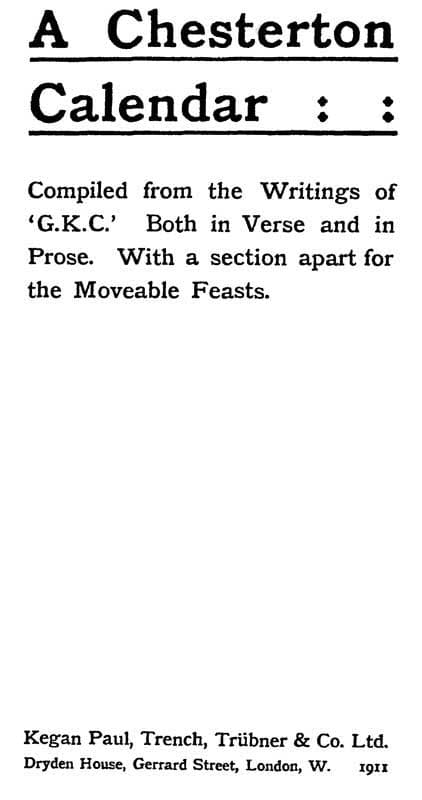
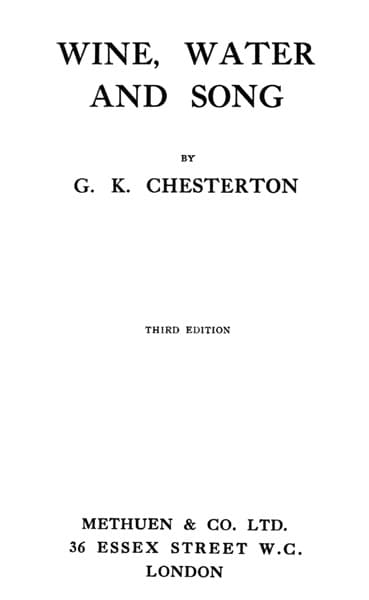
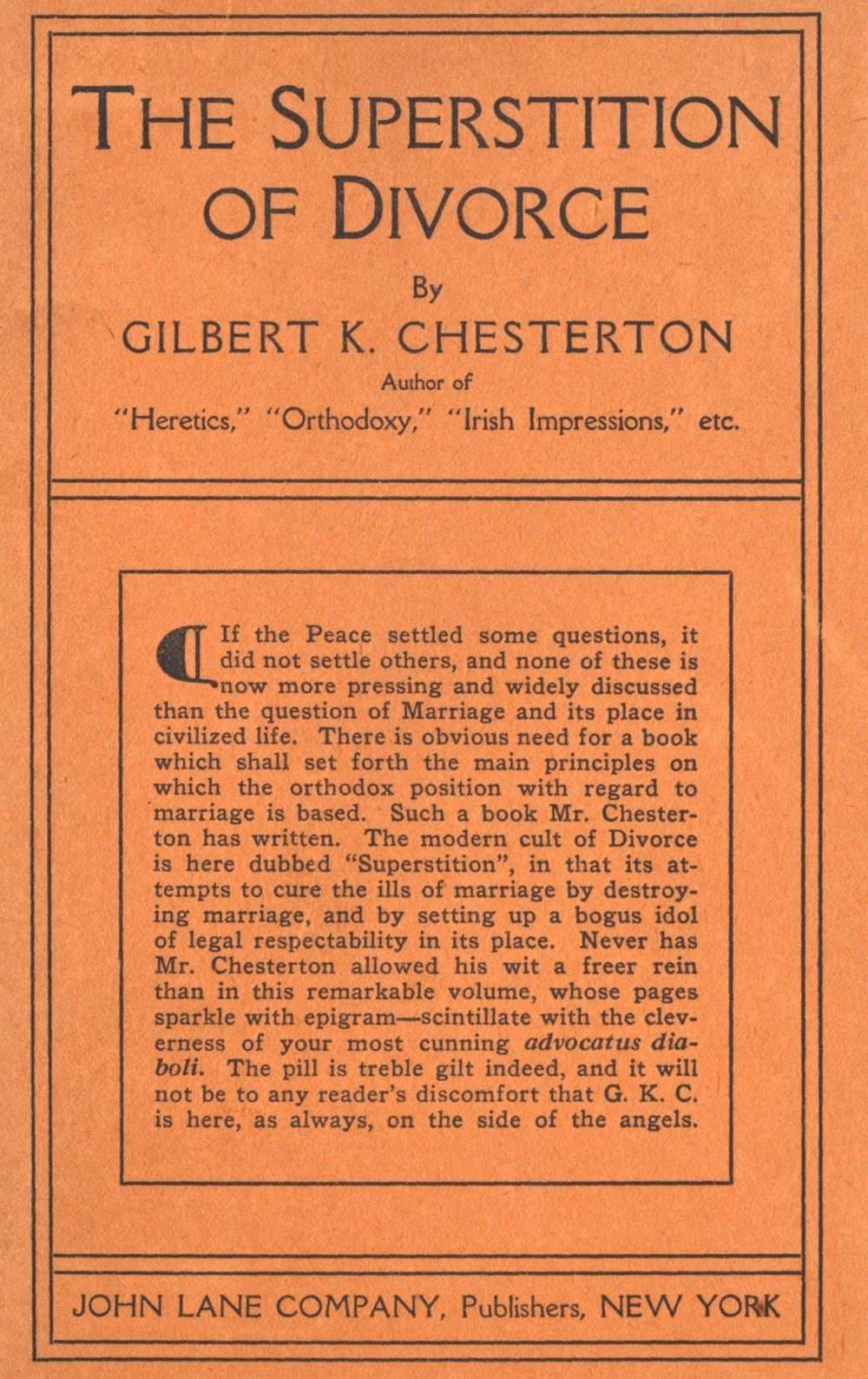
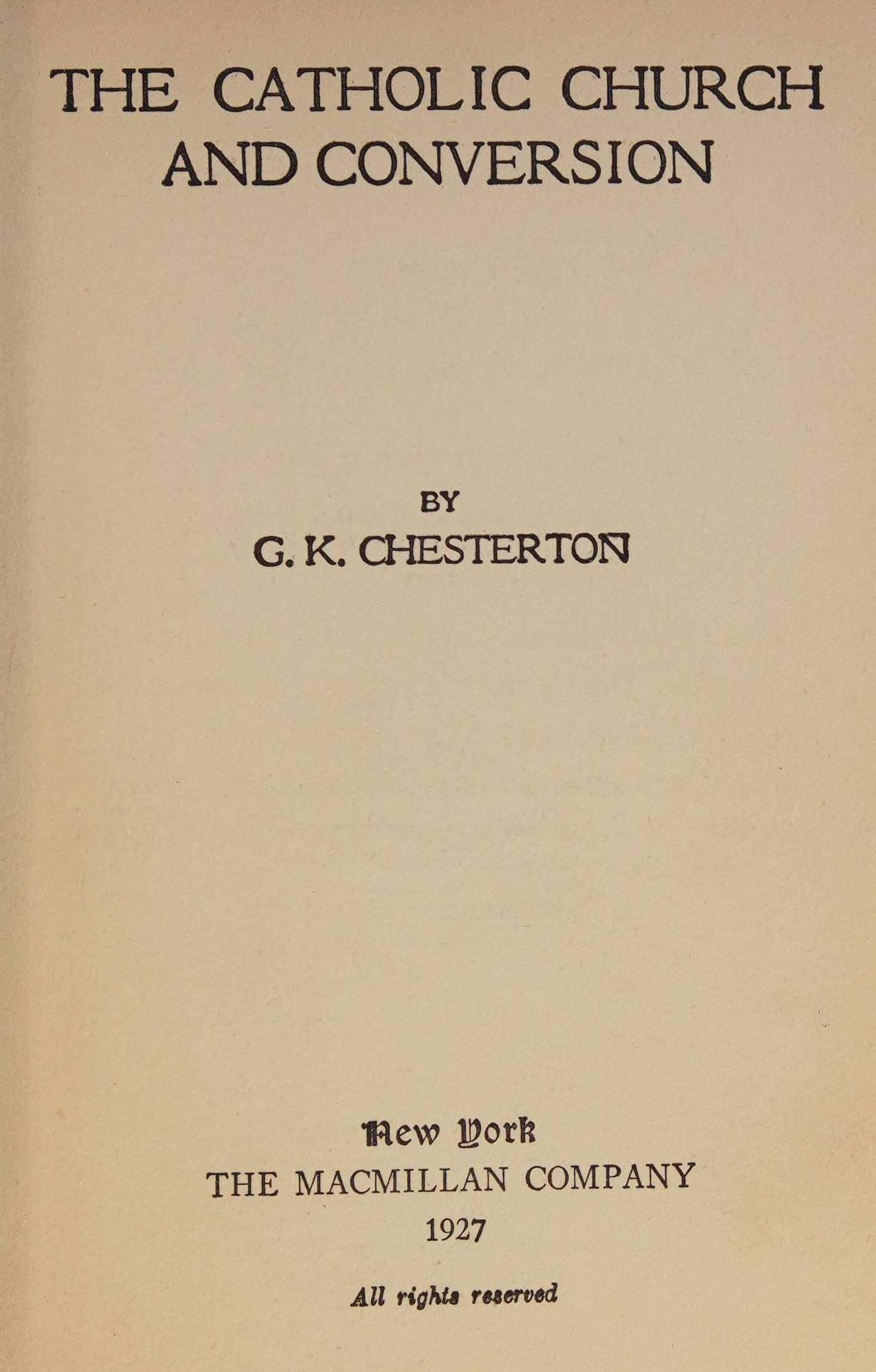
Editions
X-Ray
“It is really not so repulsive to see the poor asking for money as to see the rich asking for more money. And advertisement is the rich asking for more money.””
— G. K. Chesterton
“Any one thinking of the Holy Child as born in December would mean by it exactly what we mean by it; that Christ is not merely a summer sun of the prosperous but a winter fire for the unfortunate.””
— G. K. Chesterton
“I do not admit that theological points are small points. Theology is only thought applied to religion; and those who prefer a thoughtless religion need not be so very disdainful of others with a more rationalistic taste. The old joke that the Greek sects only differed about a single letter is about the lamest and most illogical joke in the world. An atheist and a theist only differ by a single letter; yet theologians are so subtle as to distinguish definitely between the two.””
— G. K. Chesterton
“It is the friction of two spiritual things, of tradition and invention, or of substance and symbol, from which the mind takes fire. The creeds condemned as complex have something like the secret of sex; they can breed thoughts.””
— G. K. Chesterton
“This is not a university town full of philosophies; it is a Zion of the hundred sieges raging with religions; not a place where resolutions can be voted and amended, but a place where men can be crowned and crucified.””
— G. K. Chesterton
Link to this book
Add a free, dofollow link to Lex on your blog, forum, syllabus, or reading list.

<a href="https://lex-books.com/book/the-new-jerusalem-30de07d1-23ac-455b-8100-6a9b73e8d81e"><img src="https://lex-books.com/badges/read-on-lex.svg" alt="Read The New Jerusalem by G. K. Chesterton free on Lex" width="160" height="40"></a>[](https://lex-books.com/book/the-new-jerusalem-30de07d1-23ac-455b-8100-6a9b73e8d81e)[url=https://lex-books.com/book/the-new-jerusalem-30de07d1-23ac-455b-8100-6a9b73e8d81e][img]https://lex-books.com/badges/read-on-lex.svg[/img][/url]Read The New Jerusalem by G. K. Chesterton free on Lex: https://lex-books.com/book/the-new-jerusalem-30de07d1-23ac-455b-8100-6a9b73e8d81eCite this book
Reading this edition for a paper or guide? Copy a citation.
Chesterton, G. K.. The New Jerusalem. Lex, lex-books.com/book/the-new-jerusalem-30de07d1-23ac-455b-8100-6a9b73e8d81e.Chesterton, G. K. (1920). The New Jerusalem. Lex. https://lex-books.com/book/the-new-jerusalem-30de07d1-23ac-455b-8100-6a9b73e8d81eChesterton, G. K.. The New Jerusalem. Lex. https://lex-books.com/book/the-new-jerusalem-30de07d1-23ac-455b-8100-6a9b73e8d81e.