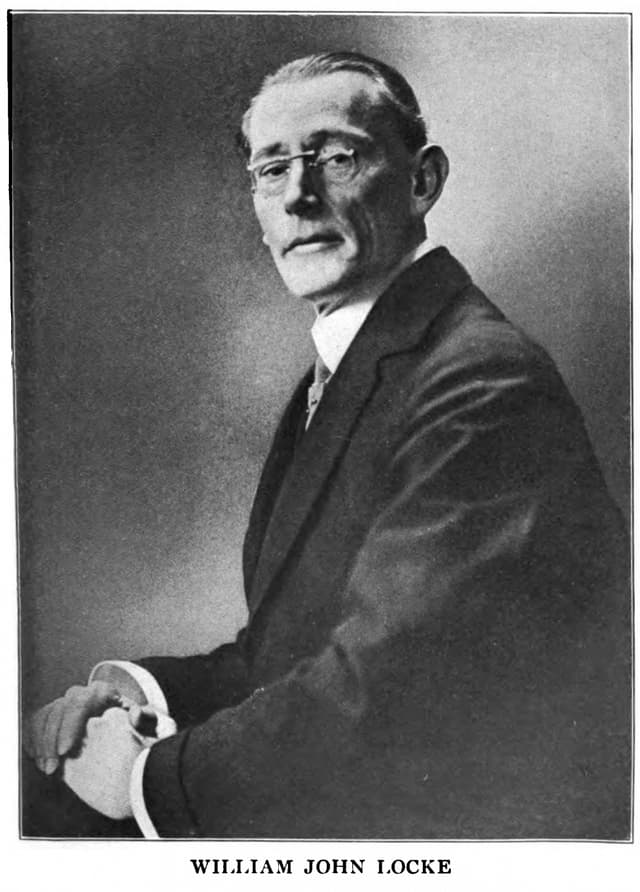
William John Locke
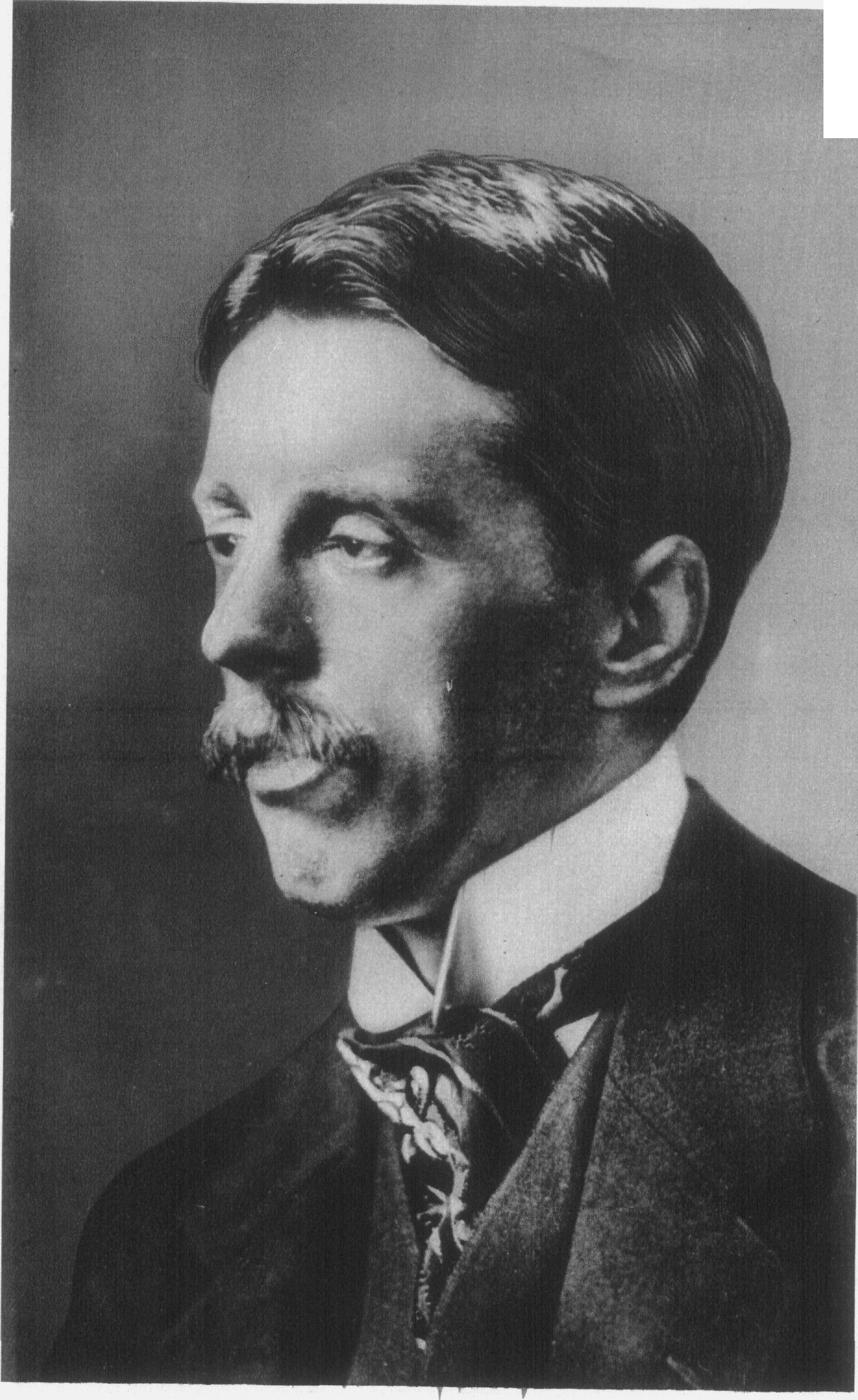
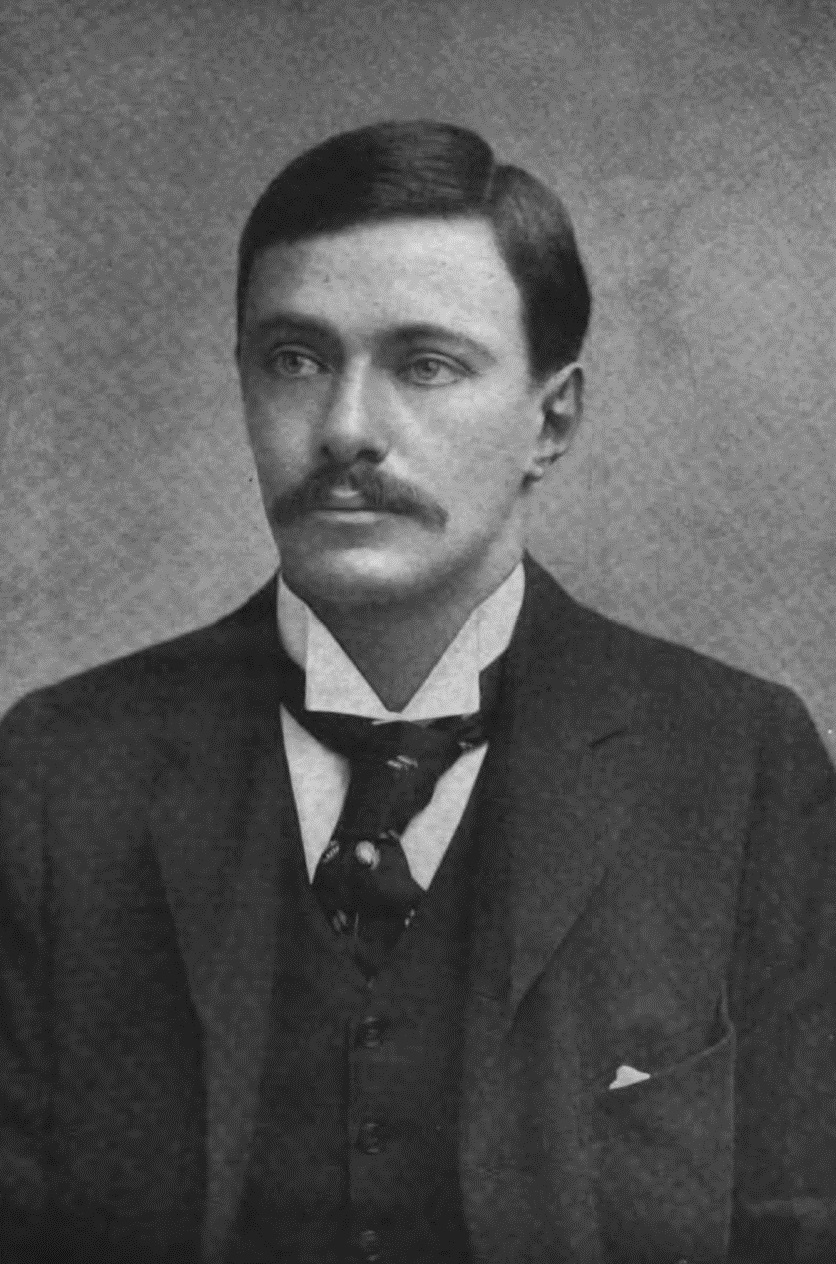
William John Locke was a British novelist and playwright renowned for his engaging short stories and character-driven narratives. Born in 1863, he spent much of his early life in a variety of locations, including England and the West Indies, which influenced his diverse storytelling style. Locke's literary career flourished in the early 20th century, and he became known for works such as 'The Beloved Vagabond' and 'The Fortunate Youth,' both of which showcased his knack for humor and keen observation of human nature. His writing often explored themes of identity, belonging, and the complexities of personal relationships, resonating with readers of his time. Locke's contributions to literature extended beyond novels; he was also a successful playwright, with several of his works adapted for the stage. His ability to blend wit with poignant insights into the human experience set him apart in the literary landscape of his era. While not as widely recognized today, Locke's work laid the groundwork for future writers who sought to capture the intricacies of everyday life. His legacy endures through his stories, which continue to offer a glimpse into the social mores and cultural nuances of early 20th-century Britain.
Famous Quotes
View all 3 quotes“You have never seen ugliness in a happy face.”
“My little Asticot, I have abjured absinthe and forsworn cafés. I have broken my new porcelain pipe and have cut my finger-nails. As I enter on the path of happiness, I scatter the dregs and shreds and clippings of the past behind me. I divest myself of all the crapulous years.”
“Don't be a genius, my son, it isn't good for anybody.”
Books from the author
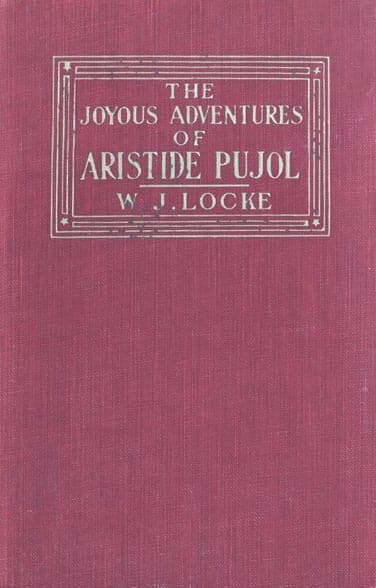
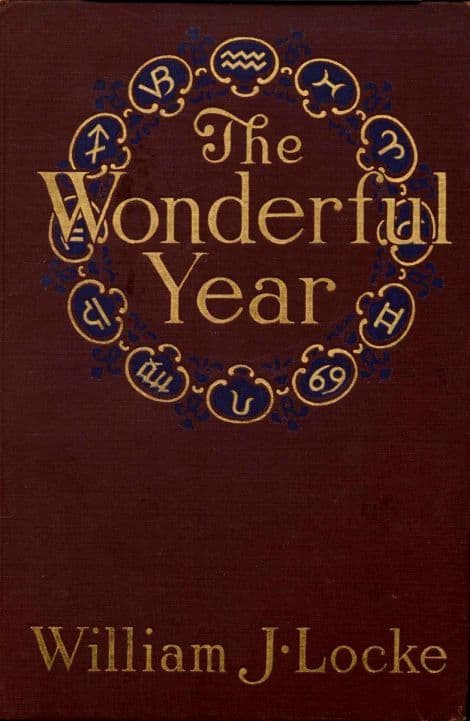
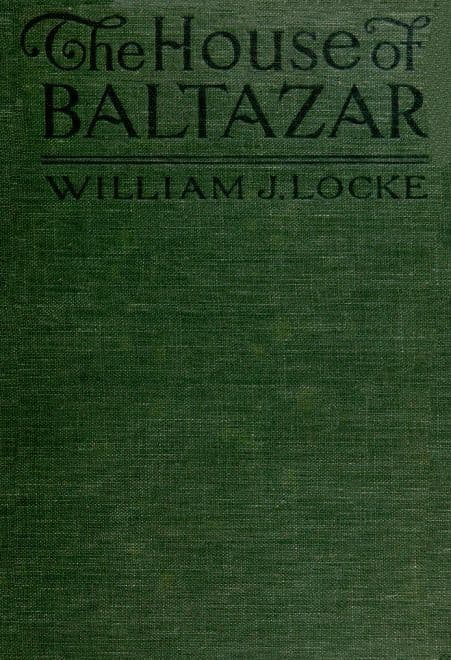

Link to this page
Add a free, dofollow link to Lex on your blog, forum, syllabus, or reading list.

<a href="https://lex-books.com/author/william-john-locke"><img src="https://lex-books.com/badges/read-on-lex.svg" alt="William John Locke on Lex" width="160" height="40"></a>[](https://lex-books.com/author/william-john-locke)[url=https://lex-books.com/author/william-john-locke][img]https://lex-books.com/badges/read-on-lex.svg[/img][/url]William John Locke on Lex: https://lex-books.com/author/william-john-locke