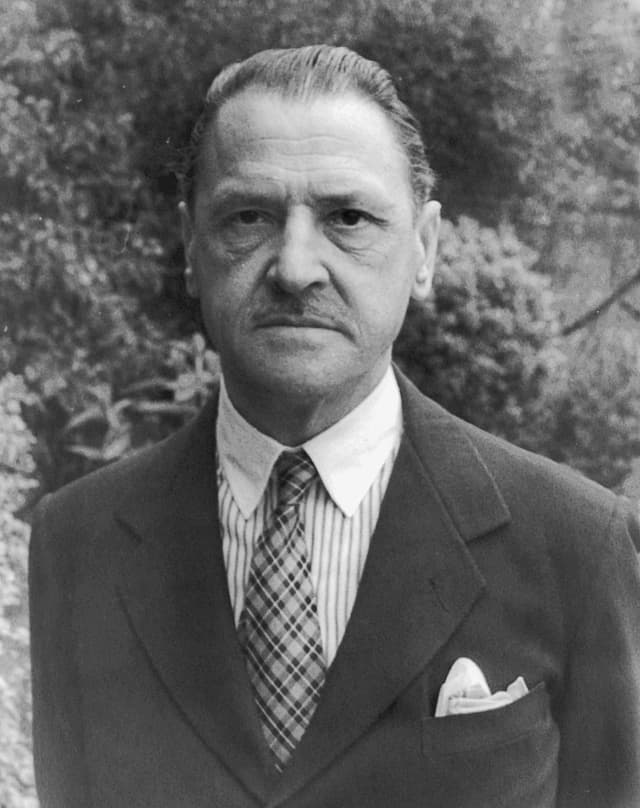
W. Somerset Maugham
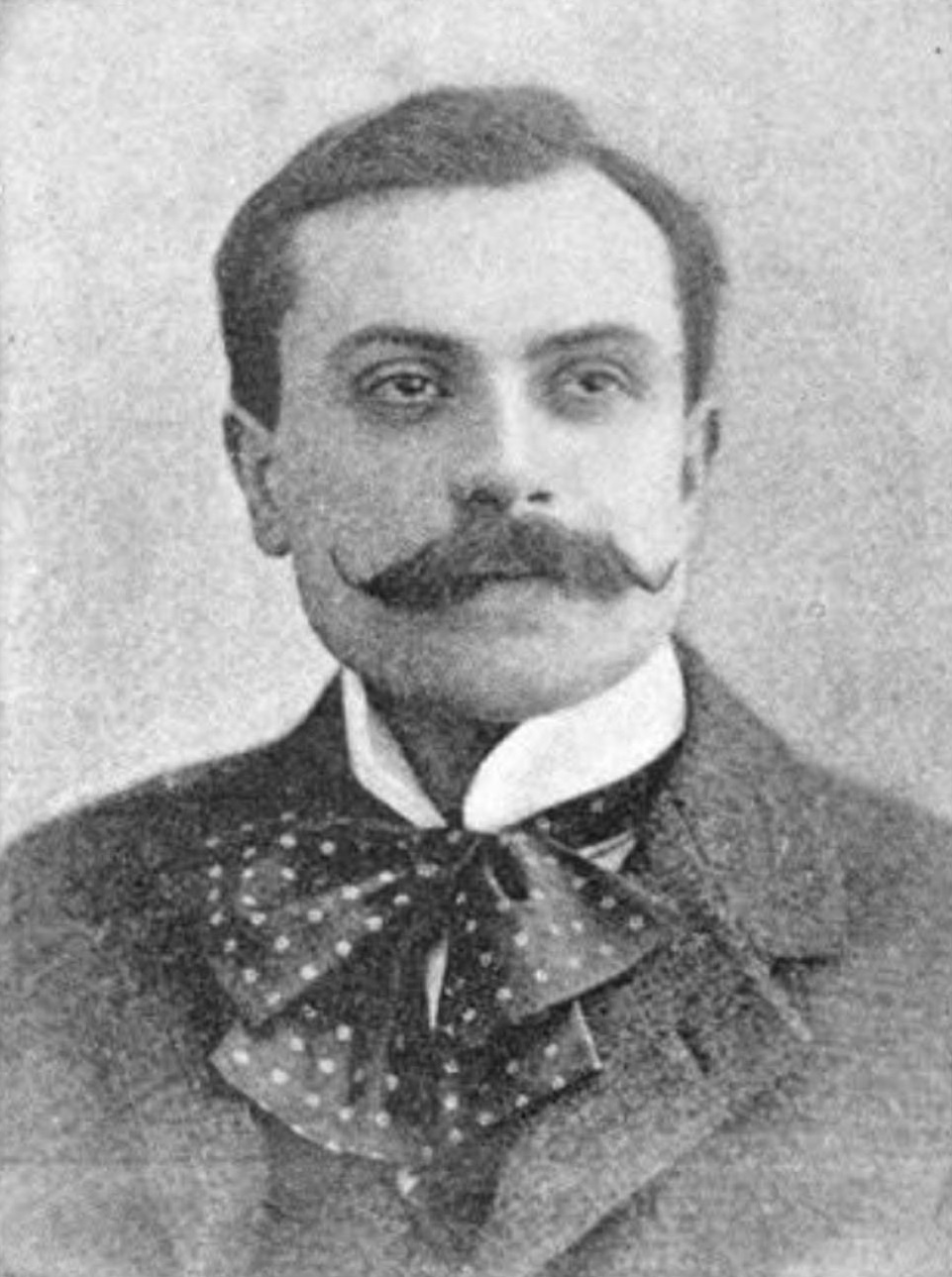
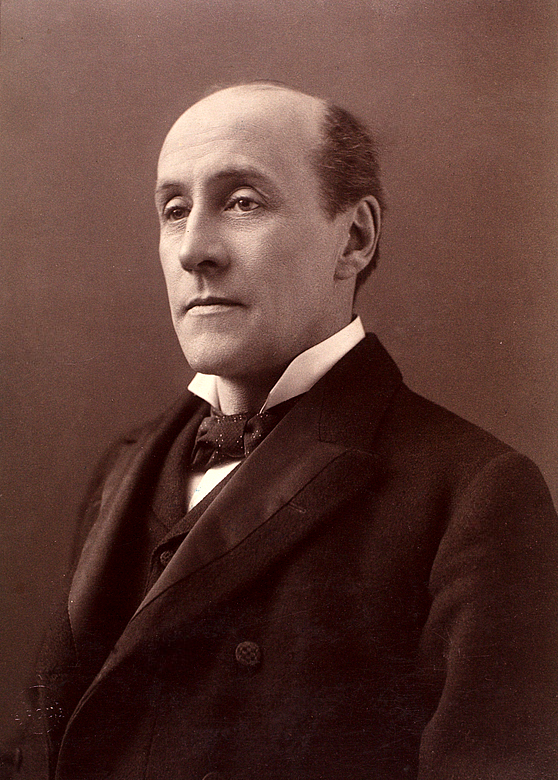
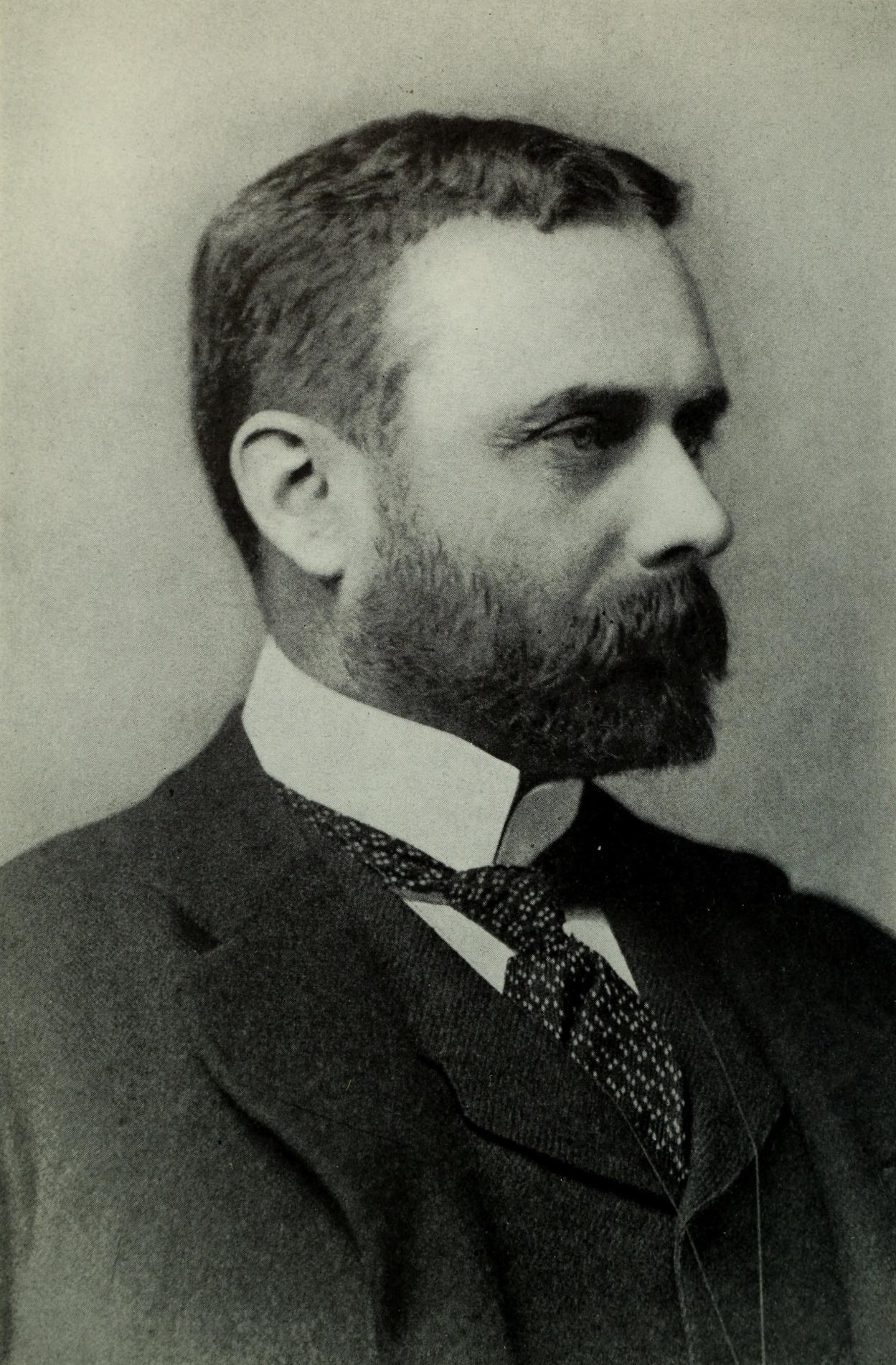
W. Somerset Maugham was an influential English writer whose extensive body of work includes novels, plays, and short stories that often explore themes of human nature and the complexities of society. Born in 1874, Maugham's early life was marked by personal loss and a challenging upbringing, which shaped his worldview and literary voice. He initially pursued a career in medicine before turning to writing, a decision that would lead him to become one of the most popular authors of his time. Maugham's notable works include the novel 'Of Human Bondage,' which is often regarded as his masterpiece, and 'The Razor's Edge,' a philosophical exploration of the search for meaning in life. His plays, such as 'The Circle' and 'The Constant Wife,' showcased his sharp wit and keen observations of social dynamics. Maugham's writing is characterized by its clarity, psychological insight, and a keen understanding of the human condition, making him a significant figure in 20th-century literature. Throughout his career, Maugham's works garnered both critical acclaim and commercial success, establishing him as a prominent literary figure. His ability to blend storytelling with profound philosophical questions has left a lasting impact on literature, influencing generations of writers and readers alike. Maugham's legacy endures through his rich narratives and the timeless themes he explored, ensuring his place in the canon of English literature.
Books from the author









Link to this page
Add a free, dofollow link to Lex on your blog, forum, syllabus, or reading list.

<a href="https://lex-books.com/author/w-somerset-maugham"><img src="https://lex-books.com/badges/read-on-lex.svg" alt="W. Somerset Maugham on Lex" width="160" height="40"></a>[](https://lex-books.com/author/w-somerset-maugham)[url=https://lex-books.com/author/w-somerset-maugham][img]https://lex-books.com/badges/read-on-lex.svg[/img][/url]W. Somerset Maugham on Lex: https://lex-books.com/author/w-somerset-maugham