What’s Wrong with the World
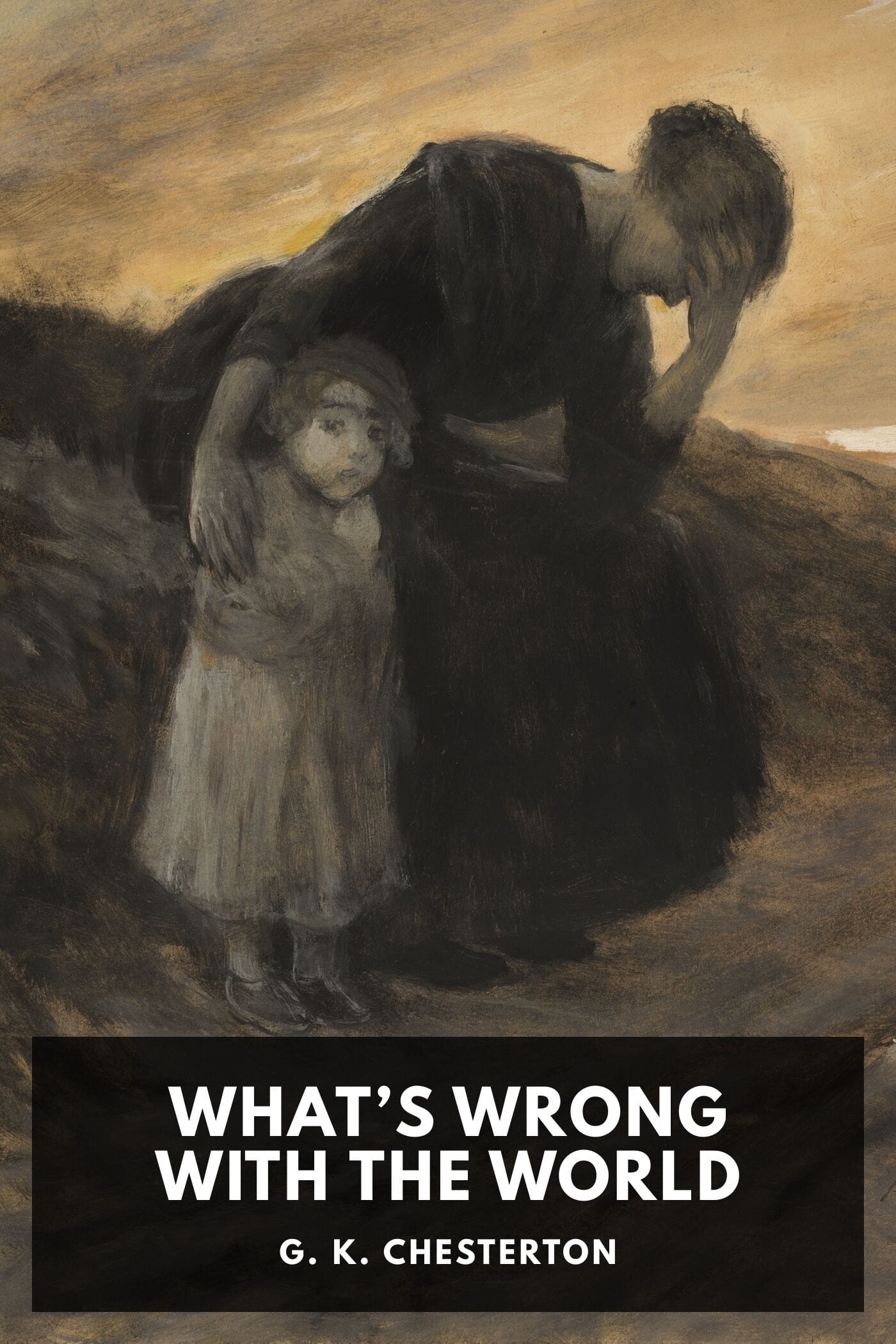
Step into the mind of G. K. Chesterton as he dissects the societal maladies of early 20th-century England, a critique that resonates with startling clarity today. In *What's Wrong with the World*, Chesterton casts a discerning eye over the twin specters of unchecked capitalism and burgeoning socialism, arguing that both, in their own ways, dismantle the very foundations of human flourishing: the family, private property, and genuine community. He champions a radical reimagining, advocating for a widespread distribution of land and power—a philosophy that would later be coined "Distributism." Far from a dry economic treatise, this is a spirited defense of the ordinary person's right to dignity, autonomy, and a plot of land to call their own, challenging the prevailing wisdom of his era with characteristic wit and profound insight. Chesterton's genius lies not just in his prescient diagnosis of societal ills, but in his enduring relevance. Though penned in 1910, his observations on home ownership, the purpose of education, and the subtle erosion of democratic ideals feel remarkably contemporary. This isn't just a historical document; it's a vibrant, often humorous, and deeply humanistic call to reclaim what it means to live well. His prose, a delightful blend of paradox and common sense, invites readers to question the status quo and consider a more humane, decentralized vision of society, making it an essential read for anyone grappling with the complexities of modern life.
Editions

Link to this book
Add a free, dofollow link to Lex on your blog, forum, syllabus, or reading list.

<a href="https://lex-books.com/book/what-s-wrong-with-the-world-b1830dba-6977-4542-88af-d47205de8736"><img src="https://lex-books.com/badges/read-on-lex.svg" alt="Read What’s Wrong with the World by G. K. Chesterton free on Lex" width="160" height="40"></a>[](https://lex-books.com/book/what-s-wrong-with-the-world-b1830dba-6977-4542-88af-d47205de8736)[url=https://lex-books.com/book/what-s-wrong-with-the-world-b1830dba-6977-4542-88af-d47205de8736][img]https://lex-books.com/badges/read-on-lex.svg[/img][/url]Read What’s Wrong with the World by G. K. Chesterton free on Lex: https://lex-books.com/book/what-s-wrong-with-the-world-b1830dba-6977-4542-88af-d47205de8736Cite this book
Reading this edition for a paper or guide? Copy a citation.
Chesterton, G. K.. What’s Wrong with the World. Lex, lex-books.com/book/what-s-wrong-with-the-world-b1830dba-6977-4542-88af-d47205de8736.Chesterton, G. K. (n.d.). What’s Wrong with the World. Lex. https://lex-books.com/book/what-s-wrong-with-the-world-b1830dba-6977-4542-88af-d47205de8736Chesterton, G. K.. What’s Wrong with the World. Lex. https://lex-books.com/book/what-s-wrong-with-the-world-b1830dba-6977-4542-88af-d47205de8736.